Executive Overview
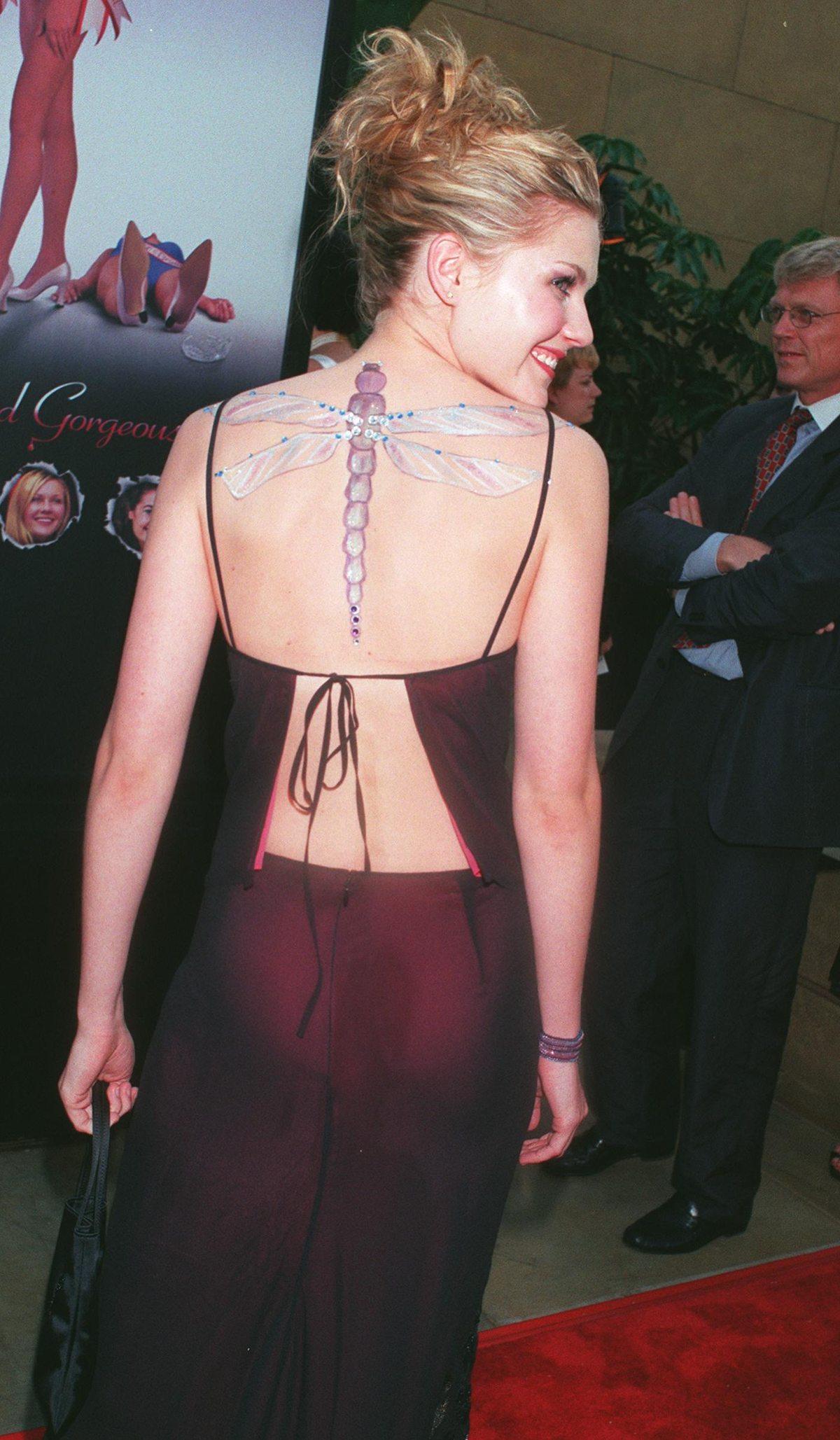
In the high-stakes, hyper-accelerated ecosystem of late-1990s Hollywood, the convergence of young stardom, last-minute logistics, and avant-garde beauty choices often created moments of unforgettable professional theater. Fresh off the moving truck and newly arrived in Los Angeles, a young in-demand makeup artist found himself thrust into an extraordinary baptism by fire. Tasked with creating a bespoke look for a rising teenage Kirsten Dunst ahead of the premiere of her political satire film Dick, this artist conceived a daring piece of body art: a glistening, iridescent dragonfly meticulously painted to capture the ephemeral magic of the era.
What followed was a masterclass in the chaotic realities of early-career glam squads. From a high-speed, quintessential 1999 helicopter evacuation out of a San Diego film set—where Dunst was simultaneously shooting Cheer Fever (later retitled Bring It On)—to an eleventh-hour wardrobe change that inadvertently compromised the integrity of the design, this project remains a defining anecdote of youthful resilience and creative stubbornness. More than just a nostalgic trip down memory lane, this recalled event highlights the formative milestones of building a career in the entertainment capital, the psychological weight of minor artistic compromises, and the profound validation that comes from earning national press recognition before the age of thirty.
Detailed Chronology: From Concept to Chaos
The Genesis of the Dragonfly
The narrative begins in the late summer of 1999, a transformative period for both the city of Los Angeles and its newest creative inhabitants. Having recently relocated to Southern California, the makeup artist received the kind of career-defining phone call every newcomer dreams of: an opportunity to collaborate with Kirsten Dunst. At the time, Dunst was rapidly ascending the ranks of Hollywood royalty, transitioning effortlessly from a celebrated child actor (Interview with the Vampire, Jumanji) into a bona fide teen icon.
Unlike many clients who leaned toward traditional, low-risk red-carpet aesthetics, Dunst was remarkably game. As a teenager genuinely fascinated by the artistry of makeup, she possessed an open-minded adventurousness that invited experimentation. Seizing the opportunity, the artist conceptualized a striking, organic piece of body art: a glistening dragonfly, sketched out on paper with meticulous precision—a physical relic of the process that the artist still occasionally hunts for in archives. Upon presenting the concept to Dunst’s public relations team, the reception was instantaneous and overwhelmingly positive. The green light was given; the dragonfly was bound for the red carpet.
The 1999 Helicopter Maneuver
Logistical hurdles, however, are an immutable law of the entertainment industry. Just as the preparations reached their climax, complications arose a few hours south of Los Angeles. Dunst was actively filming in San Diego on the set of Cheer Fever—the cheerleading comedy that would permanently etch itself into pop culture history under the title Bring It On.
Because it was an active shoot day, the timeline grew perilous. For a terrifying stretch of hours, it remained entirely uncertain whether the star would even make it to her own movie premiere. The resolution to this crisis reads like a script treatment from a millennial cult classic: production executives authorized the chartering of a helicopter to physically lift Dunst out of San Diego and transport her directly to Los Angeles.
Upon her touchdown, the schedule was merciless. With barely any breathing room, the glam team executed a high-pressure blitz, completing her hair, makeup, and intricate body art in two hours flat. Looking back across the decades, the sheer velocity of the operation borders on the absurd, yet it encapsulates the adrenaline-fueled reality of 1990s Hollywood PR machinery.
Supporting Context & Metrics: The Wardrobe Pivot and Visual Discrepancy
The Strap Dilemma
Even the most meticulously orchestrated creative visions are vulnerable to the unpredictable nature of last-minute wardrobe adjustments. The entire conceptual architecture of the dragonfly body art had been engineered around one specific parameter: a strapless dress. The design was mapped out to sit uninterrupted across the skin, intended to be fully on display as a standalone artistic statement.
However, reality intervened in the dressing room. Right before the cameras began to flash, the styling team swapped the original garment for a dress featuring delicate, thin straps. For a perfectionist makeup artist, this unannounced alteration created an immediate internal crisis. As the artist reflects with the benefit of hindsight:
"If that happened to me today, I would drop the body art entirely. It just doesn’t sit right to have skinny straps cut across it."
Youthful tenacity, however, operates on a different frequency. Having invested profound psychological energy into conceptualizing, pitching, and executing the dragonfly, the artist refused to abandon the plan on the spot. Photographs from the event reveal the structural compromise—the thin straps intersecting the intricate painted wings—a detail that still evokes a lingering pang of perfectionism. Yet, in the court of public opinion, the aesthetic gamble paid off entirely; while the artist agonized over the geometric clash, the public and fashion critics alike embraced the look with unbridled enthusiasm.
Official Statements and Industry Impact: The USA Today Milestone
In the wake of the premiere, the real validation arrived not from the applause of the crowd, but from the pages of mainstream journalism.
The Call That Changed Everything
For a twenty-something transplant trying to establish a foothold in the notoriously cutthroat Los Angeles beauty market, tangible recognition is the ultimate currency. When USA Today reached out to interview the young artist specifically regarding the dragonfly concept, the professional landscape shifted.
- Career Validation: It marked the artist’s inaugural brush with major national press coverage.
- Psychological Shift: Transforming from an anonymous hand-for-hire into a recognized creative voice solidified a sense of belonging in a city that often chews up and spits out aspiring talent.
- Enduring Resonance: Decades later, that single media inquiry retains its emotional weight, standing as an unyielding reminder of the moment a career transitioned from potential to reality.
Future Outlook: The Evolution of Celebrity Glam and Red-Carpet Artistry
Reflecting on the dragonfly experiment offers a compelling lens through which to examine how red-carpet beauty has evolved over the past twenty-five years. In contemporary Hollywood, the glam squad has morphed into a corporate-adjacent institutional machine. Every freckle, strand of hair, and contour line is subjected to rigorous pre-approval, digital mood boards, and crisis-management protocols. The spontaneous, rock-and-roll risk-taking of the late 90s—characterized by chartered helicopters, hastily sketched insects, and improvisational body art—has largely been replaced by polished, risk-averse precision.
Yet, as the industry continues to professionalize, the yearning for genuine creative risk remains palpable. Today’s beauty innovators frequently look back to the Y2K era as a golden age of unhinged, authentic self-expression. The legacy of the dragonfly serves as a vital blueprint for emerging artists: embrace the chaos, stand by your concepts even when the straps get in the way, and never underestimate the transformative power of a phone call from a national newspaper confirming that your art is finally being seen.
Ultimately, the dragonfly may not have been executed with the mechanical perfection of modern prosthetic artistry, but its imperfect, high-velocity birth embodies the very essence of what makes celebrity culture endlessly fascinating. It remains a testament to youth, resilience, and the unforgettable magic that happens when talent meets opportunity at one hundred miles per hour.