By Milo Pope Published: September 16, 2026 | Updated: September 16, 2026
Executive Overview
Nottingham has officially carved its name into the history books as the first major city in the United Kingdom to implement targeted powers specifically aimed at outlawing balaclavas and unverified facial coverings in designated public spaces. Designed to curb a pervasive surge in anti-social behavior, intimidation, and street-level crime, the landmark initiative came into effect on Tuesday morning. Under the newly enacted regulations, Nottinghamshire Police and council Community Protection Officers are granted immediate authority to order individuals to remove face coverings if there is a reasonable belief that the masks are being used to conceal identities in connection with illegal or disruptive activities.
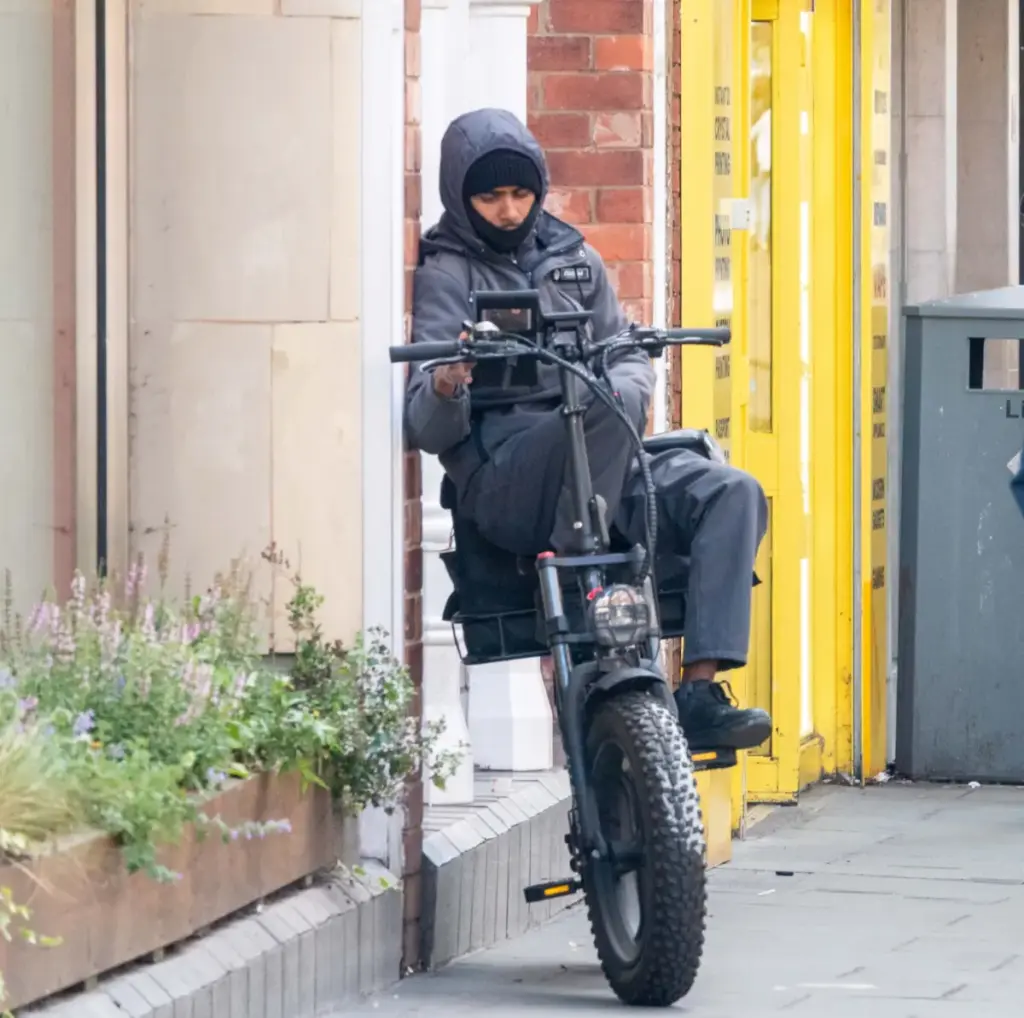
However, the dawn of this historic policy has already sparked intense public debate and cast a shadow over its practical enforceability. Mere hours after the regulations went live, masked individuals riding bicycles were spotted brazenly navigating through the city’s historic Market Square, directly challenging the new rules in plain sight. While the initiative has been met with resounding approval by local residents, business owners, and city stakeholders—backed by a staggering 90% approval rate in a public consultation involving over 2,200 respondents—the early sightings have exposed the immediate hurdles facing law enforcement.
As Nottingham pioneers this legislative experiment, authorities face a delicate balancing act: enforcing a sweeping deterrent against youth-led criminality while respecting legitimate exemptions for religious, medical, health, and occupational reasons. With penalties ranging from £70 on-the-spot fines to criminal behavior orders and potential court-administered fines of up to £1,000, the coming weeks will determine whether this East Midlands city can successfully reclaim its public spaces or if the ban will struggle against persistent defiance.
Detailed Chronology: The Road to the Ban and Day One Realities
The Build-Up: Rising Tensions in the East Midlands
The implementation of Nottingham’s face-covering regulations is not a reactionary impulse, but the culmination of a two-year escalation in local community distress. For the past 24 months, residents, retail workers, and civic leaders across Nottingham have reported feeling increasingly unsafe, citing a visible spike in groups of masked individuals—predominantly young men—patrolling public thoroughfares, shopping districts, and parks on bicycles and e-scooters.
Law enforcement data paints a stark picture of the security landscape leading up to the ban. Between June 2025 and June 2026, Nottinghamshire Police logged more than 180 distinct city-centre incidents where perpetrators deliberately used balaclavas, face masks, or similar facial concealments to frustrate identification during criminal acts. These incidents frequently ranged from petty harassment and aggressive anti-social behavior to more severe offenses, including knife crime, territorial drug-dealing operations, and targeted intimidation of local business owners.
Responding to mounting public anxiety, Nottingham City Council initiated a comprehensive public consultation regarding potential regulatory interventions. The response from the community was overwhelming. Out of more than 2,200 local citizens and business operators who participated, an unprecedented 90% voiced their support for legislative action to restrict the unprovoked wearing of balaclavas in high-traffic urban zones.
Day One: High Hopes Met with Defiant Realities
Tuesday morning marked the official rollout of the new powers. To signal a zero-tolerance approach to public disorder, Nottingham City Council deployed an enhanced contingent of Safer City Partnership workers, working in tandem with a heightened uniformed police presence throughout the town centre. The atmosphere in the morning hours was one of cautious optimism; many long-suffering residents and shopkeepers expressed relief that local authorities were finally taking concrete steps to address nuisance behavior that had plagued the city center for years.
However, the efficacy of the deterrent was put to the test almost immediately. By midday, despite the high-visibility patrols and the looming threat of financial penalties, several masked individuals were photographed riding bicycles directly through Market Square with their faces fully obscured by balaclavas.
These early infractions instantly ignited a media-fueled debate over the practicalities of the policy. Critics and observers questioned how officers can effectively police widespread non-compliance without causing major disruptions or engaging in high-speed pursuits with cyclists in crowded pedestrian zones. While the policy provides a clear legal framework, the immediate visual evidence from Day One underscored the immense challenge police face in translating written regulations into street-level compliance.
Supporting Context & Metrics: The Anatomy of a Crisis
To fully grasp why Nottingham was driven to take such unprecedented legislative action, one must analyze the statistical and social metrics underpinning the urban crisis.
The Scale of the Problem
180+ Incidents: The recorded number of city-centre offenses linked directly to the use of balaclavas and face coverings between June 2025 and June 2026.
2,200+ Respondents: The scale of public engagement during the Nottingham City Council’s consultation phase, reflecting intense grassroots demand for intervention.
90% Approval: The overwhelming majority of local participants who voted in favor of restricting facial concealments in public spaces.
£70 to £1,000: The sliding scale of financial penalties for offenders, beginning with immediate fixed-penalty notices and escalating through judicial channels for repeat or severe non-compliance.
Understanding the Legal Framework and Exemptions
A critical nuance of Nottingham’s new ordinance is that it does not constitute a blanket ban on all face coverings. Recognizing civil liberties, public health necessities, and religious freedom, the legislation is carefully tailored to target specific behaviors rather than clothing choices in isolation.
Officers and community protection personnel are legally constrained to issue a directive for removal only when they hold reasonable grounds to suspect that a face covering is being utilized to:
Conceal an individual’s identity during the commission of a crime.
Facilitate anti-social behavior or public disturbances.
Intimidate, harass, or threaten members of the public or local business employees.
Furthermore, the framework explicitly outlines comprehensive exemptions. Individuals are entirely within their legal rights to wear face coverings if doing so is justified by:
Religious observance or attire.
Health and medical necessities (such as vulnerable individuals shielding from airborne illnesses).
Work-related requirements (such as construction, sanitation, or specialized occupational safety gear).
Severe weather conditions (though council leaders have dryly noted that standard urban environments rarely mirror alpine conditions).
Official Statements: Perspectives from Civic and Police Leaders
The introduction of the ban has drawn commentary from key figures heading Nottingham’s local government and law enforcement agencies, highlighting the unified front presented by civic authorities.
Ethan Radford, Deputy Leader of Nottingham City Council:
Articulating the commonsense rationale behind the legislation, Councillor Radford pulled no punches regarding the absurdity of wearing heavy winter gear in urban settings. Emphasizing the municipal purpose of the city centre, he remarked:
"It’s the city centre. It’s not a mountain. Unless you’re taking part in high-octane adventure sports or in cold weather conditions, why on earth do you need to wear a balaclava?"
Radford’s comments reflect the council’s perspective that public spaces in the heart of the city should foster an environment of transparency, safety, and mutual accountability, where anonymity is not weaponized to instill fear in shoppers, families, and workers.
Superintendent Chris Pearson, Nottinghamshire Police City Commander:
Providing operational insights into the dangers associated with masked perpetrators, Superintendent Pearson detailed the grim reality officers face on the ground. He highlighted the direct correlation between facial concealment and violent crime:
"Sadly, young men wearing balaclavas are often linked to drug dealing and weapons. We have seen particularly nasty incidents involving weapons where people had their faces covered. That is really intimidating, isn’t it? It would scare you to the point that you don’t want to come into Nottingham city, and that cannot happen."
Pearson emphasized that the psychological barrier created by masked groups—driving ordinary citizens away from the commercial and cultural heart of Nottingham—was an economic and social threat that the police force could no longer tolerate.
Future Outlook: A Blueprint for the UK?
As Nottingham steps into uncharted legal territory, all eyes across the United Kingdom are fixed on the East Midlands city. The unfolding experiment carries massive implications for urban governance nationwide.
Already, municipal authorities in other parts of the country are monitoring Nottingham’s progress closely. Wolverhampton has previously enacted similar localized powers to combat street-level disorder, while Stafford Borough Council has officially announced plans to introduce comparable anti-balaclava measures slated to take effect this coming December.
However, the road ahead is fraught with operational challenges. For Nottingham’s ban to move from a symbolic victory to a genuinely transformative policy, Nottinghamshire Police and council officers must bridge the gap between legislation enforcement and deterrence. If persistent flouters—such as the cyclists spotted in Market Square on Tuesday—continue to operate with impunity, public confidence in the new powers risks eroding.
Conversely, if authorities can effectively leverage the £70 on-the-spot fines, immediate justice community work programs, and the threat of severe Criminal Behaviour Orders (CBOs) banning repeat offenders from the city center, Nottingham could establish a powerful new template for urban safety.
Ultimately, the success of the balaclava ban will not be measured by the laws written on paper, but by the restoration of a secure, welcoming atmosphere where residents and visitors can walk through Nottingham’s streets with their faces—and identities—unhidden by fear.