Executive Overview
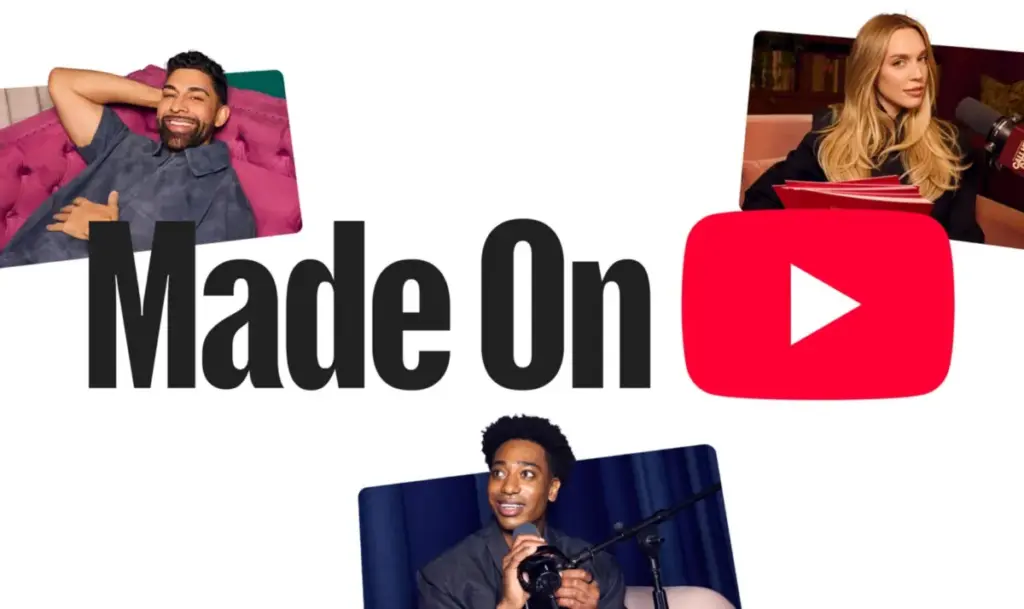
At its annual flagship Made On event in New York City on September 23, YouTube unveiled a sweeping slate of artificial intelligence-powered features, cross-format optimization systems, and interface overhauls designed to redefine how content is both produced and consumed. Headlined by CEO Neal Mohan, the presentation underscored a profound shift: YouTube Studio is no longer merely a backend dashboard for uploaders, but an end-to-end creative co-pilot assisting in production, packaging, and channel strategy.
For creators, the announcement introduced sophisticated A/B video testing, dynamic thumbnails, and an expansion of generative AI tools built on Google’s Gemini models. For viewers, the platform is rolling out deeply personalized experiences, including Custom Feeds that mirror niche streaming interfaces, expanded Ask YouTube interactive shopping assistants, and Ask Music audio curation.
Simultaneously, YouTube is aggressively positioning itself against rivals like TikTok, Netflix, and Spotify. By leaning into microdramas via Shorts Series, enhancing vertical live-streaming capabilities with Go Live Together and Live auto-dubbing, and refining its podcast ecosystem, YouTube is signaling that it will match or surpass competing platforms across every digital media format. This report provides an exhaustive, chronologically structured investigation of the announcements made at Made On 2026, the underlying metrics driving these changes, and the strategic trajectory of the world’s largest video platform.
Detailed Chronology of the Made On 2026 Announcements
The 2026 presentation followed a carefully orchestrated rollout plan, moving from creator-focused backend infrastructure to consumer-facing frontend personalization, and finally concluding with competitive format adaptations.
Phase 1: Upgrading the Creative Engine (YouTube Studio)
The event opened with a reaffirmation of YouTube’s commitment to optimizing the creator pipeline. According to a manifesto published by CEO Neal Mohan alongside the event, YouTube Studio is rapidly evolving into an active creative partner.
- Video A/B Testing: Building on title and thumbnail experimentation first introduced in 2023 and expanded through 2025, YouTube announced the impending rollout of full-video A/B testing. Creators will soon be able to pit multiple cuts or edits of the same clip against one another to identify precisely which version retains audience attention.
- Outlier Identification and Insights: Paired with newly refined Insights and Research data, these tests help isolate "outlier videos"—exceptional performers that can serve as strategic blueprints for future uploads.
- Dynamic Thumbnails: Expanding upon the dynamic ad insertion technology debuted at the previous year’s event, YouTube is introducing dynamic thumbnails. The platform will automatically rotate and test multiple preview images for a single video, maximizing click-through rates across distinct audience segments.
Phase 2: Hyper-Personalization for Viewers
Transitioning from creator tools to viewer experiences, YouTube highlighted the integration of Google’s Gemini AI models. Citing a company GenAI trends report revealing that 72% of U.S. video creators aged 14 to 44 have utilized AI as a creative aid over the past year, YouTube demonstrated how these models are being turned outward to serve the audience.
- Ask YouTube & Shopping Integration: The platform expanded its conversational search feature, Ask YouTube, allowing user queries and follow-ups to transform into interactive product recommendations seamlessly displayed across television and mobile interfaces.
- Custom Feeds: In perhaps the day’s most striking UI announcement, Mohan officially unveiled Custom Feeds. Demonstrated by video essayist Mina Le, this feature enables users to prompt bespoke landing pages into existence based on specific interests, routines, or moods. These feeds continuously update with hyper-relevant content, effectively bringing granular genre categorization to the YouTube homepage.
- Personalized Podcast and Music Lineups: Aiming to solidify its claim as the leading podcast destination in the United States, YouTube introduced tailored podcast schedules. Simultaneously, the YouTube Music app is receiving Ask Music, a direct counterpart to the Spotify DJ that curates dynamic audio sessions via natural language prompts.
Phase 3: Competitive Format Alignment
The final segment of the presentation addressed the platform’s direct competition with short-form and live-streaming giants, most notably TikTok.
- Shorts Series: Capitalizing on the explosive popularity of microdramas—which have already surpassed six billion views on the platform—YouTube is introducing Shorts Series. These sequential, short-form playlists offer structured monetization and bingeable formats similar to the serialized short-form apps popularized across Asian and Western markets.
- Vertical Live-Streaming Overhauls: Scheduled for an early 2027 rollout, YouTube announced a suite of features designed to bring parity to its Vertical Live format. Go Live Together enables seamless co-hosting, Live showdowns transform broadcasts into collaborative fundraising events, and Live auto-dubbing breaks down linguistic barriers for global audiences.
Supporting Context and Strategic Metrics
To fully appreciate the weight of the 2026 Made On announcements, one must analyze the data and strategic motivations driving YouTube’s product roadmap. The platform’s relentless pace of innovation—highlighted by Mohan’s statistic that YouTube has launched over 3,000 product updates and improvements since the start of the year—reflects an existential battle for user attention across multiple fronts.
The AI Adoption Wave
YouTube’s reliance on Google’s Gemini infrastructure is not an experimental luxury; it is a calculated response to creator demand. The staggering statistic that nearly three-quarters (72%) of mainstream U.S. video uploaders actively use AI aids proves that generative tools are now table stakes in digital media production. By baking these capabilities directly into YouTube Studio, the platform prevents creators from migrating to third-party editing and optimization suites.
The Convergence of Streaming UI Paradigms
With the introduction of Custom Feeds and Ask Music, YouTube is systematically dismantling the traditional, chronological homepage layout in favor of modular, algorithmic partitioning. For over a decade, Netflix pioneered the concept of "secret categories" and hyper-personalized rails to maximize user retention. By applying this exact philosophy to user-generated video and audio content, YouTube is attempting to solve decision fatigue, keeping users engaged within its ecosystem for longer durations.
Chasing the Microdrama and Live Commerce Economy
The pivot toward Shorts Series and advanced Vertical Live tools reflects a direct response to TikTok’s monetization models. Microdramas—fast-paced, serialized narrative content designed for vertical viewing—represent one of the fastest-growing sectors in digital entertainment. By institutionalizing this format through sequential playlists, YouTube is offering professional creators a viable path to monetize episodic content natively, rather than forcing them to seek external platforms like specialized mini-drama apps.
Official Statements and Industry Commentary
The strategic vision articulated at Made On 2026 was punctuated by remarks from key executives and prominent creators who have tested the bleeding-edge features.
"YouTube Studio is evolving into an end-to-end creative partner to help across production, packaging, and channel strategy."
— Neal Mohan, CEO of YouTube
Mohan emphasized that the sheer velocity of the platform’s updates is a direct reflection of changing cultural appetites.
"Since the start of the year, we’ve launched over 3,000 product updates and improvements, keeping up with evolving viewer tastes and increasing creator ambitions. This is what it looks like to innovate in the YouTube era."
Demonstrating the practical application of the platform’s new consumer-facing interface, creator Mina Le broke down the utility of Custom Feeds during her keynote segment:
"Custom Feeds allows you to create dedicated tabs for any interest, routine, or mood. Just prompt a new feed into existence and it appears right there on your homepage, constantly updating with hyper-relevant creators and content."
Industry analysts have noted that these statements point to a broader industry trend: the blurring lines between user-generated content (UGC) and traditional, professionally produced streaming media. By providing creators with Hollywood-grade testing suites (like full-video A/B testing) and viewers with intelligent, mood-based curation, YouTube is effectively functioning as an operating system for all video consumption.
Future Outlook: The Road to 2027 and Beyond
As the dust settles on the Made On 2026 announcements, the immediate future of YouTube hinges on execution. While features like dynamic thumbnails and initial A/B testing roll out smoothly, the more complex architectural upgrades—particularly the Vertical Live-streaming enhancements slated for early 2027—will test the platform’s global infrastructure.
Key Milestones to Watch:
- The Creator Adoption Curve of Video A/B Testing: It remains to be seen how smaller, independent creators will adapt to full-video testing compared to multi-million-subscriber studios with dedicated editing teams. If the barrier to entry remains low, it could fundamentally alter standard video pacing and editing styles platform-wide.
- Monetization and Creator Payouts for Shorts Series: As Shorts Series scales to capitalize on the microdrama boom, YouTube’s revenue-sharing mechanisms for serialized short-form content will face intense scrutiny from creators comparing payouts against rival platforms.
- The Global Impact of Live Auto-Dubbing: The promise of real-time, AI-driven auto-dubbing for live streams could trigger an unprecedented globalization of niche content creators, erasing language barriers and creating truly borderless digital fan communities.
Ultimately, YouTube’s 2026 showcase demonstrates that the platform has abandoned any pretense of remaining a passive hosting site. By aggressively adopting features from Netflix, Spotify, and TikTok while leveraging proprietary Google AI, YouTube is cementing its status as the inescapable center of the modern digital media universe.