
Executive Overview
In the modern landscape of entertainment, where physical transformations for roles routinely capture public fascination, a select group of performers appear to defy conventional limitations of age and physical recovery. Actresses and actors often achieve superhuman levels of athleticism, largely because maintaining peak physical conditioning is a core component of their professional responsibilities. With the luxury of working alongside elite, industry-leading trainers, these stars enjoy access to specialized methodologies that far exceed the scope of the average gym-goer’s routine.
Among those celebrated for her relentless dedication to fitness is Alison Brie, renowned for her critically acclaimed work in Mad Men, Community, and Masters of the Universe. In a recent, highly anticipated interview and workout feature with Women’s Health, Brie pulled back the curtain on her rigorous physical regimen, collaborating with her long-time celebrity strength and conditioning coach, Jason Walsh.
Now 43 years old, Brie has cultivated a physique defined by functional, raw strength rather than superficial aesthetics. Her routine features jaw-dropping feats of power, including weighted pull-ups performed with 45-pound plates. Central to this level of capability is an advanced training protocol championed by Walsh: isometric contrast training. This sophisticated physiological approach harnesses the nervous system to drive strength gains without inducing unwanted muscle hypertrophy.

To bridge the gap between elite celebrity training and everyday application, this report examines the mechanics of Alison Brie’s routine, breaks down the science of isometric holds with the expertise of Level 4 personal trainer and Mirafit ambassador Mark Harris, and provides an actionable, 15-minute home workout designed to replicate Hollywood-grade results.
Detailed Chronology: Alison Brie’s 15-Year Strength Odyssey
The perception of celebrity fitness as an overnight transformation is a persistent myth; true athletic capability is forged through years of consistent, progressive overload. For Alison Brie, the journey into serious strength training began a decade and a half ago, catalyzed by a pivotal training partnership with fellow actress Emily Blunt.
Before this collaboration, Brie’s exercise habits aligned with standard, mainstream fitness trends centered largely on cardio and light toning. However, working out alongside Blunt introduced Brie to the transformative power of resistance training—specifically, lifting heavy weights to build structural resilience and metabolic health. This foundational shift altered her approach to physical wellness, establishing a baseline of strength that would serve her well in subsequent years.
The true catalyst for Brie’s evolution into a high-level strength athlete, however, arrived with her casting in the hit Netflix series GLOW (Gorgeous Ladies of Wrestling), which premiered in 2017. Portraying a 1980s professional wrestler demanded a level of physical capability, agility, and muscular endurance that standard gym routines could not provide. Under the guidance of Jason Walsh—founder of Rise Movement in West Hollywood and a pioneer in functional training for actors—Brie underwent a complete athletic overhaul.
During the grueling preparation for GLOW, Brie transitioned from basic weight training to advanced compound movements, Olympic lifts, and high-intensity conditioning. She mastered movements that many professional athletes find challenging, developing a powerhouse posterior chain, an unbreakable core, and upper-body strength that allowed her to execute weighted pull-ups with a 45-pound plate strapped to her waist.
Fifteen years after her initial introduction to iron, Brie’s training philosophy remains anchored in performance. As demonstrated in her recent feature with Women’s Health, she continues to push boundaries at age 43, proving that longevity in fitness relies on intelligent programming, nervous system optimization, and a willingness to embrace demanding training modalities.
Supporting Context & Metrics: The Mechanics of Isometric Contrast Training
To understand how Alison Brie continues to shatter strength plateaus, one must examine the specific techniques utilized by Jason Walsh. In their recent video breakdown, Walsh highlighted a clever, highly efficient method designed to maximize the efficacy of every working set: isometric contrast training.
The Science of Isometric Pre-Fatigue and Nervous System Recruitment
Isometric exercises involve the contraction of a muscle group against an immovable load or fixed resistance, where the muscle fibers generate tension without changing length and the joints do not move. Walsh pairs these static holds immediately with dynamic, full-range repetitions of the exact same movement pattern.
As Walsh explains, this technique "recruits the nervous system at such a high rate that you can get really strong without getting bigger."
To understand this phenomenon physiologically, we must look at how the central nervous system (CNS) coordinates muscular force. When a muscle is subjected to a maximal isometric hold, motor unit recruitment spikes. Motor units are groups of muscle fibers activated by a single motor neuron. By forcing the CNS to fire these motor units at maximum capacity against a fixed barrier—such as pushing against a locked barbell in a Zercher squat position—the nervous system experiences a state of post-activation potentiation (PAP).
When the isometric barrier is removed and the athlete transitions directly into dynamic repetitions (the Zercher squat, for example), the nervous system remains in this heightened state of readiness. The result is an increased ability to recruit high-threshold motor units during the dynamic phase, allowing the lifter to handle heavier loads or move lighter loads with explosive power, all without the microtrauma and cellular swelling typically associated with high-volume bodybuilding hypertrophic protocols.
Expert Insights: Mark Harris on the Power of Isometric Holds
To help fitness enthusiasts translate elite celebrity methodologies into accessible, real-world routines, fitness expert Mark Harris—a Level 4 personal trainer, advanced strength and conditioning coach, and brand ambassador for leading fitness equipment provider Mirafit—shares his professional breakdown of the technique and its systemic benefits.
Why Isometric Holds Outperform Traditional Reps for Joint Health
"Isometric holds involve contracting your muscles forcefully without actually moving the joint," Harris explains. "The primary benefit is a massive increase in time under tension [TUT] without creating friction or wear and tear on the joints."
In traditional weight training, joint wear occurs primarily during the eccentric (lowering) and concentric (lifting) phases, particularly under heavy loads or when form breaks down due to fatigue. Isometric holds bypass this limitation. By stopping at the most mechanically disadvantageous point of a lift, the muscles are forced to absorb immense mechanical tension entirely through isometric contraction, sparing the connective tissues from excessive abrasive friction.
Overcoming Plateaus and Optimizing Posture
According to Harris, static holds are among the most effective tools available for breaking through strength plateaus. "Isometrics are incredible for building structural stability and overcoming strength plateaus, as you can specifically target and strengthen the exact angle of a movement where you usually struggle."
Every compound lift—whether a squat, bench press, or row—features a "sticking point," which is the anatomical angle where leverage is poorest and muscular force output drops. By holding an isometric contraction precisely at that sticking point, an athlete builds localized strength and neurological confidence in that vulnerable zone.
Furthermore, Harris emphasizes the postural benefits of this training style. "Holding the most difficult part of a lift—like the bottom of a squat or the bottom of a push-up—forces you to brace your core and find your true balance point. This perfectly primes your posture for the functional reps that follow."
Official Guidelines: A 15-Minute Isometric Hold Contrast Workout
Designed under the expert curation of Mark Harris for Mirafit, this 15-minute home workout utilizes the isometric contrast method popularized by Alison Brie and Jason Walsh.
Protocol Instructions
- Structure: Perform the isometric hold first, then immediately complete the functional repetitions.
- Transitions: Move to the next exercise within the superset with minimal rest.
- Rest Periods: Once you complete both parts of a superset (e.g., 1A and 1B), rest for 60 to 90 seconds.
- Volume: Complete four total rounds of the entire circuit.
Superset 1: Lower Body Dominance (Quads & Core)
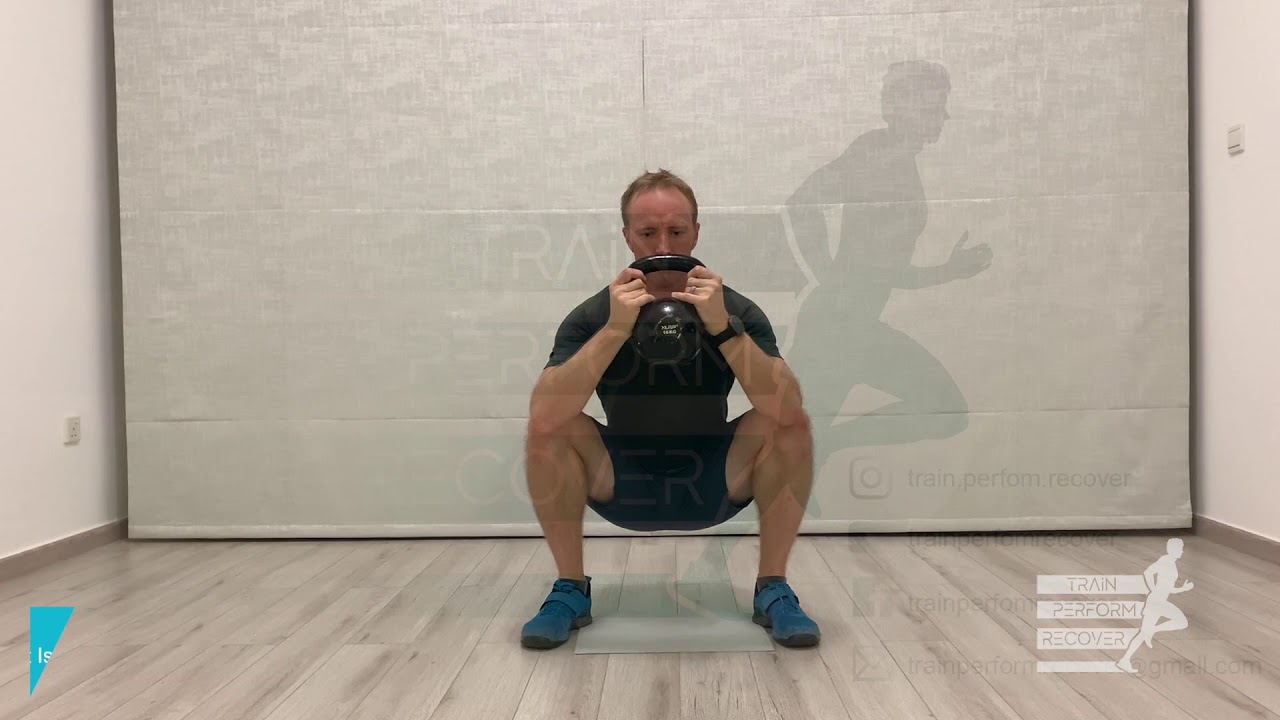
1A. Goblet Squat Isometric Hold
- Equipment: Kettlebell or Dumbbell
- Time: 30 seconds
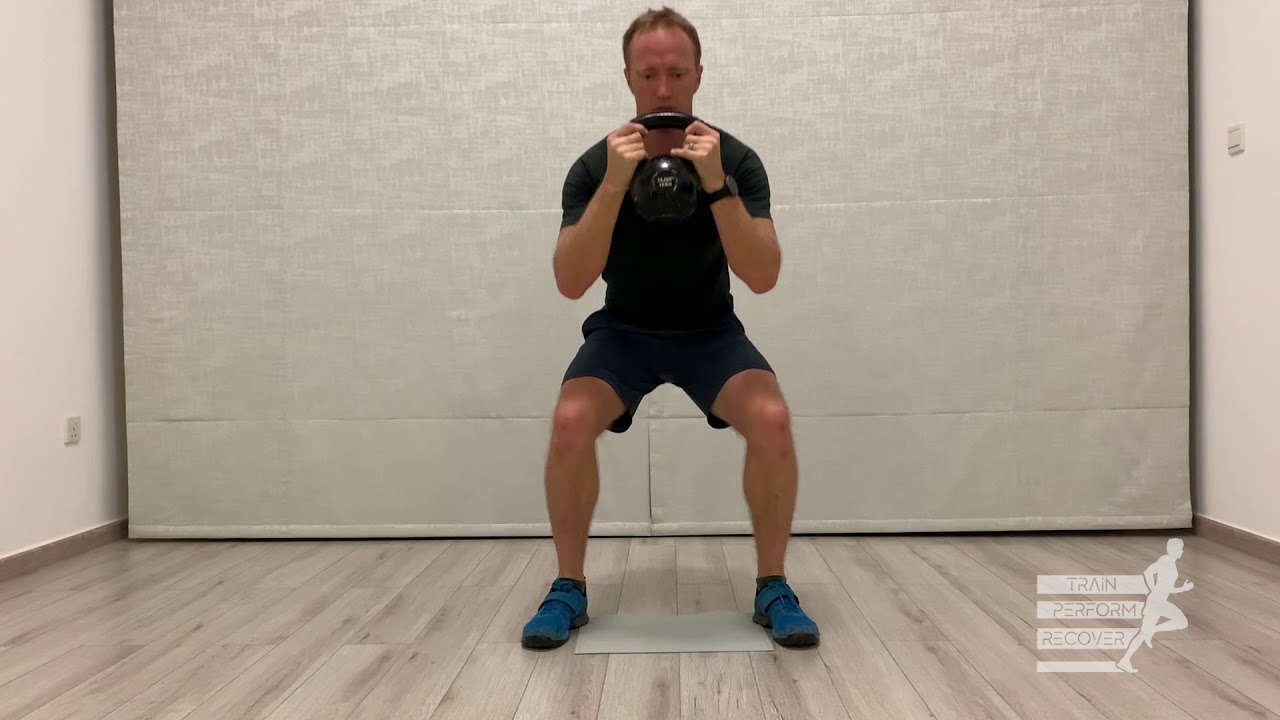
- Execution: Hold a kettlebell at chest height with elbows tucked down. Squat down until your thighs are parallel to the floor (or slightly below). Hold this bottom position statically, keeping your chest proud, core braced, and heels firmly planted on the ground. Breathe steadily through the tension.
1B. Goblet Squat
- Equipment: Kettlebell or Dumbbell
- Reps: 10 repetitions
- Execution: Immediately upon finishing the 30-second hold, drive through your midfoot to stand tall, squeezing your glutes at the top. Perform 10 controlled, full-range goblet squats, maintaining the postural integrity established during the hold.
Superset 2: Upper Body Press (Chest, Shoulders & Triceps)
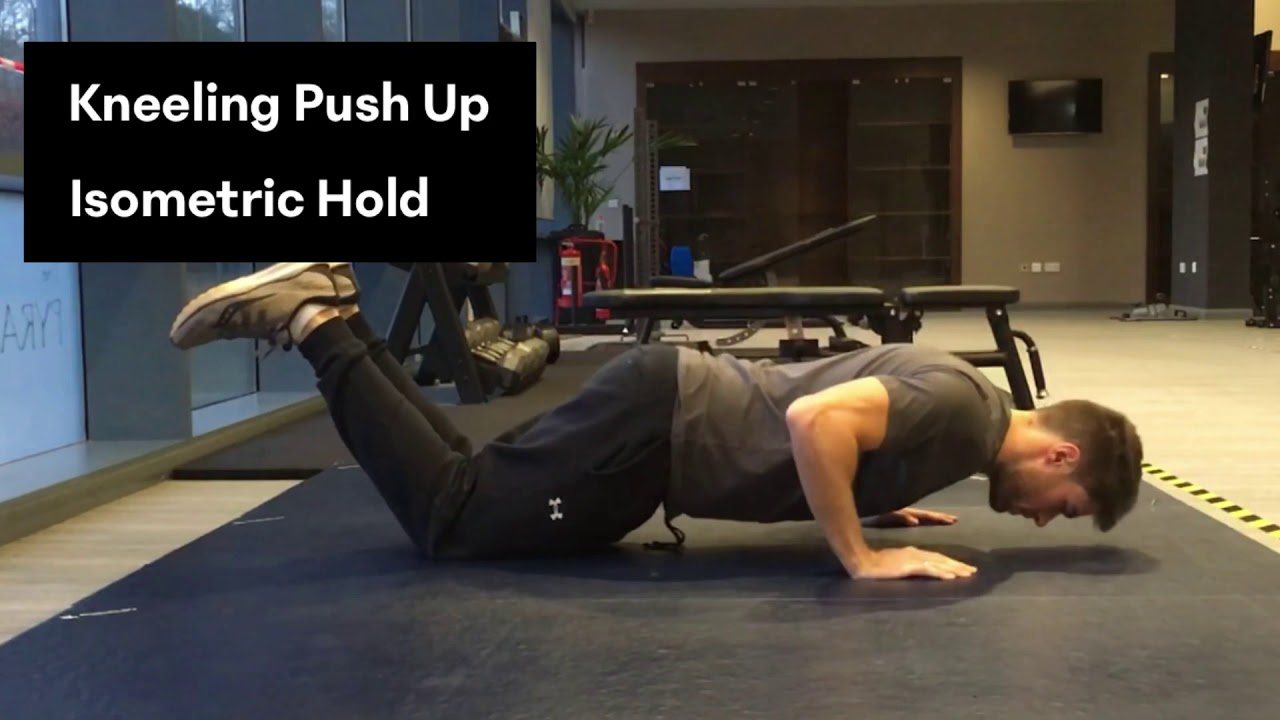
2A. Push-Up Isometric Hold
- Equipment: Bodyweight (Kneeling or standard plank position)
- Time: 10 seconds
- Execution: Lower your torso until your chest is hovering just a few inches above the floor (the bottom of a push-up). Hold this position statically, squeezing your chest, triceps, and glutes while actively pushing the floor away to prevent sagging.
2B. Standard Push-Up
- Equipment: Bodyweight
- Reps: 10 repetitions
- Execution: Immediately press upward from the bottom hold position until your arms are fully extended. Perform 10 smooth, uninterrupted push-ups focusing on a rigid core and a full range of motion.
Superset 3: Upper Body Pull (Back & Biceps)
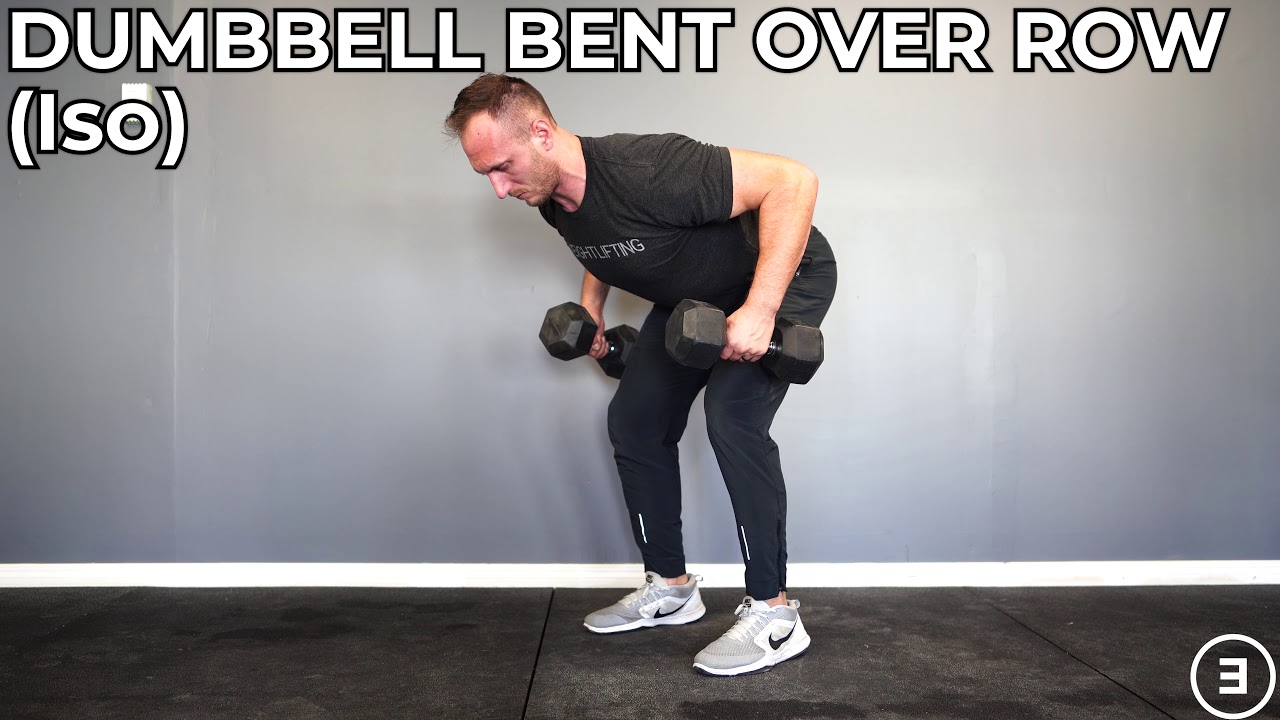
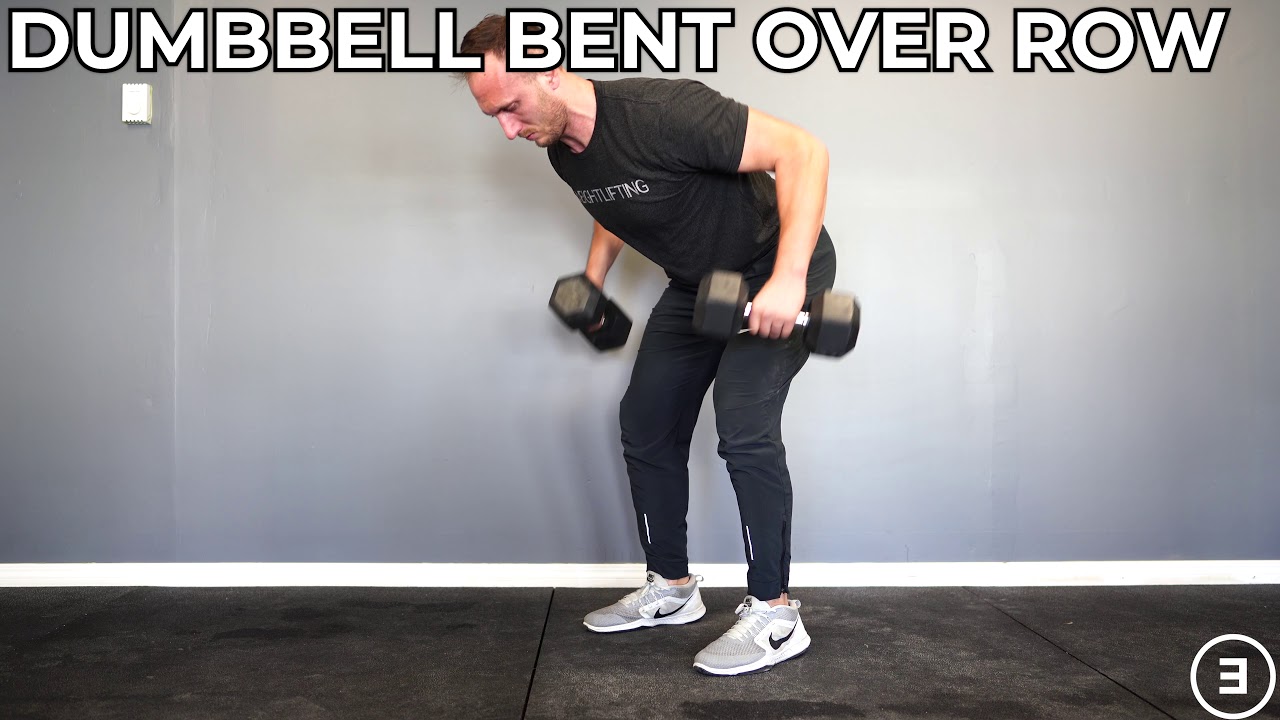
3A. Bent-Over Row Isometric Hold
- Equipment: Dumbbells or a Barbell
- Time: 15 seconds
- Execution: Hinge at the hips with a flat back, pulling the weights up to your lower ribcage. Hold the weights statically at the absolute peak contraction point, pinching your shoulder blades together as hard as possible.
3B. Bent-Over Row
- Equipment: Dumbbells or a Barbell
- Reps: 10 repetitions
- Execution: After the 15-second hold, lower the weights with control to a full hang, then immediately perform 10 dynamic, powerful rows, driving your elbows back past your torso.
Superset 4: Posterior Chain (Glutes & Hamstrings)
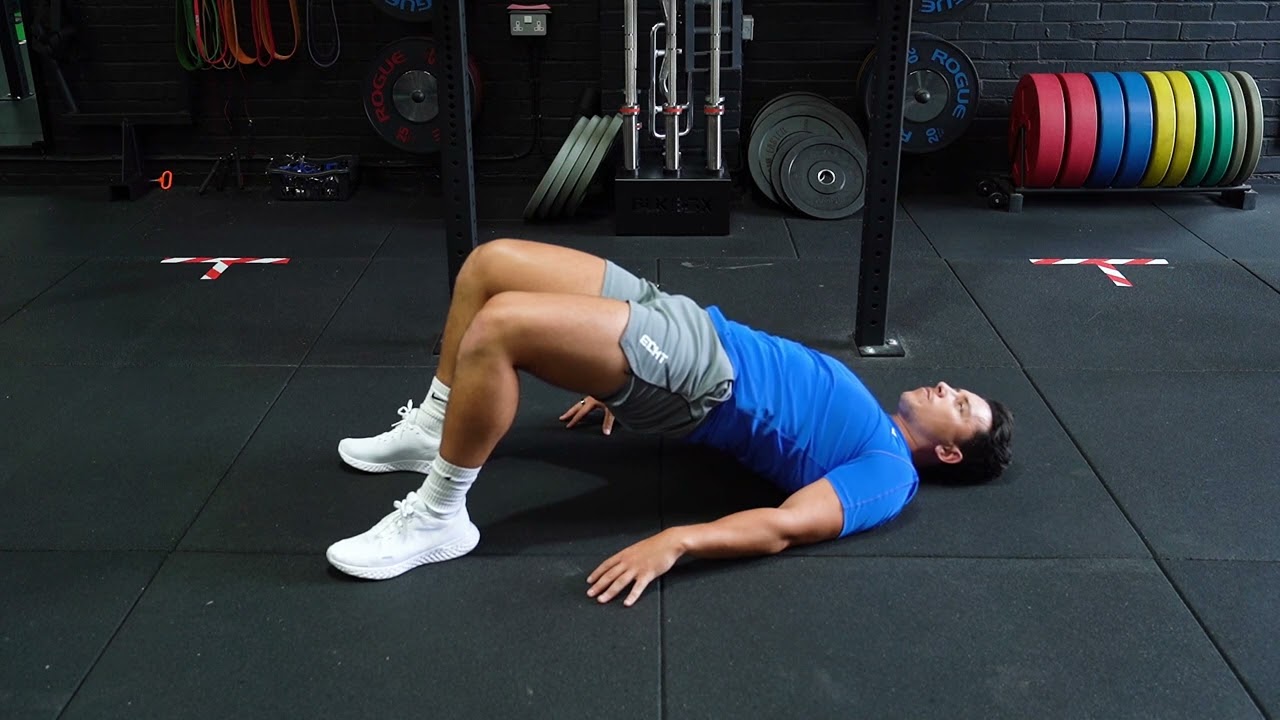
4A. Glute Bridge Isometric Hold
- Equipment: Bodyweight (Optional resistance band or barbell across hips)
- Time: 15 seconds
- Execution: Lie on your back with knees bent and feet flat on the floor. Lift your hips toward the ceiling to create a straight line from knees to shoulders. At the peak of the bridge, squeeze your glutes maximally and hold the static position without letting your hips drop.
4B. Glute Bridge
- Equipment: Bodyweight or Loaded
- Reps: 15 repetitions
- Execution: Lower your hips gently toward the floor (without fully resting) and immediately drive back up into 15 high-tempo, high-contraction dynamic glute bridges.
Future Outlook
The physical transformation and ongoing fitness journey of Alison Brie underscore a broader paradigm shift in celebrity and public wellness culture. The era of extreme, unsustainable calorie restriction and mindless cardio is steadily being replaced by a sophisticated appreciation for functional strength, neuromuscular efficiency, and joint-friendly longevity protocols.
As trainers like Jason Walsh continue to push the boundaries of sports science within Hollywood, and fitness educators like Mark Harris democratize these techniques for everyday practitioners, the fitness landscape evolves. Isometric contrast training represents a bridge between high-performance athletics and accessible home fitness. By intelligently manipulating time under tension and firing the central nervous system prior to dynamic movement, individuals of all training ages can unlock unprecedented gains in strength, stability, and physical resilience.
For Alison Brie, this meticulous approach to physical conditioning has yielded a career marked by dynamic, physically demanding roles and sustained wellness at age 43. For the broader fitness community, her routine serves as both inspiration and blueprint—proving that with the right programming, true strength is an achievable, lifelong pursuit.