Executive Overview
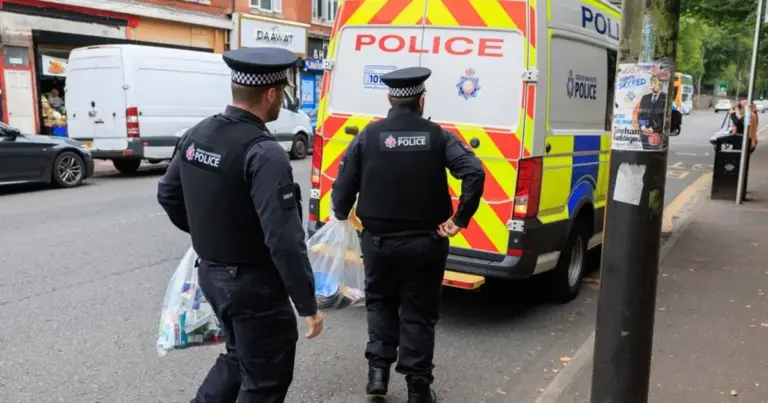
In the stark, early-morning light of a peaceful Hampshire village in 2024, residents woke to a scene straight out of a psychological thriller. A massive, grotesque mound of butchered animals had been dumped directly outside a local school. As children prepared to arrive for their classes, fresh blood oozed across the pavement, staining the village streets. The macabre pile comprised approximately 20 carcasses—rabbits, hares, pheasants, a fox, and a muntjac deer with its head cleanly severed.
For the local community, the immediate reaction was profound shock and bewilderment. But beneath the profound horror lay a terrifying, unanswered question: Why?
This chilling incident serves as the gateway into Buried: Dead Rabbit, a harrowing 10-part investigative podcast by the award-winning husband-and-wife journalist team Dan Ashby and Lucy Taylor. Teaming up with renowned wildlife presenter and animal rights activist Chris Packham, Ashby and Taylor plunge deep into the shadowy, violent world of illegal bloodsports in modern Britain. What they uncover is not merely isolated acts of rural vandalism, but the chilling footprint of sophisticated organized crime networks. These syndicates operate with impunity across the British countryside, engaging in lucrative international gambling rings, executing Mafia-style intimidation campaigns against rural communities, and treating the natural world as a commercial commodity backed by extreme violence.
Detailed Chronology of an Escalating Rural Crisis
The Anatomy of Intimidation
The Hampshire school incident was not an isolated aberration; it was a calculated act of psychological warfare. As Ashby and Taylor expanded their investigation, they unearthed a sickening pattern of mutilated wildlife left in public view to terrorize rural populations. In one instance, lambs were found strung up in public spaces with their throats cut. In another, a staggering 50 dead animals were piled on the doorstep of a local farm shop, their blood smeared deliberately across the windows.
While initial whispers in rattled communities occasionally turned to potential satanic activity, the investigative journalists quickly realized the true, more terrestrial driving force: brutal, calculated intimidation. These were explicit threats orchestrated by illegal hare coursing factions designed to instill absolute fear in the communities where they operated, ensuring that locals, farmers, and witnesses remained silent.
The Rise of the Mega-Championships and Global Wagering
Hare coursing—the practice of using dogs to hunt, chase, and kill hares—has been strictly banned in the United Kingdom since the introduction of the Hunting Act 2005. Yet, far from fading into obscurity, the banned bloodsport has mutated into a high-stakes, highly organized underground industry.
During their investigation, Ashby and Taylor discovered that illegal hare coursing championships are not merely informal gatherings of rural poachers, but heavily structured commercial operations. Top-performing dogs, prized for their ability to slaughter game with maximum efficiency, command staggering prices of up to £50,000 on the black market.
Most shocking, however, was the discovery of elite, clandestine competitions. Among them is the "Super 8 cup"—a mega-tournament complete with its own ornate, highly crafted trophy featuring intricately carved dogs.
"We thought it was a load of rubbish," Ashby recalls, reflecting on the moment they first heard rumors of the cup. "I thought the criminals were hyping it up, so I couldn’t believe it when I saw it. It was this massive cup with these beautiful ornate dogs carved on it. It just struck me that, wow, this is a very organized competition in the underworld."
For Lucy Taylor, the trophy is an emblem of utter brazenness. "It’s an emblem of the audacity of all of this," she notes. "This isn’t something that’s hidden away in street corners. They’re out there and they’re proud—they don’t care."
This brazen attitude feeds a lucrative global betting market. Investigators uncovered evidence that high-rollers from as far away as China and the United States are logging onto the dark web to place substantial financial wagers on UK-based hare coursing events in real time.
Tactics of the Modern Rural Gangs
The operational methods of these modern hare coursing syndicates bear little resemblance to the traditional, romanticized view of rural poaching. Today’s perpetrators operate as militarized cells.
Convoys of four-by-four vehicles, driven by men wearing balaclavas, routinely target isolated farms. They breach gates, tear across vulnerable crops, and brazenly seize control of private land. When challenged by landowners, the response is swift, calculated, and catastrophic.
The human toll detailed in the podcast is devastating. Farmers and rural residents who have attempted to defend their property have endured horrific retaliations:
- Victims beaten into comas, suffering broken legs and collapsed lungs.
- Graphic and explicit rape threats delivered to families.
- Bricks hurled through residential windows, alongside explicit threats directed at young children.
- Family pets and working dogs kidnapped, tortured, and skinned alive.
The relentless nature of these attacks has pushed some vulnerable farmers to the brink of suicide. "They flagrantly don’t care," Chris Packham states bluntly regarding the hunters. "They’ve crossed that line where there is absolutely no regard for the law."

Supporting Context & Metrics: The Scale of the Epidemic
Statistical Overview of Rural Violence
To understand the true magnitude of the crisis, one must look at the empirical data gathered by rural advocacy groups and law enforcement agencies over recent years:
- Over 8,500 Incidents: More than 8,500 distinct incidents of illegal hare coursing have been formally reported to UK police forces over the past three years alone.
- Geographic Spread: The blight is no longer confined to traditional rural strongholds; damage to land, property, and local businesses has been documented across an expanding corridor stretching from Essex to North Yorkshire.
- Demographic Shift: Investigators note a dangerous evolution in the demographic profile of the perpetrators. Younger individuals from diverse backgrounds are increasingly entering the fold, utilizing social media to "flex" their illegal exploits, blending traditional wildlife crime with modern influencer-style criminality.
The Convergence with Serious Organized Crime
For decades, public perception and law enforcement resource allocation have treated organized crime as a distinctly urban phenomenon—associated with drug trafficking, county lines, and city-center gang violence. Buried: Dead Rabbit shatters this urban-centric illusion.
"Organized crime is perceived as a very urban thing," observes Chris Packham. "This is a revelation that it’s taking place in the countryside."
The convergence of rural terrain, high-value black-market betting, international digital infrastructure, and extreme physical violence means that hare coursing has evolved into a vital revenue and prestige stream for sophisticated criminal syndicates. The vast, open, and poorly policed geography of the British countryside provides an ideal operating theater for criminal enterprise away from the prying eyes of urban CCTV networks.
Official Statements and Insider Revelations
Chris Packham on Fear, Justice, and Injustice
Chris Packham is no stranger to the venomous hostility of wildlife criminals. As a prominent television presenter, author, and unyielding voice for animal welfare, he has spent years in the crosshairs of those who profit from the exploitation of nature. His personal property has repeatedly been targeted; in 2021, an arsonist set fire to his car directly outside his home.
When asked whether he harbors personal fears regarding his safety while collaborating on Buried: Dead Rabbit, Packham’s response is characteristically defiant.
"Do I fear reprisals?" he ponders. "Well, they car-bombed my house—there’s not much more they can do. I’m always aggravated by injustice and if the truth needs to be told, then I need to be a conduit for that truth. I can’t entertain wilful blindness."
Packham even finds a grim irony in the investigative process, joking during a tense stakeholder stakeout: "I love the thrill of the chase. I should have been a hunter… Hunting nefarious humans."
Reflecting on the wider societal implications after premiering the podcast’s first episode at Sheffield DocFest inside the Crucible Theatre, Packham admits that the sheer scale of the underworld network took him by surprise. "I knew it was taking place, but I wasn’t aware of the scale of it before this," he admits, describing the findings as "insidious and macabre… sickening."
The Shadow Within: Institutional Corruption Concerns
Perhaps the most explosive revelation emerging from the investigation touches upon the very institutions tasked with upholding the law. Because rural police forces are often thinly stretched, under-resourced, and slow to respond to distress calls from isolated farms, victims have long felt abandoned. However, the rot may run deeper than mere institutional neglect.
Dan Ashby reveals a chilling conversation with a Police and Crime Commissioner who voiced fears that criminal infiltration has reached internal ranks.
"One police and crime commissioner told us that he fears they’re now inside the police," Ashby discloses. "And that he’s noticed that a lot of their big operations against them seem to mysteriously never quite work. He said he thinks that the police should be looking much closer at the inside. It’s Line of Duty-esque."
Future Outlook: A Societal Reckoning with the Natural World
As Buried: Dead Rabbit reaches audiences across the UK and beyond, its creators hope it will catalyze a much broader national conversation. For Dan Ashby, the podcast transcends the specific cruelty of hare coursing, serving instead as a glaring mirror reflecting society’s broader moral compass and relationship with the natural environment.
"It’s the story of the growth of organized crime in the UK and our relationship with nature," Ashby reflects. "We have a sense of British exceptionalism that something like the ivory trade is terrible and would never happen on these shores. But these are wide open spaces where there’s commercialization of nature for a horrible means, which is ignored by society. It’s our job to remind people that these are incredibly urgent issues."
The investigation paints a sobering picture of a nation where wide-open countryside acts as a lawless frontier, shielded from public scrutiny by intimidation, institutional vulnerability, and societal apathy. By dragging this macabre underworld into the glaring light of public awareness, Ashby, Taylor, and Packham have issued an urgent wake-up call. Whether the state, law enforcement, and the public at large possess the collective resolve to dismantle these entrenched rural mafias remains the critical question of our time.