Executive Overview
In the cyclical theater of fashion, where trends are constantly exhumed, recontextualized, and repackaged for modern consumption, few items possess the polarizing nostalgic punch of the early-2000s hair accessory. As the fashion industry transitions its focus toward the cooler months, a surprising yet undeniably practical hero has emerged from the archives of Y2K nostalgia to claim prime real estate on runways, social media feeds, and everyday wardrobes alike.
Enter the zigzag headband—frequently referred to colloquially as the "teeth" headband or comb headband. Once relegated to the plastic-laden drugstore aisles of the early aughts and the hasty morning routines of middle-schoolers, this humble piece of molded plastic has undergone a profound high-fashion rehabilitation. Today, it stands as the definitive hair accessory of the season.
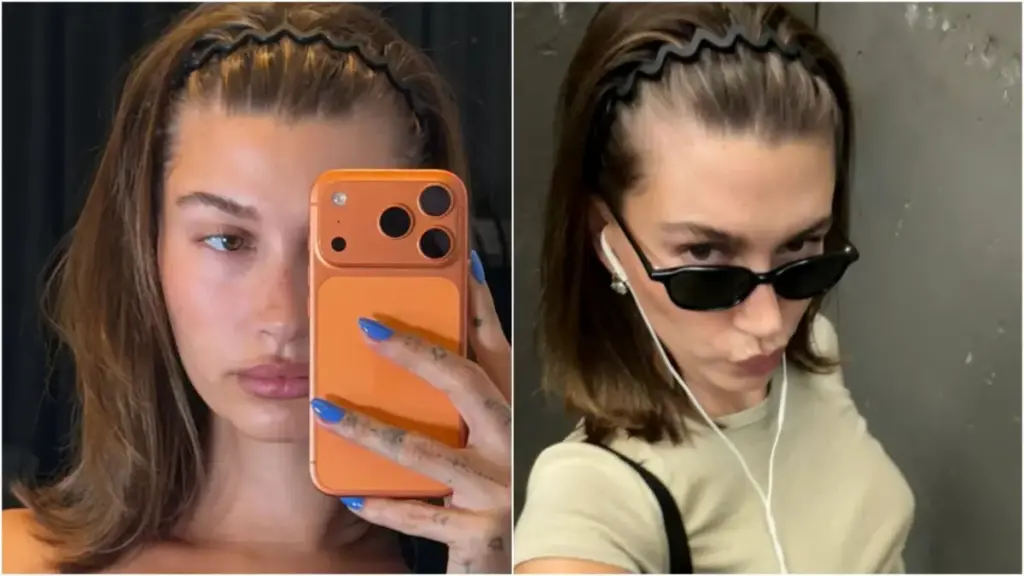
The resurgence is not merely a grassroots internet phenomenon; it is a coordinated industry-wide endorsement. Backed by the immense cultural capital of trend-setter Hailey Bieber—whose Instagram presence commands an audience of over 58 million followers—and solidified by high-concept runway placements from luxury houses like Miu Miu, the zigzag headband has completed its journey from low-brow throwback to high-fashion staple.
This comprehensive report examines the structural anatomy of the zigzag headband renaissance, tracking its historical trajectory from silver screen cameos and television pop-culture milestones to the runways of Paris. Furthermore, we explore why this particular accessory resonates so deeply with the contemporary consumer, analyzing its unique functional benefits, cultural drivers, and economic implications for the accessories market as it dominates the fashion landscape.
Detailed Chronology: From Aughts Staple to Modern Runway Essential
To understand the current dominance of the zigzag headband, one must retrace its cultural footprints across the past two decades. The accessory’s history is a fascinating study in pop-culture osmosis, moving steadily from casual British cinema to gritty teen television, and finally, into the rarefied air of haute couture.
The Millennial Blueprint: Early Cinematic and Pop-Cultural Roots
During the early 2000s, the zigzag headband was a ubiquitous, democratic item. It was cheap, accessible, and remarkably effective at keeping stray strands out of adolescent faces. However, its transition into the visual lexicon of popular culture began on-screen.
One of the earliest and most enduring cultural touchstones for the accessory occurred in Gurinder Chadha’s 2002 sleeper hit Bend It Like Beckham. In the film, a breakout Keira Knightley famously sports a flexible plastic zigzag headband to anchor her short, curtain-cropped fringe while navigating the trials of youth, football, and British-Indian family dynamics. The look captured an effortless, tomboyish cool that foreshadowed the athletic-meets-casual styling of modern streetwear.
As the decade progressed, the headband became a staple of off-duty model dressing and teen television, though it was frequently overshadowed by oversized bows, jeweled tiaras, and padded velvet headbands. For years, the zigzag variant lingered in a state of stylistic dormancy, viewed largely as a relic of a bygone era characterized by low-rise denim and studded belts.
The Television Revival: Euphoria and the Y2K Re-Evaluation
The first major tremor of the modern revival can be traced back to the television landscape of the early 2020s, specifically HBO’s cultural phenomenon Euphoria. Costume designer Heidi Bivens masterfully tapped into Gen Z’s insatiable appetite for late-90s and early-2000s aesthetics, resurrecting forgotten trends and introducing them to a new generation of style enthusiasts.
In Season 2 of the series, the character Maddy Perez—portrayed with iconic bravado by Alexa Demie—caused an immediate digital sensation by incorporating a zigzag headband into a high-drama evening look. Pairing the stark, geometric lines of the plastic comb headband with a sleek, minimalist black evening gown, the show subverted expectations. The styling proved that a utilitarian drugstore item could look sharp, dangerous, and undeniably high-fashion when contrasted with evening wear. This pivotal moment opened the floodgates, paving the way for fashion-forward tastemakers to experiment with the look in their day-to-day lives.

The Supermodel Seal of Approval: Bella Hadid and Hailey Bieber
Following its television resurgence, the zigzag headband quickly found its way into the rotation of contemporary street-style royalty. Supermodel Bella Hadid—widely recognized as a master of vintage curation and off-duty styling—began incorporating the accessory into her daily looks, pairing them with everything from oversized leather blazers to sporty tracksuits.
However, it is Hailey Bieber’s recent, multi-platform endorsement that has truly cemented the accessory’s 2026 comeback. Known for her ability to turn minimalist styling and everyday habits into viral aesthetic blueprints, Bieber has integrated the zigzag headband into every facet of her routine. From documenting her meticulous skincare regimens and intense workout sessions to seaside getaways and casual office-ready ensembles, Bieber has demonstrated the sheer versatility of the piece. By wearing it across contrasting contexts—sweaty gym sessions, luxury photo shoots, and relaxed domestic settings—she effectively messaged to her 58 million followers that the zigzag headband is not a costume piece, but a functional lifestyle essential.
The Haute Couture Crescendo: Miu Miu’s Fall-Winter 2026 Campaign
The definitive punctuation mark on the zigzag headband’s revival arrived during the Fall-Winter 2026/2027 fashion month. Luxury powerhouse Miu Miu—a brand that has systematically dictated contemporary youth-adjacent luxury trends under the creative direction of Miuccia Prada—chose the zigzag headband as a central styling element for its ready-to-wear collection.
In a campaign that immediately dominated fashion media and editorial spreads, Hailey Bieber herself was photographed posing in the brand’s iteration of the accessory. Shortly thereafter, during the physical runway presentation in Paris, style icon Chloë Sevigny walked the catwalk proudly sporting the jagged plastic crown. The inclusion of the zigzag headband in a major Parisian runway show marked its official graduation from internet micro-trend to validated luxury investment piece, bridging the gap between accessible nostalgia and high-end curation.
Supporting Context & Metrics: Form, Function, and the Psychology of Ease
While the aesthetic appeal of the zigzag headband is tied heavily to nostalgic longing, its current market dominance is sustained by undeniable functional superiority. In an era where personal style is increasingly valued through the lens of effortless execution, the zigzag headband offers a masterclass in practical design.
The Mechanics of the Comb Headband
Unlike traditional fabric headbands that rely on gentle pressure or elastic tension to hold hair back—often resulting in the dreaded "hair headache" or the gradual unraveling of styles throughout the day—the zigzag headband operates on a mechanical principle.
Featuring interlocking, comb-like teeth that wrap around the circumference of the head, the accessory physically weaves through the hair strands. This creates a secure, immovable anchor that prevents slipping, regardless of hair texture, length, or activity level. Whether facing the humidity of a beach vacation, the rigor of a high-intensity workout, or the long hours of an office workday, the wearer is guaranteed structural integrity for their hairstyle.
A Modern Time-Saver for the Post-Pandemic Consumer
Consumer behavior analysts note a distinct shift in beauty routines following the structural changes of the early 2020s. Today’s consumers prioritize low-maintenance styling solutions that yield high-impact visual results.
The zigzag headband serves as an ultimate "bad hair day" panacea. It requires no complex sectioning, no specialized tools, and no professional styling expertise. By simply pushing the band back from the hairline, the wearer instantly creates an architectural, crown-like effect that frames the face with clean, geometric lines. It generates an irresistible sense of movement and texture without requiring the user to spend precious morning minutes styling individual strands of hair.
Furthermore, its cross-demographic adaptability is a major selling point. The accessory performs with equal visual authority on long, cascading mermaid locks, blunt bobs, and short curtain crops, making it one of the most inclusive and versatile hair tools on the market.

Market Impact and E-Commerce Surge
The ripple effects of runway placements and celebrity endorsements have translated into immediate commercial momentum. Retail analysts tracking accessories categories note a sharp upward trajectory in search queries and inventory turnover for plastic and recycled-material zigzag headbands.
Accessible brands and eco-conscious accessory labels—such as Kitsch, which offers popular recycled-material two-packs priced around $10, and bulk-pack alternative brands like Elloph—have reported significant surges in online sales. This dynamic highlights a fascinating democratization of fashion: while a consumer can invest in luxury-branded variations tied to high-fashion houses, they can simultaneously achieve the exact same trend-forward look via accessible e-commerce platforms for under fifteen dollars. This low barrier to entry has accelerated the adoption rate among younger consumers, turning a runway concept into an overnight mass-market reality.
Official Statements and Industry Perspectives
The rapid ascent of the zigzag headband has prompted commentary from prominent fashion historians, beauty editors, and brand representatives who view the trend as a reflection of our collective cultural psyche.
Fashion psychologists point out that periods of economic or social uncertainty frequently trigger a retreat into familiar, comforting aesthetic eras. The early 2000s—associated with a pre-smartphone innocence and booming pop culture—serve as a psychological comfort zone for Millennials and Gen Z alike.
"The return of the zigzag headband is emblematic of fashion’s current obsession with playful practicality," notes one leading trend forecaster. "We have moved past the era of punishing, overly curated beauty standards. Today’s consumer wants accessories that are humorous, unpretentious, and highly functional. The zigzag headband checks every single one of those boxes—it nods to childhood nostalgia while solving a very modern problem of time management and hair fatigue."
Beauty editors have similarly lauded the accessory for its gender-neutral potential and adaptability. By stepping out of the rigid confines of traditional millinery, the zigzag headband invites experimentation. It allows wearers to toy with irony and high-low dressing, juxtaposing a utilitarian plastic drugstore staple with tailored designer suits, silk evening wear, and high-end streetwear.
Future Outlook: Will the Trend Have Staying Power?
As the fashion calendar looks ahead, industry insiders are left evaluating whether the zigzag headband is a fleeting flash-in-the-pan micro-trend destined for burnout, or a permanent fixture in the modern accessory canon.
Signs point toward sustained relevance, largely due to the product’s fundamental utility. Unlike delicate decorative hairpins or ephemeral seasonal colors, the zigzag headband solves a permanent problem: hair management. As long as consumers lead busy, multi-faceted lives that require seamless transitions from the gym to the boardroom and the beach to the evening gala, tools that offer guaranteed hold with zero effort will retain their value.
Moreover, sustainability and material innovation are expected to shape the next phase of the trend. Forward-thinking accessory brands are already moving away from virgin plastics, introducing biodegradable acetates, recycled plastics, and plant-based polymers to satisfy an increasingly eco-conscious consumer base. By upgrading the raw materials while maintaining the iconic silhouette, brands can future-proof the accessory against environmental criticisms.
Ultimately, the zigzag headband’s triumphant return serves as a reminder that great design often lies in the most unexpected places. What started as a cheap, plastic convenience item in the year 2000 has proven its resilience, ascending the ladder from schoolyard staple to Parisian runway crown jewel. For the upcoming season and beyond, this geometric marvel is not just surviving—it is leading the pack.