Executive Overview
Few silhouettes in the long, cyclical history of footwear possess the quiet tenacity and cultural staying power of the ballet flat. Long past its categorization as a fleeting trend, the low-profile slipper has cemented its status as an indispensable pillar of modern wardrobes. Yet, the current renaissance of the ballet flat—fueled largely by a hyper-engaged digital generation—extends far beyond standard retail cycles. Today, the fascination with the flat is a hyper-personalized, deeply documented internet phenomenon.
What began in mid-century cinema has evolved into a decentralized, peer-to-peer style economy. On platforms like TikTok and Instagram, creators ranging from dedicated fashion insiders to lifestyle vloggers have transformed the humble shoe into a cornerstone of digital discourse. They do not merely style the shoes; they dissect them with clinical precision. Videos detailing foot arches, urban walkability metrics, resale hunting strategies, and cost-per-wear breakdowns now dominate social media feeds.
This deep dive examines how a shoe born on the stages of classical dance made its way onto the silver screen, through the decades of high-fashion subversion, and ultimately into the algorithmic ecosystem of the modern internet. By analyzing the structural appeal of the flat, insights from contemporary creators, and the shifting dynamics of digital trend forecasting, we explore why the internet’s ballet flat fixation is more than a nostalgic nod—it is a masterclass in modern consumer behavior.
Detailed Chronology: From the Stage to the Silver Screen and Beyond
To understand why the internet is currently obsessed with the ballet flat, one must trace its journey from specialized dancewear to a universal symbol of effortless elegance.
The 1950s: The Birth of Mainstream Domination
While soft-soled leather shoes had been used in professional dance for centuries, their transition into everyday womenswear is largely attributed to Rose Repetto. In 1947, at the request of her son, French ballet dancer Roland Petit, Repetto opened a workshop near the Opéra National de Paris to craft superior ballet shoes.
The tipping point arrived in 1956. Director Roger Vadim cast a young Brigitte Bardot in And God Created Woman. Bardot, a trained dancer, asked Repetto to create a shoe for her that possessed the lightness and grace of a ballet slipper but was durable enough for street wear. The resulting Cendrillon (Cinderella) flat, rendered in vibrant red, became an instant cinematic and cultural touchstone.
The 1960s: Icons and Activism of Comfort
Following Bardot’s lead, the world’s most photographed women adopted the silhouette. Audrey Hepburn famously paired cropped trousers and minimalist black ballet flats in films like Funny Face (1957), cementing the shoe’s association with intellectual chic and unpretentious mobility. Simultaneously, Jackie Kennedy championed the style, wearing clean-lined flats during her White House years and establishing the shoe as the unofficial uniform of modern, active elegance. Women worldwide followed in comfortable stride, casting aside the rigid, restrictive heels of the post-war era in favor of unencumbered movement.
The 1990s: Grunge, Minimalismo, and Swagger
After a brief retreat during the hyper-stylized power-dressing era of the 1980s, the ballet flat roared back to life in the 1990s. Spearheaded by the era’s definitive style icons—most notably Kate Moss—the shoe underwent a gritty, youthful reinvention. Paired with slip dresses, distressed denim, and effortless bedhead, Moss and her contemporaries infused the dainty slipper with a distinctly downtown, nonchalant swagger. It was during this decade that the ballet flat established its duality: equally at home paired with haute couture or thrifted streetwear.
The 2000s and 2010s: The Twee Era and Over-Saturation
By the turn of the millennium, the ballet flat had become ubiquitous. The mid-2000s indie-sleaze and "twee" movements—typified by rounded toes, bows, and patent leather finishes—flooded the market with accessible iterations. However, this mass saturation eventually led to fatigue. By the mid-2010s, the flat was frequently dismissed as pedestrian, sidelined by chunky sneakers, block heels, and athleisure wear.
The Current Era: Algorithmic Revival and Digital Discourse
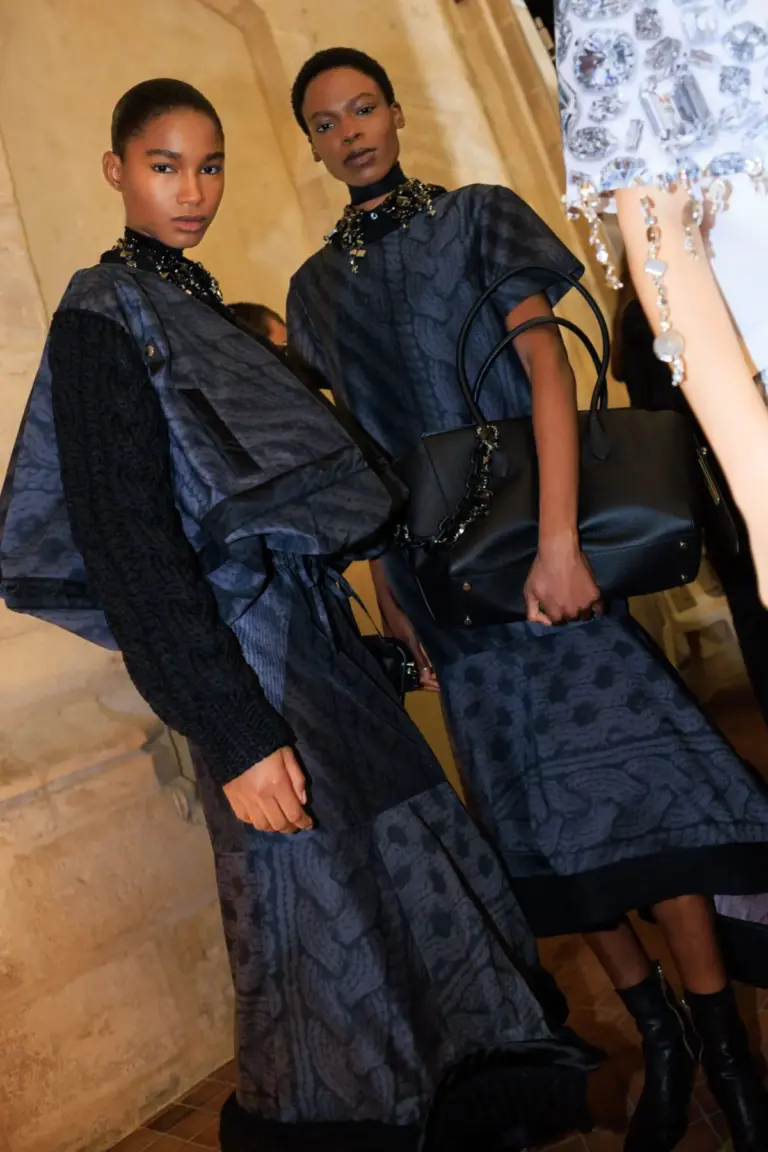
Fast forward to the present day, and the pendulum has swung back with unprecedented force. Modern iterations span everything from Maison Margiela’s split-toe Tabi flats to austere, minimalist leather slippers from emerging independent labels. Yet, the defining characteristic of this current era is not just the shoe itself, but the unprecedented level of digital conversation surrounding it.
Supporting Context & Metrics: The Anatomy of Digital Trend Analysis
The modern obsession with ballet flats differs structurally from previous revivals due to the mechanics of social media. In the past, trends were dictated from the top down—disseminated by glossy fashion magazines, seasonal runway shows, and department store buyers. Today, the pipeline is entirely decentralized.
The Peer-to-Peer Review Ecosystem
A few months ago, content feeds across major social platforms shifted. Without a singular coordinated marketing campaign from a luxury conglomerate, an organic wave of long-form review videos took over. Creators began sitting down for comprehensive, essay-style discussions on their personal ballet flat collections.
These videos follow a remarkably consistent, almost formulaic structure:
- The Disclaimer: Acknowledging the potential absurdity of devoting immense mental energy and financial resources to variations of a flat-soled leather shoe.
- The Metric Breakdown: Evaluating options based on hyper-practical criteria—geographic location (e.g., the cobblestones of European capitals versus the concrete grids of New York City), personal foot width, arch support, and cost-per-wear.
- The Comparative Pros and Cons: Detailed critiques of leather softening rates, heel rub, sole durability, and strap placements.
In many ways, these user-generated videos serve as democratic, long-form alternatives to the traditional Spring style guides published by legacy fashion publications. However, they carry an authenticity that print media often lacks: viewers can see the scuffs, creases, and wear patterns on the physical shoes, mapping out the literal journeys their owners have taken.
Official Statements and Industry Insights
To better understand the mechanics of this digital obsession, industry insiders and content creators offer a window into how the trend operates on the ground level.
Charlie Hourston, founder of the Los Angeles-based sustainable clothing brand Charlie Beads (which utilizes deadstock fabrics), accidentally sparked a viral TikTok movement alongside her co-workers and close friends, Margot Menveg and Jaden Power.
"I started a series on TikTok with my co-workers and best friends… where we discuss ballet flats from different brands and what we love or don’t love about a certain style, brand or color," Hourston explains.
Reflecting on her entry point into the obsession, Hourston notes a familiar generational inheritance. “I’d had a pair as a kid, but I outgrew them quickly. My mom still had hers from a trip to France in 2008, and I would borrow those, along with a pair of red E. Porselli x A.P.C.s she has worn to the ground.”
Her personal collection expanded significantly after she was swayed by peer influence. “Cierra O’Day is an old friend, and I remember she posted about vintage Miu Miu ballet flats in 2022. I hardly buy things online, but I found a silver pair for around $150. I ordered them immediately.”
Since launching their collaborative digital series, Hourston and her circle have sourced vintage gems through platforms like The RealReal and Poshmark, while also receiving PR packages from contemporary footwear brands such as Maguire and Margaux NY. Yet, despite access to an array of modern labels, allegiance remains concentrated. "At the end of the day, we come back to one brand: Repetto," she notes, emphasizing that the hunt for the ultimate pair is an ongoing endeavor. Looking ahead, Hourston has her sights set on archival pieces. "I’d love to try vintage Lanvin. They aren’t typical ballet flats. They don’t have bows, which I like, and the shape is really stunning."
On the other end of the accessibility spectrum is creator Emelia Cherry, who went viral by focusing on financially attainable alternatives.
"I saw a lot of people making videos recommending specific ballet flats, but all of them were $150 or more. I wanted to share my collection, which is at a much more realistic price point," Cherry shares.
Navigating the sea of online advice requires distinct consumer discretion. As Cherry points out, the subjective nature of footwear creates vast discrepancies in online reviews: "Every shoe could have 50 people saying they love it and can walk 20,000 steps a day in it, and 50 others saying it’s the most uncomfortable shoe they’ve ever ever worn."
Despite the conflicting reviews, her ultimate style verdict remains firm. "I think ballet flats are the most versatile shoe, they look good with everything," she says. "I highly recommend a plain black flat from Primark. After a couple of wears they’re pretty comfortable, and they’re a super affordable way to test out the style."
Future Outlook: The Permanent Fixture of Modern Footwear
As we look toward the future of footwear trends, the ballet flat has successfully transitioned from a cyclical trend item into a permanent category staple. Its survival is guaranteed not by institutional decree, but by the community of internet users who continue to interrogate, test, and reinvent it.
From the runways of Maison Margiela to the cobblestone alleyways of European capitals and indie music venues in Brooklyn, the ballet flat remains the ultimate sartorial chameleon. The rise of hyper-specific online advice sects has ensured that entering the market is no longer an intimidating, exclusive endeavor. Whether investing in archival Miu Miu, hunting for pristine vintage Repettos on secondary marketplaces, or testing the waters with affordable high-street alternatives from Primark, the modern consumer is equipped with an unprecedented toolkit of peer reviews.
The verdict from the digital frontier is unequivocal: figure out whose aesthetic point of view aligns with your lifestyle, study the parameters of fit and function, and take a flat-footed leap into your next footwear investment. The ballet flat is not going anywhere—primarily because it has already walked everywhere.