Executive Overview
The landscape of menstrual health management is undergoing a quiet yet seismic shift. For generations, the introduction to menstruation for teenagers was marked by a uniform rite of passage: the awkward acquisition of disposable pads, the trial-and-error of early tampon insertion, and the constant, lingering anxiety of leaks during school hours. Today, however, a modern alternative has taken center stage. Period pants—reusable, highly absorbent underwear designed to capture menstrual blood, discharge, and sweat without the need for supplementary products—are rapidly becoming the go-to choice for Gen Z and Generation Alpha.
Fuelled by a cultural pivot toward sustainability and a growing demand for bodily comfort, the market for teen-specific period underwear has surged. Industry leaders report staggering growth, such as WUKA’s 327% year-on-year increase in sales for their "First Period Pack." Beyond consumer demand, this shift represents a fundamental evolution in how young people experience their bodies. Backed by medical professionals, gynecological experts, and rigorous product testing, period pants are being heralded not merely as a novelty, but as a safer, more sustainable, and psychologically liberating tool for adolescents navigating puberty.
Detailed Chronology: The Evolution of Menstrual Care for Teens
To understand the rapid ascent of period pants, it is necessary to examine how adolescent menstrual education and product availability have evolved over the past decade.
- The Disposable Monopoly (Pre-2010s): For decades, the market offered adolescents little choice beyond traditional disposable pads and tampons. These products, while functional, were heavily reliant on single-use plastics, non-biodegradable components, and synthetic fibers like rayon or polyester. For teens, managing a period at school often involved carrying bulky plastic-wrapped items to restrooms every few hours and managing the psychological burden of potential leaks.
- The Rise of Reusables and Cups (2015–2019): The mid-2010s saw an ecological awakening. Menstrual cups and reusable cloth pads gained traction among adult consumers concerned about single-use waste. However, these options often proved challenging, intimidating, or physically impractical for teenagers experiencing their first years of menstruation.
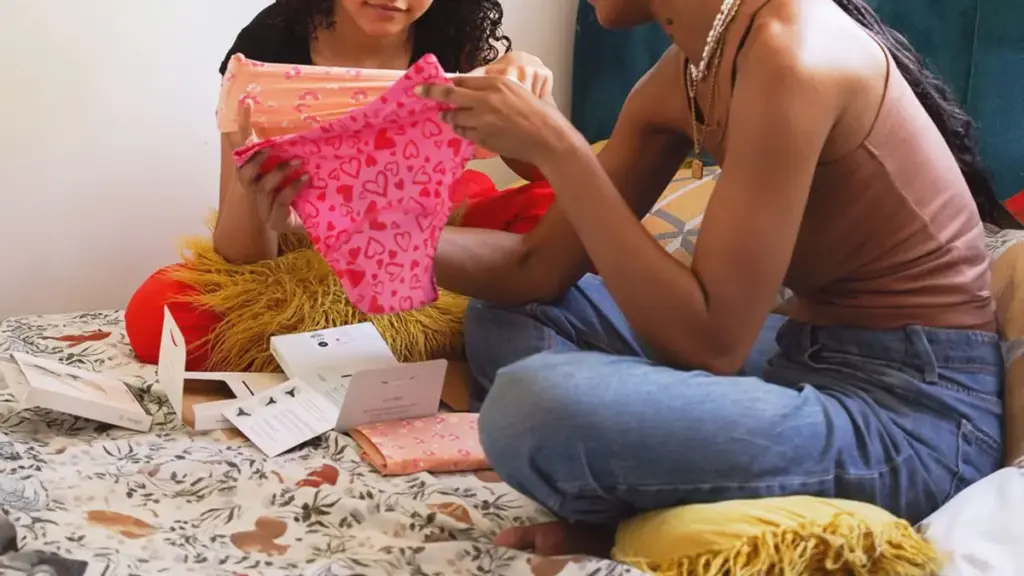
- The Breakthrough of Absorbent Underwear (2020–Present): Period underwear entered the mainstream market, initially targeting adult consumers. As the technology matured—featuring thinner, more breathable, and high-capacity multi-layer fabrics—manufacturers recognized an acute gap in the market for teenagers. Brands began developing specialized ranges tailored to smaller frames, lighter or irregular flows, and sensitive skin. The introduction of first-period starter kits by companies like WUKA acted as a catalyst, empowering parents and guardians to introduce sustainable hygiene products to tweens and teens with confidence.
Supporting Context & Metrics: Safety, Sustainability, and Science
The adoption of period pants by teenagers is not merely a lifestyle trend; it is supported by shifting environmental priorities and heightened scrutiny over product safety.
Environmental Impact and Consumer Consciousness
Modern teenagers are entering puberty with an unprecedented awareness of climate change and ecological degradation. Single-use sanitary products contribute significantly to global waste streams. According to environmental studies, the average menstruating person uses thousands of disposable products in a lifetime, many of which end up in landfills or oceans, where they can take centuries to break down. Period pants offer a fully reusable alternative that drastically reduces an individual’s carbon footprint and single-use plastic consumption.
Medical Oversight and Skin Health
Growing bodies require specialized care, particularly when dealing with delicate skin during hormonal fluctuations. Medical professionals emphasize that period pants, when sourced from reputable manufacturers, offer distinct physiological advantages over traditional disposables.
Dr. Nikki Ramskill, a general practitioner and women’s health expert verified on Doctify, notes:
"Period pants are made with absorbent layers that hold menstrual blood just like pads or liners. Like any menstrual product, they should be changed and washed daily—trapped moisture left too long can cause irritation."
Dr. Ramskill also advises consumers to remain vigilant regarding chemical compositions, recommending PFAS-free labels to avoid synthetic "forever chemicals" and hidden antimicrobial coatings.
Registered homeopath and women’s health expert Rowena Prescot reinforces the psychological and physical freedom these garments provide:
"Period pants are an excellent option for teens as they really do allow for that carefree state that teenagers naturally live in. When you choose good quality brands, they are hygienic, breathable, and designed to sit safely next to delicate skin all day long."
Prescot adds a practical professional tip for parents and teens:
"My professional tip is to always go for a slightly higher absorbency than you think you’ll need. That way there’s no worry about leaks, and no need to change during lessons."
Official Statements & Industry Insights
Industry pioneers and product developers have played a crucial role in shaping the current market, ensuring that period pants dispel outdated stereotypes about bulky, uncomfortable "granny pants."
Ruby Raut, CEO and co-founder of WUKA, highlights the generational shift driving these changes:
"In recent years, people have become much more conscious of their environmental footprint with more emphasis placed on reducing our single-use plastic consumption and carbon emission contribution. It’s encouraging to see that this demand is being driven by the younger generations as well as adults. We’ve seen this first hand with our First Period Pack—a popular first choice for adults buying for their tweens and teens, resulting in a +327% growth in sales."
Addressing common consumer hesitations regarding aesthetics and comfort, Raut points out the evolution of design:
"A lot of people are concerned they will feel like they’re wearing granny pants—but they won’t. There are so many different styles of period pants for teens: briefs, seamless, high-waisted, boxers and even thongs for the ultimate summer period underwear without the VPL."
Practical Guide: Navigating Period Pants for Teens
For parents, guardians, and teenagers making the switch, understanding how to select, wear, and maintain period pants is essential for a seamless transition.
How Do They Work?
Period pants feature an integrated, multi-layered gusset system designed to wick away moisture, absorb fluid (blood, sweat, or light urinary leakage), and neutralize odors while maintaining a waterproof outer barrier. Unlike traditional pads that sit on top of underwear, the absorbent technology is built directly into the garment, offering secure, leak-proof protection without shifting or rustling.
School Days and Absorbency Management
One of the primary concerns for teenagers is whether period pants can withstand a full school day. According to medical experts, high-capacity teen period pants are engineered to handle between 6 to 12 hours of wear, depending on the flow level and absorbency rating chosen. For heavy flow days, teens can pair their underwear with a disposable backup in the morning—removing it midway through the day—or pack a spare pair in their bag for peace of mind.
Maintenance and Washing Instructions
Proper care ensures the longevity and performance of technical fabrics:
- Rinse: Rinse the pants immediately after use under cold tap water to remove excess blood or clots.
- Wash: Machine wash on a cold cycle (between 30°C and 40°C) with like colors. Avoid fabric softeners, conditioners, and bleach, as these coat the technical fibers and diminish their absorbent capacity.
- Dry: Always air dry. Do not tumble dry, as excessive heat can degrade the waterproof membrane.
Determining Inventory Needs
The number of pairs required depends heavily on an individual’s flow intensity and laundry routine. While an ideal cycle rotation might include up to ten pairs (allowing one per day plus heavy overnight options), users can comfortably manage with a baseline of four pairs if washed promptly and rotated throughout the week.
Future Outlook
As manufacturing techniques continue to advance, the future of teen menstrual health points toward hyper-personalized, ultra-sustainable, and destigmatized care. Innovations in textile engineering are yielding lighter, more discreet fabrics that offer heavy-duty protection without adding bulk. Furthermore, as educational institutions increasingly incorporate inclusive menstrual health resources into their curriculums, the stigma surrounding periods and alternative products is steadily dissolving.
The rise of period pants for teens is more than a fleeting consumer trend; it is a structural improvement in adolescent well-being. By blending environmental consciousness with unmatched physical comfort and medical safety, absorbent underwear has empowered a new generation to approach menstruation not with anxiety, but with confidence, freedom, and ease.