Executive Overview
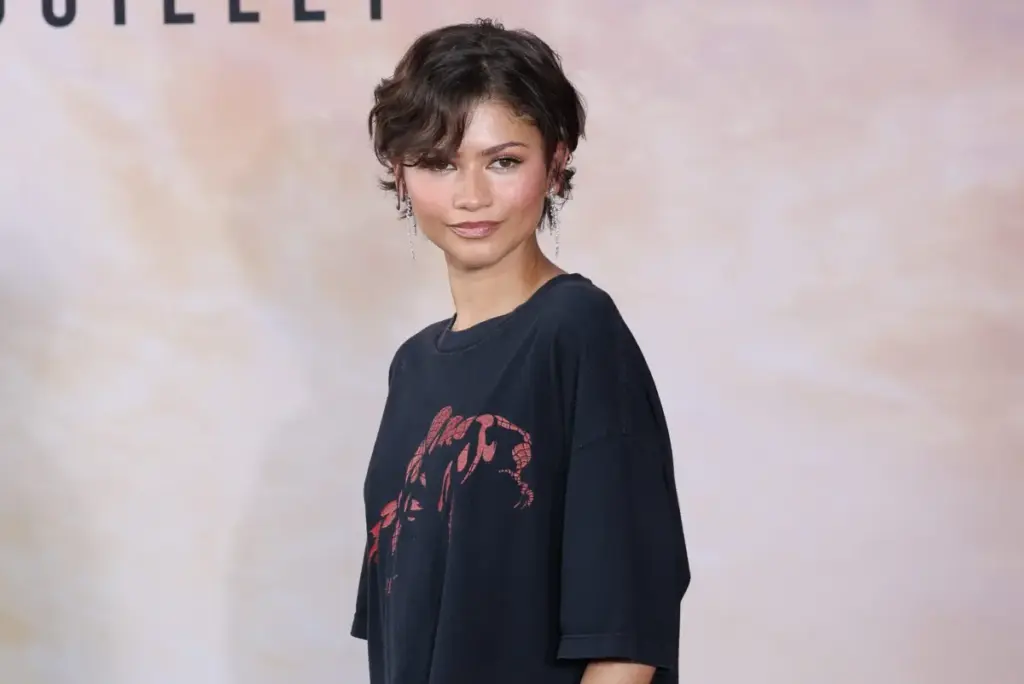
In the ever-evolving landscape of modern beauty trends, hair styling philosophies are shifting decisively away from high-maintenance perfection toward lived-in, low-effort versatility. For anyone whose daily routine oscillates between obsessive grooming and total neglect—whether that means watering houseplants religiously, feeding a sourdough starter, or trimming micro-bangs with neurosurgical precision only to abandon them for a quarter of a year—the search for a truly forgiving haircut is perpetual. Enter the flixie: part grown-out pixie, part retro ’90s flick, and entirely immune to the consequences of three months of benign neglect.
As a hybrid haircut mashup sitting right on the precipice of bob territory, the flixie solves a chronic dilemma for those with fine locks prone to falling flat at the mere whisper of a breeze. Far from being a fleeting novelty, this versatile style bridges the gap between structured short hair and effortless movement. Backed by industry professionals and spotted on red carpets and international runways alike, the flixie is cementing its status as the definitive haircut of the season. This comprehensive report examines the anatomy of the flixie, its structural advantages for various hair types, professional styling insights, and what its popularity signifies for the future of modern hair trends.
Detailed Chronology: The Evolution from ’90s Iconography to Modern Utility
To understand the current obsession with the flixie, one must trace its lineage through the milestones of twentieth-century hair design, digital beauty culture, and contemporary salon culture.

The Roots of the Flick (The 1990s)
The genetic makeup of the flixie draws heavily from the rebellious, carefree styling codes of the 1990s. During this decade, short hair broke free from the rigid, lacquered structures of the 1980s. Icons of the screen and runway popularized piece-y layers, flipped-out ends, and a general ethos of nonchalant cool. Hair was no longer meant to stay rigidly in place; it was designed to move, catch the light, and possess a tactile, touchable texture.
The Pixie Resurgence and the "Awkward Phase"
Fast-forward through decades of bobs, lobs, and shags, and the classic pixie cut remained a bold staple for the daring. However, the traditional pixie comes with a notorious drawback: the dreaded grow-out phase. Transitioning a super-short crop into a medium-length style usually involves months of awkward styling, frequent salon adjustments, and an uncomfortable middle ground where the hair obeys no discernible rules.
The Birth of the Hybrid Trend
In recent seasons, visionary stylists recognized an opportunity within this transitional phase. Instead of fighting the natural curling, flipping, and expanding of growing-out short hair, stylists began to lean into it. By fusing the clean structure of a pixie with the playful, flared-out ends of a ’90s blowout, the "flixie" was born.

London-based hairstylist Zoe Irwin crystallized this movement, describing the cut as "a softened pixie, with the back flicking out," and labeling it "a real ’90s haircut." Rather than forcing clients into rigid maintenance schedules, modern salon culture has increasingly pivoted toward cuts that look better as they grow out—turning structural longevity into the ultimate luxury.
Supporting Context & Metrics: Anatomy of a Low-Maintenance Trend
The appeal of the flixie is not merely aesthetic; it is deeply rooted in consumer lifestyle shifts. Contemporary data on beauty spending and consumer habits indicates a massive surge in demand for "lazy-girl" beauty hacks—routines that minimize time and financial investment while maximizing visual payoff.
Structural Analysis: Why Fine Hair Flourishes
For individuals blessed (or cursed) with fine hair, finding a short cut that doesn’t instantly collapse can feel like an impossible engineering feat. Traditional blunt cuts can weigh fine hair down, while overly layered styles can make it look sparse.

The flixie solves this structural challenge through multi-texturization. According to top stylists, the haircut incorporates varying internal layers that create natural lift right from the root.
- Built-in Movement: Because the layers are intentionally varied, the hair possesses inherent volume.
- The Illusion of Density: Strategic texturizing at the ends creates visual weight and density, making fine strands look significantly fuller.
- The Aerodynamic Flick: The signature flip at the nape and around the ears utilizes air movement rather than fighting it, turning a stray breeze into an asset rather than a flat-hair disaster.
Comparative Hair Maintenance Index
| Haircut Style | Maintenance Frequency | Fine Hair Compatibility | Grow-Out Grace | Styling Time (Minutes) |
|---|---|---|---|---|
| Micro-Bangs | Every 2–3 weeks | Moderate | Poor | 10–15 |
| Classic Bob | Every 4–6 weeks | High | Moderate | 10 |
| Traditional Pixie | Every 3–5 weeks | Moderate | Poor | 5–8 |
| The Flixie | Every 8–12 weeks | Exceptionally High | Exceptional | 3–5 |
As demonstrated above, the flixie outscores traditional short-hair formats in longevity and ease of care, making it the ideal choice for low-maintenance lifestyles.
Official Expert Insights: Tailoring the Flixie to Your Face Shape
One of the greatest misconceptions surrounding short hair is that it requires a very specific bone structure to look harmonious. Experts emphasize that the flixie is remarkably democratic, largely due to its high degree of customizability.

Customization for Narrow Faces
For individuals with narrow or oblong face shapes, the primary styling goal is often to introduce width and balance. Irwin notes that the flixie achieves this effortlessly:
"If someone has a very narrow face, and you’re wanting to achieve more width, you can have some longer pieces in the nape of the neck that flick out."
This strategic placement of flipped ends draws the eye outward, creating the illusion of a wider, more proportioned lower face.
Customization for Heart-Shaped and Round Faces
Conversely, those with heart-shaped or round faces often look best with vertical elongation and minimized width around the temples and cheeks. The flixie accommodates this by keeping the crown and top sections flatter and sleeker, while allowing the playful flick to sit precisely where it flatters the jawline.

Texture and Styling Protocol
Achieving the signature flixie look does not require professional styling tools or an arsenal of heavy lacquers. Instead, the routine is delightfully minimalist:
- Prep: Apply a lightweight texturizing spray or mousse to damp hair to encourage natural grip and body.
- Dry: Rough-dry with a blow-dryer using fingers to direct the ends outward at the nape and around the ears.
- Finish: Use a dab of flexible styling paste or glossing cream to either piece out the ends for a tousled, soft look or smooth down select sections for a sophisticated, sleek finish.
Future Outlook: The Longevity of Lived-In Beauty
The popularity of the flixie points toward a broader, permanent shift in how society views grooming and personal style. As consumers move away from hyper-curated, high-maintenance perfection popularized by early social media algorithms, there is a collective embrace of authenticity, ease, and adaptability.
A haircut that survives—and even thrives—on three months of neglect represents the ultimate intersection of high fashion and practical living. It acknowledges that modern lives are busy, unpredictable, and demanding, offering a style that works with human nature rather than against it.

Looking ahead, expect to see variations of the flixie dominate salon request lists across global fashion capitals. Whether worn with casual streetwear or paired with high-fashion red-carpet gowns, this ’90s-inspired hybrid proves that effortless style is never out of fashion. For the chronically busy, the perpetually distracted, and anyone simply looking for a fresh, high-impact look with zero guilt attached, the flixie is here to stay.