Executive Overview
High fashion has long relied on shock, awe, and calculated disruption to capture the cultural zeitgeist. In recent seasons, the creative direction of Demna at Gucci has been characterized by a relentless, high-velocity assault on the senses. We have witnessed slick, hyper-sexualized silhouettes, meditations on the digital artificiality of the human face, and a literal seizure of Times Square that transformed the commercial epicenter of Manhattan into a cultural panopticon.
Yet, the fashion industry thrives on subversion, and Demna’s latest masterstroke is perhaps his most startling pivot yet. For the Fall/Winter 2026 "Primavera" campaign, the provocateur-in-chief has traded dystopian spectacle for an earnest, deeply human exploration of connection, intimacy, and love.
The campaign unites an eclectic, seemingly disparate pantheon of cultural icons who, prior to this moment, shared virtually no common denominator. What do legendary NFL quarterback Tom Brady, boundary-pushing rapper Rico Nasty, and downtown nightlife royalty Sophia Lamar have in common? They are now part of an unprecedented Gucci ensemble that also features pop royalty Shawn Mendes, BTS vocalist Jin, aespa powerhouse Ningning, supermodel archetype Kate Moss, and boundary-breaking trans icon Alex Consani.
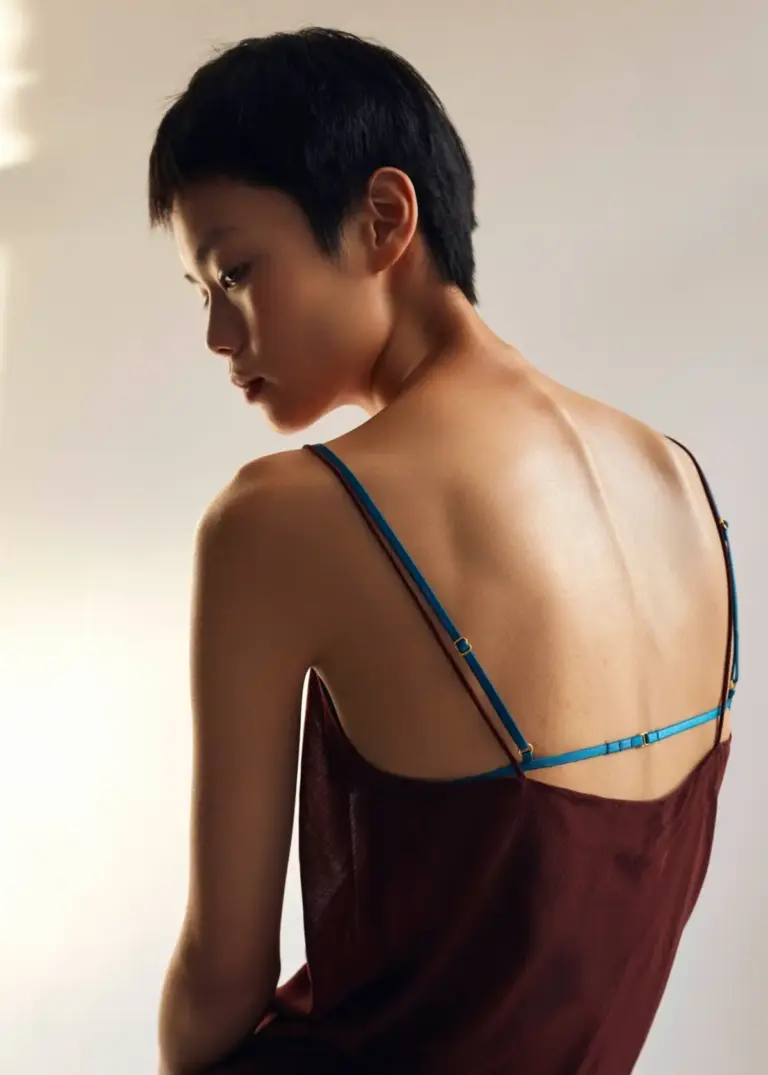
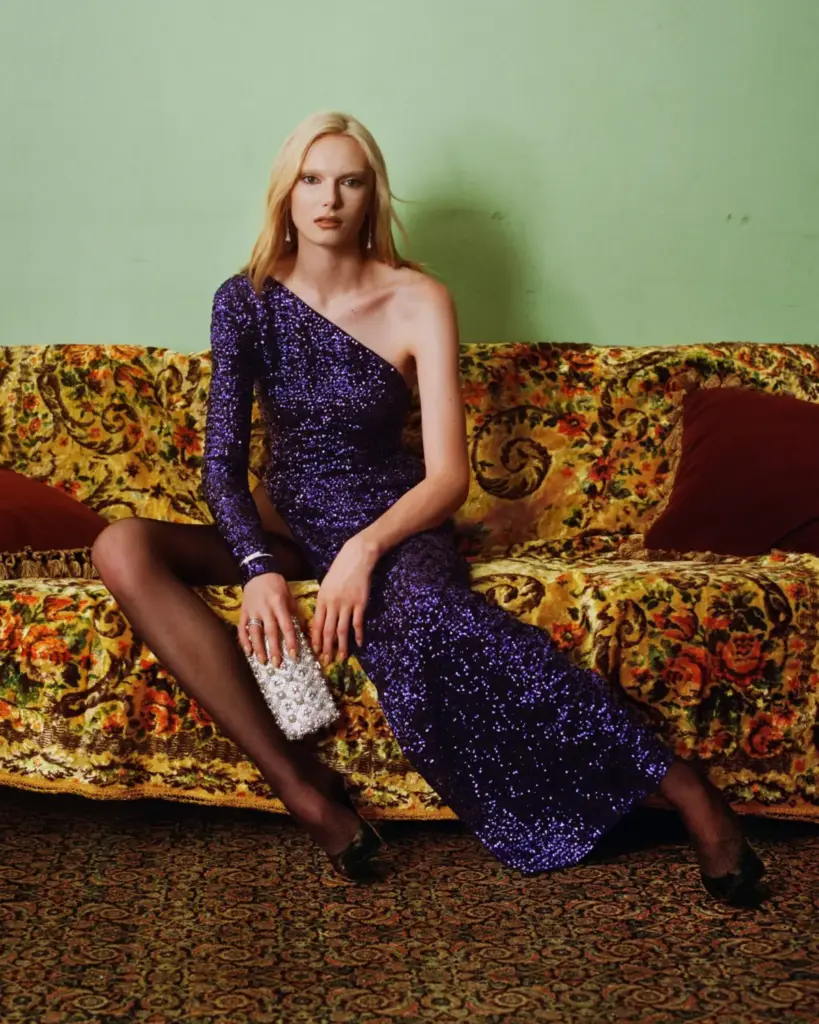
Shot by acclaimed photographer Michal Chelbin, the print campaign channels classical Renaissance compositions—evoking the lighting, angles, and rich textures of historical masterpieces—while anchoring the subjects in aggressively modern garments. Think tight technical jersey tops, rugged leather jackets, and sequined party dresses designed for the modern hedonist.
Complementing the print imagery is a cinematic centerpiece directed by legendary music-video visionary Johan Renck. Starring Kate Moss lip-syncing to Chris Isaak’s haunting ballad "Wicked Game" in front of a room of tense strangers, the video serves as a visceral metaphor for Demna’s current design philosophy. It is a bold statement that beneath the glittering micro-minis, gold lamé trousers, and Horsebit heels lies a fundamental craving for authentic, in-real-life (IRL) human connection.
Detailed Chronology: From the Museum-Like Runway to the Cinematic Screen
To fully understand the weight of the Primavera campaign, one must retrace the trajectory that led to its unveiling. The journey began in earnest during the Fall/Winter 2026 runway show in February, a presentation that immediately set a new architectural and atmospheric tone for the house of Gucci.
The February Runway: Opulence Meets Inclusivity
Staged inside a sweeping, museum-like space dominated by classical marble busts, the Primavera runway show was an exercise in high-low juxtaposition. The venue echoed the solemn grandeur of antiquity, yet the collection itself was fiercely contemporary, offering a casual-yet-singular vision for 2026.
Front-row spectators and participants alike reflected Demna’s sprawling vision of modern luxury. Pop icon Shawn Mendes watched from the audience as an eclectic roster of boundary-pushing models brought the collection to life. Among them was Alex Consani, whose commanding runway presence epitomized the campaign’s spirit. The casting was deliberately broad, welcoming disparate subcultures into the fold: the gothic romanticism of Gabbriette, the svelte elegance of Emily Ratajkowski, and the timeless, peerless allure of Kate Moss.
The runway presentation established the wardrobe for the season: a marriage of structured tailoring, tactile leathers, and opulent party wear that demanded to be seen. However, as striking as the clothing was, it became clear that the presentation was merely a prologue to a much larger narrative about community and collective experience.
The Evolution into Print: The Renaissance Lens
Transitioning from the runway to the global campaign required a visual language capable of bridging centuries of art history with the hyper-accelerated pace of modern fashion. Enter Michal Chelbin, whose photographic style bridges portraiture and narrative storytelling with a distinct painterly quality.
For the Primavera print campaign, Chelbin positioned ten distinct superstars—including Brady, Nasty, Lamar, Mendes, Jin, Ningning, Consani, and others—within compositions that deliberately evoke Renaissance portraiture. The subjects are framed with dramatic chiaroscuro lighting, deep jewel tones, and tactile fabrics that recall the oil paintings of the 15th and 16th centuries. Yet, this historical reverence is subverted by the garments themselves. A subject posed in the manner of a Venetian noble might simultaneously be clad in a skin-tight technical jersey or a shimmering sequined party dress.
This visual dichotomy forms the emotional core of the campaign: bridging the gap between classical notions of beauty and the fragmented, hyper-connected reality of the twenty-first-century wardrobe.
The Cinematic Masterpiece: "Wicked Game" and the Art of Connection
If the print campaign represents the classical stillness of the Primavera collection, its moving-image counterpart is its beating heart. Serving as the pièce de résistance of the global launch, the campaign video was helmed by legendary music-video director Johan Renck—whose iconic filmography includes Madonna’s "Hung Up" and Kylie Minogue’s "Love At First Sight."
Set in a moodily lit, wood-paneled room reminiscent of vintage European salons, the film features supermodel Kate Moss standing before a crowd of apprehensive, stone-faced strangers. As Chris Isaak’s timeless 1989 ballad "Wicked Game" begins to play, Moss begins to lip-sync the lyrics.
The atmosphere in the room is initially thick with tension. Strangers exchange wary, evaluating glances as Moss slowly settles into her performance. However, as the song builds toward its emotional crescendo and Moss delivers the iconic, aching refrain—"Oh I, don’t wanna fall in love"—the psychological dynamic in the room undergoes a profound chemical shift.
Rather than driving people apart, the vulnerability of the performance acts as a catalyst for intimacy. The tense observers begin to drop their guard, pairing off, making eye contact, and forging genuine human connections.
Film and fashion historians have been quick to note the cinematic lineage of Renck’s direction here, drawing distinct parallels to his legendary music video for The Knife’s "Pass This On." In both works, a captivating blonde figure performs in front of a hesitant, dimly lit crowd, transforming an awkward social space into a crucible of emotional awakening.
Yet, executing this concept within the framework of a luxury fashion campaign elevates it from a mere homage to a manifesto. It asserts that fashion is not merely about ornamentation or social signaling; it is the atmospheric soundtrack to human relationships.
Supporting Context & Metrics: The Anatomy of a Cultural Shift
To evaluate the impact of the Gucci Primavera campaign, one must examine the broader cultural and commercial mechanics driving Demna’s tenure at the Italian fashion house.
The Casting Strategy: Fracturing the Monolith
In an era where luxury brands increasingly rely on predictable, algorithmic casting—pulling from a homogenous pool of Gen-Z digital creators and traditional runway darlings—Demna’s casting for Primavera is a masterclass in cultural anthropology. By deliberately assembling a cast that spans disparate industries, generations, and subcultural enclaves, Gucci has engineered an unprecedented viral footprint.
- Cross-Demographic Reach: The inclusion of Tom Brady bridges the gap between luxury fashion and mainstream American sports culture, capturing an affluent demographic that historically operates outside the traditional fashion cycle.
- Global Music Dominance: Featuring Jin of BTS and Ningning of aespa immediately activates the fiercely loyal, highly engaged global fandoms of K-pop, ensuring maximum digital amplification across Asian markets and global digital platforms.
- Subcultural Credibility: Icons like Rico Nasty, Sophia Lamar, Alex Consani, and Gabbriette anchor the campaign in the avant-garde underground, ensuring that the brand retains its edge among downtown tastemakers and queer nightlife communities.
- Legacy Powerhouses: The presence of Kate Moss bridges contemporary relevance with legendary supermodel heritage, providing a structural anchor that validates the more experimental elements of the cast.
Digital Engagement and Algorithmic Penetration
From a metrics standpoint, the campaign’s rollout has leveraged the collective digital gravity of its stars. By distributing teaser content and campaign imagery across the individual social media channels of ten distinct global superstars—whose combined follower counts exceed hundreds of millions—Gucci bypassed traditional media gating to achieve immediate, omni-channel saturation.
Furthermore, the campaign’s reliance on narrative video content—specifically the Kate Moss lip-sync vignette—is a calculated response to the modern consumer’s preference for cinematic, shareable media over static lookbooks. Early social listening data indicates that user-generated discussions surrounding the video’s emotional resonance and cinematic callbacks have significantly outpaced standard luxury fashion engagement benchmarks.
Official Statements and Industry Perspectives
While luxury fashion houses are notoriously tight-lipped regarding the internal mechanics of their creative direction, statements from surrounding collaborators and industry analysts offer a clear window into the philosophy guiding the Primavera collection.
In conversations surrounding the collection’s debut, design teams emphasized Demna’s evolving relationship with his audience. Known previously for his penchant for scale and spectacle—most notably demonstrated when he shut down Times Square for a runway presentation that forced urban commuters and fashion elites alike to bear witness to his vision—the designer is reportedly entering a more introspective phase of his career.
Industry critics have noted that this pivot toward intimacy does not represent a softening of Demna’s signature aesthetic, but rather its maturation.
"Demna has always operated as a cultural sociologist," notes one prominent European fashion critic. "His past work held up a mirror to our anxieties about digital alienation, consumerism, and artificial intelligence. With Primavera, he is moving past critique and offering a solution. He is reminding us that even if we are wearing gold lamé pants, sequined micro-minis, and architectural heels, the ultimate luxury is the ability to connect with another human being in real space and time."
Collaborators behind the scenes have similarly pointed to the collaborative trust required to execute a campaign of this magnitude. Directing Kate Moss through an emotionally fraught performance of "Wicked Game" required a delicate balance of vulnerability and control—a challenge that Johan Renck embraced, noting that the intersection of high fashion and raw musical performance creates a unique tension that cannot be replicated on a standard studio backdrop.
Future Outlook: Where Gucci Goes From Here
As the fashion industry absorbs the shockwaves of the Primavera campaign, key questions remain regarding the long-term trajectory of Demna’s tenure at Gucci.
1. The Redefinition of Luxury Storytelling
For years, the luxury sector has chased the digital rabbit hole, experimenting with virtual reality, metaverse activations, and algorithmic trend forecasting. The Primavera campaign represents a decisive counter-movement. By anchoring high-end fashion in tactile, emotionally driven storytelling—utilizing real human vulnerability, classic artistic framing, and cinematic narrative—Gucci is signaling that the future of luxury marketing lies in emotional resonance rather than cold techno-futurism. We can expect upcoming campaigns across the industry to pivot away from sterile digital landscapes in favor of moody, narrative-driven human interactions.
2. Commercial Viability of the "Inclusive Avant-Garde"
Commercially, the collection bridges the gap between runway fantasy and wearable reality. While pieces like the sequined party dresses, structured leather jackets, and technical jersey tops make dramatic statements in print and film, the underlying accessories—most notably the revival and reinvention of classic house motifs such as Horsebit heels and statement handbags—are positioned to drive immediate retail momentum. The success of the Primavera collection on gucci.com will serve as a primary indicator of whether consumers are ready to embrace a wardrobe that balances unapologetic hedonism with emotional depth.
3. The Cultural Legacy of Demna’s Gucci
Ultimately, the Primavera campaign cements Demna’s status not just as a master of spectacle, but as a defining cultural architect of the 2020s. By successfully corralling Tom Brady, Kate Moss, Jin, and Alex Consani into a singular artistic vision, he has proven that fashion remains the ultimate meeting ground for disparate cultural tribes.
As the industry looks ahead to subsequent seasons, one thing is certain: whether shutting down metropolitan thoroughfares or staging intimate cinematic explorations of human desire, Demna’s Gucci will continue to dictate the terms of modern cultural engagement. The Gucci Primavera collection is available now on gucci.com, inviting consumers to step into a world where high fashion and deep human connection are no longer mutually exclusive, but inextricably bound.