Executive Overview
Wavy hair occupies a unique, highly sought-after middle ground in the hair-care spectrum. Falling neatly between straight strands and tightly coiled curls, waves offer a dynamic blend of body, movement, and versatility. Yet, this hair type presents an intricate set of daily maintenance challenges. Far from being "wash-and-go" without effort, wavy hair is notoriously susceptible to environmental humidity, persistent frizz, unexpected dryness, and a frustrating loss of pattern definition.
For years, consumers have struggled to find the right balance in their hair-care routines, frequently bouncing between heavy, curl-focused creams that weigh fine strands down and lightweight straight-hair formulas that leave waves parched and undefined.
This comprehensive report examines the foundational science of wavy hair care, breaking down critical ingredient selections, targeted hydration methodologies, washing frequency myths, and rigorous product testing standards. Drawing from elite industry professionals—including Nashville-based hairstylist Eric Marshall and leading hair specialists—this guide provides an authoritative roadmap to achieving bouncy, polished, and healthy waves without sacrificing natural volume or movement.
Detailed Chronology: The Evolution of Wavy Hair Care and Product Testing
The Paradigm Shift in Textured Hair Care
For decades, the beauty industry treated textured hair as a monolith, often dividing products into two overly simplistic categories: straight or curly. This binary approach failed the millions of consumers with Type 2 waves, who frequently found their hair weighed down by heavy butters meant for Type 4 coils or left brittle by clarifying shampoos formulated for bone-straight hair.
- Early 2000s: The rise of the "Curly Girl Method" revolutionized texture awareness, teaching consumers to avoid sulfates and silicones. However, many early iterations of these routines were too heavy for loose waves, causing limp, greasy styles.
- The Mid-2010s: Brands began recognizing wave-specific needs, moving toward lightweight humectants and targeted stylers like texturizing sprays and mousses.
- The Modern Era (Present): The focus has shifted to customized, science-backed formulations. Consumers are learning that wave care requires a nuanced approach tailored to individual strand thickness, porosity, and scalp health, rather than a one-size-fits-all routine.
The Rigorous Journey of Professional Product Evaluation
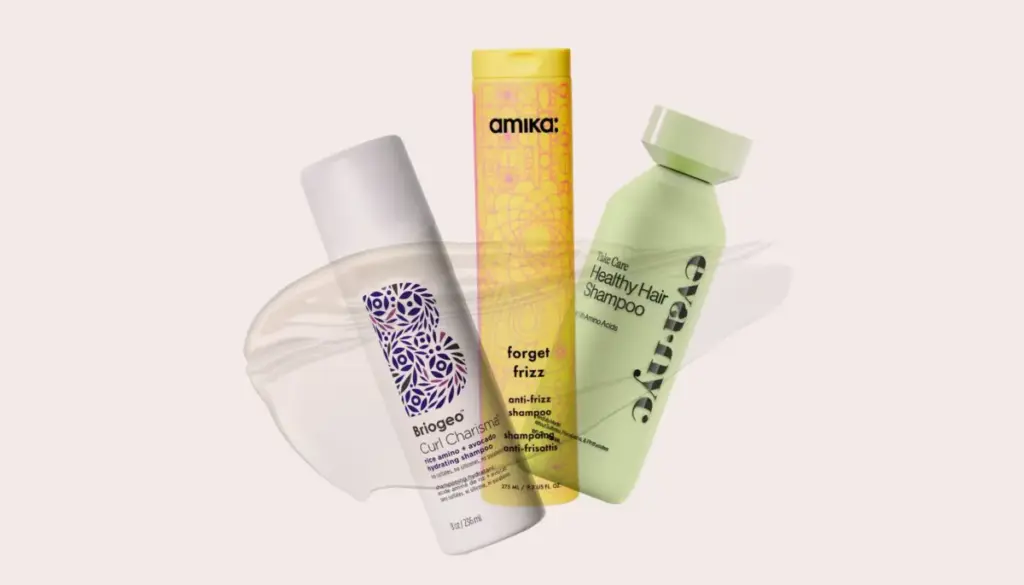
Behind every curated list of the "best shampoos for wavy hair" lies a meticulous, multi-phase testing methodology designed to eliminate bias and ensure real-world efficacy. Unlike makeup products—which often cross skin tones and types with relative ease—hair-care tools and formulations demand strict, specialized testing protocols.
- Formulation Audit & Target Identification: Experts first determine the specific problem a product aims to solve, whether it is mineral buildup, lack of definition, or scalp dryness.
- Diverse Panel Assembly: To ensure unbiased results, testing panels are intentionally curated to reflect a wide spectrum of hair types, textures, lengths, and porosities. A purple shampoo, for instance, cannot be deemed effective without trials across various blonde shades, just as a diffuser cannot earn a top rating without rigorous testing on genuine curl and wave patterns.
- Performance Categorization: During the evaluation phase, testers judge products across four critical pillars:
- Efficacy: How well does the product cleanse, hydrate, or hold?
- Texture and Experience: How does the formula feel during application and rinsing?
- Fragrance: Is the scent balanced and universally pleasing without triggering sensitivities?
- Packaging: Is the dispensing mechanism practical, hygienic, and sustainable?
- Final Review and Editorial Consensus: Staff and outside contributors compare notes to ensure that recommendations hold up across different age groups, hair densities, and environmental conditions.
Supporting Context & Metrics: The Science of Waves
Understanding why wavy hair behaves the way it does requires a look at follicle anatomy. While straight hair grows from a round follicle, and tight curls grow from a flat, highly oval follicle, wavy hair typically emerges from an oval-shaped follicle with a gentle curve. This elliptical shape creates structural unevenness along the hair shaft, making it harder for natural sebum from the scalp to travel down the length of the hair. Consequently, the roots may feel oily while the mid-lengths and ends remain dry and prone to environmental moisture loss.
Essential Ingredient Breakdown for Wavy Hair
To combat dryness and frizz without sacrificing volume, formulating chemists and hairstylists recommend specific active ingredients.
| Ingredient Category | Specific Examples | Primary Function for Wavy Hair |
|---|---|---|
| Humectants | Glycerin, Hyaluronic Acid | Draw moisture from the air into the hair shaft, plumping waves with lightweight hydration. |
| Structural Proteins | Hydrolyzed Rice/Wheat Protein | Reinforce the hair cuticle, enhance elasticity, and support wave memory without a "crunchy" feel. |
| Lipid Replenishers | Ceramides, Amino Acids | Repair the intercellular cement of the hair cuticle, smoothing frizz and sealing in moisture. |
| Lightweight Oils | Jojoba Oil, Squalane | Mimic natural sebum to condition coarse or dry waves without flattening fine patterns. |
Tailoring Ingredients to Your Wave Sub-Type
Not all waves are created equal. Wave patterns generally range from 2A (fine, subtle bends) to 2C (thick, well-defined, almost-curly bends). Matching your ingredient profile to your specific sub-type is essential for optimal results:
- Fine, Loose Waves (Type 2A): These strands are easily overwhelmed. They require lightweight humectants and clarifying agents that clean deeply without leaving a residue. Heavy oils and thick butters will quickly flatten fine waves into straight, stringy strands.
- Thick, Coarse Waves (Type 2C): These strands have more structural integrity but are exceptionally prone to dryness and frizz. They thrive on nourishing botanical oils, rich conditioning agents, and deep-penetrating proteins that tame unruly texture while defining the wave pattern.
Official Statements and Expert Insights
Industry professionals emphasize that mastering wavy hair is an art form rooted in technique just as much as product selection. Here, leading stylists weigh in on best practices for cleansing, conditioning, and styling.
On Cleansing and Hydration Strategy
According to Nashville-based hairstylist Eric Marshall, the overarching goal for wavy hair is simple yet challenging: "Helping waves feel soft (not crunchy) and also look more polished without sacrificing movement or volume."
To achieve this, technique matters just as much as the formula itself. Experts advise users to concentrate their shampoo application directly on the scalp to break down excess oil, sweat, and product buildup. As the lather rinses out, it will naturally cleanse the mid-lengths and ends without stripping vital moisture from the most delicate parts of the hair.
Conversely, conditioner application should follow the exact opposite rule. Stylist Hong advises applying conditioners strictly from the mid-length down to the ends, where moisture is needed most, avoiding the scalp to prevent flat, greasy roots.
On Washing Frequency and the "Less is More" Rule
A common misconception in the textured hair community is that individuals with waves or curls must drastically stretch out the time between washes to preserve moisture. However, industry experts push back against this notion.
"You don’t need to stretch out wash days just because you have textured hair," notes hair specialist Chase.
Washing your hair whenever the scalp and waves require it promotes a healthy, balanced scalp microbiome and prevents product buildup that can weigh down the wave pattern.
When stepping out of the shower, Hong champions a "less is more" philosophy for styling products. Over-applying styling agents can coat the hair shaft in heavy polymers, causing waves to stretch out, tangle, or lose their bounce. Marshall recommends utilizing hybrid styling products designed to multitask: "A styling product that can help with elasticity, control, and hydrate at the same time—such as curl creams, hair oils, and texturizing sprays."
Future Outlook: The Next Generation of Wave Care
As the beauty industry continues to evolve, the future of wavy hair care points toward hyper-customization, biotechnology, and sustainable packaging.
1. Microbiome-Focused Scalp Care
Historically, hair care has focused entirely on the strand itself. However, upcoming research highlights the vital connection between scalp health and optimal wave formation. Future product innovations will likely feature prebiotic and probiotic-infused shampoos designed to balance the scalp’s natural microbiome, reducing inflammation, flaking, and excessive oil production at the root.
2. Biomimetic Peptides and Smart Polymers
Traditional silicones have long been used to smooth frizz, but they often lead to long-term buildup. The next frontier in wave care relies on biomimetic peptides—laboratory-engineered molecules that mimic the natural protein structures of human hair. These smart polymers target micro-damage along the wavy hair shaft, repairing the cuticle from the inside out while providing humidity-resistant hold without stiffness.
3. Sustainable and Waterless Innovations
With environmental consciousness at an all-time high, the beauty sector is shifting toward eco-friendly packaging and concentrated waterless formulas. Solid shampoo bars and powder-to-liquid cleansers formulated specifically for textured hair will reduce plastic waste while delivering potent, active-rich doses of humectants and proteins directly to the consumer.
Conclusion
Wavy hair no longer needs to be an unpredictable daily struggle. By understanding the underlying science of strand architecture, selecting targeted ingredients tailored to specific wave sub-types, and adopting a balanced approach to cleansing and hydration, consumers can unlock the full potential of their natural texture. Backed by rigorous product testing and expert insights, the modern wave routine proves that voluminous, defined, and touchably soft hair is entirely within reach.