Executive Overview
For generations, discussions surrounding pubic hair grooming have navigated a complex terrain of cultural expectations, personal hygiene myths, and shifting aesthetic trends. While shaving the legs, underarms, or face is often treated as second nature, managing pubic hair requires a distinctly different level of care due to the unique anatomical sensitivity of the vulva and surrounding region. Whether preparing for swimsuit season, pursuing comfort, or simply exploring personal grooming preferences, deciding to remove or retain pubic hair remains an entirely personal choice.
However, transitioning from intuition to execution in such a delicate area demands an understanding of dermatological science. Improper techniques can quickly lead to painful outcomes, including razor burn, contact dermatitis, severe nicks, and troublesome ingrown hairs. To bridge the gap between aesthetic desires and skin health, leading board-certified dermatologists offer authoritative insights into the physiological purpose of pubic hair, the inherent risks of hair removal, and a comprehensive, step-by-step methodology for safe grooming. This report establishes a definitive guide to navigating pubic hair care with precision, safety, and confidence.
Detailed Chronology: A Step-by-Step Guide to Safe Pubic Shaving
Mastering the art of shaving the pubic region requires a structured, deliberate routine. Rushing the process or skipping preparatory steps dramatically increases the likelihood of skin trauma. Dermatologists recommend adhering to a meticulous sequence from start to finish to protect the integrity of the skin barrier.

Step 1: Pre-Trim the Area
Before reaching for a razor, assessing the length of the hair is critical. Long, dense pubic hair easily clogs razor blades, requiring excessive pressure that often leads to nicks and cuts.
- The Technique: Utilize a pair of safety scissors or an electric hair trimmer specifically designed for sensitive grooming. Carefully trim the pubic hair down to a manageable length—ideally just a few centimeters long—before introducing any blade to the skin.
Step 2: Soften and Exfoliate the Skin
Preparation in the shower allows the skin and hair follicles to react to warm water and steam.
- The Technique: Spend a few minutes relaxing in a warm shower or bath to open the pores and soften the hair shafts. Prior to shaving, gently exfoliate the external skin using a soft washcloth or a targeted exfoliating wash. Avoid coarse, abrasive materials or harsh chemical scrubs, which can micro-tear the delicate tissue of the vulva. Dr. Mona Gohara, associate clinical professor at Yale School of Medicine, also recommends applying a mild salicylic acid pad before shaving to help clear dead skin cells and prevent subsequent ingrown hairs.
Step 3: Lather Up with a Fragrance-Free Medium
Dry shaving is a universal rule-breaker in dermatology; it strips the skin barrier and guarantees irritation.

- The Technique: Apply a generous amount of a lubricating product. While traditional shaving creams designed for sensitive skin offer an optimal glide, a fragrance-free soap or body wash can suffice in a pinch. The primary objective is to create a thick, protective lather that cushions the skin against the sharp edge of the blade, minimizing friction.
Step 4: Exercise Caution with Blade Selection
A common misconception is that dull razors are safer because they are less intimidating. Dermatologists vehemently refute this claim.
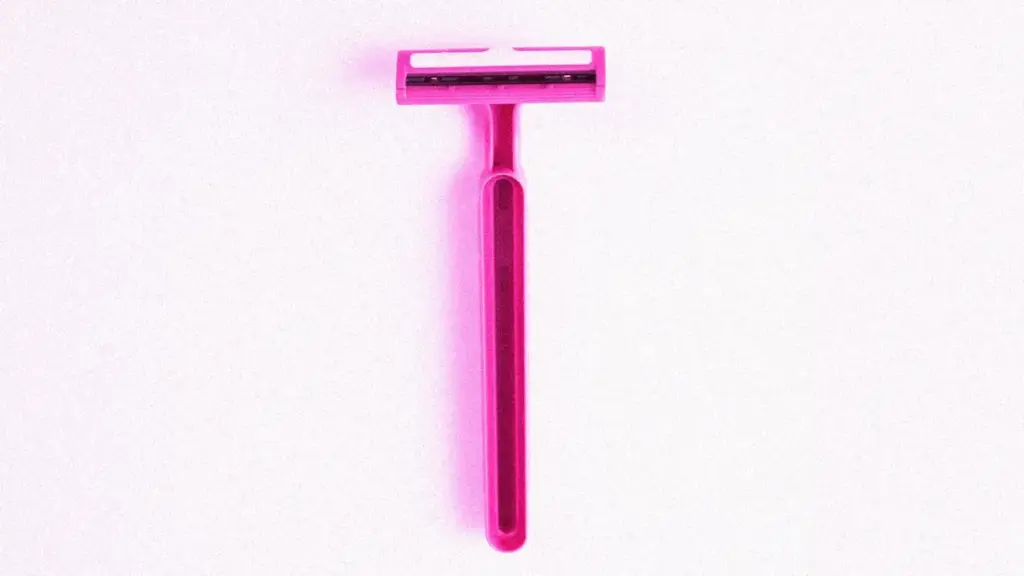
- The Technique: Use a sharp, clean razor. Dr. Amy Wechsler, a board-certified dermatologist in New York, draws a direct parallel to culinary tools: “People think you’re more likely to get hurt with a sharp knife, but a dull knife is more dangerous to use because you have to push harder to get it to work.” Furthermore, experts advise utilizing a razor equipped with only one or two blades rather than multi-blade systems. Multi-blade cartridges pull the hair and cut it beneath the surface of the skin, dramatically escalating the risk of ingrown hairs.
Step 5: Shave Slowly in the Direction of Hair Growth
Visibility and pacing are paramount when managing contours and folds.
- The Technique: Position a shower-safe mirror to ensure an unobstructed, clear view of the area. Pull the skin taut—gently, without stretching it aggressively—and glide the razor carefully in the direction of hair growth (with the grain). Shaving against the grain cuts the hair at an acute angle, inviting the tip to curl back into the skin. Rinse the razor blade frequently under warm water to prevent hair and product buildup, and exercise extreme precision around the labia.
Step 6: Post-Shave Rinse and Soothe
Once the desired areas are addressed, completing the routine with proper aftercare seals in moisture and calms potential inflammation.

- The Technique: Rinse away all remaining lather and stray hairs using warm water. Gently pat—never rub—the area dry with a clean towel. Immediately follow up by applying a fragrance-free moisturizer, lotion, or a thin protective layer of an occlusive ointment like Aquaphor or Vaseline to replenish the skin barrier.
Supporting Context & Metrics: Anatomy, Risks, and Physiology
Understanding why the body grows pubic hair provides valuable context for how the skin reacts to its removal. According to dermatological evaluations, pubic hair is far more than a vestigial trait; it serves active physiological functions.
The Biological Purpose of Pubic Hair
Dr. Gohara explains that pubic hair acts naturally as a "cushion and protective barrier" for the genitourinary region.
- Friction Reduction: The hair fibers reduce direct friction between sensitive skin folds and clothing during movement, exercise, and daily activities.
- Debris Trapping: Pubic hair functions as a physical filter, helping to trap dust, sweat, and external debris before they can reach the mucous membranes.
- Barrier Protection: By minimizing friction and trapping microscopic irritants, pubic hair provides an initial layer of defense against localized irritation and infections.
Removing this hair leaves the skin temporarily more vulnerable to environmental friction and chemical exposure. However, when executed with proper precautions, hair removal remains entirely safe.

Common Risks and Complications
Data from clinical observations and dermatological organizations, such as the Cleveland Clinic, highlight several primary risks associated with pubic shaving:
- Ingrown Hairs: Occur when a severed hair fails to emerge properly from the follicle, instead curling backward beneath the surface of the skin. The body identifies the trapped hair as a foreign body, triggering localized inflammation, swelling, and tender bumps.
- Cider Cuts and Nicks: Result from poor visibility, rushed movements, or dull blades slipping across uneven anatomical contours.
- Razor Burn and Rashes: Manifest as red, stinging inflammation caused by friction, microscopic skin abrasions, or allergic reactions to chemical additives in personal care products.
- Contact Dermatitis: An allergic or irritant skin reaction typically provoked by fragrances, dyes, and preservatives present in non-specialized shaving creams or soaps.
Official Statements & Expert Guidance
Navigating the nuances of personal grooming requires listening closely to medical professionals who specialize in skin health and anatomy. The consensus among dermatological experts emphasizes empowerment balanced with caution.
- On Personal Autonomy: Dr. Gohara emphasizes that the foundational philosophy of pubic grooming is rooted entirely in personal choice. Whether an individual opts for complete removal, trimming, or leaving their natural hair untouched, “the goal is to do what feels comfortable and empowering for you.” There is no medical requirement to alter one’s body hair; aesthetic preferences are entirely subjective.
- On Managing Ingrown Hairs: If an ingrown hair develops, both Dr. Gohara and Dr. Wechsler urge patience and restraint. Under no circumstances should individuals attempt to dig, pick, or squeeze the bump with tweezers or fingers, as this dramatically increases the risk of secondary bacterial infections and permanent scarring. Instead, Dr. Gohara recommends applying warm compresses to soften the skin and encourage the trapped hair to surface naturally, alongside a low-strength hydrocortisone cream to calm inflammation or salicylic acid to gently exfoliate the surrounding cells.
- On Clothing and Friction: Post-shave wardrobe choices play a critical role in skin recovery. Dr. Gohara warns against wearing tight, occlusive garments—such as synthetic leggings or yoga pants worn without breathable cotton underwear immediately after shaving—as they trap sweat, increase friction, and significantly elevate the likelihood of developing painful razor bumps and ingrown hairs.
- On Treating Nicks: In the event of a minor cut, Dr. Wechsler advises applying direct, gentle pressure with a clean cloth until bleeding ceases, followed by thorough cleansing with mild, fragrance-free soap and water. Dr. Gohara suggests sealing the micro-wound with a microscopic layer of healing ointment to protect the compromised skin barrier.
Future Outlook
As the beauty and personal care industries continue to evolve, the conversation around body hair is experiencing a cultural and scientific maturation. The past decade has witnessed a significant shift away from rigid societal pressures toward individualized wellness routines. Manufacturers are responding by formulating specialized intimate skincare lines—including pH-balanced shave gels, targeted exfoliants, and precision trimmers designed specifically for sensitive anatomical contours.

Looking ahead, dermatologists anticipate a continued emphasis on education regarding skin barrier health over strict aesthetic conformity. Future innovations in hair removal will likely focus on minimizing follicular trauma, reducing post-inflammatory hyperpigmentation, and promoting inclusive, body-positive messaging. Ultimately, whether an individual chooses to embrace their natural state or curate a smooth finish, the overarching mandate remains clear: prioritize anatomical safety, respect the skin’s natural protective barriers, and base every grooming decision on personal comfort and self-care.