Executive Overview
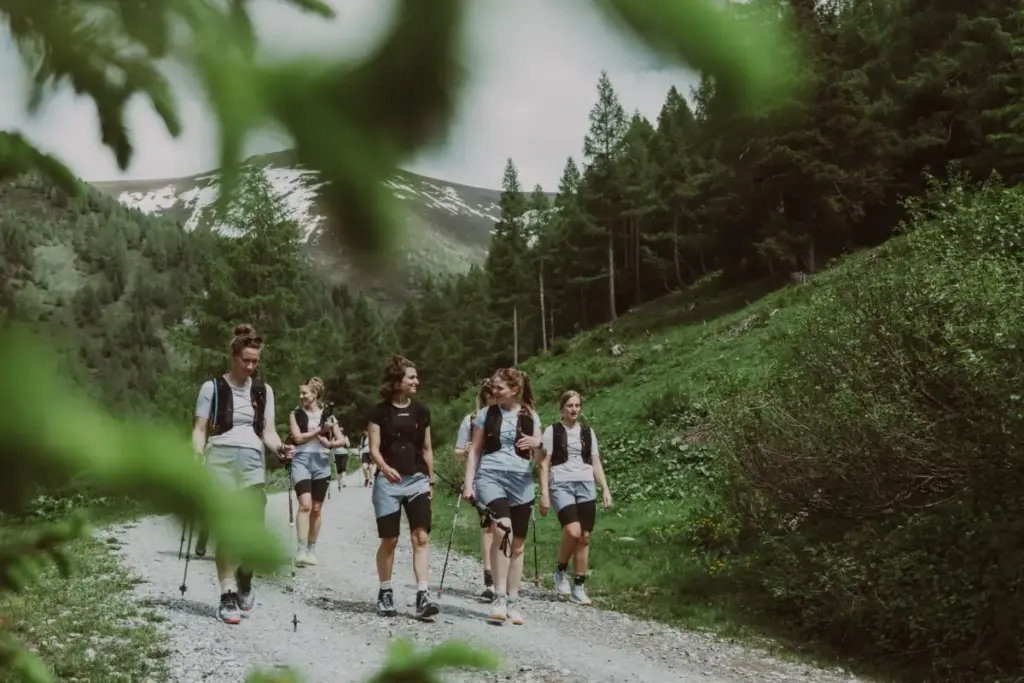
Over the past twenty-four months, a profound cultural and physical shift has quietly—and then all at once—reshaped the leisure habits of a generation. Social media feeds, once dominated by urban lifestyle aesthetics, boutique fitness studios, and international beach holidays, have been thoroughly overhauled by a new visual motif: snow-dusted alpine peaks, impossibly green alpine meadows, cattle adorned with resonant brass bells, and rustic wooden cabins serving as sanctuaries for breathless travelers. It is as if an entire demographic, alongside their closest friends and domesticated pets, transformed overnight into elite alpinists. Clad in high-performance Gore-Tex jackets and weathering steep elevations, modern hikers can frequently be found celebrating a successful summit with a can of sparkling local soda.
Yet, this mass migration to the trails is far more than a fleeting aesthetic trend or an algorithmic preference. It represents a deeper, psychological and physiological realignment. As contemporary life becomes increasingly saturated with digital noise, urban density, and professional burnout, the great outdoors has emerged as the ultimate counter-movement. Hiking has transitioned from a niche, seasonal pastime into a widespread cultural phenomenon. It offers a rare intersection of accessibility, profound mental health benefits, and unadulterated physical challenge.
This deep dive explores the multifaceted appeal of the modern hiking boom, examining the science behind its mental health benefits, the democratization of outdoor exploration, and how brands are actively partnering with communities to foster personal growth through nature. Furthermore, we examine landmark initiatives like the exclusive "adidas TERREX Design Your Life & Hiking Days" campaign on Germany’s iconic Malerweg, illustrating how outdoor brands are moving beyond traditional marketing to curate transformative, empowering experiences for women.
Detailed Chronology: The Rise of the Modern Trail Culture
To understand how hiking captured the collective consciousness, one must trace its recent evolution from a traditional, often solitary or demographic-specific hobby into a dynamic, highly visible social movement.
The Pandemic Catalyst and the Micro-Adventure Era
The seeds of the current hiking renaissance were undoubtedly sown during the global disruptions of the early 2020s. With international travel restricted and urban amenities closed, populations retreated to local green spaces. What began as a desperate search for fresh air quickly evolved into a sustained appreciation for local geography. People began exploring the hidden trails, ancient woodlands, and geological formations situated directly in their own backyards.
As restrictions eased, this newfound appreciation did not fade; rather, it matured. The concept of the "micro-adventure"—short, accessible getaways lasting a single day or a weekend—democratized exploration. Individuals who lacked the time, financial resources, or specialized expertise for multi-week expeditions discovered that a Friday afternoon drive could transport them into entirely different, immersive natural landscapes.
The Social Media Alpinist
Concurrently, digital platforms underwent a thematic shift. The curated luxury travel aesthetic was rapidly replaced by raw, authentic documentation of physical exertion in natural environments. Platforms like Instagram and TikTok became flooded with content celebrating rugged landscapes and outdoor triumphs. However, unlike traditional extreme sports content, this new wave of outdoor media was remarkably inclusive. It featured everyday professionals, creatives, and friends sharing the triumphs and minor misadventures of trail life.
This visibility broke down traditional psychological barriers. Seeing peers conquer rugged terrain in weather-resistant gear demystified the mountains. It signaled that the peaks were not reserved exclusively for hardened mountaineers; they were open to anyone willing to put one foot in front of the other.
Supporting Context & Metrics: Why We Trek
The psychological and physiological drivers behind the hiking boom are deeply rooted in human evolution and contemporary lifestyle pressures. Experts across sports science, psychology, and sociology point to several core factors fueling this mass movement.
1. The Low Barrier to Entry and Radical Inclusivity
Unlike many modern fitness trends that require expensive boutique gym memberships, specialized facility access, or complex technical training, hiking remains fundamentally democratic. At its most basic level, hiking requires little more than two functional legs and a pair of sturdy shoes. In most cases, the trails themselves are entirely free.
Furthermore, the spectrum of difficulty is infinitely scalable. Whether one is a complete novice embarking on a gentle valley stroll or a seasoned trekker tackling punishing elevation profiles with advanced navigation gear, the trail accommodates all levels. This scalability makes hiking an equalizer. It is an activity where generations can converge, bridging gaps between demographic groups through a shared objective.
2. The Physiology of the Ascent
From a fitness perspective, hiking offers a comprehensive, low-impact workout that targets major muscle groups—most notably the glutes, quadriceps, and core—while simultaneously building cardiovascular endurance. Yet, the physical sensation of hiking differs vastly from indoor training.
Behind the walls of a conventional fitness center, individuals often hide behind heavy iron benches, mirrors, and digital performance trackers. On the trail, however, the gym is replaced by raw, tangible feedback loops. Walkers experience the direct power surging through their legs, the steepness of the gradient beneath their boots, and the reassuring burn in their lungs as the air thins at higher elevations. The body performs immense, measurable work to propel the individual upward, fostering a profound sense of somatic awareness.
3. The Psychology of the Summit and Metacognitive Growth
The physical climax of a hike—reaching the summit or a panoramic viewpoint—triggers a powerful psychological reward. As the trekker stands catching their breath, gazing across vast valleys while unpacking a simple trailside lunch, a wave of pride washes over them. This endorphin-fueled euphoria is amplified when the experience is shared. Conversations held on the trail possess a unique depth and intimacy, largely uninhibited by the constant notifications and distractions of urban life.
Moreover, the mental benefits extend far beyond immediate stress relief. Hiking forces individuals to confront and overcome subconscious limitations. When a trail becomes punishingly steep, participants must actively negotiate with their internal dialogue: deciding when to push through fatigue, when to pause, and how to maintain steady momentum.
This micro-decision-making process cultivates mental resilience. The cognitive patterns developed on the trail—such as breaking down overwhelming challenges into manageable steps, trusting one’s physical capabilities, and maintaining forward momentum despite discomfort—are directly transferable to professional and personal spheres. Step by step, the hiker makes a conscious choice about their trajectory, mirroring how they wish to navigate life.
Official Industry Spotlight: Empowering Women on the Malerweg
Recognizing the profound intersection of physical endurance, mental wellness, and personal development, forward-thinking outdoor brands are curating immersive experiences designed to foster community and self-actualization. A prime example of this evolution is found in initiatives like the "adidas TERREX Design Your Life & Hiking Days."
Merging Coaching with Alpine Exploration
Designed exclusively for women, this unique multi-day initiative takes participants to one of Germany’s most visually breathtaking and historically resonant landscapes: the Malerweg in the Elbe Sandstone Mountains (Elbsandsteingebirge). Known for its dramatic rock formations, mystical forests, deep gorges, and cascading waterfalls, the Malerweg famously inspired the master painters of the German Romanticism movement.
Rather than focusing purely on athletic performance, the program bridges the gap between physical outdoor adventure and holistic personal development. By integrating expert-led life coaching sessions with challenging daily hikes across demanding terrain, the initiative provides a supportive container for women to explore fundamental questions about their futures, personal growth, and decision-making processes.
The Anatomy of a Transformative Outdoor Experience
The ethos of the program centers on the belief that navigating physical topography provides an invaluable metaphor for navigating life’s broader transitions. Participants are given the space to unplug from daily obligations, connect with a cohort of like-minded outdoor enthusiasts, and challenge their self-perceived limits.
To ensure participants are fully equipped for the rigors of the trail—which typically features demanding daily routes spanning six to seven hours and tackling 500 to 600 meters of elevation—the initiative provides comprehensive support. Selected participants receive:
- Fully Funded Accommodation: A three-night stay in double rooms at the historic Berghotel Bastei, perched high above the Elbe River.
- Complete Nutritional Support: Tailored catering options accommodating vegan and vegetarian preferences.
- Expert Guidance: Professional workshop leadership, certified mountain and hiking guides, and dedicated event documentation via professional photography.
- Professional Equipment Outfitting: A comprehensive technical apparel and gear package provided by adidas TERREX, valued at approximately €1,000, ensuring every participant is prepared for varied alpine conditions.
By lowering logistical barriers and fostering an environment of psychological safety and shared ambition, such programs exemplify how outdoor brands are transforming passive consumers into active, empowered communities of practice.
Future Outlook: The Sustainable Trajectory of Trail Culture
As we look toward the future of outdoor recreation, several critical trends and challenges emerge. The mass migration to nature brings with it complex questions regarding environmental stewardship, infrastructure management, and the preservation of fragile ecosystems.
Balancing Accessibility with Conservation
The surge in trail popularity places immense pressure on local flora, fauna, and trail maintenance crews. As millions of urban dwellers seek solace in national parks and regional nature reserves, managing visitor footprints becomes paramount. The future of hiking culture must heavily prioritize Leave No Trace principles, sustainable tourism practices, and responsible trail etiquette. Educational campaigns led by outdoor brands, local municipalities, and conservation groups will play a crucial role in ensuring that the natural beauty inspiring contemporary artists and weekend trekkers remains unspoiled for generations to come.
The Integration of Mindful Technology
While the initial appeal of hiking often lies in "going offline" and escaping digital tethering, technology is quietly revolutionizing the outdoor experience in non-intrusive ways. Advanced, lightweight fabrics derived from recycled ocean plastics are making technical apparel more sustainable and weather-resistant than ever. Furthermore, community-building platforms and digital mapping tools allow hikers to safely discover lesser-known regional paths, thereby distributing foot traffic away from overcrowded tourist hotspots and encouraging exploration of neglected local environments.
The Lifelong Trail Habit
Ultimately, the current hiking boom is not merely a passing cultural aesthetic; it is symptomatic of a permanent shift in societal values. As work environments evolve and the boundaries between professional and personal life blur, the human need for grounding, physical exertion, and authentic community connection will only intensify.
Whether conquering jagged alpine passes or embarking on quiet Sunday morning micro-adventures along local forest paths, humanity is rediscovering a fundamental truth: our well-being is inextricably linked to the natural world. The trail remains open, patient, and waiting for anyone willing to take that first step.