Executive Overview
In the rapidly evolving landscape of cross-media intellectual properties, few franchises have achieved the meteoric ascent of Netflix’s KPop Demon Hunters. What initially captured global audiences as a breakout animated feature has decisively transcended the screen, metastasizing into a multi-billion-dollar consumer products juggernaut. From high-fashion collaborations and proprietary Mattel action figures to custom footwear and heavy-duty replica weaponry, the franchise’s merchandising engine operates at an unprecedented velocity.
The latest milestone in this commercial blitz comes from KAYOU, a premier collectible card manufacturer, which has launched the officially licensed Kpop Demon Hunters Special Mini Edition Trading Cards. Timed to coincide with the franchise’s monumental 2027 world concert tour, this miniature collection shrinks the physical footprint of traditional trading cards by half while amplifying the density of design innovation, premium finishes, and fan-interaction mechanics.
Priced competitively at major retailers such as Walmart, GameStop, and Best Buy, the Series 1 Collector Boxes are experiencing surging demand, underscoring a broader cultural shift: contemporary fandom is no longer satisfied with passive consumption. Instead, consumer allegiance is increasingly mediated through tactile, highly randomized, and collectible physical assets that bridge the gap between fictional universes and real-world pop culture experiences.
Detailed Chronology: From Animated Debut to Global Merchandising Empire
The transformation of KPop Demon Hunters from an animated film project into a ubiquitous consumer brand did not happen overnight; it is the result of a meticulously planned, multi-phased rollout executed by Netflix and its extensive network of global licensing partners.

Phase 1: The Digital Spark and Cinematic Launch
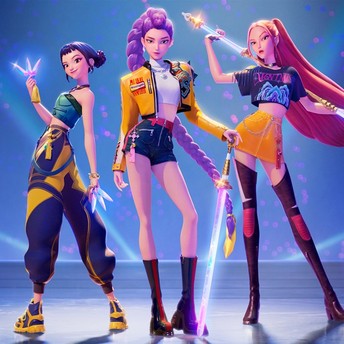
When KPop Demon Hunters debuted on Netflix, it immediately struck a chord with global demographics, blending the high-energy aesthetics of the Korean pop music industry with high-stakes urban fantasy narratives. The fictional acts—most notably the powerhouse group HUNTR/X and their formidable rivals, the Saja Boys—quickly generated real-world streaming momentum. As the film’s soundtrack climbed international music charts, studio executives recognized that the property possessed a rare dual-market appeal: it functioned simultaneously as a prestige entertainment product and a lifestyle aesthetic.
Phase 2: The Lifestyle Expansion and Specialty Goods
Following the film’s initial streaming dominance, the first wave of consumer products hit the market in rapid succession. Rather than sticking to standard t-shirts and posters, the licensing roadmap deployed an eclectic array of lifestyle goods. Vans introduced custom golden sneakers tailored for younger demographics, while back-to-school season was dominated by branded backpacks. Soft goods manufacturers quickly joined the fray, releasing specialized Squishmallows plush toys that sent secondary markets into a frenzy. Concurrently, Mattel rolled out detailed action figure lines, while specialty manufacturers released replica collector items, most notably heavy-duty plastic swords modeled after Rumi’s iconic weapon.
Phase 3: The Live-Action Transition and Tour Announcements
In May, the brand announced its most ambitious venture yet: a massive live-world concert tour slated for 2027. This announcement fundamentally altered the merchandising trajectory. To prepare audiences for the live experience, the market was flooded with official tour lightsticks and interactive gear. It was within this climate of live-event anticipation that the trading card vertical was introduced, beginning with the initial "Energy Edition" sets and culminating in KAYOU’s recent introduction of the Special Mini Edition Series 1 Collector Box.
Supporting Context & Metrics: Anatomy of the Mini Trading Card Phenomenon
The collectibles market is notoriously fickle, yet KAYOU’s introduction of the Kpop Demon Hunters Special Mini Edition has successfully disrupted industry norms through calculated sizing, strategic distribution, and intricate tiered rarities.

Product Specifications and Retail Ecosystem
The Series 1 Collector Box breaks down into a compact, accessible format designed for both casual buyers and hardcore completionists:
- Box Composition: Each collector box contains four individual foil packs.
- Pack Density: Each pack houses three miniature cards.
- Total Set Size: The complete base and variant set spans 41 unique collectible cards.
- Pricing & Availability:
- GameStop: Lists the four-pack box at $11.99 (with a discounted rate of $11.39 for Pro loyalty members). Offers in-store pickup, same-day delivery, and three-day home shipping.
- Walmart: Carries the product via partnered inventory with high consumer ratings (averaging 4.6 stars), reflecting robust secondary demand.
- Best Buy: Stocks the collection primarily via in-store pickup models, catering to immediate local demand in key metropolitan markets.
The Five Rarity Tiers and Technological Innovation
Despite being roughly half the physical dimensions of standard trading card formats, KAYOU’s mini edition utilizes advanced printing techniques to ensure visual impact across five distinct rarity tiers:
- Super Spark Rare: These cards spotlight core characters in narrative-specific situations, utilizing holographic foil treatments that catch light dynamically across cramped surfaces.
- Holo Rare (Lenticular Motion Cards): Utilizing cutting-edge lenticular technology, these cards feature shifting poses and dynamic action sequences as the viewing angle changes. Uniquely, these cards are engineered with pre-punched holes, allowing fans to repurpose them as wearable charms or bag tags.
- Legacy Rare: Drawing deep inspiration from traditional anime illustration styles and modern K-pop photo-card culture, these cards serve as a nostalgic bridge between traditional trading card aesthetics and modern idol fandom.
- Special Cards: Dedicated explicitly to the interpersonal dynamics and fan-interaction artwork of HUNTR/X, these feature vibrant band logos, expressive character portraits, and stylized typography.
- Creative Rare: Focused heavily on performance art, these cards capture the sweat, staging, and explosive energy of the characters’ concert presence, anchoring the physical product directly to the forthcoming 2027 world tour theme.
Official Statements and Industry Insights
The convergence of high-tier manufacturing and pop music fandom has generated considerable commentary from retail analysts and manufacturing partners alike. While specific financial disclosures between Netflix and KAYOU remain private, retail data highlights an unprecedented consumer appetite for micro-collectibles.
Industry insiders point out that the decision to release a "mini" format was calculated to capture the demographic habits of younger, mobile-first consumers. According to logistics reports from major retail partners, the product’s high-demand status has triggered rolling inventory constraints, positioning the Series 1 box as a primary target for speculative collectors.
Furthermore, retail analysts emphasize that the integration of functional elements—such as pre-punched holes in the Holo Rare tier—transforms static paper goods into dynamic fashion accessories. This design philosophy mirrors the broader K-pop merchandise ecosystem, where fans routinely customize bags, phones, and concert gear with personalized photo-cards and charms. By embedding these behaviors directly into the manufacturing process, KAYOU and Netflix have created a closed-loop system of self-expression and brand loyalty.
Future Outlook: The Horizon of Entertainment Merchandising
As the entertainment industry looks toward 2027 and the impending launch of the KPop Demon Hunters world concert tour, the trajectory of the franchise offers a definitive blueprint for modern intellectual property management. The days of relying solely on box office revenue or streaming royalties are officially over; contemporary franchises survive and thrive based on their ability to permeate the daily lifestyle of their consumer base.
The success of the KAYOU Special Mini Edition trading cards signals that physical collectibles are experiencing a renaissance. In a digitally saturated world where music, movies, and media are consumed invisibly through screens, fans possess a profound psychological hunger for tangible, tactile ownership. Whether through a 4.6-star-rated trading card box purchased at GameStop, a customized backpack, or a replica sword, consumers are eager to physically manifest their fandom.
Looking forward, industry projections suggest that subsequent series of the KPop Demon Hunters trading card line will expand into digital-physical hybrid ecosystems, potentially incorporating augmented reality (AR) features or blockchain-verified authenticity markers for ultra-rare tiers. Regardless of how the technology evolves, one reality remains certain: the intersection of animation, K-pop culture, and high-end merchandising has permanently altered the retail landscape, establishing KPop Demon Hunters as a masterclass in modern commercial synergy.