Executive Overview
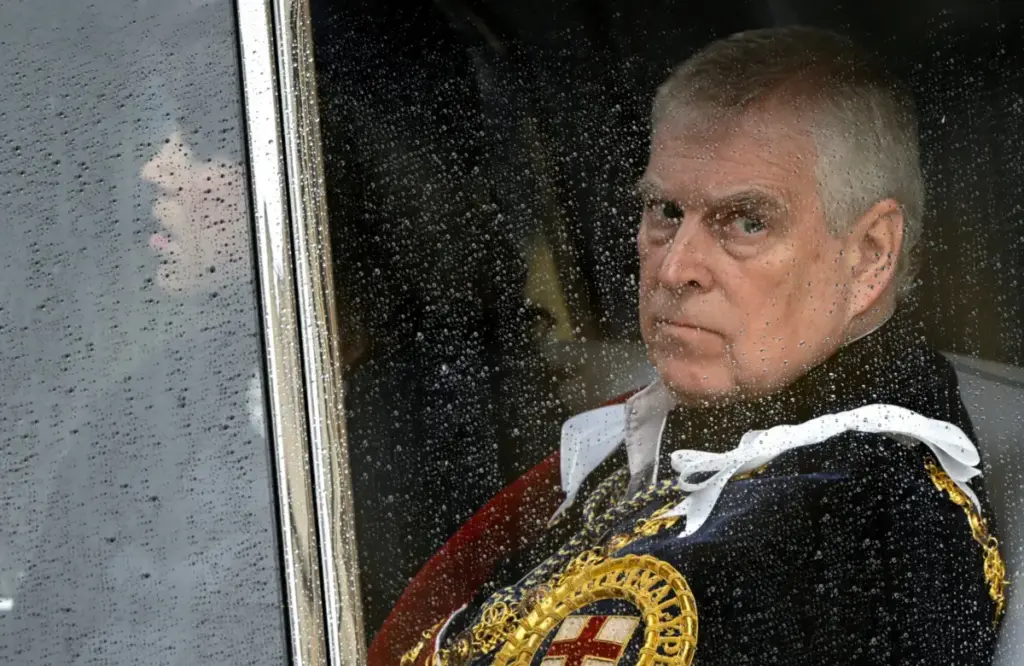
The widening chasm within the British royal family has reached a new milestone as Andrew Mountbatten-Windsor formally declines an invitation to join King Charles III and senior royals for their traditional summer retreat at Balmoral Castle. Despite a formal overture from the monarch—rooted in a residual family duty of care—Mountbatten-Windsor has opted to remain away from the Scottish Highlands, fearing he would be treated as an "outcast" and an "elephant in the room."
This refusal underscores the deep-seated exile of the once-prominent Duke of York, whose public standing has collapsed following relentless revelations concerning his association with the late convicted sex offender Jeffrey Epstein. Once a fixture of high-society gatherings and central royal estates, Mountbatten-Windsor now leads a secluded life on the Sandringham Estate. His withdrawal from family holidays highlights a broader institutional reality: while King Charles balances personal familial obligations with public sentiment, the Firm’s leadership remains firmly committed to maintaining a strict cordon sanitaire around the disgraced former prince to protect the crown’s reputation.
Detailed Chronology of a Royal Downfall
The deterioration of Andrew Mountbatten-Windsor’s status within the House of Windsor is not a sudden rupture, but the culmination of years of mounting scandals, legal pressures, and public outrage.

[October 2025] ──► Titles Surrendered & Memoirs Published (Virginia Giuffre)
       │
[February 2026] ──► Arrested on Suspicion of Misconduct in Public Office & Relocated to Sandringham
       │
[August 2026]  ──► Declines Balmoral Invitation, Citing Fear of Isolation
Fall 2025: The Surrender of Titles and Coat of Arms
The critical turning point in Mountbatten-Windsor’s institutional excommunication arrived in October 2025. Following the publication of harrowing memoirs by Virginia Giuffre—which brought fresh, intensely graphic scrutiny to the dark corners of the Epstein trafficking ring—public pressure reached a boiling point. Under intense institutional pressure, Mountbatten-Windsor officially relinquished his remaining titles, including the Dukedom of York.
Shortly thereafter, in an unprecedented symbolic humiliation, his royal coat of arms was physically ripped down from the walls of Windsor Castle. Historically, the unceremonious removal of a coat of arms has been reserved exclusively for acts of high treason or taking up arms against the Crown, illustrating the profound severity with which the establishment viewed his transgressions.
February 2026: Arrest and Relocation
The crisis escalated dramatically in February 2026. Following the U.S. Justice Department’s release of extensive new records tied to Jeffrey Epstein, British authorities acted. Mountbatten-Windsor was arrested on suspicion of misconduct in public office amid allegations that he had facilitated access and arranged tours of Buckingham Palace for victims of trafficking.

In the wake of his arrest and subsequent police bail, his living arrangements shifted permanently away from Windsor. He was relocated to a smaller, closely monitored property on the Sandringham Estate—privately owned by King Charles—where his movements could be more effectively managed away from the capital’s glaring spotlight.
Supporting Context & Metrics: The Anatomy of an Institutional Exile
The decision to shun Balmoral reflects a calculated assessment of the social dynamics currently governing the royal household. According to close associates, Mountbatten-Windsor believes that undertaking the journey to Scotland offers "no great desire" and "nothing to gain."
The Psychology of the "Elephant in the Room"
Insiders report that Mountbatten-Windsor feels entirely abandoned by the institution he served for decades. By opting out of the Balmoral retreat, he avoids the awkward, heavily choreographed interactions that would inevitably define his presence among working royals. To travel north would be to step into an environment where he is isolated by design—segregated from official family photo-ops, excluded from state-level discussions, and treated with glacial politeness by relatives acutely aware of the cameras.

Shifting Realities at Sandringham
His current residence on the Sandringham Estate represents a dramatic downgrade in lifestyle and status. Far removed from the grand state apartments of Windsor and Buckingham Palace, his daily routine is now characterized by severe isolation. While royal sources have repeatedly emphasized that "there is a duty of care owed to him" as a blood relative of the monarch, this duty has manifested strictly as managed containment rather than rehabilitation or reintegration into public life.
Official Statements and Institutional Paradoxes
The handling of Mountbatten-Windsor’s affairs continues to expose a tension between private familial loyalty and public accountability.
While King Charles has demonstrated a willingness to extend olive branches—such as the Balmoral invitation and ensuring basic residential provisions—the institutional firewall remains impenetrable. Public outrage has been fierce, particularly concerning revelations regarding post-mortem protocols. Reports confirmed that despite losing his titles and facing criminal investigations, Mountbatten-Windsor remains listed on a secret government schedule for high-profile ceremonial state funerals under the "Bridge" contingency plans.

This revelation sparked immediate condemnation from survivor advocacy groups and anti-monarchy commentators alike, who argue that honoring a disgraced figure with a royal ceremonial funeral insults victims of abuse and causes unnecessary embarrassment to the Crown. Buckingham Palace has largely maintained a policy of strict non-comment regarding these operational government plans, preferring to let the silence surrounding Mountbatten-Windsor speak for itself.
Future Outlook: A Permanent Shadow Over the Monarchy
As the British monarchy navigates a modernizing era under King Charles III, the ghost of Andrew Mountbatten-Windsor remains an enduring liability.
- Permanent Exclusion from Public Life: There is zero operational or political appetite within the current royal establishment to restore Mountbatten-Windsor to any semblance of public duties. His exile is permanent.
- Management of Estate Living: Moving forward, his life will likely remain confined to private royal properties like Sandringham, where his movements can be carefully insulated from public demonstrations and media intrusion.
- Legacy Implications: The ongoing legal fallout, combined with the lingering questions surrounding government funeral protocols, ensures that the Mountbatten-Windsor affair will continue to serve as a cautionary tale regarding accountability, royal privilege, and the limits of institutional protection in the 21st century.
For now, the former prince remains locked in a self-imposed and institutionalized isolation—a stark reminder that within the modern House of Windsor, proximity to the crown is no longer a shield against the consequences of public disgrace.