Executive Overview
The upper echelons of the global fashion industry find themselves at a profound cultural and ethical crossroads. Following intense public backlash and sweeping industry criticism regarding its initial curation, the Metropolitan Museum of Art’s Costume Institute faced a seismic shift for its upcoming exhibition calendar. The anticipated 2027 showcase—originally slated to honor designer John Galliano under the theme “John Galliano: Horizons”—collapsed when Galliano officially bowed out amid mounting pressure. The controversy reopened old wounds surrounding the designer’s 2011 conviction in France for public antisemitic and racist outbursts, forcing museum leadership, cultural critics, and fashion insiders to reevaluate the criteria by which the industry bestows its highest accolades.
As the institution searches for a moral and aesthetic compass that aligns with contemporary values without sacrificing theatricality, a compelling alternative emerges from an unexpected corner of American culture. This proposal does not look to the Parisian ateliers or the cloistered corridors of haute couture, but to East Tennessee.
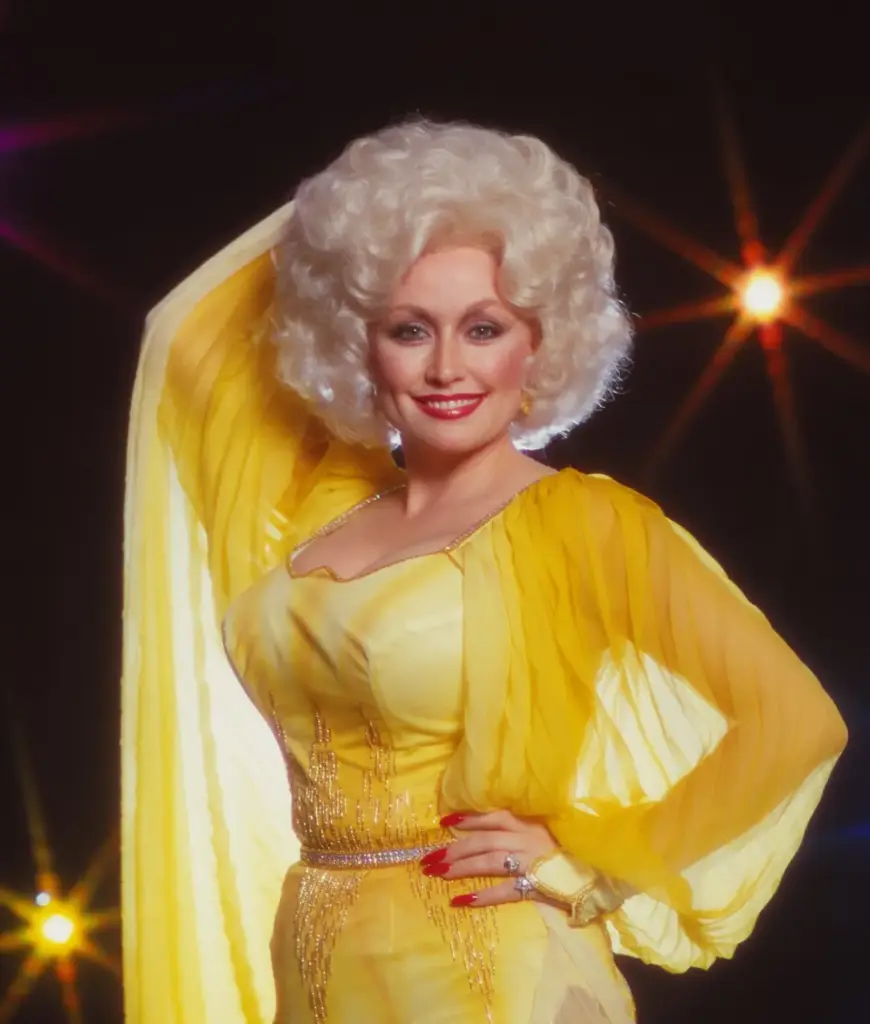
Dolly Parton—a living legend whose mastery of character, unyielding authenticity, and lifetime of radical generosity have made her an enduring global icon—represents the antithesis of the scandal-plagued exclusivity that frequently plagues high fashion. While Parton has never attended the Met Gala, her influence on design masters from Alessandro Michele to Galliano himself proves that her aesthetic vocabulary is deeply woven into the fabric of modern style.
This article examines the fallout from the Costume Institute’s curatorial misstep, analyzes Parton’s profound, multi-generational impact on fashion and beauty, and explores the transformative potential of pivoting the world’s most visible red carpet toward a celebration of unbridled, inclusive joy.
Detailed Chronology
To understand the urgency of the current cultural pivot, one must trace the sequence of events that led the Met Costume Institute to its present vulnerability, contrasted against the lifelong trajectory of fashion’s most unlikely muse.
The 2011 Fallout and the 2027 Retrospective Debacle
- February–March 2011: Designer John Galliano, then at the height of his creative powers at Dior, was arrested and subsequently fired following a highly publicized incident in Paris involving antisemitic and racist verbal assaults against patrons at a café.
- September 2011: A French court found Galliano guilty of “public insults” based on origin, religion, race, or ethnicity. While the designer subsequently underwent rehabilitation, sought forgiveness, and mounted gradual career comebacks—including stints with Oscar de la Renta and Maison Margiela—the stain of his actions remained a volatile lightning rod within the fashion community.
- Late 2025/Early 2026: The Metropolitan Museum of Art announced plans for the 2027 Costume Institute exhibition, tentatively titled “John Galliano: Horizons.” The decision immediately ignited fierce backlash from cultural commentators, advocacy groups, and patrons who argued that celebrating a figure with an unaddressed history of hate speech sent a damaging message.
- Yesterday: Facing an untenable wave of public condemnation and institutional pressure, John Galliano formally withdrew from the 2027 Met Costume Institute retrospective, leaving the museum with a vacant thematic anchor and an urgent mandate to redefine its cultural positioning.
Dolly Parton’s Aesthetic and Philanthropic Evolution
- The Early Years (1940s–1950s): Growing up in poverty in the Smoky Mountains, a young Dolly Parton found her earliest style inspiration in an unexpected figure—the local woman whom townspeople marginalized as the “town tramp.” Far from adopting conventional modesty, Parton was captivated by the woman’s heavy makeup, bright colors, and unapologetic self-expression.
- The "Coat of Many Colors": Crafted from rags by her mother with profound love and worn with immense pride, Parton’s childhood coat became a foundational symbol of how humble garments can be imbued with deep memory, emotion, and storytelling. Music historians later ranked it among the three most famous articles of clothing in music history, alongside Prince’s raspberry beret and Elvis Presley’s blue suede shoes.
- The Rise of the Icon (1970s–1980s): As her musical career soared, Parton cemented her signature look: towering wigs, plunging necklines, skin-tight silhouettes, feathers, fringe, and an abundance of rhinestones. Rejecting minimalism and what would decades later be termed “quiet luxury” or “clean girl beauty,” she famously quipped, "It takes a lot of money to look this cheap."
- High Fashion Recognition (1990s–Present): Despite operating outside the traditional fashion establishment, Parton became a perennial muse for major designers. John Galliano himself incorporated elements of her aesthetic—playing “Jolene” during his fall 1999 ready-to-wear show while models walked out in bibbed overalls and fringed knits. In 2018, Gucci’s Alessandro Michele sent models down the runway in denim jackets bearing Parton’s portrait and the pink lettering of her Dollywood theme park.
- The Philanthropic Legacy: Unlike many cultural icons who amass unchecked wealth, Parton has consistently redirected her fortunes into community initiatives, most notably her Imagination Library, which has gifted over 200 million books to children worldwide. Her financial commitments ensure that her legacy is measured not by billionaire status, but by humanitarian impact.
Supporting Context & Metrics
The debate over who deserves fashion’s highest platform is not merely academic; it reflects shifting consumer demands for transparency, inclusivity, and emotional resonance in art and design.
The Economics of Extravagance vs. Minimalist Conformity
In an era dominated by algorithmic trends—ranging from "clean girl aesthetic" to quiet luxury—the fashion market has experienced a fatigue born of homogenization. Minimalism, while commercially viable, often strips away personality, irony, and human warmth. Parton’s maximalist philosophy offers a direct counter-narrative: clothing as a joyful, transformative costume rather than an exercise in understated conformity.
.jpg)
| Aesthetic Paradigm | Core Philosophy | Cultural Impact |
|---|---|---|
| Clean Girl / Quiet Luxury | Neutral tones, understated wealth, seamless blending. | Promotes uniformity; often criticized for narrow definitions of polished beauty. |
| John Galliano / Avant-Garde | Historical pastiche, theatrical excess, high-craft atelier focus. | Highly influential technically, but historically vulnerable to exclusionary or controversial artistic behavior. |
| The "Dolly" Paradigm | Unapologetic performance, joyful self-creation, radical inclusivity. | Combines high-camp spectacle with universal empathy and zero exclusionary malice. |
The Power of Linguistic and Aesthetic Authenticity
When Allure surveyed celebrities and beauty professionals for its landmark American Beauty issue, Dolly Parton provided a definition that transcends physical appearance:
"A true American beauty is a person who loves everybody regardless of race, religion, or sexual orientation. In today’s crazy world, we need more love and less hate. If everyone respects one another, the world would be a much better place."
This sentiment underscores a critical metric missing from traditional high-fashion curation: the correlation between aesthetic spectacle and ethical integrity. While the fashion industry has historically separated the art from the artist—excusing bad behavior in exchange for aesthetic genius—modern cultural consumption demands accountability. Parton proves that radical creativity and deep-seated kindness are not mutually exclusive.
Official Statements & Industry Commentary
The cultural reassessment triggered by Galliano’s withdrawal has drawn sharp commentary from leading fashion journalists, historians, and literary voices.
- Rebecca Bengal, writing in Vogue (2014): In her seminal essay titled "Why Dolly Parton Doesn’t Need Fashion (And Why Fashion Desperately Needs Dolly)", Bengal urged the industry to study lessons from one of its greatest muses, noting how houses like Chanel, Rodarte, and Prada repeatedly draw on unconscious "fashion Dollyisms."
- Vanessa Friedman, writing in The New York Times: Highlighted the enduring cultural footprint of Parton’s sartorial choices, noting that the "Coat of Many Colors" stands shoulder-to-shoulder with the most iconic style artifacts of the twentieth century because of its emotional architecture.
- Valerie Monroe, writing in Allure: Described Parton’s physical transformations as "playful, creative, an exercise in extravagance, a loving tribute to the ‘trashy’ character she wanted to be," emphasizing that her authenticity remains utterly undeniable beneath the heavy makeup and towering wigs.
- John Galliano (Historical Context): Reflecting on his own inspirations, Galliano acknowledged the profound storytelling power of Americana, once channeling the spirit of Parton’s rural Appalachian narrative into his runway presentations. Yet, the stark contrast between his institutional stumble and Parton’s untainted public record highlights the perils of centering artistic genius without ethical grounding.
Future Outlook
As the Metropolitan Museum of Art’s Costume Institute regroups following the collapse of the 2027 Galliano retrospective, the institution faces a historic opportunity to reinvent its public narrative. The path forward requires a departure from old paradigms of artistic exceptionalism that excuse personal misconduct.
- Redefining Museum Curation: Future exhibitions must interrogate not only the technical innovation of garments but the cultural narratives and ethical values embedded within them. Honoring figures who utilize fashion as an instrument of joy, connection, and social good can revitalize public trust in cultural institutions.
- The Case for a Parton-Centric Theme: Imagine a future Met Gala where the red carpet serves as a joyous, self-aware celebration of camp, extravagance, and radical inclusivity. A theme centered on the art of the costume, inspired by Parton’s philosophy of self-creation, would invite the world’s most celebrated designers and celebrities to embrace humor, color, and heartfelt storytelling.
- Merging High Art with Universal Empathy: The ultimate lesson of the current crisis is that fashion cannot exist in an ethical vacuum. By embracing muses who champion love over hate, community over exclusivity, and joy over pretension, the global fashion community can step into a more accountable, resonant, and universally celebratory future.
As the industry looks toward the horizon, the answer has arguably been hiding in plain sight all along: it is time to let the spirit of Dolly Parton guide the runway, proving once and for all that the most powerful thing a piece of clothing can do is spread unadulterated joy.