Executive Overview
In the sprawling, often surreal landscape of internet meme culture, the boundary separating real-world tragedy from digital satire is frequently razor-thin. This phenomenon was starkly highlighted when a purportedly new photograph of Patrick Crusius—the perpetrator of the devastating 2019 El Paso Walmart mass shooting—surfaced across social media platforms, including Reddit and X (formerly Twitter). Crusius, who is serving multiple consecutive life sentences for executing one of the deadliest hate crimes in modern American history, is ironically better known to vast segments of the internet by a crude line-drawing caricature bearing his likeness: the "Chudjak."
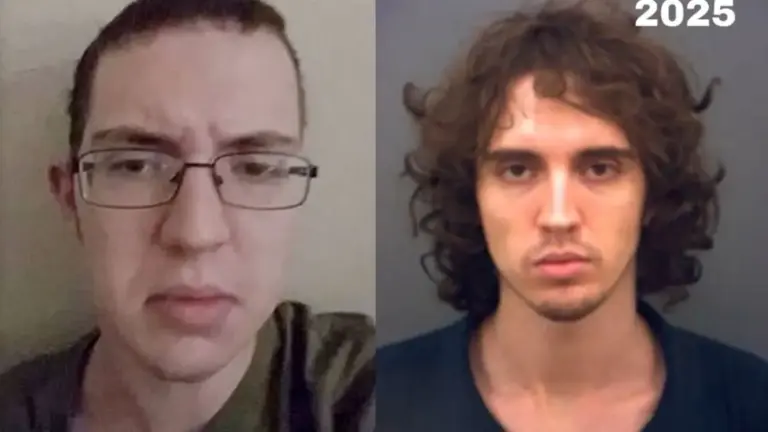
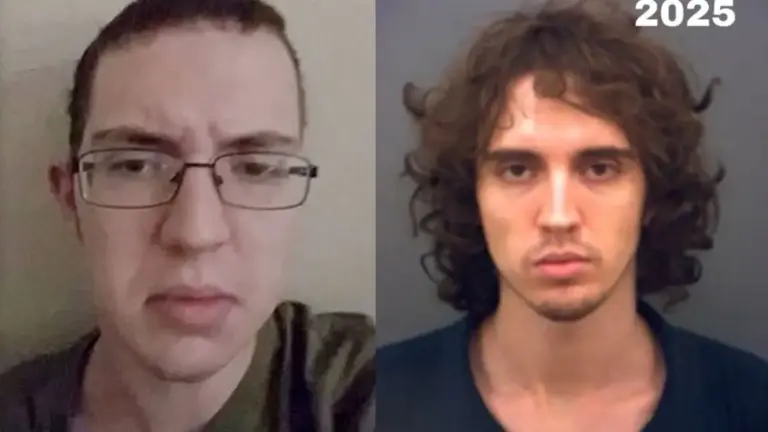
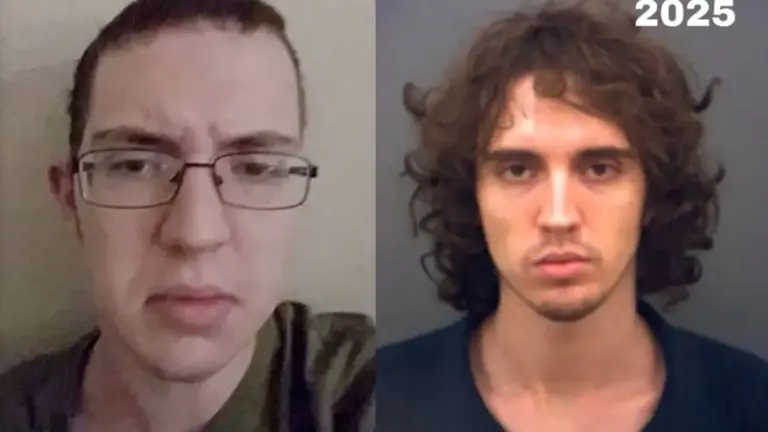
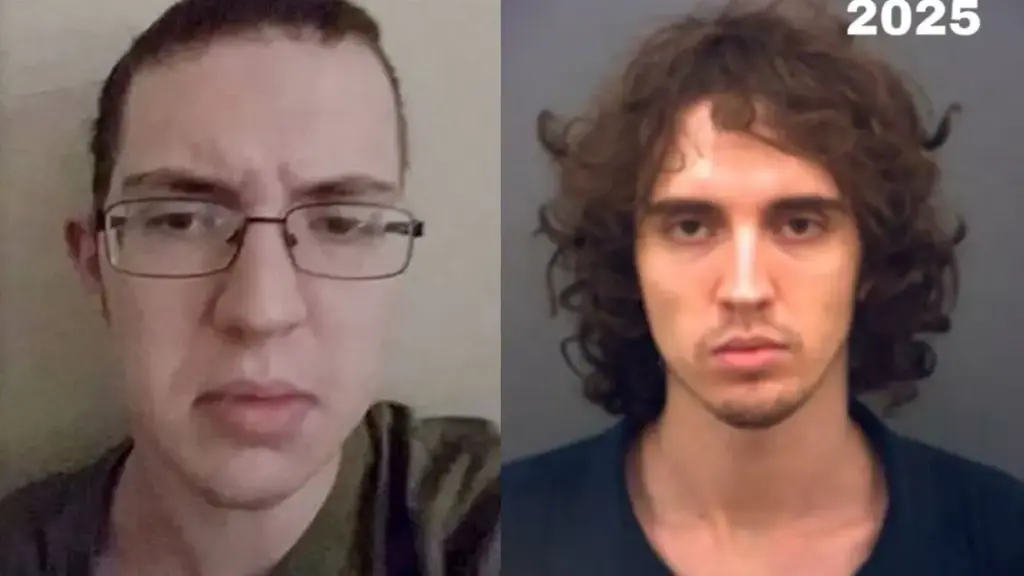
The emergence of this new photographic evidence, reportedly acquired via a Freedom of Information Act (FOIA) request and dating back to approximately July 2023, immediately triggered a torrent of dark internet humor. Social media users flooded feeds with memes, ironic commentary, and bewildering observations about Crusius undergoing an unexpected physical "glow-up." Stripped of his trademark glasses, sporting longer curly hair, and wearing facial scruff, the convicted mass murderer bore a superficial resemblance to an indie rock musician rather than the bleak, caricatured internet meme he inspired.
This incident exposes a disturbing facet of contemporary digital sociology: the detachment of real-world atrocities from their victims through cycles of memetic abstraction. For millions of online participants, Crusius is no longer recognized primarily as a domestic terrorist responsible for the slaughter of 23 innocent people, but rather as the avatar of misanthropic doom encapsulated by catchphrases like, "The West has fallen. Billions must die."
This investigative report examines the chronology of the photograph’s leak, the anatomy and cultural origin of the Chudjak meme, the psychological mechanisms driving viral internet responses to horrific crimes, and the broader implications of digital hyper-reality where true crime, extreme violence, and shitposting continually collide.
Detailed Chronology: From FOIA Request to Viral Infamy
The Leak on Reddit (April 25, 2025)
The digital lifecycle of this recent viral wave began on April 25, 2025, within the depths of Reddit. A user identified as /u/uncanealguinzaglio submitted a post to the /r/masskillers subreddit, sharing what they claimed to be an official federal mugshot of Patrick Crusius. According to the uploader, the document had been legally obtained via a Freedom of Information Act (FOIA) inquiry.
The image depicted a noticeably altered Crusius. Gone was the clean-cut, bespectacled appearance from his initial 2019 arrest photos that cemented his visual blueprint in the minds of extremist internet trolls. Instead, the photograph featured a somber-looking inmate with longer, unkempt curly hair and facial scruff.
Realizing the potential violation of platform policies regarding the glorification or unauthorized dissemination of violent criminals, Reddit moderators swiftly scrubbed the post from the platform. However, in the hyper-accelerated ecosystem of the internet, deletion acts merely as an accelerant. Screenshots had already been harvested, packaged, and exported to competing social networks.
Clarifying the origins of the photograph, the original uploader noted in subsequent commentary that the image dated back to approximately July 2023, coinciding with Crusius entering federal guilty pleas:
"From when he plead guilty to federal charges. Circa July of 2023. It was not taken BY the federal government; it was taken by El Paso holding him for them. For some reason. But it still came from his federal charges and not state."
The Viral Explosion on X (April 27, 2025)
Two days after the initial Reddit containment failure, the image breached mainstream digital spaces. On April 27, 2025, X user @TruueDiscipline published a post featuring the unmasked, scruffy photograph alongside the provocative and darkly humorous caption:
"This is what chudjak looks like now… feel old yet?"
The post acted as a match to a powder keg. Within forty-eight hours, the tweet rocketed past 1.2 million views, accumulating over 17,000 likes and generating thousands of retweets and quote-tweets. The juxtaposition of a notorious mass casualty perpetrator with a classic, mundane internet nostalgia bait format ("feel old yet?") proved irresistible to a generation of digital natives conditioned to process trauma and horror through irony.
The Memetic Backlash and Escalation
As the image permeated various online enclaves, users responded with a mix of disbelief, absurdism, and psychological deflection.
- The "Indie Rock" Comparison: X user
@hayasaka_aryanposted a side-by-side comparison of Crusius, captioning it, "From chud to indie rock singer," effectively aestheticizing a domestic terrorist through the lens of modern hipster culture. - Absurd Reactions: Other accounts posted classic reaction images, such as the Cereal Guy meme spitting out his breakfast in shock, while female-centric meme formats were mobilized to joke about misguided true-crime subcultures romanticizing violent offenders.
- Fact-Checking and Recent Court Appearances: As the "Feel Old Yet?" meme continued to spread,
@TruueDisciplineand other archival accounts issued clarifications, noting that the viral photo captured Crusius circa 2023. They contrasted it with more recent visual documentation—specifically, photographs from Crusius’s court hearings in April 2025, where he formally pleaded guilty to state capital murder charges while once again wearing glasses and sporting a fuller beard.
Supporting Context & Metrics: The Anatomy of "Chudjak"
To understand why a prison photograph of Patrick Crusius generated millions of impressions, one must trace the genealogy of the "Chudjak" meme back to its subterranean origins on imageboards.

[4chan /pol/ Board, Late 2019]
       │
       ▼
[Creation of Chudjak Line Drawing]
       │
       ▼
[Adoption of Catchphrase: "The West has fallen. Billions must die."]
       │
       ▼
[Mainstream Irony Poisoning & Spread to X / Reddit]
       │
       ▼
[2023/2025 Prison Photo Leak & Viral "Glow-Up" Satire]
The Origins on 4chan’s /pol/ Board
The Chudjak meme was born in late 2019 on 4chan’s notoriously toxic politically incorrect imageboard, /pol/. Emerging as a stylistic mutation of the ubiquitous "Wojak" (or "Feels Guy") template, the Chudjak was specifically sketched to mock online political extremists, doomer subcultures, and self-righteous internet commentators.
Characterized by distinct visual markers—thick-rimmed glasses, deep nasolabial folds, and a perpetual downward-turned frown—the caricature was explicitly modeled on the physical appearance of Patrick Crusius following his arrest for the August 3, 2019, El Paso Walmart shooting, which claimed 23 lives and injured 22 others. Crusius had authored a white supremacist manifesto prior to the attack, targeting Hispanic immigrants.
From Terrorist to Abstract Symbol
Over the course of half a decade, the specific historical context of the Chudjak drawing underwent digital dilution. Through relentless reposting, deep-frying, and iterative variations, the character transformed from a direct mockery of a real-world mass shooter into a generalized symbol for internet cynicism.
The accompanying catchphrase, "The West has fallen. Billions must die," became shorthand for hyperbolic, misanthropic doom-mongering. It is routinely deployed by internet users across the political spectrum to satirize armchair philosophers, hyper-online doomers, and radical ideologues who view contemporary society through an apocalyptic lens.
When the 2023/2025 prison photographs surfaced, they abruptly collapsed the distance between the abstract digital cartoon and the breathing, aging human being sitting in a federal penitentiary. This collision of two distinct realities—the cartoonish meme-space and the grim judicial reality of mass murder—created the surreal cognitive dissonance that drove the content viral.
Official Statements and Legal Realities
While social media users busied themselves with superficial commentary regarding Crusius’s grooming habits and hair growth, the legal system continued to systematically close the book on one of the darkest chapters in Texas history.
The Federal and State Judgments
Patrick Crusius’s journey through the American judicial system has been protracted, marked by overwhelming physical evidence and an explicit paper trail detailing his genocidal motivations.
- Federal Sentencing (2023): In July 2023, Crusius formally pleaded guilty to 90 federal hate crime and weapons charges. U.S. District Judge David Guaderrama sentenced Crusius to 90 consecutive life sentences without the possibility of parole, avoiding the federal death penalty but ensuring he would spend every remaining day of his life incarcerated.
- State Capital Murder Pleas (April 2025): Operating parallel to the federal proceedings, Texas state prosecutors pursued capital murder charges. During court hearings held in April 2025—coinciding temporally with the online circulation of his updated mugshots—Crusius formally entered guilty pleas to state-level capital murder charges to secure multiple concurrent life sentences without parole, sparing the families of the victims a grueling trial while permanently sealing his fate within the state penal system.
Information Control and FOIA Protocols
The leak of Crusius’s federal mugshots underscores the complex friction points between public transparency laws and platform safety policies. Under the Freedom of Information Act (FOIA), federal records—including certain mugshots and intake photographs—are theoretically accessible to private citizens upon request.
However, major technology platforms like Reddit, Meta, and X enforce stringent Terms of Service (TOS) policies prohibiting the harassment, glorification, or monetization of violent criminals and mass shooters. When users like /u/uncanealguinzaglio bypass these friction points by extracting documents through legal channels and reposting them to voyeuristic communities like /r/masskillers, it triggers an ongoing game of digital whack-a-mole for platform trust-and-safety teams.
Future Outlook: The Digital Afterlife of Infamous Perpetrators
The viral resuscitation of Patrick Crusius’s image offers a sobering preview of how digital culture will continue to process historical trauma in the algorithmic age. As long as real-world figures are abstracted into digital memes, the boundary between solemn remembrance and dark internet entertainment will remain porous.
1. The Acceleration of True Crime Voyeurism
The blending of traditional true-crime obsession with shitposting culture creates an environment where violent criminals achieve a perverse form of celebrity status. Future legal proceedings involving high-profile defendants will increasingly face immediate memetic reframing the moment paperwork or imagery crosses the threshold of public transparency.
2. Algorithmic Amnesia
Platforms optimized for engagement prioritize novelty over nuance. The fact that an image of a convicted mass murderer can be decoupled from his crimes and transformed into a viral "glow-up" joke demonstrates a profound degree of algorithmic amnesia. Users engaging in these jokes often display a profound disconnect from the human cost of the tragedies they reference, treating historical violence as consumable content.
3. Institutional Challenges for Content Moderation
As federal and state agencies continue to process FOIA requests regarding high-profile inmates, trust-and-safety departments across social media networks will face mounting pressure to refine automated detection tools. Preventing the re-emergence of violent offenders in meme formats requires proactive monitoring that goes beyond keyword matching, adapting to visual substitutions like the Chudjak caricature.
Ultimately, the viral episode surrounding Crusius’s updated appearance serves as an uncomfortable mirror reflecting the internet’s deepest pathologies. By turning a mass murderer into an animated caricature, and subsequently reacting with shock when that caricature ages into a real human prisoner, digital culture reveals its persistent struggle to reconcile the digital simulation with brutal, inescapable reality.