Executive Overview
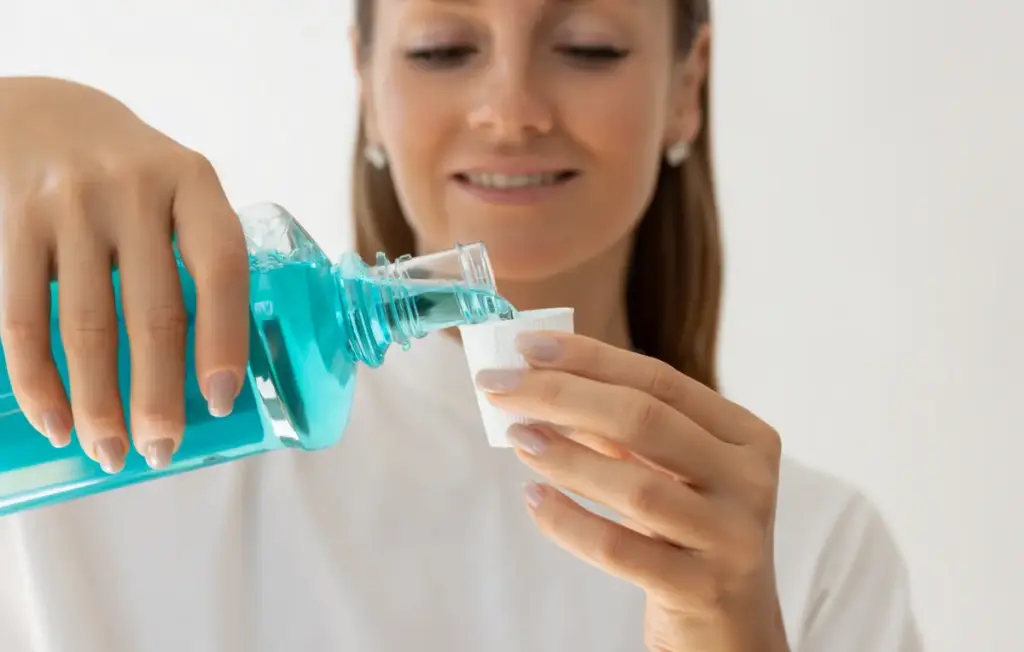
For decades, the standard bathroom routine has followed a familiar, unexamined cadence: brush the teeth, floss hurriedly if time permits, and finish with a vigorous, eye-watering swig of mouthwash straight from the bottle. It is a ritual reinforced by decades of vibrant television advertisements, social media beauty gurus, and the comforting, albeit stinging, sensation of minty freshness. Yet, according to leading dental professionals, millions of consumers are inadvertently undermining their own dental hygiene efforts.
The misconception begins with a fundamental misunderstanding of what mouthwash actually is. Far from being a monolithic product designed for general "cleanliness," mouthwash is a specialized therapeutic or cosmetic agent with distinct chemical formulations. Using the wrong formula—or, more crucially, using the right formula at the wrong time—can neutralize active ingredients, wash away vital mineral protections, and leave teeth vulnerable to decay.
This investigative report examines the science of modern oral care, breaking down the distinct categories of mouthwash, the precise timing required for maximum efficacy, and the hard truths behind common bathroom habits. Drawing on insights from prominent cosmetic and restorative dentists, we explore why the age-old impulse to "rinse with water" after brushing is actively harming your teeth, why the burning sensation you associate with cleanliness is a marketing myth, and how to restructure your daily routine for optimal oral health.
Detailed Chronology: The Evolution and Misapplication of Mouthwash
To understand where modern oral care went wrong, it is helpful to examine how mouthwash transitioned from a clinical antiseptic into an everyday cosmetic staple.
From Medical Antiseptic to Bathroom Cabinet Staple
Historically, mouth rinses were developed primarily as medical-grade antiseptics designed to reduce microbial loads in surgical settings or to treat specific periodontal infections. Over the course of the 20th century, commercial entities recognized the massive market potential of bottling these formulas for consumer use. Marketing campaigns capitalized on social anxieties surrounding bad breath (halitosis), successfully reframing mouthwash as the ultimate finishing touch for personal hygiene.
As the market expanded, so did the variety of formulations. Manufacturers began adding alcohol for shelf-life stability and solvent properties, which incidentally produced an intense burning sensation. Consumers quickly—and incorrectly—learned to equate this burning sensation with efficacy, assuming that if a product hurt, it was aggressively destroying bacteria.
The Modern Awakening: A Beauty Editor’s Confession
The realization that consumer habits were fundamentally flawed came to light as beauty and wellness spaces began cross-examining routine self-care products with dermatological and dental experts. For years, beauty editors—supposed authorities on skin care, wellness, and hygiene—admitted to selecting mouthwash based entirely on superficial metrics: social media hype, retail convenience, or aesthetically pleasing packaging on store shelves.
When industry professionals finally consulted with top-tier dental practitioners, a startling consensus emerged: the vast majority of consumers were using mouthwash completely out of sequence, effectively wasting money and diluting the protective benefits of their toothpaste.
Supporting Context & Metrics: The Science of Oral Care Formulations
Navigating the oral care aisle requires a foundational understanding of the three primary categories of mouthwashes available on the market today. According to Dr. Jon Marashi, a prominent Los Angeles-based cosmetic dentist, failing to distinguish between these categories is the primary reason home routines fail.
+-------------------------------------------------------------------------+
|                       THE THREE MOUTHWASH CATEGORIES                    |
+---------------------------+---------------------+-----------------------+
| Category                  | Primary Purpose     | Key Active Agents     |
+---------------------------+---------------------+-----------------------+
| 1. Fluoride Rinses        | Strengthening       | Sodium Fluoride,      |
|                           | enamel, preventing  | Stannous Fluoride     |
|                           | decay               |                       |
+---------------------------+---------------------+-----------------------+
| 2. Antiseptic /           | Targeting bacteria, | Chlorhexidine,        |
|    Antibacterial Rinses   | reducing gum        | Cetylpyridinium       |
|                           | inflammation        | Chloride (CPC)        |
+---------------------------+---------------------+-----------------------+
| 3. Cosmetic Rinses        | Freshening breath,  | Flavoring agents,     |
|                           | surface clean feel  | Essential oils        |
+---------------------------+---------------------+-----------------------+
1. Fluoride Rinses
Fluoride mouthwashes are designed explicitly for remineralization. They deposit mineral ions onto the tooth enamel, reversing early-stage micro-cavities and fortifying the structural integrity of the teeth against acid attacks from food and bacteria.
2. Antiseptic and Antibacterial Rinses
These therapeutic rinses contain active antimicrobial agents—most notably chlorhexidine (often prescription-only) or cetylpyridinium chloride (CPC). Their primary objective is to disrupt bacterial cell walls, significantly lowering the bacterial load inside the oral cavity and mitigating gingivitis and gum inflammation.
3. Cosmetic Rinses
Cosmetic mouthwashes are essentially breath-fresheners packaged in liquid form. While they make the mouth feel crisp and clean temporarily, they do not alter the oral microbiome in any meaningful, long-term therapeutic way. They are low-stakes additions to a routine, offering psychological comfort rather than deep clinical protection.
Official Statements and Expert Insights
To resolve the confusion surrounding mouthwash integration, leading dental experts have outlined strict guidelines regarding when and how these products should be deployed.
The Timing Dilemma: Before or After Brushing?
The most widespread error in home dental care is the immediate use of mouthwash or water right after brushing the teeth.
Dr. Marashi notes that the timing of your mouthwash depends entirely on its chemical classification.
- Fluoride Mouthwash: Should never be used immediately after brushing. Instead, it should be used independently—ideally at a completely separate time of day, such as after lunch. Using it immediately after brushing with fluoride toothpaste achieves the opposite of its intended effect: it dilutes and washes away the concentrated fluoride left behind by your toothpaste before it has time to bond with the enamel.
- Antiseptic Mouthwash: In contrast, antibacterial rinses are often best utilized before brushing. By introducing an antiseptic rinse prior to picking up your toothbrush, you loosen the bacterial biofilm and reduce the overall microbial load. This gives the physical bristles of your toothbrush an unhindered mechanical advantage when scrubbing the tooth surfaces.
- Cosmetic Mouthwash: Because these rinses possess limited therapeutic value, timing is largely irrelevant. They can be used whenever a quick burst of fresh breath is desired.
The "Spit, Don’t Rinse" Directive
The American Dental Association (ADA) strongly advocates for the use of fluoride toothpaste to protect against structural decay. However, maximizing the benefits of fluoride requires patience.
"You want that fluoride to sit on the tooth surface for at least 30 minutes to continue working," explains Dr. Marashi.
Dr. Glosman, another leading authority in restorative dentistry, emphasizes a strict rule that defies conventional habits: "Spit. Don’t rinse."
Rinsing the mouth out with water immediately after brushing flushes away the residual fluoride paste that needs time to remineralize the enamel. The same penalty applies to washing away toothpaste with an immediate fluoride mouthwash. Both experts agree that if you wish to incorporate a fluoride rinse into your day, you must carve out a dedicated window—away from your morning and evening brushing sessions—to let the product act without interference.
Debunking the Burning Sensation
One of the most persistent myths in personal care is that effective oral hygiene must sting. Many consumers view a burning sensation as proof that a product is actively annihilating bacteria.
Dr. Glosman firmly debunks this notion: "Burning is not proof that something is working. We’ve somehow been trained to think that if our eyes are watering after thirty seconds, the bacteria must really be frightened. That’s not how oral health works."
The burn is typically caused by high concentrations of alcohol used as a solvent in traditional mouthwashes. While alcohol-based rinses are not inherently dangerous for everyone, they can significantly exacerbate dry mouth (xerostomia). Saliva is a natural defense mechanism against tooth decay; therefore, drying out the oral cavity can inadvertently increase long-term dental risks. Dentists increasingly recommend switching to alcohol-free alternatives, particularly for individuals prone to sensitivity or chronic dry mouth.
Future Outlook: Building the Ideal Modern Oral Care Routine
As consumer awareness shifts away from marketing gimmicks toward evidence-based wellness, the future of oral care is becoming increasingly streamlined and intentional. The era of blindly purchasing eye-catching bottles off retail shelves is giving way to a more clinical, personalized approach.
An optimized, science-backed daily routine requires minimal complication but high precision:
- Morning Routine:
- Floss to dislodge interdental plaque and food particles.
- Brush thoroughly with a fluoride-based toothpaste for a full two minutes.
- Crucial Step: Spit out the excess foam, but do not rinse with water or mouthwash. Allow the residual fluoride to remain on your teeth.
- Midday Refresh:
- If utilizing a therapeutic fluoride rinse or an antiseptic rinse, deploy it during a separate window of the day (such as post-lunch) to avoid washing away morning or evening fluoride treatments.
- Evening Routine:
- If using an antiseptic rinse, apply it before brushing to loosen bacterial loads.
- Follow with flossing and brushing using a fluoride toothpaste.
- Once again, spit and do not rinse, allowing the active minerals to protect your teeth throughout the night.
Ultimately, achieving optimal oral health is not about accumulating complex layers of cosmetic products or enduring painful chemical burns. It is about understanding the chemistry of your products, respecting the biological windows required for enamel remineralization, and focusing on the fundamentals: effective plaque removal, healthy gums, and science-backed mineral protection.