Executive Overview
Nostalgia is more than a fleeting emotional reaction—it is one of the most powerful, disruptive economic forces in contemporary retail. For millennials and older Generation Z consumers who spent their formative years navigating the fluorescent-lit corridors of suburban shopping malls, certain sensory triggers remain inextricably tied to their youth. Among the most potent of these olfactory time machines are the iconic metal-tubed fragrances produced by Gap during the mid-1990s and early 2000s. Scents like Dream, Heaven, Grass, and Om were not merely budget-friendly vanity items; they served as cultural currency, adolescent rites of passage, and defining signatures of a distinctly casual, Americana aesthetic.
For over a decade, however, these beloved formulations largely vanished from primary retail channels. While scattered remnants could occasionally be found on clearance shelves at Gap Factory outlet stores, finding an original, untainted bottle of Grass or Dream on secondary marketplaces like eBay required navigating exorbitant collector pricing, with rare bottles commanding hundreds of dollars. The secondary market demand underscored a glaring, unfulfilled market appetite—one that traditional beauty conglomerates and legacy apparel brands alike have increasingly sought to capitalize on through strategic archival revivals.
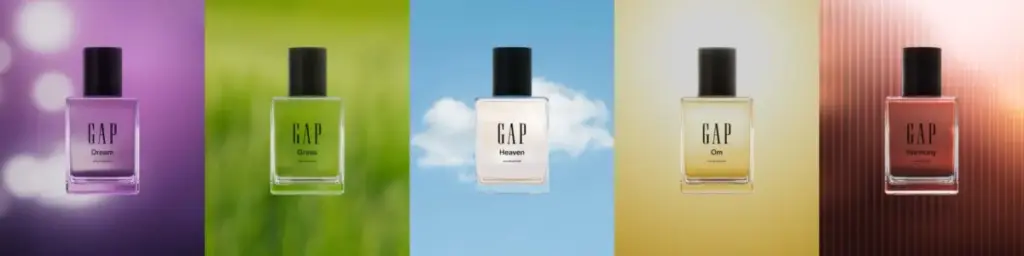
In late July, Gap answered the collective prayers of its loyalists by officially dipping into its corporate archives to reintroduce these legendary scents under the newly minted Gap Beauty umbrella. Yet, this is far more than a simple exercise in unadulterated retro branding. Rather than carbon-copying the exact chemical compositions of 1994 or 1995, Gap’s product development teams thoughtfully reimagined and updated the portfolio to align with modern clean-beauty standards, contemporary perfume chemistry, and the sophisticated palates of 2026 consumers.
This comprehensive review explores the anatomy of the Gap Beauty relaunch, providing an authoritative ranking and breakdown of the initial five-scent drop (Dream, Harmony, Grass, Heaven, and Om), while contextualizing how this drop fits into a broader, highly calculated brand renaissance.
Detailed Chronology: From Mall Staple to Archive Relic and Back
To fully appreciate the cultural and economic significance of the 2026 Gap Beauty relaunch, it is necessary to trace the trajectory of the brand’s fragrance footprint over the past thirty years.
Phase 1: The Golden Age of Mall Culture (1994–2005)
During the mid-1990s, Gap underwent a massive diversification strategy, moving beyond its core identity as a denim and khakis purveyor to become an all-encompassing lifestyle brand. Central to this expansion was the launch of its proprietary personal care and fragrance line. Packaged in minimalist, industrial-chic aluminum tubes and clear glass bottles, scents like Heaven (launched in 1994) and Dream (launched in 1995) disrupted a fragrance market that had previously been dominated by heavy, complex, department-store formulations.
.jpg)
These scents championed a revolutionary concept: casual, approachable transparency. They smelled clean, unpretentious, and youthful. For a generation of teenagers and tweens pooling their babysitting earnings, purchasing a travel-sized metal tube of So Pink or Dream was an accessible entry point into the world of personal grooming. They were worn to middle-school dances, high-school sports practices, and weekend mall hangouts, embedding themselves deeply into the collective sensory memory of a generation.
Phase 2: Corporate Shifts and the Long Disappearance (2010s)
As fast-fashion giants altered consumer shopping habits and e-commerce reshaped brick-and-mortar retail throughout the 2010s, Gap experienced severe cultural and financial turbulence. In an effort to streamline operations and refocus on core apparel, the brand systematically dismantled its beauty division. While select, highly watered-down iterations of the classic scents lingered in the discount-driven ecosystem of Gap Factory outlet stores, the prestige-adjacent allure of the main-line fragrances evaporated.
Online, communities on Reddit, TikTok, and fragrance forums began trading memories, swapping tips on vintage scent preservation, and lamenting the loss of formulations that modern perfumery seemed to have left behind. Original bottles became holy-grail vintage finds, often commanding steep collectors’ prices from nostalgic buyers desperate to recapture their youth.
Phase 3: The Modern Renaissance and 2026 Relaunch (2024–Present)
The modern resurrection of Gap did not happen in a vacuum. Over the past two years, the brand executed a masterclass in cultural repositioning. Under the creative and marketing leadership of the modern era, Gap orchestrated high-profile collaborations with global music sensations like KATSEYE, Tyla, and Troye Sivan, alongside style icons such as Hailey Bieber. Concurrently, a massive cultural obsession with vintage Gap—driven by Gen Z thrifting trends and archival fashion appreciation—catapulted the retailer back into the cultural zeitgeist.
Recognizing this convergence of 1990s nostalgia and contemporary cool, Gap leadership made the strategic decision to resurrect its fragrance heritage. In late July, the brand formally debuted Gap Beauty, reintroducing its most iconic scent profiles with modernized formulations designed to capture both the original vibe and the exacting standards of the 2026 beauty consumer.
Supporting Context & Metrics: The Economics of Olfactory Nostalgia
The decision to relaunch the Gap fragrance archive is underpinned by hard market metrics and shifting consumer behaviors in the global beauty and wellness sectors.

- The Nostalgia Economy: According to recent retail analytics, products anchored in 1990s and Y2K nostalgia consistently outperform standard new-product launches in terms of initial consumer acquisition velocity. Brands that successfully leverage emotional equity see organic social media engagement rates up to 40% higher than traditional marketing campaigns.
- The Rise of "Skin Scents" and Clean Profiles: The modern fragrance consumer has pivoted decisively away from cloying, heavy gourmands and overly synthetic florals toward clean, breathable, skin-like aromas. The updated Gap Beauty portfolio—with its emphasis on sheer musks, crisp green notes, and transparent florals—positions the brand perfectly within this multi-billion-dollar market segment.
- Affordable Luxury Pricing: Priced competitively at $52 for a standard Eau de Parfum format, the new Gap fragrances occupy a strategic sweet spot in the market. They offer the psychological satisfaction of a prestige beauty purchase without the prohibitive $150+ price tag associated with niche luxury houses, appealing directly to inflation-conscious Gen Z and millennial buyers.
Official Statements and Brand Philosophy
Speaking on the strategic vision behind Gap Beauty, brand representatives and industry insiders have emphasized that the 2026 collection is not intended to be a museum-piece recreation, but a living, breathing evolution.
"These are not identical to the Gap scents of the ’90s and 2000s," notes lead beauty editorial coverage of the drop. "They were reimagined and updated for a 2026 consumer, though a few retain some of their original DNA and smell quite a bit like their predecessors. It’s less about bringing the scents back exactly as they were and more about capturing their vibe."
This philosophy acknowledges a fundamental truth of modern perfumery: IFRA (International Fragrance Association) regulations, ingredient availability, and consumer taste profiles have shifted dramatically over the past thirty years. Certain raw materials utilized in 1994 are either restricted or environmentally unsustainable today. By framing the relaunch as an homage rather than a carbon copy, Gap has successfully shielded itself from purist backlash while opening the door to a completely new generation of fragrance enthusiasts.
The 2026 Gap Beauty Lineup: A Comprehensive Review and Ranking
For curious consumers and die-hard archival fans alike, evaluating the initial five-scent drop requires balancing emotional memory against modern olfactory standards. Here is the definitive ranking of the newly resurrected Gap Beauty collection.
1: Dream Eau de Parfum
- Price: $52 (Gap)
- Vibe: Timeless, floaty, and unmistakably classic.
Personal bias aside, Dream stands undisputed as the crown jewel of the relaunch and the absolute best execution in the collection. Of all the revived scents, Dream remains the closest faithful relative to its 1995 predecessor.
- The Notes: It opens with a cheerful, uplifting triad of bergamot, orange blossom, and neroli, quickly softening into a delicate, airy bouquet of freesia and sheer musk.
- The Verdict: Dream is a masterclass in timeless perfume design. It feels just as relevant and wearable in 2026 as it did during the height of the dial-up internet era. More importantly, it successfully captures the ideological essence of "Gap"—the effortless, lived-in aesthetic of classic blue jeans, a crisp white T-shirt, and casual confidence. It bridges the gap between generations effortlessly.
2: Harmony Eau de Parfum
- Price: $52 (Gap)
- Vibe: Juicy, vibrant, and unabashedly joyful.
Unlike Dream, Harmony represents uncharted territory for the brand. It was not an original fragrance in the 1990s lineup, making its inclusion in the 2026 drop a fascinating narrative choice.

- The Notes: A bright amalgamation of sparkling citrus and lush floral notes, anchored by a warm, grounding base of sheer woods and amber.
- The Verdict: Harmony is pure, unadulterated fun. While it may lack the heavy, built-in nostalgia of its sibling scents, it brilliantly captures the infectious energy of a Saturday afternoon at the suburban mall circa 1999. It is bright, approachable, and remarkably easy to wear, making it a standout addition for newcomers and modern fragrance collectors alike.
3: Grass Eau de Parfum
- Price: $52 (Gap)
- Vibe: Crisp, outdoorsy, and squeaky-clean.
The original 1990s iteration of Grass was legendary for its hyper-realistic, polarizing emulation of a freshly mowed lawn. The 2026 version honors that herbaceous heritage while applying a contemporary polish.
- The Notes: Built around a verdant core of green foliage, elevated with sharp citrus and modern matcha notes.
- The Verdict: While the original was intensely literal, the 2026 Grass leans into the modern "clean green" fragrance trend. It provides a crisp, invigorating brightness that feels like stepping out of a long, refreshing shower after spending a sweltering afternoon working in the garden. It is refreshing, unique, and a welcome antidote to overly sweet contemporary releases.
4 (Tie): Heaven Eau de Parfum & Om Eau de Parfum
Rounding out the initial five-scent drop are two fragrances that evoke starkly different reactions depending on the consumer’s background.
Heaven Eau de Parfum
- The Dilemma: For Gen X and millennial loyalists who vividly remember the crisp, ethereal green-floral profile of the 1994 original, Heaven 2.0 can be a jarring experience. The modern formulation has been completely overhauled into a warm, soft solar scent driven by a creamy, vanilla-heavy blend of pear, amber, and musk.
- The Verdict: Evaluated strictly on its own merits as a standalone modern fragrance, Heaven is lovely, cozy, and perfectly aligned with current gourmand-adjacent skin-scent trends. However, long-time fans mourning the loss of the original green profile may find themselves wishing it bore a different name. Newcomers, on the other hand, will find plenty to adore.
Om Eau de Parfum
- The Vibe: Contemplative, rich, and enveloped in warmth.
- The Verdict: Om maintains its status as the heaviest, woodiest option in the lineup. A sophisticated concoction of spicy ginger, rich sandalwood, amber, and deep musks, the modern version successfully channels the spirit of its vintage orange-packaged predecessor. It smells precisely like an evening sunrise. For consumers who gravitate toward complex woods, resins, and intimate skin scents, Om is an absolute must-try.
Future Outlook: What’s Next for Gap Beauty?
The successful rollout of the Gap Beauty fragrance collection signals a broader strategic pivot for the brand. As consumers increasingly demand holistic lifestyle integration from apparel retailers, expanding beyond clothing into high-margin beauty and personal care categories provides a powerful hedge against retail volatility.
Industry analysts are already speculating on whether the success of this initial five-scent drop will pave the way for further archival deep dives. Will cult-favorite discontinued scents like So Pink, Day, or Night make a triumphant return in subsequent drops? Could body lotions, shower gels, and home fragrance extensions be far behind?
Whatever the future holds, one thing is abundantly clear: Gap has successfully unlocked the vault of collective memory. By treating its heritage not as an anchor holding it in the past, but as a springboard for contemporary relevance, Gap Beauty has proven that true style—and great scent—never truly goes out of fashion.