Executive Overview
For decades, the beauty and skincare industries have operated under a relatively straightforward paradigm: treat the skin as a surface to be managed, hydrated, smoothed, and protected. Traditional active ingredients—ranging from vitamin C antioxidants and exfoliating alpha-hydroxy acids to time-tested retinoids and structural peptides—have largely functioned as isolated delivery mechanisms. They act as topical laborers performing specific, localized tasks, such as encouraging cell turnover, scavenging free radicals, or stimulating collagen synthesis.
However, a profound biological shift is underway in the world of aesthetics. Enter exosomes: microscopic extracellular vesicles that are fundamentally transforming how topical formulations interact with human skin cells.
Initially highlighted in top-tier dermatological and aesthetic conversations as a burgeoning trend, exosome-infused serums, creams, and targeted treatments have rapidly graduated from experimental medical-grade add-ons to mainstream luxury skincare fixtures. Sitting precisely at the complex intersection of regenerative medicine, advanced cellular signaling, and a holistic re-imagining of skin as a dynamic, living organ, exosomes do not merely drop a single active ingredient onto the epidermis. Instead, they act as cellular couriers, passing vital biological instructions that influence how cells behave, communicate, and respond to the relentless pressures of intrinsic and extrinsic aging.
Despite the skyrocketing consumer enthusiasm and the proliferation of high-end formulations hitting the market, top-tier experts urge a balanced perspective. Renowned board-certified plastic and reconstructive surgeon and Vogue Beauty Board member Dr. Lara Devgan notes that while exosomes represent an extraordinary leap forward in regenerative skincare, it remains premature to classify them as an absolute foundational category—such as retinoids or broad-spectrum sunscreens—just yet.
To separate marketing hyperbole from genuine dermatological innovation, industry experts Neada Deters and Sean Garrette put some of the market’s most anticipated and innovative exosome launches to the test. This comprehensive report explores the science of cellular signaling, traces the chronological evolution of exosomes in modern aesthetics, and delivers an honest, hands-on evaluation of the industry-leading products driving this revolutionary movement forward.
Detailed Chronology: From Regenerative Medicine to Topical Luxury
To truly appreciate where exosome skincare stands today, it is necessary to examine the timeline of how these microscopic messengers transitioned from clinical laboratories into consumer bathrooms.
Phase 1: The Clinical Genesis (Pre-2023)
Long before appearing in retail serums, exosomes were primarily studied and utilized within advanced biomedical and regenerative medicine fields. Researchers recognized that extracellular vesicles—natural nano-sized particles released by cells—played an indispensable role in intercellular communication. They carried proteins, lipids, and nucleic acids between cells, orchestrating tissue repair, reducing inflammation, and regulating immune responses. Clinically, early iterations of exosome therapies were closely tied to intensive dermatological procedures, most notably regenerative microneedling, laser resurfacing, and post-procedure wound healing.
Phase 2: The Burgeoning Topical Category (March 2025)
By early 2025, the conversation surrounding topical regenerative ingredients reached a critical tipping point. Beauty innovators began cracking the code on stabilizing plant- and stem-cell-derived exosomes in cosmetic formulations. When early editorial spotlights began highlighting their emergence in March 2025, exosomes were still viewed as a risky, highly experimental, and expensive burgeoning category. Skeptics questioned whether topically applied vesicles could retain structural integrity and effectively signal skin cells through the epidermal barrier.
Phase 3: Mainstream Expansion and Advanced Formulations (Late 2025 and Beyond)
Seventeen months following their initial breakout into the luxury skincare market, exosomes have shed their purely niche status. Formulators are no longer just asking if exosomes can be stabilized; they are engineering sophisticated delivery systems that pair exosomes with proven workhorse ingredients like peptides, hyaluronic acid, and retinal. The modern exosome landscape is defined by refined textures—ranging from melting overnight balms to weightless, plumping gel moisturizers—designed to deliver clinically meaningful, visible results while offering a luxurious sensory experience.
Supporting Context & Metrics: The Science of Cellular Communication
To understand why exosomes command such steep price points and intense industry excitement, one must examine the underlying biology.
What Are Exosomes, Exactly?
Dr. Lara Devgan describes exosomes simply and accurately as "microscopic extracellular vesicles." Ranging typically from 30 to 150 nanometers in diameter, these membrane-bound sacs are naturally secreted by various cell types. Think of them as microscopic postal packages containing biological data—messenger RNA, microRNA, growth factors, and specialized proteins.
When applied to or absorbed by the skin, exosomes fuse with recipient cells, effectively "texting" them instructions. Rather than forcing a cell to act via brute chemical force, exosomes signal the cell to activate its own innate regenerative pathways. This can result in:
- Enhanced fibroblast activity and accelerated collagen and elastin production.
- Downregulation of inflammatory markers responsible for redness and irritation.
- Accelerated barrier repair and moisture retention.
The Debate Over Penetration and Growth Factors
A common point of scientific nuance—and occasional skepticism—revolves around molecule size. Historically, dermatologists have noted that certain whole growth factors can be too large to easily traverse the stratum corneum and penetrate the epidermis to take deep biological effect.
However, because exosomes are sub-micron vesicles, they bypass traditional molecular size hurdles associated with raw proteins. Furthermore, modern cosmetic chemists often utilize plant-derived (phytotherapy) or specialized bio-engineered exosomes alongside penetration enhancers and complementary actives like peptides and PDRN (Polydeoxyribonucleotide) to maximize efficacy without compromising skin safety.
Official Statements and Expert Insights
Navigating a fast-moving, high-tech beauty category requires guidance from those operating at the intersection of clinical practice and consumer advocacy.
"Exosomes sit at the intersection of several important shifts in aesthetics: regenerative medicine, cellular signaling, and a more sophisticated understanding of skin as a living organ rather than simply a surface to be treated."
— Dr. Lara Devgan, Board-Certified Plastic & Reconstructive Surgeon and Vogue Beauty Board Member
Dr. Devgan emphasizes that while the regenerative potential is undeniable, consumers should approach the category with a discerning eye. She notes that it is still premature to treat exosomes as a foundational, non-negotiable daily staple in the exact same manner one views retinoids, antioxidants, or SPF. Instead, they are best viewed as elite performance enhancers within a comprehensive routine.
Beauty experts and testers Neada Deters and Sean Garrette echo this sentiment, stressing that the next generation of exosome products must do more than rely on buzzwords. To justify their place in a curated regimen, these formulas must deliver clinically meaningful outcomes while integrating harmoniously with trusted baseline ingredients—and, ideally, provide an exceptional user experience upon application.
Putting the Innovation to the Test: Expert Reviews of Leading Exosome Launches
To evaluate how modern exosome formulations actually perform on human skin, experts Neada Deters and Sean Garrette put three of the market’s most discussed new launches through rigorous trial periods. Below is a breakdown of their findings, textures, and ideal consumer profiles.
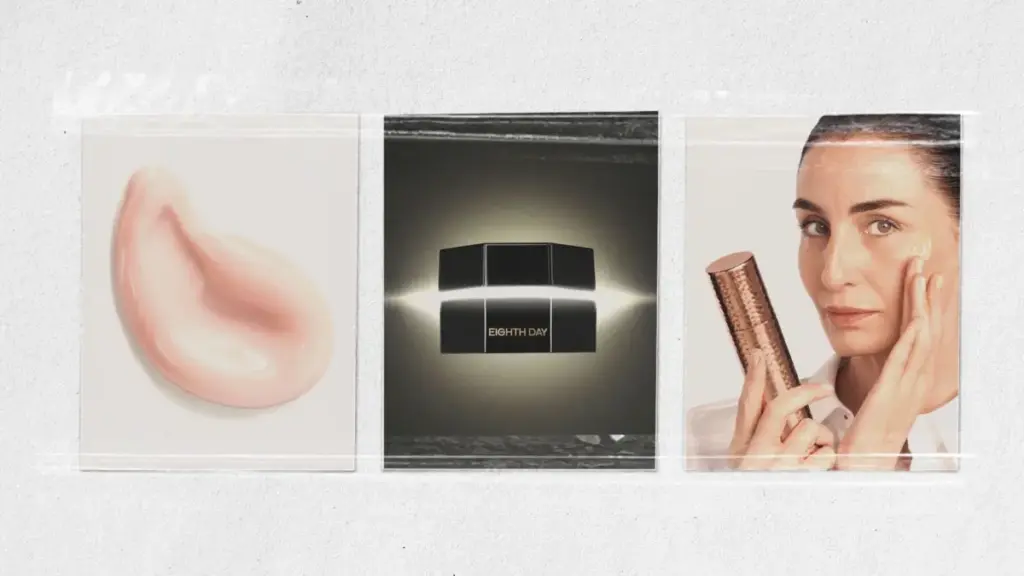
1. Eighth Day: The Overnight Eye Cream Treatment
- Price: $275 (USD)
- Retailer: Eighth Day
- Key Focus: Mature skin, intensive under-eye nourishment, fine line and puffiness reduction.
Formulation & Texture Analysis
This specialized eye treatment breaks away from traditional lightweight fluid gels, offering a remarkably rich, thick, and almost balm-like consistency. It is engineered specifically to cater to dry, mature, and depleted under-eye contours. While traditional debates question the skin-penetration limits of raw growth factors, Eighth Day anchors this formula with proven cosmetic actives—including retinal and advanced peptides—to target sluggish cellular turnover and expression lines around the delicate eye area.
Expert Trial Feedback
"The texture of this eye treatment really intrigued me. It’s a thick balm texture that melts into a smooth cream as you work it into the eye. I have dry skin, particularly dry under-eyes. This treatment helped soothe that dryness without irritation."
The Verdict
An exceptional nighttime treatment for those struggling with chronic under-eye dryness and structural signs of aging. Because of its rich balm texture, a little goes a long way, and it functions brilliantly as a two-in-one restorative treatment for tired or stressed eyes.
2. Medik8: Exo-PDRN Prismatic+ Serum
- Price: $96 (USD)
- Retailer: Medik8
- Key Focus: Instant hydration, surface plumping, soothing irritated or depleted complexions.
Formulation & Texture Analysis
Medik8 approaches the exosome movement by pairing cutting-edge cellular science with PDRN (Polydeoxyribonucleotide), a celebrated ingredient in regenerative Korean aesthetics known for tissue-healing properties. The serum features a gorgeous, dense gel texture that immediately transforms upon contact with the skin, flooding upper epidermal layers with moisture. Enhanced with a strategic blend of supportive peptides and humectants like hyaluronic acid, it is designed for rapid visible plumping.
Expert Trial Feedback
"Gorgeous, thick, gel texture that melts into the skin effortlessly. This serum floods the skin with hydration and has an immediate plumping effect. I love the mix of peptides and hyaluronic acid. This gives the skin immediate hydration that’s visible on the skin, and the peptides helps to plump, soothe, and calm the complexion."
The Verdict
A standout pick for individuals seeking immediate cosmetic gratification alongside long-term cellular support. Its plumping and hydrating properties make it an ideal pre-event serum or a daily restorative step for dehydrated, tired-looking skin.
3. Naturopathica: Gotu Kola + Fruit Exosome Gel Moisturizer
- Price: $126 (USD)
- Retailer: Naturopathica
- Key Focus: Botanical exosome technology, lightweight barrier support, calming and soothing moisture.
Formulation & Texture Analysis
Demonstrating the versatility of exosome sourcing, Naturopathica leans into botanical innovation by harnessing fruit and Gotu Kola (Centella Asiatica) derived exosomes. Housed in a refreshing gel-moisturizer format, this formulation bridges the gap between clean botanical skincare and high-tech biotechnology. It is tailored for skin types seeking deep hydration and barrier support without the heavy, occlusive weight of traditional creams.
Expert Trial Feedback
(Evaluated alongside the broader panel for its gentle yet active botanical delivery system).
The Verdict
An ideal choice for consumers who prefer clean, plant-forward formulations but refuse to compromise on cutting-edge scientific efficacy. It provides lightweight, soothing hydration that supports skin resilience and calms environmental sensitivity.
Future Outlook: Where is Exosome Skincare Headed?
As we look toward the future of aesthetic dermatology and consumer skincare, the trajectory of exosomes points toward even greater precision, stability, and customization.
- Enhanced Delivery Systems: Future cosmetic chemistry will likely overcome remaining molecular stability hurdles, allowing for even higher concentrations of active, bio-identical vesicles to remain potent at room temperature over extended shelf lives.
- Targeted Exosome Mapping: Just as skincare evolved to target specific concerns with customized acids and retinoids, future exosome formulations may isolate vesicles programmed for hyper-specific tasks—such as melanogenesis regulation for hyperpigmentation or targeted lipid synthesis for barrier repair.
- Integration with Professional Treatments: Topical exosome products will increasingly serve as home-care maintenance extensions for in-office procedures like radiofrequency microneedling, laser therapy, and chemical peels, dramatically shortening recovery times and amplifying structural skin remodeling.
Final Takeaway
Exosome skincare is no longer a fleeting industry fad; it represents a fundamental philosophical upgrade in how we care for our skin. By shifting the conversation from surface-level management to active cellular communication, ingredients like those found in formulations from Eighth Day, Medik8, and Naturopathica offer a glimpse into the next frontier of anti-aging science.
While they may not yet replace your daily sunscreen or time-tested retinoid, incorporating a high-performing exosome serum, cream, or targeted treatment into your regimen provides an elite, science-backed advantage for anyone looking to optimize their skin’s long-term health, vitality, and resilience.