As the fashion calendar turns toward the cooler months of late 2026, the foundational textile of modern wardrobes—denim—is undergoing a profound metamorphosis. While wardrobe essentials are often celebrated for their seasonless nature, the transition into a new cycle invariably sparks a collective desire to refresh our sartorial favorites. For fall 2026, this shift is characterized not merely by incremental adjustments to hemlines or rises, but by a holistic reimagining of how denim behaves, drapes, and integrates into elevated everyday dressing.
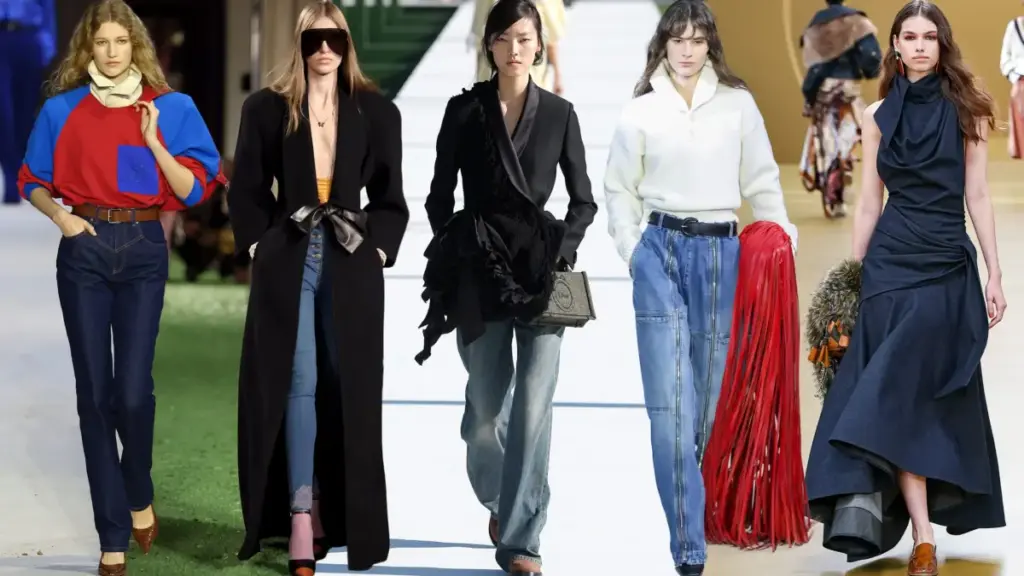
On the runways of global fashion capitals, designers have moved past the casual, weathered aesthetics that dominated previous years. Instead, fall 2026 denim is defined by a dichotomy of sharp structure and relaxed fluidity. Skinny and slim-fit silhouettes are staging a calculated, highly polished return, offering clean lines that complement heavy seasonal layering. Simultaneously, slouchy, exaggerated shapes—ranging from structural barrel legs to pleated, trouser-inspired cuts—retain their grip on the street-style zeitgeist, though they are increasingly rendered in darker, more sophisticated washes.
Crucially, the color palette has shifted dramatically. Deep, inky indigo is rapidly replacing the sun-bleached and light-blue washes of summers past, lending the fabric an inherent formality that easily transitions from the boardroom to evening affairs. Furthermore, the expansion of denim beyond traditional five-pocket trousers—most notably through heavily draped maxi dresses, coordinated separates, and refined utility-wear—signals that the fabric is no longer just a casual fallback, but a primary vehicle for high-fashion storytelling. This comprehensive report breaks down the essential denim movements dominating the autumn 2026 season, examining the silhouettes, washes, and styling philosophies shaping the future of contemporary wardrobes.
Detailed Chronology: The Shift from Summer Ease to Autumn Rigor
The trajectory of denim through the first half of 2026 was largely governed by lightweight comfort, ultra-relaxed fits, and breezy, sun-faded aesthetics. As temperatures began to moderate, however, a noticeable pivot occurred across major fashion houses, marking a clear aesthetic divide between the warm-weather season and the forthcoming autumn collections.
Early 2026: The Lighter Era
During the spring and early summer months, the market was saturated with ultra-loose, low-rise styles, pale stonewashes, and distressed finishes. These pieces were engineered for effortless styling, often paired with simple tanks, sandals, and minimal accessories. Denim was treated as a utilitarian background player—dependable, casual, and intensely relaxed.
The Transitional Turning Point (Mid-2026)
As designers finalized their autumn ready-to-wear collections, a collective impulse toward structure and sophistication took hold. The transition was swift: light blues were sidelined in favor of raw, saturated indigos, and extreme bagginess was either reined into clean-lined slim fits or exaggerated further into architectural barrel shapes. Houses like Acne Studios, Stella McCartney, and Khaite began showcasing denim not as an afterthought, but as the centerpiece of tailored ensembles.
Fall 2026 Runway Manifestation
By the time the fall collections hit the runways, the transition was complete. Denim had been fully co-opted by tailoring. Skinny silhouettes reappeared at Valentino with an uncompromisingly sleek attitude, while Christian Dior and Tom Ford championed oversized, puddle-hem silhouettes rendered in heavy, structured cottons. The chronology of the year demonstrates a maturing relationship with the fabric: consumers are no longer seeking mindless comfort alone; they are demanding versatility, architectural interest, and tactile luxury from their denim investments.
Supporting Context & Metrics: The Anatomy of Fall 2026 Denim Trends
To fully understand the scope of the fall 2026 denim landscape, one must analyze the four primary pillars dominating the market: Deep Indigo Washes, Slim Fits, Slouchy Shapes, and Utility Details, alongside the ascendance of the denim dress.
1. Deep Indigo Washes
The most pervasive color story for fall 2026 is the dominance of deep, dark indigo. Moving away from the casual connotations of distressed light washes, inky hues offer an elevated aesthetic that bridges the gap between casualwear and evening attire.
The Aesthetic Appeal: Dark indigo absorbs light differently than faded denim, creating a clean, uniform look that mimics traditional suiting fabric.
Styling Applications: On the runway, deep washes were anchored by crisp white button-downs and structured blazers for the office, or transformed for evening wear when paired with second-skin knits and pointed-toe heels.
Key Market Offerings: Brands such as Agolde (80s High-Waist Tapered Jeans), Haikure (Chewy Slim-Leg Jeans), and Cos (Chord Straight-Leg Jeans) have heavily leaned into dark washes, offering consumers accessible entry points into the trend.
2. Slim Fits and Tailored Proportions
While the past few years have belonged exclusively to wide-leg and ultra-baggy cuts, the pendulum is swinging back toward streamlined silhouettes.
The Return of the Skinny: Unapologetic skinny fits made a surprising and robust return on the Valentino fall runway, proving that the silhouette has enduring appeal when styled with oversized outerwear.
The Slim-Straight Compromise: For those hesitant to fully embrace skin-tight denim, the slim-straight fit has emerged as the universal sweet spot. Offering slightly more room through the calf and ankle, these jeans provide clean proportions that layer effortlessly beneath heavy wool coats and knee-high boots.
Key Market Offerings: Stella McCartney (High-Waist Slim-Leg Jeans) and Frame (Pencil High-Rise Skinny Jeans) demonstrate how high-end construction can elevate a narrow silhouette into a sophisticated wardrobe staple.
3. Slouchy Shapes and Architectural Volume
For those who prefer a relaxed fit, the baggy jean remains a powerhouse trend, albeit with a refined autumn update.
Proportions and Washes: Lighter washes have been largely replaced by faded, lived-in dark indigos and charcoal treatments. Designers are pairing these relaxed proportions with equally voluminous tops to create an exaggerated sense of effortless ease.
Variations: The slouchy trend encompasses more than just standard baggy jeans; it extends to architectural barrel-leg cuts, pleated trousers-style denim, and sweeping wide-leg silhouettes.
Key Market Offerings: Levi’s (Cinch Baggy Lightweight Jeans), A.L.C. (747 Relaxed Wide Jeans), and Zara (Mid-Rise Pleated Belted Jeans) highlight how mass-market and contemporary brands are interpreting high-fashion volume for everyday consumers.
4. Refined Utility Details
Workwear influences continue to inspire contemporary designers, but the rugged, grunge-adjacent aesthetic of past decades has been replaced by sleek minimalism.
Design Elements: Cargo pockets, hammer loops, and carpenter seams remain functional hallmarks, but they are executed with sharper lines and cleaner tailoring.
The Barrel-Leg Hybrid: The most modern utility iterations fuse workwear pockets with curved, architectural barrel shapes, bringing a fresh geometric dimension to traditional silhouettes.
Key Market Offerings: Gap (High-Rise Barrel Cargo Jeans), J.Crew (Painter Jeans), and Alaïa (Mid-Rise Barrel-Leg Jeans) showcase the spectrum of utility-inspired denim, ranging from accessible everyday wear to haute couture mastery.
5. The Ascendance of the Denim Dress
Perhaps the most striking departure from traditional denim dressing is the proliferation of the denim dress. Historically viewed as a casual novelty, the fabric is being manipulated into delicate, highly feminine silhouettes.
Techniques: Draping, sculpted corsetry, and floor-sweeping maxi lengths are transforming rigid denim into fluid, sculptural garments.
Occasion Dressing: These pieces are no longer restricted to daytime errands; brands are positioning structured midi and maxi denim dresses as viable alternatives for cocktail parties, dinners, and formal evening events when styled with statement accessories and tailored outerwear.
Key Market Offerings: Dries Van Noten (Draped Denim Midi Dress), Zimmermann (Belted Denim Midi Shirtdress), and Aligne (Monroe Denim Maxi Dress) lead this category, proving that denim’s versatility knows no bounds.
Official Statements & Industry Perspectives
Industry leaders and design houses have been vocal about the strategic shift in denim design for fall 2026. Rather than chasing fleeting internet micro-trends, creative directors are focusing on longevity, craftsmanship, and tactile contrast.
According to design notes from leading houses like Khaite and Gabriela Hearst, the focus for autumn denim is rooted in "utility elevated through tailoring." A representative from a major luxury buying office noted:
"We are seeing a clear customer fatigue regarding overly distressed, disposable denim. The consumer today is looking for investment pieces—fabrics with weight, indigos that hold their dye, and cuts that can transition seamlessly from a professional environment to an evening engagement. Denim is no longer just casual wear; it is an executive fabric."
Furthermore, trend analysts emphasize that the resurgence of slim and tailored fits does not spell the immediate death of wide-leg styles. Instead, the market is expanding to accommodate multiple silhouettes simultaneously, allowing consumers to curate a denim wardrobe based on mood and occasion rather than rigid dictates from the runway.
Future Outlook: What Lies Beyond Fall 2026
As the fashion industry looks past the current autumn season, the trajectory of denim points toward continued technical innovation and sustainable manufacturing practices.
Sustainable Dyeing and Water Conservation: With deep indigo washes leading the market, textile engineers are heavily investing in waterless dyeing technologies and organic cotton blends to minimize the environmental impact of achieving rich, saturated hues. The demand for eco-conscious luxury will heavily influence upcoming production cycles.
Hybrid Tailoring: Expect to see further blurring of the lines between traditional tailoring fabrics and denim. We anticipate a rise in hybrid garments—such as wool trousers featuring denim paneling, and structured denim blazers engineered with stretch-comfort weaves—that challenge traditional category boundaries.
The Longevity Movement: As consumers increasingly prioritize cost-per-wear metrics, the emphasis on heavyweight, durable denim will only intensify. The fall 2026 trends suggest a permanent elevation of the fabric, ensuring that our jeans, dresses, and utility separates remain foundational pillars of style for years to come.