Executive Overview
In an industry defined by hyper-accelerated micro-trends and the fleeting life cycle of internet-driven aesthetics, true longevity is a rare and coveted commodity. While the fashion cycle regularly resurrects styles from the archives—swinging wildly from oversized totes to micro-mini bags that barely fit a tube of lipstick—one silhouette has remained an unassailable cornerstone of both everyday dressing and high-fashion collections: the crossbody bag.
Far from being a purely functional accessory relegated to travel or practicality, the modern crossbody has evolved into the ultimate canvas for luxury craftsmanship. From the structural ingenuity of the Loewe Puzzle bag to the enduring allure of Chanel’s sliding chain straps, Celine’s Triomphe, and the Hermès Constance, the crossbody format represents the intersection of ergonomic design and uncompromising elegance.
This comprehensive report examines the cultural, economic, and stylistic staying power of the crossbody bag. Drawing on industry insights, celebrity styling choices, and historical analysis, we explore why this hands-free accessory has transcended seasonal trends to become the ultimate investment piece. Furthermore, we analyze the current market landscape, spotlighting the resurgence of vintage and archival icons—such as the Mulberry Alexa—and providing a definitive guide for consumers navigating both luxury and accessible price points.
Detailed Chronology: The Evolution of the Hands-Free Luxury Bag
To understand the current dominance of the crossbody bag, one must look backward through the evolution of functional luxury. For decades, high fashion prioritized structural, hand-carried items: structured top-handle bags, ladylike clutches, and the crook-of-the-arm satchels that defined mid-century glamour. However, as the pace of modern life quickened, the demands placed upon personal accessories shifted dramatically.
The Mid-20th Century: The Birth of Practical Elegance
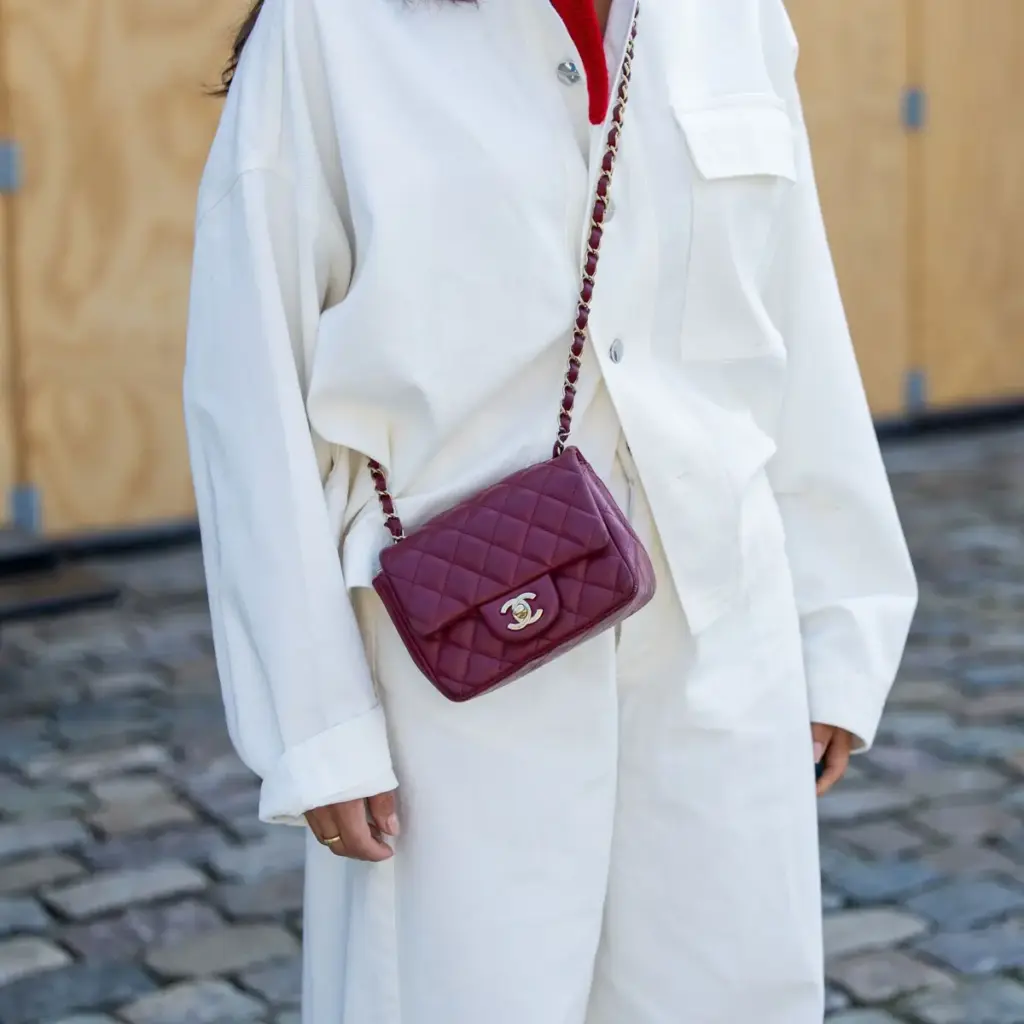
The foundational DNA of the luxury crossbody can be traced back to mid-century innovations that prioritized liberation of movement. While shoulder bags existed, the introduction of long, adjustable leather straps and refined chain links allowed women to navigate public spaces with unprecedented ease. Brands like Chanel revolutionized evening and day wear by introducing straps that could be worn across the body, freeing hands for socialization, work, and travel.
The 2000s to 2010s: Architectural Icons and the Rise of the It-Bag
The true golden era of the modern designer crossbody began in the late 2000s and early 2010s, marked by a wave of structural innovation from heritage and contemporary houses.
- 2005: Chloé introduced the Paddington bag, igniting the era of the heavy, hardware-laden "It-bag." While frequently carried in the hand or crook of the arm, its progeny quickly adapted to longer straps.
- 2010: Mulberry launched the Alexa, named after style icon Alexa Chung. Marrying the slouchy silhouette of a traditional satchel with a postman’s lock and a braided top handle, the Alexa became an instant classic, defining the indie-sleaze and bohemian aesthetics of the decade.
- 2014: Jonathan Anderson introduced the Puzzle bag for Loewe, an architectural marvel constructed from precisely cut leather panels that allowed the bag to fold completely flat while maintaining a distinct, multi-dimensional shape. Complete with a discreet strap, the Puzzle instantly cemented itself as a canonical modern crossbody, proving that avant-garde design could coexist with everyday utility.
The 2020s and Beyond: Archival Resurgence and Casual Luxury
In recent years, the market has witnessed a dual phenomenon: the relentless popularity of sleek, minimalist crossbodys (such as The Row’s Banana bag) and the aggressive nostalgia-driven revival of 2010s icons. As sustainability and resale value take center stage, consumers are increasingly turning to platforms like Vestiaire Collective and Vinted to source pre-owned classics, driving up the secondary market value of bags like the Mulberry Alexa and Celine Triomphe.

Supporting Context & Metrics: The Economics of Investment Dressing
The enduring appeal of the crossbody bag is not merely aesthetic; it is underpinned by shifting consumer habits, economic considerations, and data-driven market trends.
The Shift Toward Cost-Per-Wear Economics
In an inflationary economic climate, luxury consumers and aspirational buyers alike are scrutinizing their purchases through the lens of longevity. According to recent retail analytics, spending has shifted away from novelty items—such as micro-bags with negligible utility—toward versatile, wear-everywhere staples.
- Cost-Per-Wear (CPW): A $3,000 investment in a daily-use crossbody like the Loewe Puzzle or Celine Triomphe amortizes rapidly when utilized 300 days a year over a decade. By contrast, specialized evening clutches or trend-driven novelty shapes often yield a high CPW due to limited utility.
- Resale Resilience: Secondary market data indicates that classic crossbody silhouettes retain a significantly higher percentage of their original retail value compared to seasonal statement pieces. Hermès, Chanel, and Celine crossbodys consistently outperform broader market indices in terms of value retention on luxury resale platforms.
The Demographics of Utility
Modern consumers—spanning Gen Z, Millennials, and Gen X—demand versatility from their wardrobes. The contemporary lifestyle, characterized by hybrid work models, urban commuting, and frequent travel, requires accessories that transition seamlessly from professional environments to casual weekend outings. The crossbody format uniquely satisfies this requirement, distributing weight evenly across the torso while keeping the hands entirely unencumbered.
Celebrity Endorsement and Street Style Authority
While runway presentations dictate seasonal color palettes and silhouettes, street style remains the ultimate proving ground for an accessory’s everyday viability. A select group of A-listers has solidified the crossbody bag’s status as an indispensable uniform element, demonstrating its unparalleled versatility across disparate personal styles.
+------------------------+------------------------------------+-------------------------------------------+
| Celebrity Style Icon   | Signature Crossbody Choice         | Typical Styling Context                   |
+------------------------+------------------------------------+-------------------------------------------+
| Jennifer Lawrence      | The Row "Banana" Bag               | Slouchy linen separates, basics, buckets  |
| Emily Ratajkowski      | Hermès, Celine, Prada Crossbodys   | Tank dresses, blazers, stiletto boots     |
| Jennifer Lopez         | Gucci Logo Messenger               | Denim cut-offs, trainers, oversized shirts|
+------------------------+------------------------------------+-------------------------------------------+
Jennifer Lawrence: The Epitome of Off-Duty Ease
Jennifer Lawrence has long championed effortless, understated luxury. Her frequent choice—The Row’s minimalist Banana bag worn tightly across the chest—epitomizes quiet luxury. By pairing the architectural yet understated leather piece with relaxed linen trousers, classic white tees, and casual footwear, Lawrence proves that a well-chosen crossbody can anchor an otherwise relaxed, unpretentious outfit.
Emily Ratajkowski: The Masterclass in Versatility
Perhaps no celebrity has demonstrated the chameleon-like nature of the crossbody quite like Emily Ratajkowski. Whether navigating New York streets or attending casual daytime engagements, Ratajkowski routinely pairs structured luxury crossbodys from Hermès, Celine, and Prada with an eclectic mix of wardrobe staples. Her styling playbook—transitioning effortlessly from bodycon tank dresses and oversized blazers to cargo pants and thigh-high stiletto boots—serves as definitive proof that the crossbody is not restricted to casual wear; it can anchor high-impact, fashion-forward ensembles with equal aplomb.
Jennifer Lopez: High-Low Glamour
For off-duty days, Jennifer Lopez frequently leans into heritage logo-stamped messenger and crossbody styles, such as classics from Gucci. By pairing these structured pieces with distressed denim cut-offs, crisp oversized shirting, and pristine trainers, Lopez bridges the gap between high-octane red-carpet glamour and accessible, street-smart utility.

Future Outlook: What’s Next for the Crossbody Market?
As the fashion industry looks toward upcoming seasons, the trajectory of the crossbody bag points toward refined functionality, sustainable sourcing, and archival revivals.
1. The Archival Gold Rush
Following the successful market re-introductions of legacy styles, industry forecasters predict an aggressive hunt for early-2010s "It-bags." Consumers are advised to look toward pre-owned marketplaces to secure items like the Mulberry Alexa or Chloé Paddington before mainstream re-releases drive retail prices upward. The democratization of luxury resale has turned vintage shopping into an active investment strategy.
2. Democratization of Design
While ultra-luxury houses will continue to innovate with exotic leathers and proprietary hardware, high-street and mid-tier brands are increasingly translating these structural cues into accessible price points. Consumers no longer need to allocate a luxury budget to secure a durable, architecturally sound crossbody; high-street alternatives starting around £15 are successfully mimicking the clean lines and utilitarian focus of their designer counterparts.
3. Sustainability as a Core Metric
Future consumer adoption will be heavily dictated by material innovation. Brands investing in traceable leathers, regenerative agriculture, and plant-based vegan alternatives for their crossbody lines are expected to capture disproportionate market share among ethically conscious younger demographics. The longevity of the crossbody format inherently aligns with sustainable fashion goals: buying one enduring bag replaces the seasonal consumption of multiple disposable trends.
Conclusion
The crossbody bag has firmly graduated from a practical utility item to an essential pillar of modern style. Supported by impeccable cost-per-wear economics, endorsed by the world’s most influential street-style icons, and anchored by timeless architectural designs from houses like Loewe, Chanel, Celine, and Hermès, the crossbody proves that fashion and function are not mutually exclusive. Whether investing in a canonical lifetime piece or scouting archival revivals on the secondary market, the crossbody remains the single smartest investment a wardrobe can make.