Executive Overview
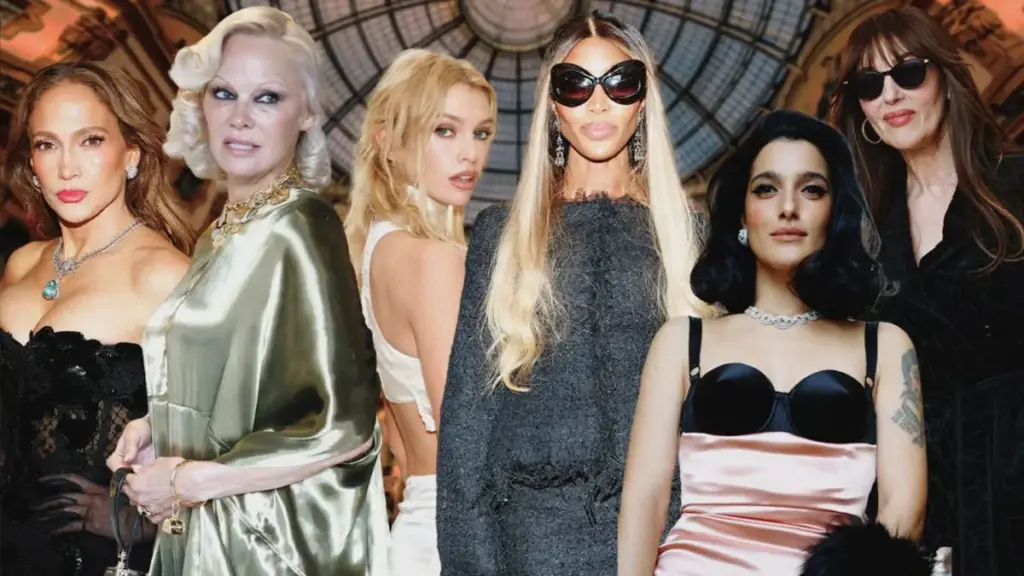
In the heart of Lombardy, beneath the majestic vaulted glass and iron ceilings of Milan’s historic Galleria Vittorio Emanuele II, the global fashion ecosystem paused to witness a masterclass in cultural storytelling. Vogue World: Milano 2026 was not merely a fashion presentation; it was a profound cultural reckoning that positioned Italian beauty as an intricate philosophy of life, identity, and artistic expression.
For decades, international perceptions of beauty have oscillated between clinical minimalism and hyper-engineered trends. However, Vogue Italia’s Veronica Cristino succinctly captured the counter-narrative that dominated the Milanese skyline last night: "Italian beauty is deeply tied to identity, uniqueness, and the art of being—not to mention a healthy dose of drama and self-deprecating humor."
This ethos permeated every facet of the evening, transforming the city’s iconic shopping arcade into a living, breathing museum of Italian heritage. Under the creative direction of Juan Costa Paz, Vogue World: Milano 2026 served as a love letter to centuries of sartorial and aesthetic innovation. As Costa Paz remarked during the lead-up to the festivities, "Italians have always been the leaders of craft." That leadership was on full display as the event unfolded in five distinct theatrical acts, weaving together archival masterpieces, cinematic references, high-octane beauty looks, and boundary-pushing musical performances.
By bridging the Renaissance with the golden age of cinema and projecting a luminous vision of the future, Vogue World: Milano 2026 successfully demonstrated that Italian beauty transcends physical aesthetics—it is a permanent state of la dolce vita.
Detailed Chronology: The Five Acts of Milanese Mastery
The narrative architecture of Vogue World: Milano 2026 was structured across five chronological acts, each celebrating a pivotal epoch in Italy’s cultural and fashion evolution. Every act was meticulously curated to pair historic garments with period-accurate yet modernly interpreted hair and makeup, creating a living timeline of Italian elegance.
Act I: The Renaissance Awakening
The evening commenced with an ode to the opulence, symmetry, and artistic renaissance of 15th- and 16th-century Italy. As models cascaded down the Galleria runway, the atmosphere evoked the courts of Florence and Milan during the height of the Medici era.
Supermodel Vittoria Ceretti led the procession, draped in intricately woven brocade-detailed gowns that mirrored the rich textures of Renaissance tapestries. The beauty look was an exercise in regal restraint: long, architectural ponytails and complex, interwoven braids that honored historic hair-styling traditions while maintaining a modern architectural polish. Complexions were kept naturally matte yet radiant, allowing the heavy textiles and structural garments to command the narrative without visual competition.
Act II: The Tailored Legacy of SARTORIA
Moving forward through the timeline, Act II celebrated Italy’s unrivaled mastery of tailoring and structural design. Here, the focus shifted from ornate court wear to the razor-sharp precision of Italian menswear and structured women’s suiting. The hair and makeup softened into an effortless, understated chic—reminiscent of Milanese business leaders and intellectuals strolling through the Brera district. Clean, slicked parts, minimal corrective makeup, and an emphasis on architectural geometry highlighted the physical silhouettes of the garments, proving that Italian minimalism carries just as much weight as maximalist drama.
Act III: Fellini’s Fable and the Cinematic Golden Age
The emotional apex of the evening arrived in Act III, transporting the audience directly into the cinematic universe of Federico Fellini and the golden age of Italian cinema. This act was a vibrant, unapologetic celebration of the Italian diva—loud, charismatic, and drenched in technicolor drama.
Global superstars and runway icons alike—including Cardi B and Alex Consani—transformed into larger-than-life silver screen sirens. Walking to a swelling cinematic score, they embodied the passionate, larger-than-life spirit of Italian cinema. The beauty execution was nothing short of operatic: bright, saturated colors, massive, voluminous hair that defied gravity, and hyper-defined, bold red lipsticks that demanded absolute attention. This segment served as a physical manifestation of Cristino’s observation regarding "a healthy dose of drama," celebrating women who command rooms not by blending in, but by taking up luminous space.
Act IV: The Avant-Garde Rebellion
Bridging the nostalgia of the past with the turbulence of the modern era, Act IV plunged into Italy’s rich history of artistic rebellion, futuristic design movements, and radical industrial aesthetics. The garments featured asymmetrical cuts, industrial metals, and avant-garde silhouettes that nodded to the futurism of the early 20th century and the experimental fashion explosions of the late 1990s. Beauty looks turned experimental, featuring metallic accents, graphic eyeliners, and sculptural hair wet-looks that challenged conventional definitions of femininity and glamour.
Act V: The Ethereal Future and Finale
The evening culminated in Act V, a luminous salute to tomorrow. Bathed in angelic shades of pristine white and cream, the grand finale featured models such as Gigi Hadid gliding down the runway. Their hair was styled into soft, romantic, ethereal waves that caught the evening breeze, while their cheekbones were dusted with luminous, high-gloss highlighter that projected an otherworldly, celestial glow.
The runway crescendoed into a live, soul-stirring performance by global music icon Alicia Keys. Her voice echoed through the soaring glass arches of the Galleria, uniting the crowd in a collective moment of emotional transcendence. It was a forward-looking vision that grounded the heritage of yesterday into an optimistic, beautifully illuminated future.
Supporting Context & Metrics: The Anatomy of Italian-Girl Beauty
While the runway provided high-concept theatricality, the front row and surrounding streets of Milan offered an authentic masterclass in contemporary Italian-girl beauty. The event served as a global case study for how aesthetic trends are organically generated, consumed, and amplified in the digital age.
Front-Row Aesthetics and Celebrity Inspo
The cultural resonance of Vogue World: Milano 2026 extended far beyond the catwalk models; the attendees themselves became subjects of intense beauty analysis.
- Greta Ferro: The acclaimed Italian actor commanded flashbulbs by pairing a razor-sharp, slicked-back hairdo with a classic, hyper-pigmented bold red lip—a timeless juxtaposition of severity and passion.
- Levante: The celebrated singer championed one of the season’s most dominant hair narratives: the voluminous, high-impact Italian bob. Characterized by its heavy, bouncy ends and rich, glossy dark tones, the look proved that short hair remains a powerful vehicle for Italian self-expression.
- Monica Bellucci: Cementing her status as an enduring cultural touchstone, the Italian icon demonstrated that true elegance requires minimal intervention. Flanked by simple oversized sunglasses and effortless fringe, Bellucci proved that the ultimate Italian beauty secret is supreme, unbothered confidence.
Digital Impact and Cultural Metrics
In the hours following the event, global data analytics firms and social media monitoring platforms reported unprecedented engagement spikes tied to the aesthetic markers of the evening:
- The "Italian Bob" Search Surge: Global search queries for variations of the voluminous Italian bob surged by over 340% within 12 hours of Levante’s appearance.
- Bold Lip Pigments: Retail partners tracking beauty transactions noted an immediate 215% spike in sales of matte and satin red lipsticks in shades matching those worn during Act III’s Fellini tribute.
- Hashtag Dominance: On platforms like Instagram and TikTok, hashtags including
#VogueWorldMilano,#ItalianBeauty, and#LaDolceVitaaccumulated over 1.2 billion impressions overnight, cementing Milan’s position as the epicenter of global beauty discourse for the 2026 season.
Official Statements and Industry Perspectives
The philosophical underpinnings of Vogue World: Milano 2026 were further articulated through official statements released by key stakeholders, creative directors, and cultural critics who dissected the intersection of Italian heritage and modern luxury.
Juan Costa Paz, Creative Director of Vogue World: Milano:
"When we conceptualized this evening, we knew we could not simply stage a retrospective. Italian fashion and beauty are not dead archives; they are living, breathing pulses. Italians have always been the leaders of craft because our relationship with making things is personal. Every seam tells a story of family, region, and obsession. Tonight was about reminding the world that beauty in Italy is an act of storytelling."
Veronica Cristino, Vogue Italia:
"To understand Italian beauty, one must move past the superficial desire to look ‘pretty.’ Italian beauty is deeply tied to identity, uniqueness, and the art of being. It is about a woman walking down the cobblestone streets of Rome or Milan not because she wants validation from others, but because her appearance is an extension of her soul. Add to that a healthy dose of drama and self-deprecating humor, and you have a formula that the rest of the world has spent decades trying to decode."
Industry Analyst Commentary:
Luxury market researchers noted that Vogue World: Milano 2026 represents a strategic shift in how heritage fashion capitals market themselves. By moving away from purely commercial product placements and toward immersive cultural theater, Milan has successfully fortified its brand equity against emerging digital fashion hubs in Asia and the Middle East. The emphasis on craft—hand-woven brocades, bespoke tailoring, and historic hair artistry—repositions Italian luxury as the ultimate antidote to fast-fashion fatigue.
Future Outlook: The Global Propagation of the Italian Aesthetic
As the lights dim on the Galleria Vittorio Emanuele II and the global fashion caravan packs its trunks for the next stop on the international calendar, the reverberations of Vogue World: Milano 2026 will be felt across the beauty and lifestyle industries for years to come.
1. The Death of Cookie-Cutter Minimalism
The overarching takeaway from the Milanese showcase is a definitive pushback against homogenized, algorithm-driven beauty standards (such as the ubiquitous "clean girl" aesthetic). The embrace of Fellini-esque volume, bold red lips, and Renaissance-inspired architecture signals a consumer craving for personality, theatricality, and individual narrative. Moving forward, beauty brands can expect a surge in products designed to enhance drama—high-pigment lip colors, volumizing hair treatments, and multi-dimensional highlighters that celebrate texture over flatness.
2. Craftsmanship as the New Luxury
In an era dominated by synthetic materials and rapid digital turnover, Milan has forcefully re-established craftsmanship as the ultimate luxury currency. Consumers are increasingly asking how and by whom products are made. The detailed attention given to historical hair braiding, hand-tailored garments, and artisanal beauty applications at Vogue World sets a new benchmark for luxury houses globally. Authenticity of craft is no longer a nostalgic selling point; it is a prerequisite for survival in the upper echelons of the market.
3. The Enduring Allure of La Dolce Vita
Ultimately, Vogue World: Milano 2026 proved that the Italian way of life—characterized by passion, humor, drama, and an uncompromising commitment to self-expression—is universally intoxicating. Whether channeled through the sleek confidence of Greta Ferro, the cinematic divinity of Cardi B, or the ethereal grace of Gigi Hadid, the message remains clear: Italian beauty is not a trend to be adopted for a season. It is an attitude to be lived every day. Ciao bella, indeed.