Executive Overview
As the sartorial calendar turns toward crisp mornings, changing leaves, and the architectural layering characteristic of autumn, the footwear landscape undergoes a quiet yet profound recalibration. For the past several seasons, the ballet flat has cemented its status as a resilient year-round staple, defying the traditional boundaries of seasonal dressing. Yet, as we step into the cooler months of the year, a distinct visual pivot is taking place across global fashion capitals. The stark, high-contrast black ballet pumps that bore the weight of our summer walking-tours and transitional commutes are stepping aside. In their place emerges a richer, deeply comforting, and remarkably versatile chromatic palette: brown.
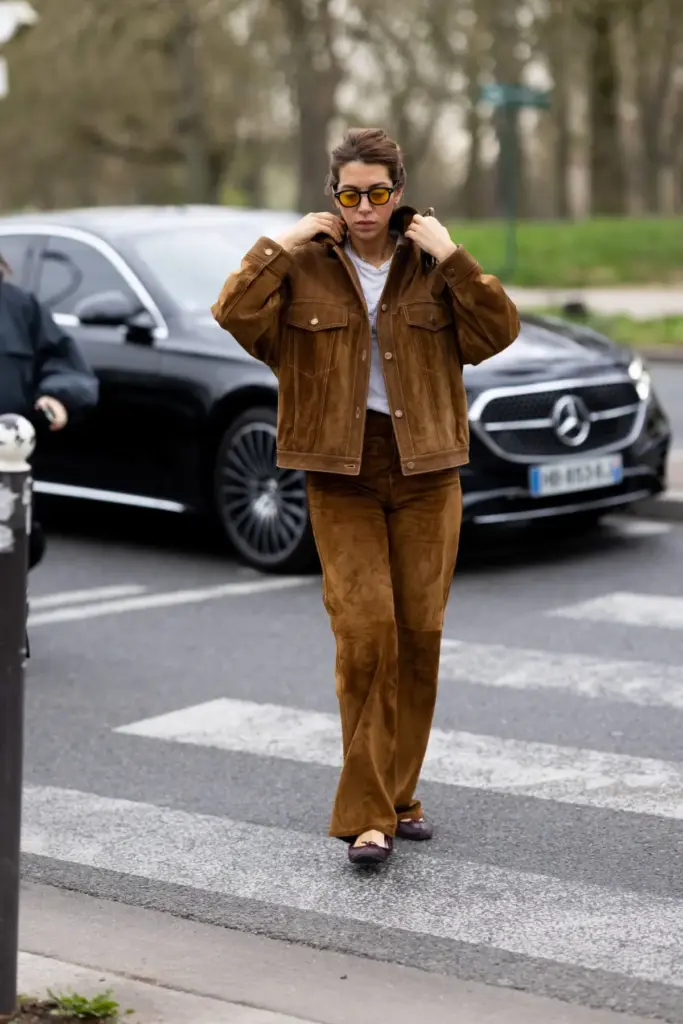
No longer considered a secondary neutral or a hesitant alternative to black, brown has ascended to the throne of autumn/winter accessorizing. From the deepest, most decadent dark chocolate and espresso to warm caramels, creamy lattes, and earthy burnt umbers, brown ballet flats have become the secret weapon of the modern wardrobe. They offer a natural bridge between tactile cold-weather fabrics—such as heavy wools, raw denims, and structured cashmeres—and the foot.
This comprehensive report examines the cultural and commercial rise of the brown ballet flat. We explore the structural evolution of the trend, analyze the material innovations driving consumer demand, provide a chronological overview of how the ballet flat reclaimed its runway dominance, and look ahead at how this silhouette will dictate footwear trends well into the coming year.
Detailed Chronology: The Evolution and Ascent of the Flat
To understand the current dominance of the brown ballet flat, it is necessary to trace the trajectory of the low-profile shoe from its functional origins to its current status as a high-fashion object of desire.
Mid-20th Century: The Functional Genesis
The ballet flat owes its foundational design to the rigorous demands of classical dance. Transformed into a street-wear silhouette in the late 1940s and 1950s—most notably popularized by icons like Audrey Hepburn and Brigitte Bardot—the shoe was prized for its effortless grace and unrestricted mobility. Initially produced in basic shades of black, red, and nude, these early iterations were emblematic of post-war European chic: unpretentious, elegant, and entirely practical.
The 2000s Indie-Sleaze Era: Oversaturated and Overexposed
The silhouette experienced a massive commercial boom during the mid-to-late 2000s "indie sleaze" era. During this period, high streets and festival grounds were flooded with ultra-thin, often structurally unsupported leather and patent flats. While ubiquitous, the trend eventually burned out due to poor arch support, flimsy construction, and market saturation, leading to a decade-long dormancy where chunky sneakers and architectural boots reigned supreme.
2022–2023: The Grand Resurgence
The modern rehabilitation of the ballet flat began in earnest on the autumn/winter runways of 2022. Luxury houses—spearheaded by Miu Miu’s viral satin buckled slippers and followed by reinterpretations from Maison Margiela, Khaite, and Tory Burch—reimagined the shoe with structural integrity, square toes, elasticized straps, and heavy-duty soles. No longer delicate bedroom slippers, these new iterations were built for urban terrain.
2024: The Chromatic Pivot to Earth Tones
By late 2024, the ballet flat market reached maturity. Having established that consumers were willing to wear flats year-round, designers began experimenting beyond the default black leather palette. The introduction of rich browns, deep cognacs, and velvety chocolates marked a psychological shift in seasonal styling. Brown offered an inherent warmth that softened the severe lines of autumnal tailoring while complementing the ubiquitous return of vintage-wash and raw indigo denim.
Supporting Context & Metrics: Materials, Styling, and the Market
The resurgence of the brown ballet flat is not merely a stylistic whim; it is underscored by strategic shifts in consumer purchasing habits, material science, and macroeconomic influences leaning toward "quiet luxury" and longevity.
The Spectrum of Brown: A Chromatic Breakdown
Fashion market analysts note that consumer appetite for brown accessories has surged by over 40% year-over-year. This is largely driven by the versatility of the color spectrum:
- Espresso and Dark Chocolate: Serving as the direct spiritual successor to black, these hyper-dark tones offer the same slimming, grounding effect on the foot while introducing a softer, more organic depth.
- Caramel and Warm Tan: These lighter, golden hues act as transitional hero pieces, bridging the gap between late-summer linen aesthetics and heavy winter wools.
- Burnt Umber and Cognac: Rich, reddish-brown undertones provide a vintage sensibility, pairing exceptionally well with autumnal jewel tones like olive green, burgundy, and mustard.
Materiality: Suede, Satin, and Weather-Resistant Leather
Texture has become the primary battleground for differentiation among brands. The current market offers distinct material categories tailored to different lifestyle needs:
- Soft Suede: Emerging as the undisputed texture of the season, suede ballet flats—such as those from Marks & Spencer—introduce a tactile warmth that visually communicates cold-weather readiness.
- Glossy Satin and Silk: Exemplified by pieces like the COS Satin Ballet Flats in rich chocolate, satin brings an evening-wear sensibility to the daytime flat, making it a favorite for holiday party dressing and elevated office attire.
- Smooth and Lizard-Effect Leathers: For unpredictable autumn downpours, structured leather options (including embossed textures like the Repetto Lizard-Effect Bow-Detail Pumps) offer durability and splash-resistance without sacrificing elegance.
- Mary Janes and Block Heels: Expanding beyond the traditional flat sole, hybrid styles featuring delicate straps (Tommy Hilfiger’s Monogram Leather Lace-Up Ballerinas) or low block heels (drawing inspiration from Zoe Kravitz’s signature flared-jean pairings) provide enhanced arch support and elevation.
Versatility in the Modern Wardrobe
The commercial success of the trend lies in its styling elasticity. When paired with relaxed-fit, medium-wash denim, brown ballet flats project an effortless, "French-girl" nonchalance. Conversely, when styled with wide-leg wool trousers or tailored trench coats, they serve to soften the corporate severity of a look, maintaining a polished silhouette while maximizing day-long comfort.
Official Statements and Industry Insights
Leading voices in footwear design, trend forecasting, and retail merchandising have weighed heavily on the transition from summer black to autumn brown.
"Black will always hold a foundational place in the footwear pantheon, but it can occasionally feel stark against the amber and rust tones of a proper autumn wardrobe. Brown introduces a narrative of warmth. It speaks to heritage, craftsmanship, and a more subtle form of luxury that today’s consumer is actively seeking."
— Lead Footwear Buyer, London Fashion Week Retail Collective
Industry insiders also point to the psychological comfort associated with earth tones during periods of economic and cultural uncertainty.
"Accessories are the lowest-risk entry point for trend adoption. When we look at the data surrounding the shift toward brown satin, suede, and leather flats, we are seeing a consumer base that wants practicality fused with romance. The ballet flat answers the call for comfort, and the color brown delivers the seasonal mood."
— Senior Trend Forecaster, Global Fashion Intelligence Unit
Retail metrics from major UK and European department stores further corroborate these statements, noting that inventory turnover for brown footwear outpaced traditional black colorways by nearly 15% during the early autumn stock arrivals.
Future Outlook: Where the Trend is Heading
As we look past the current autumn season and project toward the spring/summer runways, the brown ballet flat is positioned to shed its temporary status and cement itself as a permanent fixture in the modern capsule wardrobe.
1. Hybridization and Technical Innovations
Expect to see further hybridization of the ballet flat. Designers are already prototyping weather-treated membranes, concealed comfort footbeds, and flexible rubber outsoles disguised as traditional leather soles. This will expand the wearable window of the shoe well into the dampest winter months.
2. The Rise of Embellishment
While minimalist styles currently dominate market share, the upcoming seasons will likely see an influx of high-impact ornamentation. Think oversized hardware, crystal buckles, grommets, and sculptural straps that transform the humble flat into a definitive statement piece.
3. Sustainability and Circular Materials
With consumers increasingly auditing their environmental footprint, footwear brands are investing heavily in vegetable-tanned leathers, recycled satins, and lab-grown alternatives. Brown—being a naturally occurring earth tone—lends itself exceptionally well to eco-friendly dyeing processes that avoid harsh synthetic bleaches.
Conclusion
The evolution of the brown ballet flat from a runway novelty to an indispensable autumn wardrobe staple is a testament to the modern appetite for footwear that refuses to compromise between comfort and elegance. By swapping out the stark black pumps of summer for the rich, earthy spectrum of chocolate, caramel, and suede, wardrobes instantly acquire a layer of depth and sophistication. As this trend continues to mature, one thing remains certain: the brown ballet flat is no longer just an alternative choice—it is the primary protagonist of modern cold-weather dressing.