By Staff Investigative Film Desk
Published September 29, 2026
Executive Overview
The modern horror landscape has been fundamentally altered by the commodification and cinematic exploration of the "liminal space"—those eerie, transitional zones that feel simultaneously familiar and profoundly alien. Spearheaded by the internet phenomenon and subsequent cinematic adaptation Backrooms, directed by YouTube sensation-turned-feature filmmaker Kane Parsons, contemporary culture has embraced the concept of the "in-between." Currently streaming on HBO Max, Parsons’ feature-length translation of his viral lore stars Chiwetel Ejiofor and Renate Reinsve. The duo navigate a labyrinthine expanse of seemingly abandoned, fluorescent-lit office spaces dominated by a suffocating, monochromatic beige palette.
While Backrooms has successfully catapulted the term into the common vernacular, the utilization of surreal, purgatorial environments in cinema is far from novel. Long before internet forums categorized the haunting aesthetics of empty malls, endless hallways, and nocturnal hotel lobbies, visionary auteurs like Stanley Kubrick and David Lynch were weaponizing architecture to induce existential terror. This article explores the cultural phenomenon of liminal horror, examining the mechanics of Parsons’ breakthrough feature, tracing the cinematic history of architectural dread, and analyzing the psychological underpinnings that make empty spaces so uniquely terrifying.
Detailed Chronology: From Internet Creepypasta to the Silver Screen
To understand the cultural resonance of the current liminal space craze, one must trace its evolution from a niche internet forum post to a multi-million-dollar cinematic enterprise.
1. The Genesis on 4chan (2019)
In mid-2019, an anonymous user on 4chan’s /x/ (paranormal) board posted a photograph of an empty, disorienting room with yellow-patterned wallpaper, old stained carpet, and harsh fluorescent lighting. Accompanied by a short, chilling caption, the post claimed that if one "noclip[s] out of bounds in areas in the wrong places," they would end up in the Backrooms: an infinite maze of empty rooms totaling approximately 630 million square miles of randomly segmented rooms to be trapped in. The image struck a nerve, sparking a massive collaborative world-building exercise across Reddit, TikTok, and YouTube.
2. The Kane Parsons Phenomenon (2022–2024)
The aesthetic truly crystallized into a mainstream phenomenon when a 16-year-old creator named Kane Parsons began uploading a series of found-footage short films to YouTube under the banner The Backrooms (Found Footage). Utilizing Blender and source-filmmaking software, Parsons crafted a haunting, analog-horror narrative set in the 1990s, following a cameraman who accidentally falls into the monochromatic void. The shorts garnered tens of millions of views, earning widespread critical acclaim for their atmospheric dread, retro texture, and ingenious use of sound design.
3. The HBO Max Feature Adaptation (2026)
Recognizing the cinematic potential of Parsons’ visual lexicon, major studios moved in. The resulting feature-length adaptation, directed by Parsons and starring heavyweights Chiwetel Ejiofor and Renate Reinsve, officially debuted on HBO Max in September 2026. The film expanded the digital shorts’ lore into a sprawling, psychologically complex narrative. Ejiofor and Reinsve wander the endless beige corridors, treating the physics-defying environment not just as a monster house, but as a waking manifestation of their characters’ repressed subconsciousness.
Supporting Context & Metrics: The Psychology of the "In-Between"
What is it about an empty hallway or a vacant hotel lobby that triggers a visceral fight-or-flight response? Psychologists and film theorists point to the concept of "non-places"—spaces designed for transit or temporary occupation (such as airports, highways, and hotel corridors) that lack historical, relational, or identity-building characteristics.
The Uncanny Valley of Architecture
When these spaces are stripped of human presence yet retain the artifacts of civilization (humming fluorescent lights, humming vending machines, plush carpeting), they enter the uncanny valley of architecture.
- Cognitive Dissonance: The human brain is hardwired to associate spaces like offices and malls with bustling human activity, noise, and community. Encountering them completely devoid of life creates a sharp cognitive dissonance.
- The Purgatorial Effect: Liminal spaces simulate a state of suspension. Viewers are trapped between where they came from and where they are going, mirroring existential dread about mortality and the unknown.
- The Monochrome Trap: As utilized masterfully in Parsons’ Backrooms, the deliberate use of monotonous color palettes (dull beiges, sickly yellows, institutional greens) eliminates visual landmarks, inducing disorientation and claustrophobia even within vast, open rooms.
Critical Reception and Streaming Metrics
Since its release on HBO Max, Parsons’ Backrooms has shattered internal viewership records for platform-original horror features, indexing particularly high among demographics aged 18–34. According to preliminary data analytics from streaming trackers, the film achieved a 92% completion rate—a metric indicating that viewers are not only clicking on the title due to internet-era nostalgia, but are remaining riveted by its slow-burn, atmospheric pacing.
Official Statements and Industry Reactions
The transition of a YouTuber into a major studio feature director has sparked widespread discourse regarding the democratization of filmmaking and the shifting paradigms of horror distribution.
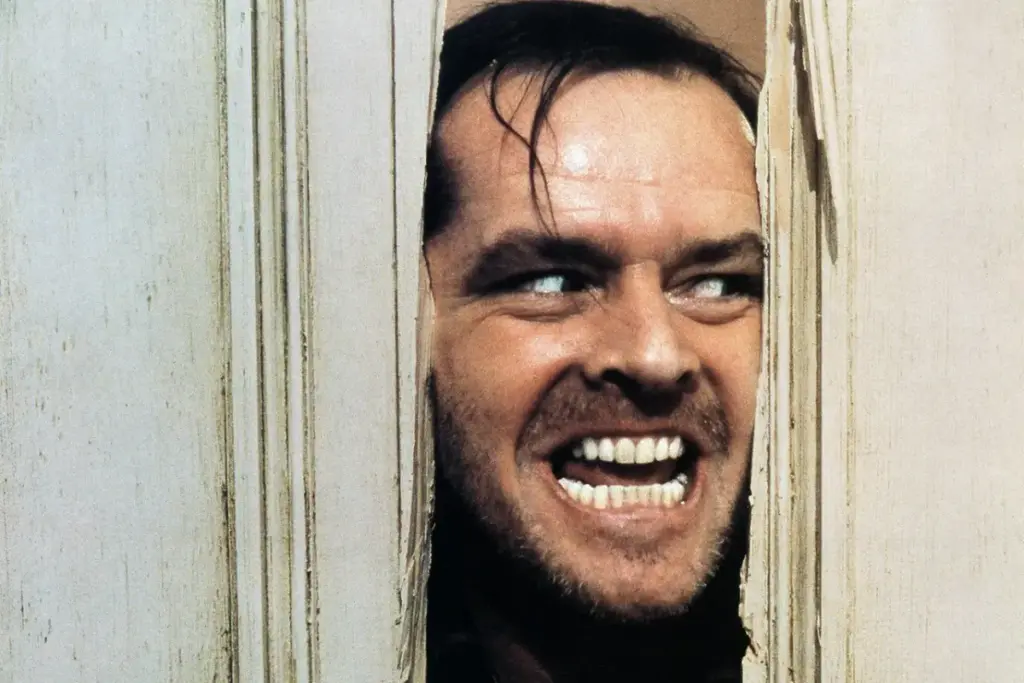
"Kane Parsons didn’t just adapt a viral meme; he translated a modern digital folklore into a tactile, cinematic language," noted executive producer James Wan in a recent industry roundtable. "What Kubrick did with the maze in ‘The Shining’ or Lynch did with the infinite corridors of ‘Inland Empire,’ Kane has updated for an audience raised on digital spaces and algorithmic dread."
In an interview discussing the release of the film, co-star Chiwetel Ejiofor reflected on the unique challenges of acting within environments defined by their emptiness:
"When you’re working on a set where the walls are entirely beige and you’re reacting to nothing physical, the space itself becomes your primary scene partner," Ejiofor explained. "It forces you to confront an internal landscape. The horror isn’t just about what’s lurking around the corner; it’s about the terrifying realization that the rooms might go on forever, and that you might deserve to be lost in them."
Renate Reinsve echoed these sentiments, emphasizing the existential weight of the script: "We approached it less like a traditional monster movie and more like a psychological descent. The architecture acts as a mirror. Every turn you take exposes something about your own mental stagnation."
Future Outlook: The Evolution of Liminal Cinema
The commercial and critical success of Parsons’ Backrooms marks a watershed moment for internet-born media. For decades, Hollywood viewed viral digital content with skepticism, often bungling adaptations by stripping them of the specific lo-fi textures that made them popular. Parsons’ retention as director proves that major studios are increasingly willing to hand the keys of multi-million-dollar productions to digital natives who understand the native language of internet subcultures.
Where Does Horror Go From Here?
As audiences grow fatigued by jump-scare-heavy franchise horror, the appetite for atmospheric, cerebral, and spatial horror is projected to grow. Industry analysts predict several key trends emerging from the wake of Backrooms:
- The Rise of "Algorithmic Auteurism": Studios will likely comb digital archives, subreddits, and virtual reality spaces (such as VRchat horror maps) to source the next generation of spatial horror concepts.
- Architectural Minimalism as Prestige Horror: Expect future horror releases to lean heavily into minimalist set design, utilizing negative space, strange lighting, and soundscape engineering over traditional CGI monster reveals.
- Cross-Media Storytelling: The boundary between short-form digital creation and feature-film production will continue to blur, allowing young creators to test concepts globally on platforms like YouTube and TikTok before securing studio backing for feature extensions.
Ultimately, Backrooms has proven that true terror requires no elaborate monsters or gothic castles. Sometimes, all it takes to curdle the blood is a hum of a fluorescent bulb, an endless stretch of damp carpet, and the horrifying suspicion that you are entirely, irrevocably alone in a room that never ends.