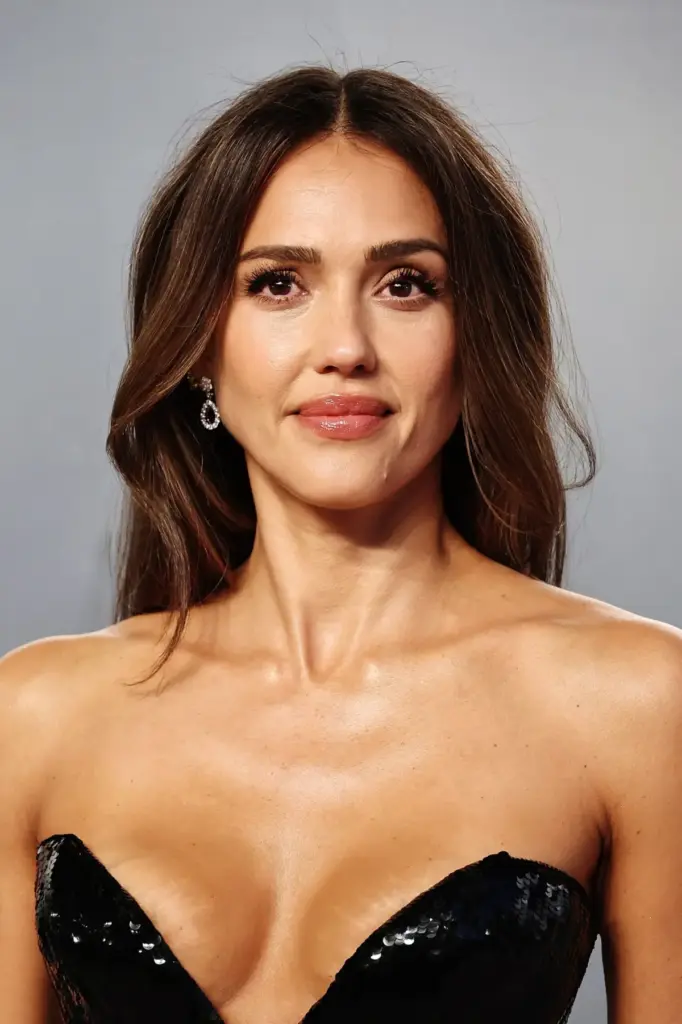
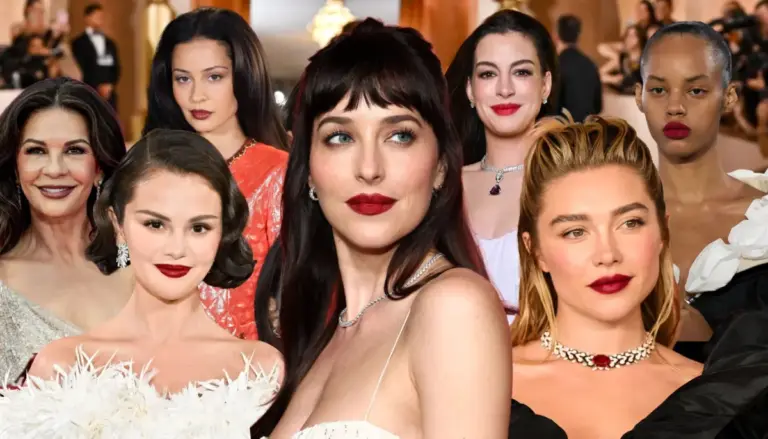
In the ever-evolving landscape of modern beauty and personal grooming, few geometric designations carry the coveted status of the oval face shape. Characterized by a gently rounded hairline, a smooth and subtly curved jawline, and vertical proportions that register slightly longer than their horizontal span, the oval face has long been celebrated by professionals as the gold standard of symmetry. According to celebrity hairstylist and Biolage global ambassador Sunnie Brook, “Oval faces are the dream shape to work with.” This intrinsic equilibrium frees individuals from the architectural constraints often required to correct or balance other face shapes, such as square, heart, or round visages.
Yet, possessing a versatile canvas does not mean all cuts carry equal weight. In contemporary hairstyling, the primary objective is no longer merely about framing a shape, but rather about harmonizing the cut with an individual’s natural hair pattern, texture, and inherent facial symmetry. When executed correctly, a haircut should allow the natural structure to do the heavy lifting while accentuating features like cheekbones, jawlines, and eyes.
This comprehensive report examines the premier cuts and styles tailored explicitly for oval face shapes—ranging from cascading long layers and razor-sharp blunt bobs to effortless curtain bangs, textured pixie cuts, and polished ponytails. Furthermore, we explore expert maintenance tips, structural styling techniques, and the preventative hair-care regimens necessary to preserve strand integrity across various styling methodologies.
Detailed Chronology: The Evolution of Face-Shape Styling Paradigms
To understand why certain cuts currently dominate modern salon chairs, it is helpful to review how styling philosophies surrounding the oval face have evolved over the past several decades.
The Mid-20th Century: Rigid Precision and Volume
During the mid-1900s, hairstyling was heavily influenced by structured geometry and high-maintenance setting techniques. For those with oval faces, styling advice in early fashion publications frequently centered on maintaining symmetry through voluminous mid-century bobs and curled-under ends. The objective was to frame the face with uniform structure, capitalizing on the natural balance of the oval by enhancing its vintage elegance.
The Late 20th Century: The Rise of Layering and Movement
As the beauty industry shifted away from stiff hairsprays toward more fluid, touchable textures in the 1970s, 1980s, and 1990s, the approach to oval faces expanded dramatically. Stylists realized that because the oval face shape did not require width-adding volume or length-elongating tricks, it could safely experiment with the cascading, feathered layers popularized by icons of the era. The late-90s blowout, in particular, established a standard where voluminous, face-framing movement became the ultimate pairing for balanced proportions.
The 21st Century: Personalization and Natural Patterns
Today, the paradigm has shifted from corrective geometry to expressive personalization. Modern celebrity stylists emphasize matching the haircut to the hair’s natural wave, curl, or straight pattern. Rather than forcing an oval face into a rigid box, contemporary techniques leverage soft blending, minimalist geometry, and low-maintenance finishes that celebrate individual texture while honoring the face’s natural symmetry.
Supporting Context & Metrics: The Anatomy of the Oval Shape
Understanding why specific cuts work requires a closer look at the biometric proportions of the oval face.
Proportional Ratios: An oval face typically features a length-to-width ratio of approximately 1.5 to 1.
The Perimeter: The forehead is typically just slightly wider than the curved, rounded jawline, eliminating sharp angles or heavy squares.
Versatility Index: Industry data consistently shows that individuals with oval faces face the fewest restrictions when selecting trending salon cuts, reporting higher satisfaction rates across dramatic style shifts (such as transitioning from long hair to a micro-pixie).
Because the face lacks dominating angular features or excessive width, stylists can experiment with a diverse portfolio of silhouettes. Below are the definitive styles favored by industry leaders for oval face shapes.
Curated Haircuts and Styles for Oval Faces
1. The Long, Layered Cut
Long layers remain a perennial fan-favorite for a reason: they offer dynamic movement without sacrificing overall length.
The Silhouette: Soft, face-framing pieces gracefully define the cheekbones and keep the overall silhouette polished.
Stylist Insight: Sunnie Brook notes that long layers provide “movement without losing length.” To achieve an easy, undone finish, ask your stylist for soft, blended layers rather than choppy, disconnected tiers.
Modern Styling: For added bounce and volume, channel the modern ’90s blowout aesthetic. Cascading, voluminous layers create continuous motion throughout the hair, accentuating the natural flow of your locks.
2. The Blunt Bob
While many face shapes must carefully evaluate chin-length cuts to avoid accentuating width, an oval face can effortlessly pull off a strong, geometric crop.
The Silhouette: The blunt bob delivers a sophisticated, high-fashion statement. Keep the ends crisp and uniform, with the length hovering right at the chin or dipping just below it.
Parting Options: Parting choices completely transform this look. A sharp center part emphasizes the face’s inherent symmetry, whereas a deep side part introduces a dramatic, asymmetrical edge.
3. Curtain Bangs
Curtain bangs were practically engineered to complement the proportions of an oval face.
The Silhouette: This parted fringe draws the eye upward toward the eyes and cheekbones, blending seamlessly into surrounding face-framing layers.
Execution: Request a fringe that is slightly shorter in the center and gradually increases in length toward the temples, creating an effortless, grown-in effect that requires minimal upkeep.
4. The Textured Pixie
Cropped hair can be intimidating, but the natural balance of an oval face provides total freedom when experimenting with short cuts.
The Silhouette: A softly textured pixie featuring longer, wispy pieces around the temples offers a delicate, feminine frame. Alternatively, a graphic, closely cropped version provides a bold, avant-garde aesthetic.
Balancing Elements: Incorporating longer sideburns adds personality and structural balance, proving that even a subtle amount of length near the face alters the final result.
5. The Sleek, Long Ponytail
Sometimes, the most striking look requires no scissors at all. A sleek ponytail puts an oval face’s natural proportions on full display.
The Silhouette: A high-placement ponytail creates a polished, lifted effect that opens up the entire face. For a softer, romantic variation, gently pull out a few wispy strands around the temples and cheekbones.
Official Statements and Expert Perspectives
Industry leaders continue to emphasize the importance of prioritizing hair health and natural texture over rigid trend-following.
"Oval faces are the dream shape to work with. Match the cut to your hair’s natural pattern and let the shape do the work."
— Sunnie Brook, Celebrity Hairstylist and Biolage Global Ambassador
Brook’s philosophy underscores a broader movement within professional hair care: treating the haircut as a collaborative partnership between the stylist, the natural texture of the hair, and the client’s daily lifestyle. By focusing on structural harmony rather than artificial correction, clients achieve looks that are both visually stunning and remarkably easy to maintain at home.
Future Outlook: Hair Health and Maintenance in Styling
As styling trends lean heavily toward polished ponytails, sleek bobs, and high-tension updos, maintaining structural hair integrity has never been more critical. Styles that require frequent brushing, elastic banding, and thermal smoothing can inadvertently compromise the cuticle and lead to breakage.
Industry experts recommend incorporating targeted strengthening treatments into your routine. For example, formulas designed to reinforce weakened strands—such as Kérastase’s Genesis Bain Hydra-Fortifiant Shampoo—are specifically engineered to protect hair susceptible to breakage from brushing and daily styling tension.
Looking forward, the future of styling for oval face shapes will continue to merge bespoke geometry with advanced hair-care science. As consumers demand styles that look effortless yet maintain structural resilience, the union of expert cuts and protective maintenance will remain the cornerstone of modern beauty.