Executive Overview
In the contemporary landscape of global commerce, few cultural phenomena wield the economic and psychological influence of the Korean wave, Hallyu. While K-pop acts routinely shatter streaming records and dominate global music charts, their secondary ripple effects—spanning fashion, lifestyle, and beauty industries—represent a multi-billion-dollar market shift.
Among the most potent catalysts in this ecosystem are the members of BTS, the septet that redefined modern pop superstardom. Every personal preference, travel essential, and casual routine shared by the group’s members is instantly subjected to microscopic fan analysis and subsequent mass adoption.
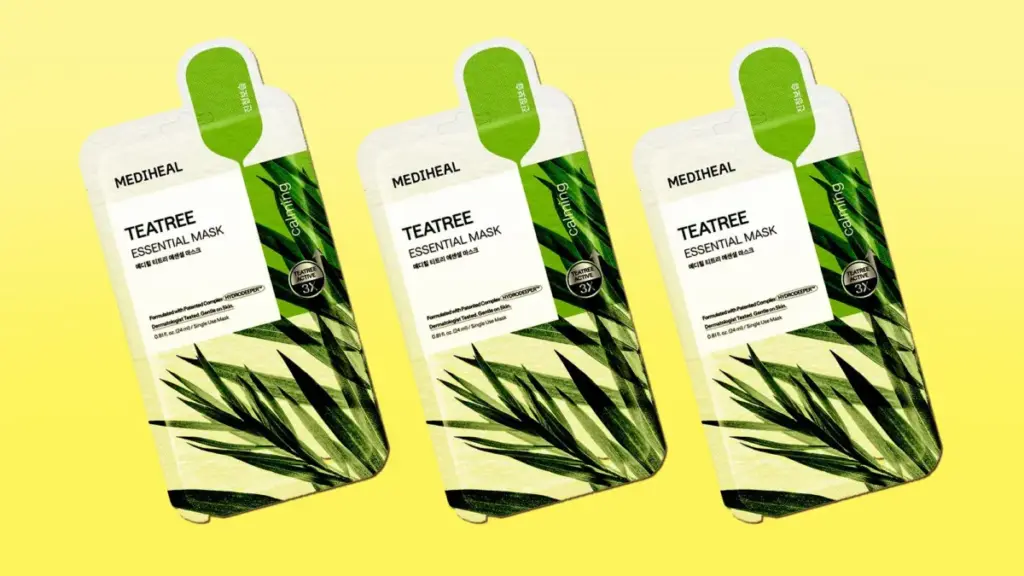
This dynamic is perhaps best exemplified by a seemingly routine video appearance made by BTS member Jimin three years ago. During a promotional feature with Vogue, Jimin casually revealed his ultimate travel essential: the Mediheal Tea Tree Essential Face Mask. What began as a brief, off-the-cuff sound bite praising the sheet mask’s ability to combat dry, jet-lagged hotel air catalyzed an international skincare movement.
For many beauty consumers cynical of influencer-driven marketing and saturated social media feeds, celebrity endorsements can ring hollow. Yet, when trusted figures from the upper echelons of global pop culture offer authentic, utilitarian lifestyle insights, the barrier of skepticism often collapses.
This report investigates the intersection of K-pop fandom, dermatological science, and consumer psychology. By examining the physiological mechanisms of tea tree oil, the systemic impact of K-beauty exports, and firsthand accounts of long-term product adoption, we explore how a three-year-old digital sound bite evolved into an enduring staple of modern skincare routines.
Detailed Chronology: From a Vogue Interview to a Three-Year Staple
To understand the trajectory of the Mediheal Tea Tree Essential Face Mask’s dominance, one must trace the timeline from its viral ignition to its entrenchment in daily regimens.
Phase 1: The Inciting Incident (Three Years Ago)
During a behind-the-scenes lifestyle segment with Vogue, Jimin offered viewers a rare, intimate look inside his touring lifestyle. Amidst discussions of music production and global travel, the conversation shifted to self-care maintenance on the road. Jimin highlighted the severe toll that constant air travel, changing climates, and artificially conditioned hotel environments take on the epidermal barrier.
His solution was direct and unassuming: the Mediheal Tea Tree Essential Face Mask. He noted that it was the one skincare product he refused to travel without. Within hours of the video’s release, the specific blue-and-green packaging was dissected by the ARMY (BTS’s global fanbase), cross-referenced with K-beauty retailers, and flagged by inventory trackers worldwide.
Phase 2: The Consumer Awakening and Barrier Repair
For many skeptical consumers, initial experimentation with the product stemmed from a place of acute frustration. Typical consumer journeys often involve cycling through endless viral products promoted by algorithm-driven content creators, frequently resulting in compromised skin barriers, chemical burns, or persistent acne flare-ups caused by harsh active ingredients.
When beauty enthusiasts dealing with compromised skin—such as dry patches and irritation triggered by overly aggressive cleansers—first tested the recommendation, expectations were intentionally low. However, the unique formulation of the sheet mask delivered immediate results. Beyond the standard temporary post-mask hydration glow, users noted lingering structural benefits:

- Significant reduction in skin softness and elasticity.
- Accelerated reduction and healing of inflammatory acne lesions.
- Absence of post-inflammatory hyperpigmentation or scarring.
Phase 3: Systemic Integration and Line Expansion
What began as an emergency travel fix quickly evolved into a permanent fixture of daily maintenance. Over a three-year observation period, consumers who adopted Jimin’s recommendation reported complete brand loyalty, abandoning the traditional "fast-beauty" habit of constantly purchasing novel, unvetted sheet masks.
Furthermore, this loyalty naturally expanded to companion products within the same brand ecosystem, such as the Mediheal Teatree Trouble Calming Toner Pads. By seamlessly integrating these complementary steps—toner pads for daily maintenance and intensive sheet masks for emergency flare-ups—consumers built a cohesive, low-irritation routine centered entirely around a single core ingredient: tea tree extract.
Supporting Context & Metrics: The Science of Tea Tree and K-Beauty Dominance
To comprehend why the Mediheal Tea Tree Essential Face Mask achieved such enduring success, one must analyze both the dermatological science backing its primary active ingredient and the broader economic metrics of the K-beauty market.
The Dermatological Profile of Tea Tree Oil
In the hierarchy of acne treatments, traditional heavyweights like benzoyl peroxide have long reigned supreme. However, benzoyl peroxide is notorious for its side effects, including severe dryness, peeling, redness, and the bleaching of fabrics.
According to dermatological insights published by publications like Allure, tea tree oil (Melaleuca alternifolia) serves as a remarkably effective, biologically gentler alternative. It possesses proven antimicrobial and anti-inflammatory properties that target Cutibacterium acnes—the bacteria primarily responsible for inflammatory breakouts—without stripping the skin of its essential lipid barrier.
Traditional Acne Treatments (e.g., Benzoyl Peroxide)
 ├── High efficacy against bacteria
 ├── High risk of epidermal irritation
 └── Prone to excessive dryness & peeling

Tea Tree Oil Alternative (Mediheal Formula)
 ├── Targeted antimicrobial action
 ├── Reduced inflammatory response
 └── Balanced hydration support
The Oily-Dry Skin Paradox
A common misconception in consumer skincare is that acne exclusively plagues those with inherently oily skin types. In reality, individuals with chronically dry skin frequently struggle with persistent breakouts.
When the skin’s moisture barrier is compromised—whether by harsh environmental shifts, over-cleansing, or dehydration in hotel rooms—the epidermis attempts a compensatory mechanism. It overproduces sebum (natural oils) to protect against further moisture loss. This excess oil, trapped beneath dry, flaky surface skin cells, creates the ideal breeding ground for micro-comedones and cystic acne.
By delivering intense hydration simultaneously with the calming, clarifying properties of tea tree extract, the Mediheal formulation addresses both ends of this paradox. It replenishes lost moisture while calming the inflammatory cascade that turns a minor clog into a painful zit.
The Macroeconomics of K-Beauty Exports
The surge in popularity of products like the Mediheal Tea Tree Essential Face Mask is part of a larger macroeconomic trend. South Korea’s cosmetics export industry has consistently outpaced traditional western beauty markets by prioritizing formulation innovation, hypoallergenic testing, and accessible luxury.
- Global Export Growth: K-beauty exports have expanded exponentially over the last decade, driven largely by digital media integration and celebrity endorsements.
- The "Hallyu" Economic Multiplier: Economic analysts note that endorsements by Tier-1 K-pop idols generate measurable spikes in stock prices, search engine queries, and direct-to-consumer cross-border e-commerce transactions.
- Consumer Shift Toward Functional Simplicity: Post-pandemic beauty trends have shifted away from complicated 10-step routines toward targeted, results-driven minimalism. Products that offer multi-functional benefits—such as hydration plus blemish control—dominate repeat-purchase metrics.
Official Statements and Industry Insights
The intersection of celebrity culture and cosmetic science has attracted commentary from dermatologists, brand representatives, and cultural analysts alike.

Dermatological Perspectives on Sheet Mask Efficacy
Dr. Elena Rostova, a board-certified dermatologist specializing in barrier repair, notes that occlusive delivery systems like sheet masks fundamentally alter how active ingredients interact with the stratum corneum:
"When you apply a liquid treatment open-air, a significant percentage of the active compounds evaporate or oxidize before penetrating the skin. A high-quality sheet mask acts as a physical occlusive barrier. It forces the serum—in this case, a tea-tree and herbal complex—to remain in constant contact with the epidermis, dramatically enhancing absorption rates while soothing micro-inflammation."
Brand and Retail Impact
Retail analysts observing the sustained demand for Mediheal products over multi-year cycles emphasize the role of organic, non-paid advocacy. While brands invest heavily in paid influencer marketing campaigns, organic recommendations from cultural icons like BTS members generate a different tier of consumer trust.
A representative from a major international beauty distributor commented on the phenomenon:
"When a celebrity casually mentions a product they genuinely use in their personal downtime—unprompted by a formal brand contract—it cuts through the white noise of modern advertising. Consumers are astute; they can tell the difference between a scripted ad and a real travel essential. That authenticity secures long-term brand loyalty that money simply cannot buy."
Future Outlook: The Enduring Legacy of Fandom-Driven Wellness
As the global beauty market continues to evolve at a breakneck pace, the dynamics governing product discovery are undergoing a permanent transformation. The traditional top-down model—where legacy Western media conglomerates and luxury houses dictated beauty standards—has been permanently decentralized by digital connectivity and the global reach of Asian pop culture.
Key Trends Shaping the Future of Skincare Adoption:
- Micro-Community Validation: Consumers increasingly rely on niche fandom spaces (such as K-pop fan communities) as trusted micro-economies where product recommendations are heavily vetted and tested by peers before mass adoption.
- Ingredient Transparency and Gentle Formulations: The swing away from aggressive chemical treatments in favor of barrier-supportive botanicals (like tea tree, cica, and heartleaf) is projected to dominate R&D pipelines for the next decade.
- The Rise of High-Stakes Testing: As consumers face increasingly erratic environmental conditions—driven by climate change, frequent international travel, and urban pollution—emergency skincare solutions (such as targeted sheet masks and calming toner pads) will transition from luxury add-ons to essential first-aid travel kit items.
Conclusion: More Than Just a Trend
What started three years ago as a fleeting moment in a Vogue interview has matured into a case study on modern consumer loyalty. For millions of individuals navigating the overwhelming noise of the contemporary skincare market, finding a reliable anchor is rare.
Whether discovered through an expert esthetician, a trusted dermatologist, or an unscripted moment from a global music icon, the criteria for enduring skincare remain unchanged: proven efficacy, low irritation, and tangible results. For those who trusted Jimin’s travel essential, the journey from skepticism to absolute loyalty proves that sometimes, the most unexpected recommendations lead to the most enduring transformations.