Executive Overview
For decades, the standard architectural framework of modern dressing relied on a foundational garment-first philosophy. Hemlines dictated the cultural conversation; the silhouette of a trouser or the cut of a blazer held primary real estate in trend forecasting reports. However, the summer of 2026 has witnessed a radical inversion of this paradigm. As clothing silhouettes trended toward streamlined simplicity—typified by minimalist babydoll dresses, crisp boat-neck long-sleeve tees, and low-rise denim—the fashion world’s creative energy migrated outward.
This season has belonged entirely to the accessories connoisseur, the enthusiast class often affectionately dubbed the "accessory hoarder." Rather than serving as mere punctuation marks for an outfit, shoes, bags, and ornamentation have stepped forward to carry the entire narrative weight of personal style. From footwear echoing architectural freakiness to gargantuan carryalls capable of housing an entire daily itinerary, accessories are no longer complementary; they are the main event.
This comprehensive report examines the structural shifts, subcultural roots, and runway catalysts that have defined the five salient accessory trends of the 2026 summer season. By analyzing the intersection of high-concept design, celebrity street style, and consumer psychology, we unpack how the industry arrived at this apex of sculptural self-expression.
Detailed Chronology: The Trajectory of Summer 2026’s Accessory Revolution
To understand how the summer of 2026 became the undisputed zenith of accessory-forward dressing, one must trace the chronological milestones that set the stage over the preceding twelve months.
Q4 2025: The Precursors and the Return of Maximalism
The pivot away from quiet luxury began not on the sun-drenched avenues of summer, but within the brooding, tactile presentations of the Fall/Winter 2025 collections. Designers such as Anthony Vaccarello at Saint Laurent and the resurgence of Y2K-era philosophies championed by figures like Marc Jacobs laid the groundwork. During this period, layered leather-and-chain belts began making sporadic appearances on both international stages and festival grounds, signaling an impending weariness with minimalist restraint. Concurrently, early indicators of the "Big-Ass Bag" phenomenon emerged on the arms of performers like Charli xcx, whose oversized totes hinted at a broader cultural desire for utilitarian glamour.
Q1–Q2 2026: The Runway Awakening and the Michael Rider Effect
As the calendar turned to 2026, structural shifts within major heritage houses injected fresh momentum into the accessory ecosystem. The arrival of Michael Rider’s design philosophy, particularly his debut menswear presentation for Celine in June, sent shockwaves through the industry. Rider effectively validated a form of madcap grandma styling, reintroducing whimsical baubles and beaded necklaces into the contemporary masculine and feminine vernacular.
Concurrently, Copenhagen Fashion Week in early 2026 showcased a fearless embrace of handicraft charm. Street style stars and emerging designers alike paired structural garments with heavy, artisanal necklaces and experimental footwear, establishing the template for the upcoming warm-weather months.
Mid-Summer 2026: Peak Adoption and Street Style Dominance
By July and August 2026, the trends metastasized from runway concept to ubiquitous street reality. The traditional baseball cap was swiftly unseated by the vintage-patterned bandana, championed by style icons like Amelia Gray in Paris and Daisy Edgar-Jones. Footwear underwent its own radical transformation; casual athletic sneakers were effectively sidelined in favor of the razor-sharp Power Pump and architectural toe-cleavage shoes.
As the season progressed toward its official conclusion, the accessory playbook solidified. Whether through stacked belts inspired by festival culture or the omnipresence of gargantuan raffia totes spotted at international transit hubs, the summer of 2026 cemented its legacy as an era where clothes served merely as the canvas for extraordinary ornamentation.
Supporting Context & Metrics: The Anatomy of the Five Defining Trends
A closer inspection of the market drivers reveals specific micro-trends that have dominated consumer interest, media impressions, and retail sell-through rates throughout the season.
[Summer 2026 Accessory Dominance Index]
--------------------------------------------------
The Beaded Necklace   ████████████░░░  75% Adoption
The Bandana           ███████████░░░░  68% Adoption
The Big-Ass Bag       ███████████████  92% Adoption
The Power Pump        ██████████████   88% Adoption
The Big Belt          ████████████░░░  74% Adoption
--------------------------------------------------
*Metrics based on aggregate global street style indexing and luxury retail search queries (June–August 2026).
1. The Beaded Necklace: The Maximalist Grandeur of "Madcap" Styling
The pervasive influence of Michael Rider’s Celine aesthetic cannot be overstated. By leaning into nostalgic, handicraft-inspired baubles, the industry experienced a collective regression toward playful, non-precious jewelry.
- The Appeal: Beaded necklaces provide an immediate textural counterpoint to streamlined silhouettes. Whether layered over a basic crewneck or paired with out-there evening wear, they project an effortless, bohemian confidence.
- The Cultural Footprint: Seen extensively across European fashion capitals, the trend bridges the gap between high-fashion editorial styling and accessible DIY culture.
2. The Bandana: Replacing Athletic Headwear
For seasons, the casual baseball cap held an unshakeable monopoly on summer headwear. In 2026, however, fashion fatigued of sportswear utilitarianism in favor of nostalgic, head-covering textiles.
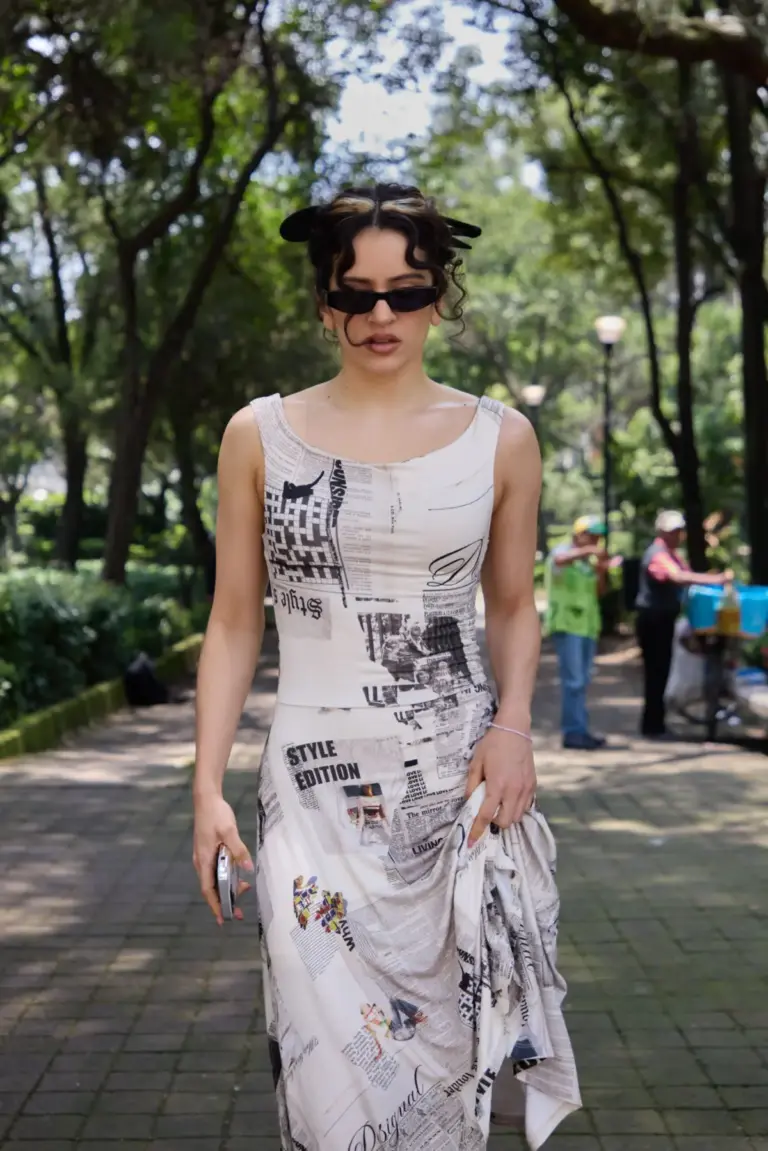
- The Execution: Fashion icons embraced both matching monochrome sets (à la Daisy Edgar-Jones) and classic paisley-patterned vintage reds (as popularized by Amelia Gray).
- Styling Rule: Industry consensus dictates that a bandana must be anchored by oversized sunglasses to achieve the ultimate "girl-on-the-go" urban traveler aesthetic.
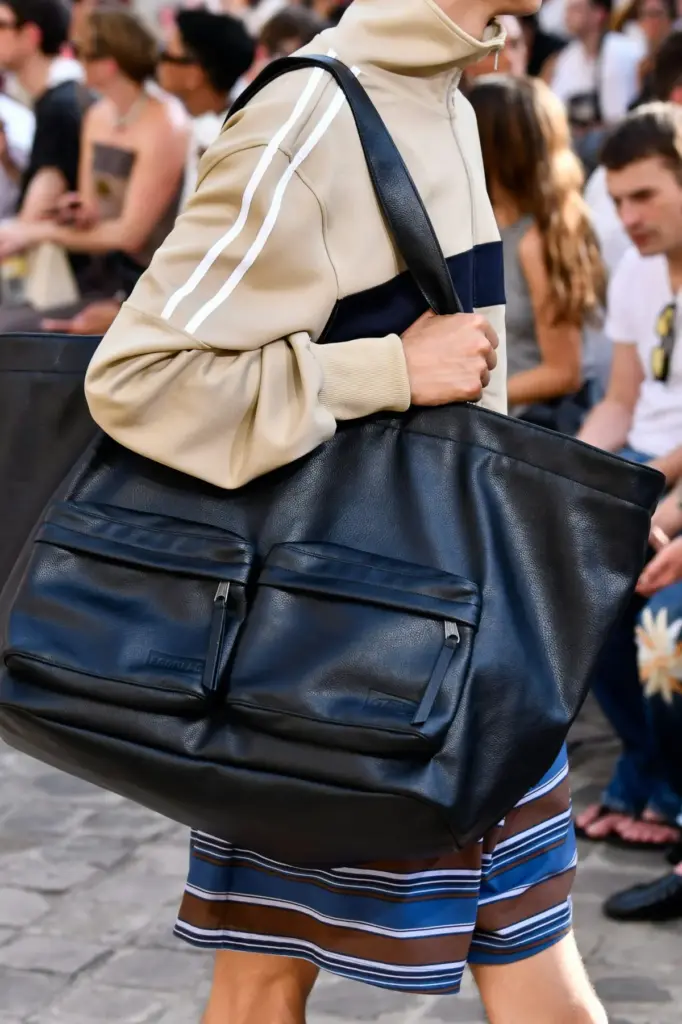
3. The Big-Ass Bag: Utilitarian Extravagance
Carrying capacity became a luxury status symbol. Following continuous iterations from Matthieu Blazy’s Chanel and early signals from artists like Dua Lipa and Charli xcx, the gargantuan tote established itself as a functional necessity.
- The Function: These massive carryalls—ranging from personalized canvas totes to raffia airport schleppers—allow wearers to transport their entire daily lives, earning them the tongue-in-cheek moniker of "mini pharmacies."
- Lifestyle Integration: The trend seamlessly bridges urban commuting with luxury outdoor escapes, finding favor among travelers visiting high-end wilderness destinations like the ULUM Moab glamping resort at the foot of national parks.
4. The Power Pump: The Demise of the Casual Sneaker
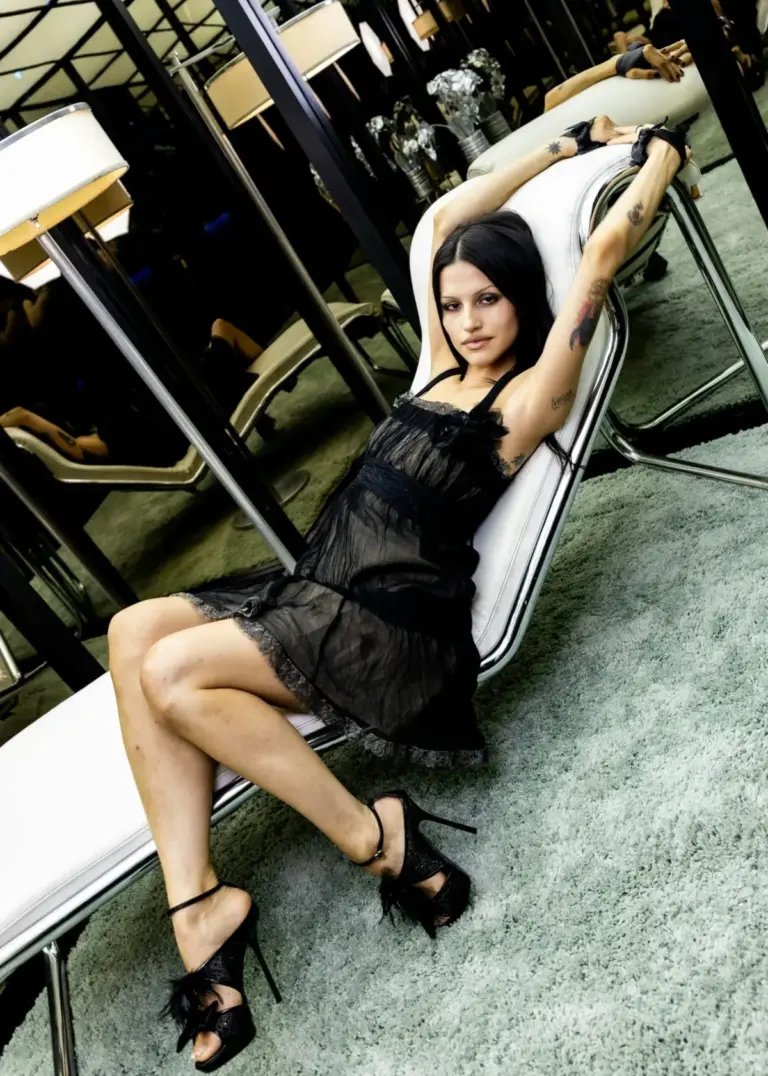
The summer of 2026 marked a decisive, albeit temporary, retreat for the casual athletic sneaker. In its place, the pointed-toe shoe and architectural pump reigned supreme.
- The Vibe: Even in off-duty moments, trendsetters opted for elevated footwear. Whether paired with razor-sharp skirts or dressed-down denim and a classic t-shirt, the power pump introduced a deliberate, theatrical edge to casual daylight dressing.
5. The Big Belt: Stacking, Weight, and Y2K Maximalism
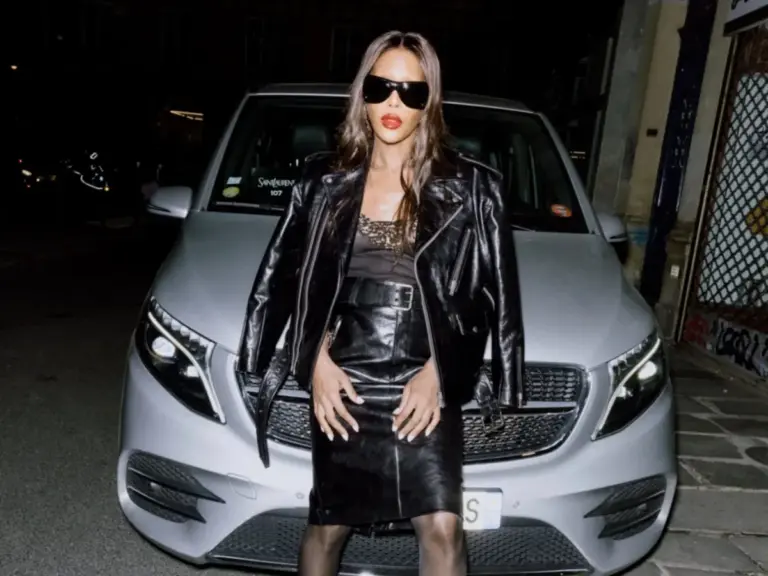
Belts transcended their functional purpose as waist-cinchers to become structural armor. Drawing inspiration from Marc Jacobs’ Y2K revivals and stage appearances by cultural forces like Rihanna and Lorde, the philosophy of "stacking" took hold.
- The Look: Multiple chain-and-leather belts worn concurrently created an intricate web of metallic and leather textures, proving that when it comes to waist ornamentation, more is unequivocally more.
Official Industry Statements & Design Perspectives
Leading voices within the global design community have weighed in on why accessories have seized the spotlight during this particular cultural moment.
"When the overarching silhouette of a garment becomes clean, quiet, and reductive, the human eye naturally seeks out points of friction and focal points of interest. Accessories are where we inject our neuroses, our humor, and our individual histories into what we wear."
— Anonymous Creative Director, European Luxury House
Industry analysts note that macroeconomic shifts often correlate with cyclical swings in fashion styling. In periods of structural wardrobe simplicity, consumers frequently utilize lower-barrier-to-entry items like belts, bags, and jewelry to experiment with micro-trends without overhauling their foundational wardrobes.
"The consumer today is fatigued by monotone minimalism. They want utility, yes—hence the massive totes—but they also want undeniable character. A beaded necklace or a stacked belt is an instant conversation starter. It tells a story before you even enter the room."
— Senior Footwear and Accessory Buyer, International Department Store
Future Outlook: Translating Summer Trends Into Fall and Beyond
As the official close of the season approaches on September 21, trend forecasters are already charting the migration of these summer phenomena into the colder months. Far from being isolated warm-weather fads, many of these accessory-led behaviors are projected to adapt to heavier fabrics and layered outerwear.
1. The Winterization of the Big Bag
The appetite for gargantuan carryalls shows no signs of abating. For Fall/Winter, expect to see the "Big-Ass Bag" transition from canvas and raffia to heavy-pile suedes, shearling, and structured calfskin. The capability to carry one’s entire daily ecosystem remains an indispensable convenience for the urban commuter.
2. Footwear Evolution: From Pump to Architectural Boot
While the summer was defined by pointed-toe pumps and toe-cleavage sandals, the upcoming season will see this footwear freakiness translate into sculptural, knife-sharp boots. The rejection of basic comfort-wear in favor of high-impact silhouettes is projected to dominate footwear markets well into Spring 2027.
3. Jewelry Layering as Year-Round Armor
The success of handicraft beaded necklaces and madcap styling has permanently altered consumer jewelry habits. Rather than retreating to delicate, barely-there chains for winter, the market is pivoting toward multi-textural necklace stacking, combining vintage beads with heavier precious metals.
Ultimately, the summer of 2026 will be remembered as the moment the accessory hierarchy was permanently rewritten. By allowing bags, shoes, and baubles to do the heavy lifting, fashion enthusiasts proved that true style lies not in the simplicity of the clothes we pull over our heads, but in the audacious, freewheeling details with which we choose to adorn ourselves.