Executive Overview
The contemporary skincare landscape has evolved far beyond the traditional, multi-step regimens of the past, increasingly prioritizing agility, targeted efficacy, and skin-barrier health. Among the most significant shifts in modern beauty routines is the reinvention of the facial and body mist. Once dismissed as little more than scented water in a pressurized can, high-performance mists have transformed into sophisticated delivery systems for active ingredients.
This transformation is driven by two major fronts: the rapid advancement of clinical post-workout hygiene formulations—particularly those harnessing hypochlorous acid—and the sophisticated, hydration-centric philosophy of Korean beauty (K-beauty). Together, these innovations are bridging the gap between active lifestyles and dermatological health.
When a post-workout shower has to wait, today’s advanced sprays offer an immediate antimicrobial and soothing refresh. Formulated with powerful yet gentle ingredients like hypochlorous acid, panthenol, and allantoin, these products reduce bacteria and soothe post-exercise inflammation without leaving behind the tacky residue typical of heavier lotions. Concurrently, the integration of K-beauty-inspired formulations has educated consumers on the profound benefits of humectants, barrier-supporting ceramides, and ultrafine misting technology.
This comprehensive report examines the science, expert insights, formulation strategies, and consumer guidelines surrounding the modern skin mist revolution. By analyzing clinical perspectives from leading dermatologists, dissecting ingredient efficacy, and exploring the mechanics of testing and application, we provide an authoritative guide to this burgeoning skincare category.
Detailed Chronology: The Evolution of the Facial Mist
To understand the current sophistication of skin and face mists, it is necessary to trace the trajectory of how these products evolved from simple cosmetic novelties into staple dermatological tools.
Phase 1: The Era of Pure Water and Fragrance (Late 20th Century)
For decades, facial mists served a singular, rudimentary purpose: cooling down overheated skin. These early iterations typically consisted of mineral water, trace gases for propulsion, and occasional artificial fragrances or floral waters like rosewater. While they provided a momentary sensation of refreshment, dermatologists quickly noted their inherent limitations. As the water droplets sat on the surface of the skin and evaporated, they frequently drew out the skin’s natural moisture, paradoxically leaving the complexion drier than before. These products were largely viewed as a luxury afterthought rather than a functional step in a skincare routine.
Phase 2: The Rise of Botanical and Calming Waters (Early 2000s)
As consumer demand for natural ingredients grew, brands began reformulating mists to include soothing botanicals, thermal spring waters rich in minerals, and mild humectants like glycerin. Thermal spring water sprays gained a massive following in Europe, celebrated for their natural mineral content and ability to calm reactive skin post-sun exposure or medical treatments. However, these formulas still lacked the robust active ingredient profiles required to address specific skin concerns such as dehydration, aging, or post-exercise bacterial proliferation.
Phase 3: The K-Beauty Infusion and Active Delivery Systems (2010s–Present)
The global explosion of K-beauty fundamentally shifted how the industry viewed mists. Korean skincare philosophy emphasized deep hydration, barrier fortification, and multi-layered moisture. Mists were reimagined as delivery systems for humectants, antioxidants, and soothing agents.
Concurrently, scientific advancements in body and skin hygiene introduced antimicrobial breakthroughs. The integration of hypochlorous acid—a naturally occurring substance produced by white blood cells to fight infection—into skincare sprays revolutionized post-workout routines. Suddenly, mists were no longer just for midday cooling; they were clinical-grade tools capable of neutralizing sweat-induced bacteria, preventing breakouts, and calming acute inflammation on the go.
Supporting Context & Metrics: The Science of Mists
Modern face and body mists derive their efficacy from a precise balance of chemistry, delivery mechanics, and dermatological science. To fully appreciate their value, we must examine the specific components that separate high-performance formulations from basic water sprays.
The Antimicrobial Powerhouse: Hypochlorous Acid
In the context of post-workout skincare, the most notable formulation breakthrough is the use of hypochlorous acid ($textHOCl$). When individuals exercise, sweat mixes with sebum, dirt, and bacteria on the skin’s surface. If left unchecked, this micro-environment can clog pores, provoke inflammatory responses, and lead to conditions such as "bacne" (body acne) and folliculitis.
- Antimicrobial Action: Hypochlorous acid possesses potent antimicrobial properties that neutralize bacteria, fungi, and viruses upon contact. It targets pathogens without disrupting the skin’s delicate microbiome balance in the way harsh synthetic antibiotics or heavy chemical washes might.
- Anti-Inflammatory Properties: Beyond its bactericidal effects, $textHOCl$ is renowned for its ability to reduce redness and soothe acute inflammation, making it ideal for skin flushed and irritated from intense physical exertion.
- Safety Profile: Because the human body naturally produces hypochlorous acid as part of its immune response, it is exceptionally well-tolerated, even by sensitive or eczema-prone skin types.
The Anatomy of K-Beauty Formulations
Unlike traditional Western face mists that often rely solely on water, advanced Korean face mists function as liquid serums. As leading dermatologists point out, these formulations are engineered to infuse the skin with targeted molecular compounds:
- Humectants: Ingredients such as glycerin, hyaluronic acid, panthenol, and urea act as moisture magnets. They draw water from the atmosphere and deeper layers of the dermis to the stratum corneum, temporarily plumping the skin and softening the appearance of fine lines.
- Soothing and Barrier-Supporting Agents: Components like Centella asiatica (cica), beta-glucan, allantoin, and ceramides reinforce the lipid matrix of the skin. This prevents transepidermal water loss (TEWL) and accelerates recovery from environmental stressors.
- Emollients and Light Oils: Squalane and lightweight plant oils are sometimes incorporated in micro-emulsion mists to seal in hydration and prevent the rapid evaporation that causes post-mist dryness.
Official Statements & Expert Insights
To establish clinical authority on the proper use, benefits, and potential pitfalls of skin mists, we turn to prominent dermatological voices who specialize in barrier health and cosmetic chemistry.
Defining Korean Face Mists and Their Benefits
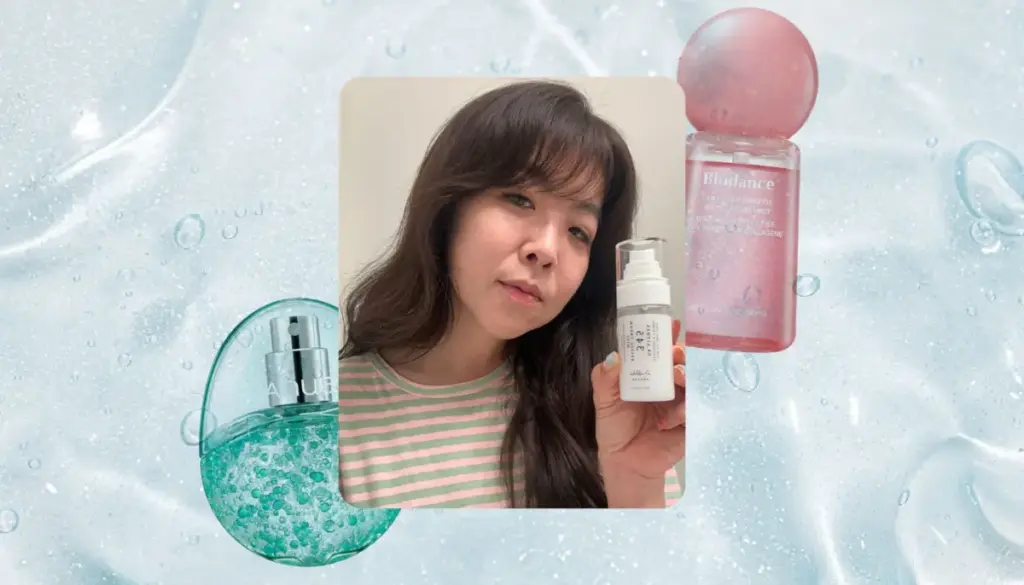
According to Nicole Y. Lee, MD, MPH, FAAD (Epoch Dermatology), Korean face mists represent a fusion of targeted skincare ingredients delivered via advanced, ultrafine aerosolization or pump technology.
"Unlike a traditional facial spray that may just contain water, many Korean formulations include humectants, soothing ingredients, antioxidants, or barrier-supporting ingredients to provide a quick layer of hydration throughout the day," Dr. Lee explains.
This sentiment is echoed by Dr. Gohara, a renowned board-certified dermatologist, who emphasizes the cosmetic rejuvenation properties of a well-formulated mist. She notes that a quality face mist can temporarily plump the skin, soften fine lines, and restore radiance to a fatigued complexion.
"Think of a good face mist as pressing the refresh button on your complexion, with some real skin care benefits built in," says Dr. Gohara.
Strategic Integration Into Skincare Routines
Both dermatologists agree that misusing mists is a common pitfall. Mists should never be viewed as a substitute for essential daily staples such as moisturizers or broad-spectrum sunscreens. Instead, they must be integrated strategically as an enhancement step.
- The Damp Skin Rule: For maximum efficacy, dermatologists recommend applying mists to slightly damp skin to lock in moisture.
- Dr. Gohara’s Application Method: "After cleansing, I mist evenly over the face, then follow with serum and moisturizer while the skin is still slightly damp. This gives humectants something to grab onto and helps the rest of the routine spread smoothly."
- On-the-Go Flexibility: Dr. Gohara notes that mists can also be applied successfully over makeup or utilized whenever the skin experiences environmental fatigue and requires a hydrating reset.
Potential Pitfalls to Avoid
While skin mists offer remarkable versatility, dermatologists urge caution regarding specific formulations and application habits:
- Avoiding Irritants: Individuals with sensitive skin should strictly avoid formulas heavy in synthetic fragrances, essential oils, or drying alcohols (such as denatured alcohol), which can trigger contact dermatitis and disrupt the skin barrier.
- Preventing Dehydration: Dr. Lee cautions against the habit of overspraying without sealing the hydration in. "Though there really isn’t a strict rule on how often you should use a face mist, I would [consider] how your skin feels first. Repeatedly misting without following with a moisturizer can sometimes leave skin feeling even drier once the mist evaporates."
Ingredient Checklist for Consumers
When shopping for advanced facial or body mists, experts advise scanning ingredient labels for specific, proven compounds:
- Moisture Magnets (Humectants): Glycerin, hyaluronic acid, panthenol, and urea.
- Calming Botanicals: Centella asiatica, beta-glucan, and allantoin.
- Barrier Builders: Ceramides, squalane, and lightweight non-comedogenic oils.
Evaluation Methodology: How Mists Are Tested
The proliferation of skin mists on the global market necessitates rigorous evaluation standards. To determine which formulations truly deliver on their dermatological promises, industry experts and beauty editors employ a systematic testing framework.
1. Ingredient and Formulation Audit
The evaluation process begins well before a product touches the skin. Dermatologists and skincare formulators analyze the ingredient deck to ensure that active components (such as hypochlorous acid, humectants, and ceramides) are present in concentrations high enough to yield clinical benefits, while irritants and excessive drying alcohols are absent.
2. Aerosol and Spray Mechanics
The delivery mechanism is critical. A subpar spray nozzle produces large droplets that pool on the face, disrupt makeup, or create uneven application. Testers evaluate:
- Particle Dispersion: Whether the spray creates an ultrafine, cloud-like mist that envelops the skin evenly.
- Tactile Dry-Down: How quickly the product dries and whether it leaves behind a tacky, sticky, or greasy residue. For post-workout sprays, a clean, weightless dry-down is essential.
3. Efficacy Across Skin Concerns
Products are tested across diverse skin types and environmental conditions to assess their performance against specific dermatological concerns:
- Dryness and Dehydration: Measuring immediate and sustained increases in skin hydration levels.
- Dullness and Fatigue: Assessing the revival of radiance and temporary skin plumping.
- Redness and Sensitivity: Monitoring the calming effects of the mist on flushed, irritated, or post-procedure skin.
- Post-Workout Congestion: Testing body and facial mists formulated with antimicrobial agents like hypochlorous acid to determine their efficacy in preventing sweat-induced breakouts.
Future Outlook: The Next Generation of Skin Mists
As dermatological science and cosmetic chemistry continue to converge, the future of skin mists points toward even greater hyper-personalization, sustainability, and technological integration.
Smart Formulations and Microbiome Science
Future advancements will likely see the integration of prebiotics, probiotics, and postbiotics into mist formulations. Building upon the success of antimicrobial sprays containing hypochlorous acid, upcoming products will aim to actively cultivate a thriving, resilient skin microbiome. Rather than simply neutralizing harmful bacteria, these next-generation mists will selectively feed beneficial cutaneous flora, fortifying the skin’s natural defense mechanisms against pollution, stress, and UV-induced oxidative damage.
Sustainable Packaging and Advanced Delivery Systems
The environmental impact of traditional aerosol cans has driven a massive shift toward sustainable packaging in the beauty industry. Innovation in non-aerosol continuous spray technology—powered by compressed air rather than chemical propellants—allows for a continuous, ultra-fine mist while drastically reducing carbon footprints and waste. Refillable mist cartridges and biodegradable packaging materials are slated to become the industry standard over the coming decade.
Conclusion
The evolution of the skin mist from a simple cooling novelty to a sophisticated, active-infused skincare step underscores the maturation of the modern beauty consumer. Whether deployed as an immediate, antimicrobial refresh after an intense workout utilizing hypochlorous acid, or integrated into a multi-step K-beauty regimen to lock in deep hydration with humectants and ceramides, high-performance mists have secured an indispensable place in clinical and daily skincare. By understanding the underlying science, selecting the appropriate active ingredients, and adhering to expert application guidelines, consumers can harness the full potential of these advanced formulations for healthier, more radiant skin.