Executive Overview
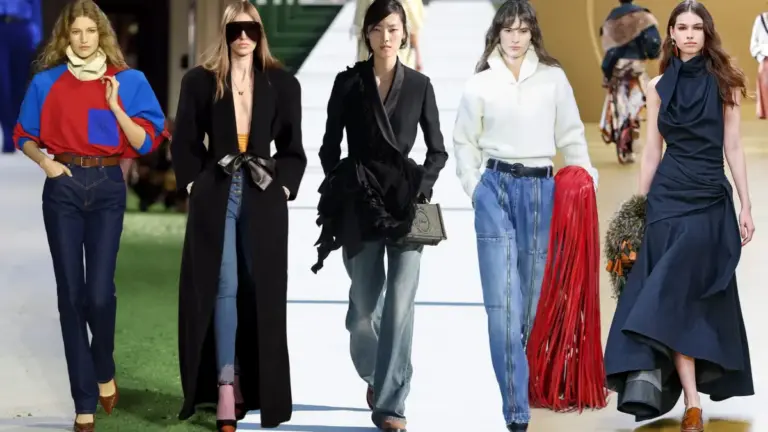
As the sweltering heat of the dog days of summer gradually gives way to crisp autumn breezes, New York City undergoes its biannual metamorphosis. The city transforms into the undisputed global capital of style, playing host to New York Fashion Week (NYFW). For six high-octane, jam-packed days, the industry’s most revered veterans, rising design prodigies, international superstars, and elite tastemakers converge on Manhattan. They trade their summer vacations for the flashbulbs, runway debuts, and after-parties that define the seasonal calendar.
The Spring/Summer fashion cycle is never merely about the textiles cascading down the runway; it is an intricate exercise in cultural cachet, celebrity real estate, and visual storytelling. The front row—affectionately known in the industry as "the Frow"—serves as a barometer of modern relevance. This season, fashion houses masterfully leveraged star power, curating guest lists that spanned Hollywood royalty, chart-topping pop icons, and internet-native disruptors.
From the timeless, all-American equestrian luxury of Ralph Lauren to the nostalgic, pop-infused spectacle of Tommy Hilfiger, and the sleek, minimalist allure of Calvin Klein Collection, the Frows of NYFW offered a masterclass in celebrity styling. Icons like Kate Moss, Pamela Anderson, Rosalía, and Viola Davis shared breathing room with Gen Z darlings like Iris Law, Troye Sivan, and Nara Smith. This comprehensive retrospective explores the definitive celebrity sightings, standout fashion moments, and cultural undercurrents that defined the most sought-after front rows of the season.
Detailed Chronology: Star-Studded Sightings Across the Major Houses
The six-day fashion marathon was structured around a high-low mix of heritage heavyweights and boundary-pushing contemporary labels. Each day brought a distinct narrative, told as much through the clothes worn by the attendees as the collections themselves.
American Royalty: Ralph Lauren, Tommy Hilfiger, and Tory Burch
The heavyweights of American sportswear set a towering standard early in the week. Ralph Lauren’s presentation felt like a cinematic tableau, drawing an A-list congregation that underscored the brand’s enduring global prestige. The Frow was anchored by powerhouse actresses Meghann Fahy, Elizabeth Debicki, Rachel Brosnahan, Ella Hunt, and Eiza González. They were joined by screen legend Viola Davis, whose commanding presence added gravitas to the evening. International star power was out in full force with Japanese model and actress Kiko Mizuhara, while contemporary culture found representation through style mainstays Devon Lee Carlson and Sydney Carlson.
Tommy Hilfiger delivered his signature high-energy spectacle, merging fashion, music, and pop culture into an unforgettable evening. British supermodel icon Kate Moss commanded every lens in the room, sharing the spotlight with global pop sensation Camila Cabello and K-pop royalty Jisoo. The star-studded lineup continued with reality television icon and entrepreneur Lisa Rinna, Riverdale star Madelaine Petsch, Spanish actor Aron Piper, and digital creator Quen Blackwell.
Tory Burch balanced bohemian sophistication with modern polish, drawing a refined front row featuring singer-songwriter Ravyn Lenae, tennis professional Alex Eala, lifestyle entrepreneur Morgan Stewart McGraw, actress Amanda Seyfried, Izzi Allain, and digital personality Tefi.
The New Guard and Contemporary Cool Kids
While heritage brands anchored traditional glamour, the "cool kids" of New York fashion injected a dose of raw, subversive energy into the schedule. Cult Gaia proved to be a magnet for Hollywood’s young and effortlessly stylish, drawing actress Madelyn Cline alongside actor Lukas Gage, and digital creator Olivia Jade.
TWP Clothing brought out an eclectic, multi-generational crowd that celebrated timeless elegance mixed with modern edge. The front row featured style icon Jenna Lyons, legendary domestic doyenne Martha Stewart, critically acclaimed actress Michelle Monaghan, and Lucy Freyer.
Rachel Antonoff leaned into whimsical, narrative-driven design, attracting creative forces like multidisciplinary artist Ella Emhoff and actress Natasha Lyonne. Meanwhile, Wiederhoeft—known for its theatrical, red-carpet-ready bridal and avant-garde designs—drew cultural agitators including Mary Beth Barone and Paige DeSorbo.
At Sandy Liang, the downtown aesthetic reigned supreme. The Frow was packed with indie darlings and style authorities, featuring Lily Rabe, Lumia Nocito, Devon Lee and Sydney Lynn Carlson, and comedic talent Veronika Slowikowska. COS championed intellectual minimalism, drawing critically acclaimed actors Diego Calva and Dominic Sessa to its front row, showcasing a masterclass in understated tailoring.
The Powerhouse Closings: Calvin Klein, Michael Kors, and Coach
The latter half of the week belonged to the massive global labels capable of locking down culture-shifting talent. Calvin Klein Collection delivered one of the most talked-about guest lists of the entire season. The Frow read like a who’s who of international music, film, and art: Spanish superstar Rosalía, powerhouse vocalist Teyana Taylor, pop sensation Tate McRae, and acclaimed actress Sadie Sink.
They were joined by fashion icons Emily Ratajkowski, Alexa Chung, and the eternal Pamela Anderson, whose timeless grace captivated onlookers. Digital culture and music intersected seamlessly with Benito Skinner, Mary Beth Barone, avant-garde musician St. Vincent, model-of-the-moment Iris Law, Lila Moss, Nara Smith, Ashtin Earle, Izzi Allain, and Ruby Lyn.
Michael Kors Collection kept the energy effervescent and star-studded. Lisa Rinna transitioned effortlessly from Tommy Hilfiger to take a prime seat alongside the dynamic duo Jackson White and Grace Van Patten, Kathryn Newton, Izzi Allain, Ashtin Earle, Delilah Belle, Tefi, Francesca Keller, comedy sensation Brittany Broski, and entrepreneur Jordyn Woods.
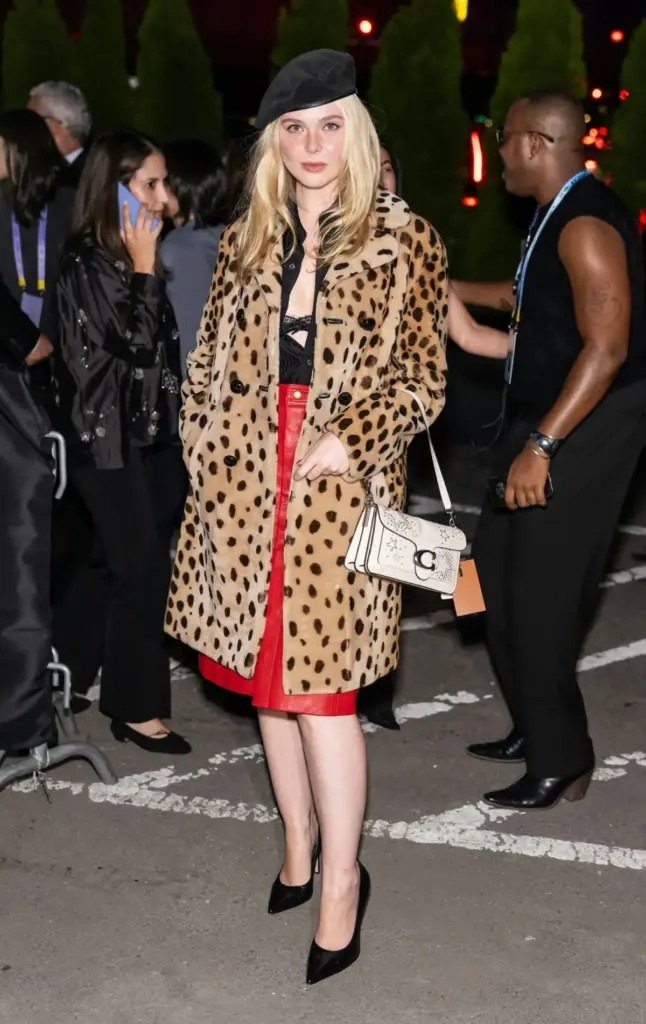
Coach celebrated its ongoing love affair with youth culture and downtown grit. Longtime brand muse Elle Fanning fronted the Frow alongside global pop icon Troye Sivan, model Iris Law, actress Avantika, and breakout star Storm Reid.
Magda Butrym drew an elite pairing of timeless elegance and modern internet royalty, seating legendary actress Demi Moore alongside culinary and style creator Nara Smith and Anna Van Patten.
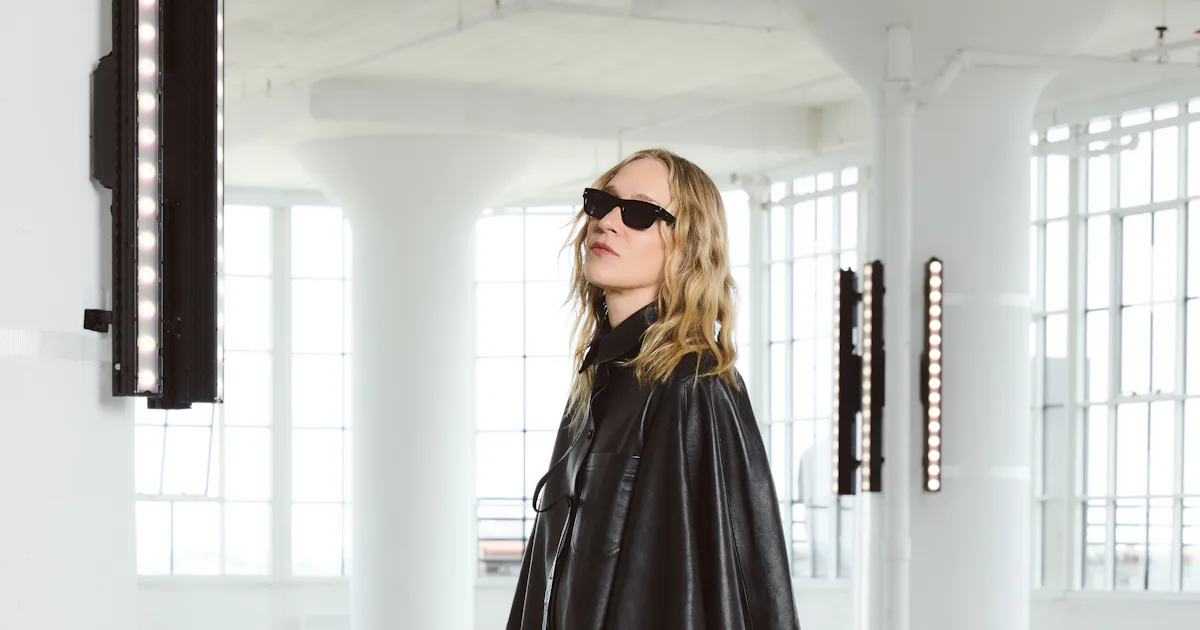
Finally, 7 For All Mankind staged an intimate fashion moment celebrating denim culture, featuring stylish appearances by Anna Van Patten, Chloë Sevigny, Hayes Warner, and Charlotte Lawrence—the latter of whom notably stunned in the definitive purple dress of the season.
Supporting Context & Metrics: The Economics of the Front Row
The visual spectacle of the New York Fashion Week front row is frequently mistaken for casual happenstance, but in reality, it is a multi-million-dollar exercise in precision marketing, earned media value (EMV), and global brand positioning.
The Calculus of Celebrity Seating
In the hyper-competitive landscape of contemporary fashion, a brand’s financial return on investment (ROI) is heavily tethered to the social media metrics generated during its runway presentation. According to recent data analytics from digital marketing firms tracking fashion week engagement, top-tier celebrities and digital creators can generate millions of dollars in EMV within hours of a show concluding.
- The K-Pop and Global Idol Effect: Brands like Tommy Hilfiger capitalizing on global superstars such as Jisoo experienced unprecedented digital surges. International fandoms mobilize instantly across platforms like X (formerly Twitter), Instagram, and TikTok, driving millions of impressions and cementing the brand’s footprint in critical Asian-Pacific markets.
- The Nostalgia Factor: The inclusion of enduring icons like Kate Moss, Pamela Anderson, and Martha Stewart bridges generational divides. While Gen Z consumers engage heavily with digital-native creators like Nara Smith and Devon Lee Carlson, millennial and Gen X demographics rally around legacy icons, ensuring a comprehensive market reach.
- The "It-Girl" Pipeline: Emerging talents such as Elle Fanning, Rosalía, and Sadie Sink act as vital conduits between high fashion and youth culture. Their styling choices at these events routinely dictate e-commerce search trends for the subsequent quarter.
Official Statements & Industry Perspectives
The convergence of high fashion and celebrity culture has sparked continuous debate regarding the authenticity of runway attendance versus brand partnership mechanics.
Reflecting on the philosophy behind casting both the runway and the front row, chief creative officers frequently emphasize storytelling over mere star-wattage. During post-show press briefings, designers highlighted that the modern attendee must embody the ethos of the collection.
"When we invite someone to sit front row, they aren’t just wearing clothes—they are translating the emotional language of the collection to the world," noted one prominent American designer’s creative director during NYFW. "The Frow is a living mood board. It requires a synergy between the clothes, the music, the space, and the individual occupying the seat."
Public relations executives managing top-tier luxury conglomerates echoed these sentiments, noting that the modern consumer demands narrative cohesion.
"Audiences are too smart for superficial endorsements," shared a leading fashion communications strategist. "If a celebrity is in the front row at Calvin Klein or Ralph Lauren, it has to look effortless, authentic, and completely aligned with their personal brand trajectory. That alignment is what turns a picture on a Getty Images feed into a viral cultural moment."
Future Outlook: Where Do Frows Go From Here?
As the dust settles on another triumphant week in Manhattan, the fashion industry is already looking ahead to the implications of this season’s front-row strategies. Several key trends are poised to shape the future of NYFW presentations:
- The Blurring Lines Between Creator and Celebrity: The traditional hierarchy that strictly separated Hollywood actors from digital influencers has effectively dissolved. Creators like Nara Smith, Tefi, and Benito Skinner command the same photographic real estate and brand respect as Academy Award winners, a trend that will only accelerate in upcoming seasons.
- Hyper-Personalized Brand Ambassadors: Brands are moving away from broad, generic celebrity seeding in favor of deep, multi-year creative partnerships. Expect future front rows to look increasingly cohesive, acting as tightly edited visual extensions of a designer’s capsule or seasonal line.
- The Sustainability of Spectacle: As environmental scrutiny on the fashion industry intensifies, brands are re-evaluating the carbon footprint associated with flying global stars in for twenty-four-hour appearances. Future iterations of fashion week may lean further into localized talent and hybrid virtual integrations to maintain high digital engagement while curbing excess.
Ultimately, the front row at New York Fashion Week remains the ultimate intersection of art, commerce, and culture. As long as style continues to capture the global imagination, the scramble for the best seat in the house will remain the most high-stakes game in town.