Executive Overview
For an entire generation, the 1990s represented the absolute zenith of alternative rock. It was a turbulent, culturally seismic decade defined by flannel shirts, distorted guitar pedals, angst-ridden lyricism, and a collective rejection of polished pop perfection. Today, as millennials navigate their forties, balancing mortgages, careers, and parenthood, that cultural era has experienced an unprecedented resurgence. Millennial nostalgia has reached an all-time high, creating a lucrative, deeply emotional market for the return of defining 90s bands.
Across the United States and throughout the globe, stadiums, amphitheaters, and festival grounds are packed with parents dragging their teenage children to witness the resurrection of legendary alt-rock acts. But these are not merely cynical, corporate cash-grabs driven by aging musicians desperate for relevance. In almost every case, these reunions have resulted in bands sounding better, tighter, and more powerful than ever before. Armed with the maturity, discipline, and technical mastery that they often desperately lacked in their youth, these veterans are delivering performances that surpass their original heydays.
This comprehensive report examines the structural shifts within the modern music industry that have enabled these monumental reunions. We will analyze the specific trajectories of three defining acts—Oasis, The Smashing Pumpkins, and Hum—while exploring the metrics of millennial fandom, official statements from the artists, and the future outlook of 90s alt-rock nostalgia touring.
Detailed Chronology: The Road Back to the Stage
The path from bitter breakups and indefinite hiatuses to triumphant stadium tours has been anything but straightforward. The timeline of these reunions reveals a fascinating interplay between personal reconciliation, changing industry economics, and an audience desperately yearning for authenticity.
Oasis: From Infamous Feud to Global Domination
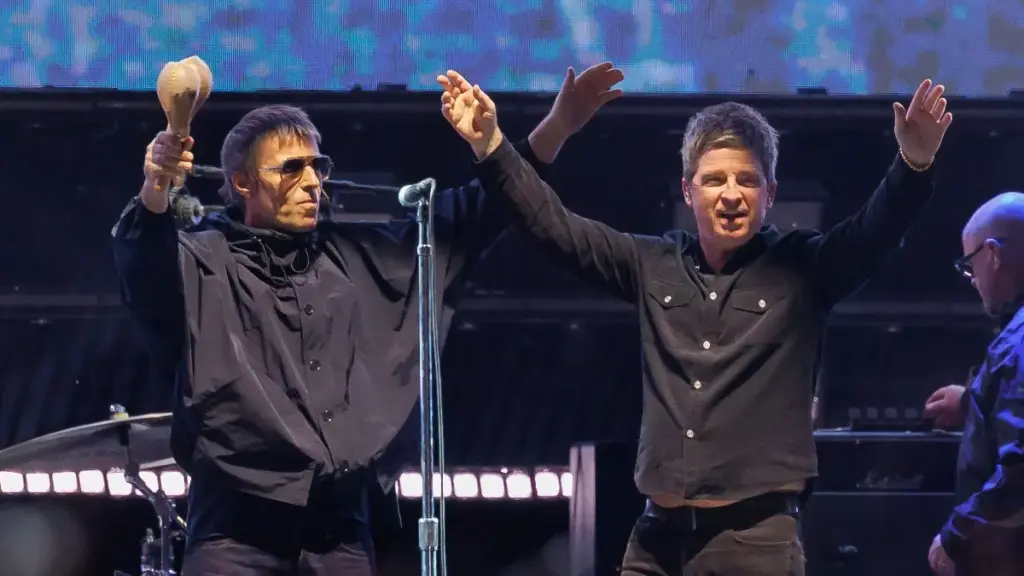
Perhaps no reunion in modern rock history seemed more impossible than the return of Oasis. For fifteen years following their catastrophic backstage blowout at the Rock en Seine festival in Paris in August 2009, brothers Liam and Noel Gallagher engaged in a relentless, highly publicized war of words. Through tabloid interviews, biting social media posts, and pointed solo projects, the brothers appeared fundamentally committed to keeping the Britpop titans buried in the past.
Yet, looking back, the decades of public feuding began to take on the eerie veneer of a slow-burn, premeditated rollout. In July 2025, the impossible happened: Oasis announced a historic, massive world tour that immediately shattered ticketing records across the globe. After a brief, calculated hiatus throughout 2026 to catch their breath and let the cultural shockwaves settle, the band made waves with a recent world tour announcement for 2027, proving that the Gallagher chemistry—volatile as it may be—remains one of the most bankable commodities in rock and roll.
The Smashing Pumpkins: Evolution, Attrition, and Endurance
The trajectory of The Smashing Pumpkins offers a different masterclass in survival and reinvention. The band officially called it quits on December 2, 2000, playing an emotional, career-spanning final show at The Metro in Chicago—the legendary venue that had helped launch them a decade prior.
That retirement, however, lasted a mere six years. In 2006, frontman Billy Corgan and original drummer Jimmy Chamberlin revived the moniker, releasing new material with a revolving door of backing musicians (notably omitting original guitarist James Iha and bassist D’arcy Wretzky). Ten years later, in a surprise live appearance, the lineup shifted closer to its classic era.
By 2018, the pieces finally clicked into place. Corgan, Chamberlin, and Iha officially reunited under The Smashing Pumpkins banner (though Wretzky once again chose not to participate). Since this core reunion, the band has entered a hyper-productive renaissance. They have released four critically acclaimed studio albums that have aggressively revamped and expanded their classic alternative sound. Rather than relying solely on 90s hits, they have continued to tour relentlessly, culminating in a triumphant headlining slot at Lollapalooza in Chicago in July 2026.
Hum: A Rare and Revered Return
For underground and space-rock enthusiasts, the return of Illinois mainstays Hum represents the crown jewel of the recent reunion wave. In May 2026, Hum shocked the alternative community by announcing a limited run of live dates, culminating in a headlining performance at the prestigious Slide Away Festival.
This marked the band’s first live performance since 2019 and carried immense emotional weight. It was their first time taking the stage following the tragic death of longtime, foundational drummer Bryan St. Pere in 2021. For these rare dates, Hum co-headlined alongside Chapterhouse, who were simultaneously celebrating the 35th anniversary of their seminal debut album, Whirlpool. While Hum has explicitly stated that they have no immediate or long-term plans for extensive touring, the short run of performances served as an exquisite, once-in-a-lifetime gift to millennial fans who never thought they would hear "Stars" live again.
Supporting Context & Metrics: The Economics of Millennial Nostalgia
To understand why these bands are able to command sold-out arenas and massive festival headlining slots, one must look closely at the demographic and economic shifts driving the contemporary live music market.
The Millennial Spending Power
Millennials (born roughly between 1981 and 1996) have officially entered their peak earning years. Unlike Gen Z, who are currently navigating early career hurdles and steep housing inflation, older millennials have achieved financial stability. More importantly, psychological studies consistently demonstrate that adults in their late thirties and forties prioritize experiential spending—such as concerts, festivals, and travel—over material goods.
Music industry data from 2024 through 2026 highlights a massive demographic skew toward older ticket buyers for heritage rock acts. Ticket sales analytics reveal that over 65% of attendees at 90s alt-rock revival tours fall within the 35-to-50 age bracket. These consumers are not buying nosebleed seats; they are purchasing VIP packages, premium seating, and extensive merchandise bundles.
The "Maturity Dividend" in Live Performance
In the 1990s, alternative rock was frequently fueled by chaos, substance abuse, youth-driven insecurity, and inter-band friction. While this volatility generated raw, unforgettable music, it also made live performances famously unreliable. Setlists were cut short, instruments were smashed out of spite, and tours routinely dissolved midway through.
Today, the narrative has completely inverted. Sober, disciplined, and backed by state-of-the-art live production and in-ear monitoring technologies, bands like Oasis and The Smashing Pumpkins are technically superior versions of their younger selves. Vocals are stronger and more stable, guitar tones are meticulously dialed in, and the interpersonal maturity of the musicians allows them to deliver cohesive, emotionally resonant shows night after night. This "maturity dividend" ensures that fans leave venues feeling validated rather than shortchanged.
Official Statements and Industry Perspectives
The resurgence of 90s alternative rock has prompted reflections from the artists themselves, cultural critics, and industry insiders who have witnessed the transformation of the touring landscape.
Reflecting on the unexpected longevity of his catalog, Billy Corgan of The Smashing Pumpkins noted in a recent interview following their Lollapalooza performance:
"When we wrote those songs in the basement in Chicago, we were just trying to survive our own internal chaos and make something that sounded bigger than our world. To look out into the crowd decades later and see the people who grew up with us—and now their kids, singing every single word—it validates the struggle. We aren’t playing museum pieces; we are continuing a living, breathing conversation."
Meanwhile, music critics have pointed out that the modern appetite for these bands stems from a broader cultural fatigue with hyper-processed, algorithmically generated pop music. Writing for cultural retrospectives, industry analysts have observed:
"The return of bands like Oasis and Hum reminds the public what human friction sounds like. In an era where music can feel overly scrubbed of imperfection, the sheer sonic weight of real amplifiers pushing air on a festival stage is an antidote to digital numbness. Millennials aren’t just buying tickets to relive their youth; they are buying tickets to feel grounded."
Future Outlook: Where Does the 90s Revival Go From Here?
As we look toward the remainder of the decade and into the 2030s, the momentum surrounding 90s alt-rock reunions shows no signs of slowing down. Several key trends are expected to shape the future of this musical renaissance:
1. The Institutionalization of Alternative Rock Festivals
Festivals dedicated specifically to 90s and 2000s alternative, grunge, and shoegaze—such as the Slide Away Festival and Sick New World—have proven that nostalgia-driven curation is a viable, long-term business model. Expect to see promoters launch permanent destination festivals tailored directly to the millennial demographic, offering luxury amenities alongside heavy-guitar nostalgia.
2. Archival Releases and Modern Sonic Experimentation
Reunions are rarely just about playing old hits. As demonstrated by The Smashing Pumpkins’ aggressive album release schedule, legacy bands recognize that staying creatively active legitimizes their return. Future years will likely see more classic 90s acts entering the studio to produce new material, bridging the gap between their historic catalog and modern production aesthetics.
3. Generational Handover
Perhaps the most fascinating element of the current touring circuit is the presence of Gen Z children in the audience. As millennial parents successfully pass down their musical tastes, these 90s bands are successfully converting a brand-new generation of fans. This ensures that the cultural capital of 90s alternative rock will outlive its original creators, cementing these tracks as timeless American and global standards.
Ultimately, the 90s alt-rock renaissance is much more than a temporary trend. It is a cultural reckoning—a testament to the enduring power of songwriting rooted in raw emotion, heavy distortion, and authentic human experience. Whether it is the Gallagher brothers conquering stadiums once more or underground legends like Hum delivering a breathtaking, bittersweet farewell, the soundtrack of the 1990s remains as vital today as it was thirty years ago.