Executive Overview
Fashion Month is structurally designed to test the limits of human endurance. To the uninitiated, the four-week marathon of bi-annual presentations is defined by quiet luxury, pristine showrooms, and immaculate glamour. Yet, anyone who has spent consecutive days surviving gridlocked traffic, standing-room-only cattle calls, and after-parties stretching into the early-morning hours understands that this is a deeply generous interpretation of reality.
During the September swing across New York and London, the garments themselves served merely as the baseline. The circuit offered an intoxicating mix of runway theatrics, downtown subcultural cameos, legacy houses facing existential identity crises, a relentless parade of pop-culture icons materializing like rare Pokémon, and a nightlife economy that turned "just one drink" into the season’s most statistically improbable lie.
This report documents the defining moments of the season’s opening act—the highlights that forced industry insiders to stop, stare, screenshot, flood group chats, and occasionally rethink their entire seasonal wardrobes.
Detailed Chronology: New York Fashion Week
New York kicked off the month with its characteristic blend of infrastructural chaos and unbridled creative ambition, proving once again that the city’s concrete jungle provides the ultimate backdrop for high-concept storytelling.
Luar
Raúl López remains an absolute beacon of light for the global fashion community. While many heritage and independent brands spend millions trying to manufacture a moment, Luar inherently understands that a fashion show must construct an immersive world rather than resemble an over-lit PowerPoint presentation.
His latest collection carried his signature collision of polish, downtown grit, and proud Dominican identity. Despite navigating a grueling, traffic-choked two-hour drive out to the Unisphere in Queens and being forced to scale a security rail just to reach the venue on time, the presentation stood out as an undisputed highlight of New York Fashion Week.
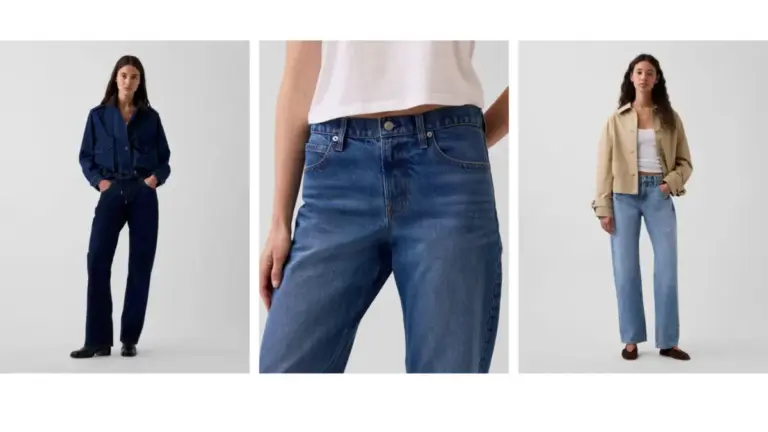
7 For All Mankind
As PAPER’s Fashion Director Angelina Cantu succinctly observed: "Hot. Sexy. Fabulous. I love a girl who can pump it. Thank God for Nicola Brognano."
While the collection itself ranked among the strongest of the week, the styling conversation overshadowed even the garments. Brognano’s vision has set a standard that street-style stars and global tastemakers will undoubtedly attempt to replicate throughout the year.
Coach
Marking its 85th anniversary, Coach proved that heritage can age remarkably well. Creative Director Stuart Vevers commemorated the milestone with a collection steeped in heavy New York nostalgia before ushering the fashion-industrial complex straight into a Studio 54-style birthday blowout.
With guests like Elle Fanning and Storm Reid in attendance, the event embodied the core ethos of a Coach party: look expensive, wear your history proudly, and stay out dangerously late.
ESSENCE Fashion House
If fashion houses often suffer from excessive self-seriousness, the ESSENCE Fashion House treated the assignment as a blueprint for an elite nightclub experience. Hosted at Jean’s, the room welcomed Daniel Kaluuya, Coi Leray, Nasir Dean, Leon Thomas, and Claressa Shields.
With Va$htie Kola commanding the decks and Flo Milli delivering an electrifying surprise performance on the dance floor, the event served as a vital reminder of how much the industry craves unpretentious, high-energy fun.
Rio
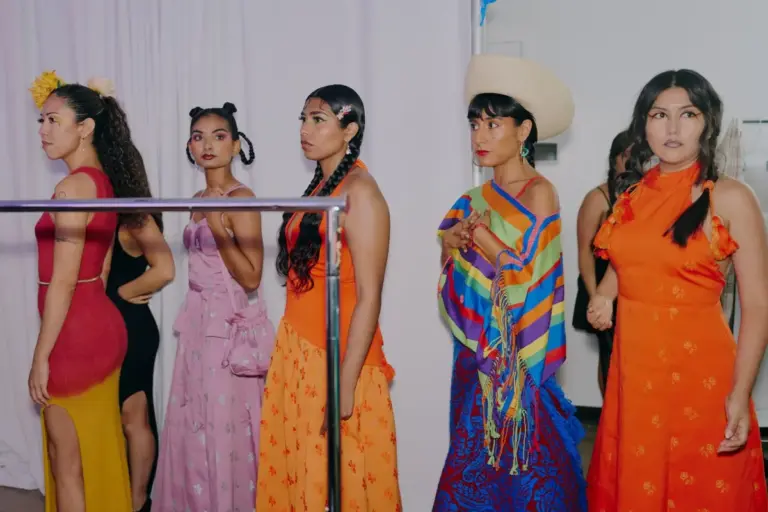
Rio Uribe injected vital, unpredictable energy into an already saturated calendar. Long recognized as one of the most fiercely original yet perpetually underrated designers in American fashion, Uribe used his platform to champion Latino and Mexican culture with profound depth and elevated execution.
A particularly gratifying highlight saw Fuerza Regida frontman JOP sitting front row, alongside Snow Tha Product, who commanded the runway. The pairing was born from a mutual connection made earlier in the year at an intimate PAPER Español dinner designed to foster community among Latino creatives. Mission accomplished; salud, Rio.
Zaldy
Making his official CFDA calendar debut, Zaldy delivered the precise level of theatricality expected from a creator whose career bridges fashion, performance art, and pop spectacle. Treating the runway like a Broadway stage rather than a commercial showroom, Zaldy infused the space with a rare, relaxed joy that sharply contrasted with the typical high-anxiety atmosphere of Fashion Week. The production received vital support from Auger founders Dave and Leigh Anne Clark, who continue to champion incubation models for independent talent.
Zane Li
Fresh off winning the prestigious Karl Lagerfeld Award from the LVMH Prize in Paris, Zane Li presented a collection characterized by bold graphic shapes, vibrant color blocking, and a sharp, modern sensuality. Endorsed by PAPER Editorial Director Mickey Boardman as one of his top picks of the season, Li is firmly positioned as a name to watch before the rest of the industry claims they discovered him first.
Campillo
Campillo integrated a distinct Mexican sensibility into the New York conversation, rooting contemporary menswear and tailoring in artisanal craft without letting heritage feel static or precious. In a week often dominated by standard American fashion mythology, Campillo offered a sharp reminder that the future of luxury is proudly specific, global, and utterly allergic to blandness.
Guvanch
For those who treat "too much" as a baseline rather than a warning, Guvanch delivered a heavy dose of sensuality, theatricality, and body-conscious glamour. Playing with exaggerated proportions and unhinged energy, the collection fit seamlessly into New York’s most ecstatic late-night narratives.
Henry Zankov & Tory Burch
Mickey Boardman noted that Henry Zankov "had quite a week," balancing his own eponymous label’s signature colorful knits with a critically praised debut for DVF. Zankov demonstrated an innate understanding of Diane von Furstenberg’s legacy, treating the brand’s history with both reverence and modernity.
Meanwhile, Tory Burch offered a masterclass in quiet, opulent ease. Featuring luxurious knits and feathered boas, the collection provided a sophisticated palate cleanser for an industry exhausted by days of relentless runway theater.
KidSuper: The People’s Runway
Colm Dillane continues to dismantle the traditional architecture of the fashion show, trading velvet ropes for open-door community spectacles. Presented in collaboration with Brooklyn Borough President Antonio Reynoso, "The People’s Runway" transformed Borough Hall Plaza into an open-air festival.
The platform highlighted five rising Brooklyn designers—Kuai Li, Lamin Rey Jaiteh, Laurel Tiange Fang, Moses Aina, and Roderick Reyes—providing them with industry mentorship (including guidance from PAPER’s Angelina Cantu) and $15,000 grants. Capped off by performances from Wyclef Jean, the Songs of Solomon Choir, and a surprise appearance by Lauryn Hill, the event transcended fashion to become a defining cultural moment for the borough.
J Balvin x Kiton & Montblanc
J Balvin brought his maximalist personal touch to traditional Neapolitan tailoring through a partnership with Kiton, titled Kiton para J Balvin Familia, alongside a vibrant SoHo pop-up celebrating Colombian brand VÉLEZ.
Simultaneously, Montblanc celebrated its centennial at the Crane Club. A heavily curated guest list featuring Paul Anthony Kelly, Alexandra Daddario, and Princess Marie-Olympia of Greece danced to a set by DJ Honey Dijon under the direction of Creative Director Marco Tomasetta.
Rachel Antonoff x Susan Alexandra & The Martinez Brothers
Rachel Antonoff and Susan Alexandra teamed up for "Best in Show," a whimsical NYFW presentation pairing witty garments—such as Bob Balaban’s standout trompe l’œil cardigan—with adoptable rescue animals from Animal Haven.
To round out the New York nightlife circuit, the Martinez Brothers hosted a pop-up that successfully bridged the city’s fashion and underground club cultures, injecting much-needed nocturnal electricity into the week.
Detailed Chronology: London Fashion Week
Crossing the Atlantic brought a shift in geography, climate, and collective psychological endurance, though the foundational exhaustion among attendees remained remarkably consistent.
Simone Rocha
Simone Rocha anchored her London outing in the dark romanticism of Caravaggio. Exploring the intersections of beauty, violence, and the messy complications of love, Rocha utilized roses, embroidered tulle, and drop-waist silhouettes to transform the runway into a haunting, painterly dreamscape.
Ginny Litscher
In a bold spatial gamble, Ginny Litscher placed her catwalk directly over a swimming pool. True to the chaotic nature of runway physics, an attendee ultimately took an accidental plunge into the water—champagne glass, phone, and dignity intact (fortunately, it was not a model). The aquatic theme felt justified by the collection’s vacation-ready, eccentric silhouettes.
McQueen
Marking the house’s first presentation on the London schedule since 2001, Seán McGirr staged the Spring/Summer 2027 collection in the Undercroft of Lincoln’s Inn Chapel. Melding Renaissance iconography, rave subculture, and Savile Row tailoring from Huntsman, the collection engaged directly with the raw DNA of Lee McQueen.
While initial critical reception was mixed—largely due to the impossibly high historical bar set by the brand’s founder—subsequent re-sees revealed deep technical craftsmanship and tailoring pedigree that validated McGirr’s vision.
Burberry
Daniel Lee closed out London Fashion Week by collaborating with textile legend Celia Birtwell. Her hand-drawn florals and vines disrupted Burberry’s classic check, softening the legacy house’s heritage codes. The moment was punctuated by central Cee’s viral runway appearance, cementing the show’s cultural footprint.
Supporting Context & Metrics
The Economic and Cultural Footprint of Fashion Month
While media coverage often fixates on front-row attendance and viral moments, Fashion Month represents a multi-billion-dollar operational engine for both New York and London.
- Foot Traffic & Tourism: New York Fashion Week alone generates an estimated economic impact exceeding $600 million annually, driving hotel occupancies, fine dining reservations, and retail sales across Manhattan and the outer boroughs.
- Independent Incubators: The integration of municipal support—such as Brooklyn Borough President Antonio Reynoso partnering with KidSuper to distribute $15,000 grants to local designers—highlights a structural shift toward grassroots economic sustainability within emerging fashion markets.
- Cross-Industry Collaborations: The proliferation of music-fashion crossovers (such as J Balvin x Kiton and KidSuper’s concert format) reflects a measurable shift in marketing strategy, where experiential entertainment yields significantly higher digital engagement metrics than traditional static presentations.
Official Statements
"Hot. Sexy. Fabulous. I love a girl who can pump it. Thank God for Nicola Brognano."
— Angelina Cantu, Fashion Director, PAPER"Tory Burch is always chic and knows how rich ladies love to dress. This season the knits and boas were particularly glamorous and fun."
— Mickey Boardman, Editorial Director, PAPER"Henry Zankov had quite a week. His Zankov show was full of his signature fun, colorful knits, and his debut for DVF was classic Diane von Furstenberg with a modern twist."
— Mickey Boardman, Editorial Director, PAPER
Future Outlook
As the industry packs its trunks for Milan and Paris, the September shows in New York and London have established clear structural trajectories for the seasons ahead.
- Democratization vs. Exclusivity: The success of community-integrated formats like KidSuper’s People’s Runway and Luar’s immersive world-building signals that consumers and critics alike are growing fatigued by sterile, ultra-exclusive presentations. Brands that invite broader cultural participation are capturing significantly higher consumer loyalty.
- Global Heritage Integration: Designers like Campillo, Rio, and Luar have proved that localized cultural narratives—specifically from Latin America and the Caribbean—can occupy the highest tiers of global luxury without watering down their identities for mass palates.
- The Rise of Experiential Retail and Nightlife: The blending of fashion presentations with high-profile music performances, pop-up markets, and nocturnal cultural crossovers (exemplified by ESSENCE, the Martinez Brothers, and the PAPER x Lexus x Ambush party) indicates that the future of fashion marketing lies in creating fully realized, multi-sensory ecosystems rather than mere product drops.
The machinery of Fashion Month moves forward, leaving behind a trail of exhausted publicists, viral clips, and emptied fragrance bottles at Liberty London. Yet, the foundational takeaway remains absolute: when fashion remembers how to have fun, the world watches.