Weeks after sealing her legacy with a breathtaking gold-medal performance in the free skate at the 2026 Winter Olympics, American figure skater Alysa Liu remains the center of cultural gravity. While her flawless triple-axel sequences, ethereal gold skating dress, and magnetic poise captivated millions across the globe, it is her distinctive, alternative-leaning aesthetic—anchored by her striking "halo hair"—that has transitioned from an athletic signature to a definitive global fashion and beauty phenomenon.
Liu, an athlete known for seamlessly blending athletic mastery with an uncompromising personal identity, has reignited interest in a decades-old hair-color technique. Originally cultivated through a mix of DIY experimentation and refined by professional colorists, her signature look has officially broken out of its niche subcultures and entered the mainstream consciousness. Industry experts, top-tier stylists, and beauty executives alike are now forecasting a massive resurgence of dimensional, strategically placed color placement.
This deep-dive investigative feature examines the rise of the halo hair trend, the technical artistry required to achieve it, and the broader cultural implications of athletes using personal style to challenge traditional sports aesthetics. Furthermore, we explore expert maintenance regimens, historical precedents, and what this hair trend signals for the future of hyper-personalized beauty.
Detailed Chronology: From DIY Roots to Olympic Gold
To understand the current cultural footprint of Alysa Liu’s hair, one must trace its evolution from a casual home-styling experiment to a high-profile Olympic statement.
The Genesis: Experimentation and Evolution
Long before stepping onto the world stage at the 2026 Winter Games, Liu was cultivating an unapologetic "alt-girl" identity that set her apart in the hyper-polished world of competitive figure skating. Raised in California, the athlete initially experimented with her look independently, attempting to capture the edgy aesthetic of vintage rock and Y2K subcultures.
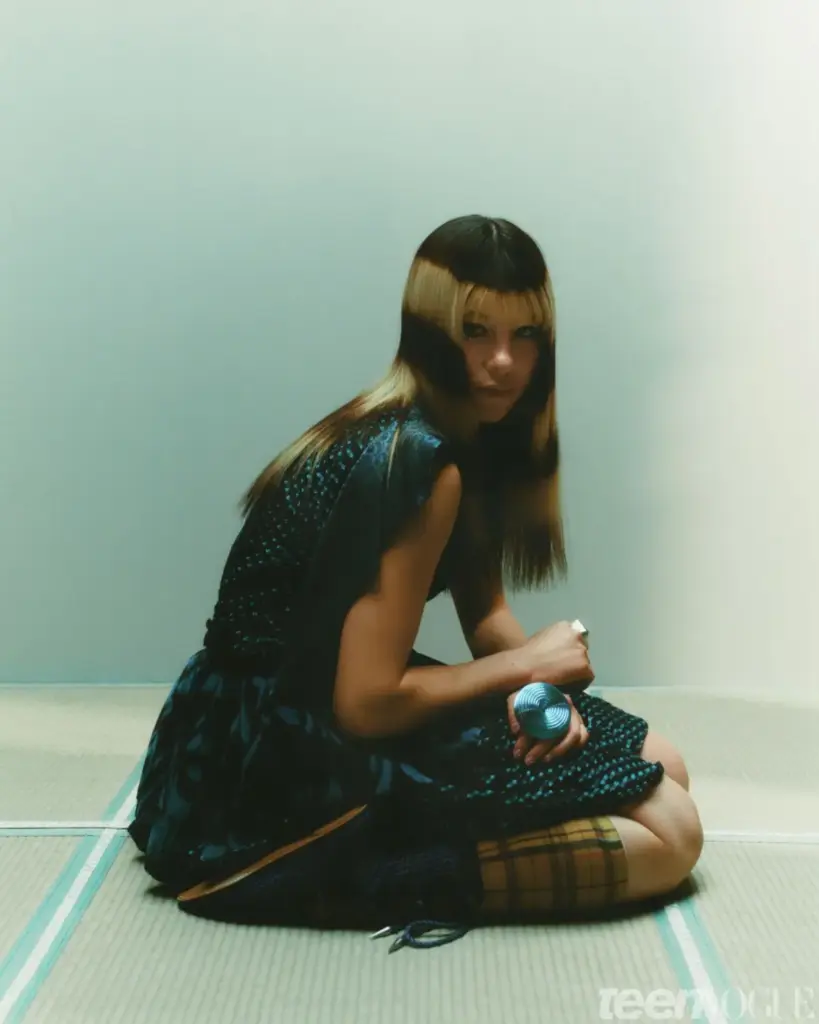
Initially, Liu toyed with the idea of classic "raccoon stripes"—a high-contrast look defined by bold, horizontal or vertical bands of color. However, the rigorous upkeep associated with traditional striped dye jobs deterred her. Seeking a softer yet equally striking alternative, Liu began applying a single, circular band of lightener around her head—a "halo."
Finding the initial result visually compelling, she decided to incorporate the process into an annual tradition. Rather than committing to the relentless maintenance of standard root touch-ups, Liu treated her hair as a living canvas. As her hair grew out, she would simply add an "extra ring" each year, allowing the look to evolve organically alongside her athletic and personal journey.
Refining the Aesthetic: The St. Louis Collaboration
As her competitive profile grew ahead of the 2026 Winter Olympics, Liu partnered with St. Louis-based colorist Kelsey Miller to refine her look for the global stage. Transitioning away from a brassier, unmanaged blonde, Liu and Miller aimed for a sophisticated "milk tea" shade.
The transformation was meticulous. According to Miller, perfecting the color pattern and ensuring the precise placement of the halo required an intensive five-hour session. The goal was twofold: maintain the edgy, dimensional appeal that Liu favored, while ensuring the execution was polished enough to withstand high-definition broadcast cameras and international scrutiny.
The Olympic Peak
When Liu stepped onto the ice in her custom gold dress, her halo hair served as the crowning element of an unforgettable visual package. The stark contrast between the traditional expectations of ice-skating glamour and Liu’s counter-culture aesthetic instantly viralized. Her subsequent gold-medal win cemented the look in sports and fashion history, transforming the halo technique from a personal signature into one of the most sought-after salon requests of the decade.
Supporting Context & Metrics: The Anatomy of Halo Hair
What exactly constitutes halo hair, and why has it captured the imagination of the beauty industry?
Defining the Technique
Unlike traditional highlights, balayage, or global bleaching, halo hair is defined by strategic placement. Renée Valerie Radoiu, Vice President of R+COLOR Education and a R+COLOR Collective member, explains the mechanics of the technique:
"A halo result is created by strategically placing lightener to build brightness in defined areas throughout the head."
This can manifest in several ways:
The Ring-Style Halo: A distinct, crown-like circular band of brightness, famously championed by Liu and pop icon Rosalía.
The Precision Stripe: A defined linear section of contrast, previously favored by musician Caroline Polachek.
Peekaboo Roots & Undercut Contrast: High-contrast dimensional approaches, such as the neon roots popularized by Billie Eilish or the dual-tone platinum-on-top, dark-layers-below look reminiscent of early 2000s Miley Cyrus.
Why the Trend is Resurging Now
According to Chase Kusero, co-founder of IGK Haircare, Liu’s hair color is a masterclass in timing and cultural alignment.
"We’re in a moment where personalization is everything," Kusero notes. "Clients don’t just want highlights—they want intentional placement that feels expressive. It taps into the Y2K revival energy, it gives that editorial edge without committing to a full-head transformation."
From an economic and consumer behavior standpoint, halo hair fits perfectly into post-recession beauty trends. Because the color is concentrated away from the immediate root area, consumers can enjoy months of growth without the aggressive financial and temporal overhead required by traditional double-process blonding.
Official Statements & Industry Perspectives
The cultural resonance of Alysa Liu’s look extends far beyond aesthetics; it represents a paradigm shift in how female athletes are permitted to express individuality.
Redefining Athletic Identity
For decades, figure skating culture has leaned heavily toward conservative, uniform presentations—classical styling, neutral makeup, and conventional updos designed to blend into the background of the routine. Liu’s refusal to conform has earned her widespread praise from beauty professionals who grew up within the sport.
"Alysa Liu’s hair suits her so well because it feels completely unapologetic and true to who she is," says Renée Valerie Radoiu. "In figure skating, it’s rare to see such individuality expressed through personal style, which is likely why so many people are drawn to her. It feels refreshing. As someone who grew up figure skating, I know I would have loved having a role model like her to look up to."
From Niche to Mainstream
Industry experts view Liu’s iteration of the halo as a natural maturation of previous alternative hair movements. While Billie Eilish’s root-focused neon styles introduced Gen Z to high-contrast color placement, Liu’s milk-tea halo bridges the gap between avant-garde editorial styling and accessible, everyday wearability.
"The halo trend feels like an evolution of the halo roots that dominated for so long," Radoiu observes. "Now, with figures such as Rosalía embracing their own version of the look, the aesthetic is shifting from niche technique to mainstream influence."
Future Outlook: Salon Execution & Maintenance Mastery
For those looking to adopt the halo hair trend, industry leaders emphasize that while Liu originally pioneered her look via a DIY approach, achieving a polished, modern finish requires professional expertise.
Achieving the Look in the Salon
Precision is the foundational pillar of successful halo hair. Master colorists utilize targeted isolation techniques to ensure clean lines and balanced dimension.
Sectioning: Chase Kusero explains his personal approach: "I typically isolate a circular section through the top of the head, almost like drawing a soft crown, and focus brightness strategically through that zone, while keeping the underneath more dimensional."
Tools: Many colorists utilize physical barriers, such as specialized coloring tape or foil sheets, to keep the lightener from bleeding into unintended sections of the hair.
The Maintenance Blueprint
One of the primary selling points of halo hair is its low-maintenance growth cycle. Because the color does not sit directly on the scalp, wearers can bypass the dreaded three-week root touch-up cycle. However, preserving the integrity of pre-lightened strands requires a dedicated home-care regimen.
Hydration and Glossing: Pre-lightened hair is inherently susceptible to dryness and brassiness. Kusero strongly advocates for color-extending, hydrating formulas, recommending the IGK More Life Color Extending Gloss Shampoo and Conditioner, which are clinically proven to double hair shine and protect radiance.
Tone Correction: To prevent warm or brassy undertones from muddying the milk-tea or platinum hue, regular glossing treatments are vital. Professionals recommend in-salon demi-permanent options like the R+COLOR HYPERMATIC 10-Minute Demi-Permanent Liquid. For at-home maintenance, consumers can look to accessible treatments such as the Kristin Ess Hair Gloss in Crystal Quartz or the IGK Expensive Clear Gloss Top Coat.
The "Ring" Evolution: As Liu demonstrates, maintaining the look can be as simple as letting the initial halo grow out naturally and deciding whether to add subsequent rings year after year, transforming hair maintenance into a chronological diary of personal growth.
Conclusion: The Enduring Legacy of the Halo
Alysa Liu’s 2026 Olympic gold medal will forever be recorded in sports history books, but her cultural footprint extends far beyond the medal podium. By daring to bring uncompromised personal expression to an ice rink traditionally bound by conformity, she has gifted the beauty world a masterclass in individuality. As salons worldwide prepare for an influx of clients asking for milk-tea halos and crown-like color placements, one thing is certain: the halo effect is here to stay, proving that true style, much like a gold-medal performance, is entirely in a class of its own.