Executive Overview
When it comes to comprehensive personal care routines, the delicate skin of the face, neck, and hands typically receives the lion’s share of our attention and financial investment. Serums, essences, and multi-step regimens dominate bathroom vanities, while the feet—which bear the literal and figurative weight of our daily lives—are frequently relegated to an afterthought. They are shoved into restrictive footwear, exposed to the elements, and left to fend for themselves until the arrival of sandal season prompts a sudden, frantic scramble for a pedicure.
However, dermatologists and beauty editors agree that this neglect is a recipe for persistent discomfort. The anatomical reality of our lower extremities demands a specialized approach: the skin on the soles of the feet is significantly thicker than that found anywhere else on the body. Furthermore, unlike the face or chest, the soles of our feet do not contain sebaceous glands, meaning they cannot naturally produce the oils required to support a healthy skin barrier and lock in moisture.

When environmental stressors—such as cold winter weather, low humidity, dehydration, and natural aging—combine with the mechanical friction of walking and running, the result is severely dry, cracked, and callused skin. Basic body lotions, which are generally formulated with lighter emulsions and lower concentrations of active ingredients, simply cannot penetrate this dense epidermal layer.
To achieve genuinely soft, resilient soles, consumers must pivot toward targeted foot treatments engineered with high-performance humectants, potent keratolytics, and deeply nourishing emollients. Below, we examine the underlying causes of compromised foot skin, break down the science of essential foot care ingredients, and evaluate the top editor-tested, dermatologist-approved foot creams designed to transform rough soles into baby-soft skin year-round.

Detailed Chronology & Evolution of Foot Care Science
The philosophy of foot care has undergone a quiet revolution over the past two decades. Historically, caring for dry feet meant little more than pumicing away dead skin during a monthly salon visit and slathering on a generic, heavily fragranced hand lotion before bed. These traditional methods offered temporary cosmetic relief but did little to address the root biological causes of hyperkeratosis (the thickening of the outer layer of the skin) and moisture barrier degradation.
The Shift Toward Active Skincare for Feet
As the skincare industry transitioned into an era driven by active ingredients—such as alpha-hydroxy acids (AHAs), beta-hydroxy acids (BHAs), and polyhydroxy acids (PHAs)—formulators began recognizing that the thick, callused skin of the feet required the same sophisticated chemical exfoliation previously reserved for facial anti-aging products.

- Early 2000s: The introduction of medical-grade urea into over-the-counter foot formulations marked a turning point. Rather than merely sitting on top of the skin as an occlusive barrier, urea demonstrated a dual mechanism of action: it could simultaneously bind water to paraded skin cells and break down the intercellular glue holding dead skin together.
- 2010s: The integration of chemical exfoliants like lactic, malic, and salicylic acids into everyday foot balms became widespread. This eliminated the need for aggressive, potentially skin-damaging physical tools like cheese-grater foot files, which often stimulated the skin to produce even thicker calluses as a defensive response.
- Present Day: Modern foot care treatments now mirror facial-grade formulations. Today’s premier foot creams leverage multi-acid complexes, ceramides, and advanced occlusives, bridging the gap between clinical podiatry treatments and luxurious self-care rituals.
Supporting Context & Metrics: Understanding the Biology of Dry Feet
To fully appreciate why specialized foot creams are non-negotiable, it is vital to examine the physiological differences between the skin on our feet and the rest of our integumentary system.
Why Foot Skin is Unique
According to board-certified dermatologists, the stratum corneum (the outermost layer of the epidermis) on the soles of the feet is up to several times thicker than the skin on the face or torso. This thickness is an evolutionary adaptation designed to protect our feet from the immense pressure and friction of ambulation.

However, this structural defense mechanism creates a major vulnerability. Because the soles lack sebaceous glands, they rely entirely on external hydration and internal systemic water intake to maintain their flexibility. When the skin loses moisture faster than it can replenish it, the epidermal cells dry out, shrink, and lose their flexibility. The continuous pressure of walking then causes these rigid, dehydrated cells to fracture, resulting in painful, unsightly cracks and fissures, particularly around the heels.
Key Ingredients for Compromised Feet
When evaluating foot treatments, skin experts emphasize three primary pillars of formulation:

- Keratolytics (Urea, Salicylic Acid, Malic Acid, Lactic Acid): These agents actively break down and dissolve excess keratinized dead skin cells. By encouraging gentle cellular turnover, they eliminate rough patches and prevent the formation of stubborn calluses and corns.
- Humectants (Glycerin, Hyaluronic Acid): These moisture-magnet molecules draw water from the deeper layers of the dermis—and from the surrounding atmosphere—into the thick outer layers of the skin, plumping the tissue from within.
- Emollients and Occlusives (Shea Butter, Lanolin, Jojoba Oil): These rich, lipid-dense ingredients form a protective, breathable seal over the skin’s surface, preventing transepidermal water loss (TEWL) and restoring suppleness to damaged tissue.
Official Product Evaluations: Top-Rated Treatments for Every Need
Navigating the crowded marketplace of foot treatments can be overwhelming. To help consumers separate marketing hype from genuine efficacy, we have compiled a comprehensive breakdown of the industry’s most celebrated foot creams, backed by rigorous testing from beauty editors and endorsements from board-certified dermatologists.
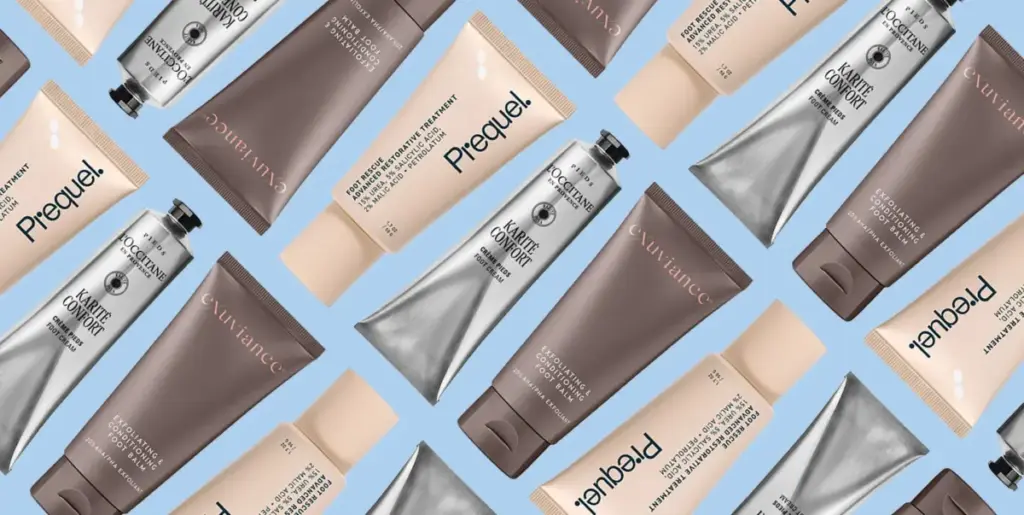
1. Prequel Foot Rescue Advanced Restorative Treatment
- Key Ingredients: Urea, Salicylic Acid, Malic Acid
- Size: 1.7 oz.
- Price Point: $18.00
- Overview: A recipient of prestigious industry accolades, including a Holy Grail Beauty Award, this treatment is designed for feet that require serious structural rehabilitation. Combining the exfoliating power of salicylic and malic acids with a thick, plush consistency, it tackles deep calluses and cracked heels with clinical precision.
- Editor Testimony: "The baseline for my feet is cracked, calloused, and not fit for human eyes, but after using this cream every night for two weeks, the unthinkable happened: My heels were super soft and my callouses nearly invisible." — Lauren Balsamo, Beauty Director
2. Exuviance Exfoliating & Conditioning Foot Balm
- Key Ingredients: 20% AHA/PHA Blend, Vitamin E
- Size: 1.7 oz.
- Price Point: $29.00
- Overview: For individuals struggling with persistent flaking and rough spots, this fast-acting balm delivers a potent 20% blend of alpha- and polyhydroxy acids. It melts away dead skin cells while vitamin E and rich emollients condition the skin from heel to toe.
- Editor Testimony: "As a lover of going barefoot, my feet have never known peace. But they’ve suddenly turned a much more moisturized and soft corner since I’ve been rubbing this rich ointment on my heels and ankles every night." — Beth Gillette, Beauty Editor
3. L’Occitane Karité Confort Foot Cream
- Key Ingredients: Shea Butter, Arnica Flower Extract, Lavender Essential Oil
- Size: 5.3 oz.
- Price Point: $34.00
- Overview: Bringing luxury French skincare principles to lower-body maintenance, this decadent, shea butter-based cream coats the feet in soothing comfort. Infused with arnica and lavender, it not only restores suppleness to dry soles but also provides a calming sensory experience that relieves tension in tired, overworked feet.
- Editor Testimony: "I don’t know what it is about my feet, but they’re so prone to blisters—even if I’ve worn the shoes hundreds of times! My feet were completely covered in scars. I didn’t even realize a cream could help, but this did. My soles are much more moisturized and my remaining blisters are finally fading. Now I can’t live without this." — Mary Honkus, Contributing Beauty Editor
4. Eucerin Advanced Repair Foot Cream
- Key Ingredients: Urea, Glycerin
- Size: 3 oz.
- Price Point: ~$19.00
- Overview: A dermatologist staple, this formula relies on a high concentration of urea to bind water to the skin while gently exfoliating rough patches. It is widely recommended for patients dealing with chronically thick, hardened skin on the heels.
- Dermatologist Insight: "I especially like this option for people with significant thick or rough skin because it contains urea. Urea helps gently exfoliate and break down excess dead skin while also supporting hydration." — Dr. Chan, Board-Certified Dermatologist
5. Gold Bond Therapeutic Foot Cream
- Key Ingredients: Urea, Jojoba Oil, Peppermint Oil
- Size: 4 oz.
- Price Point: ~$7.00
- Overview: Providing an exceptional balance of deep therapeutic hydration and immediate sensory relief, this budget-friendly cream utilizes peppermint oil to cool and refresh the skin—making it an ideal remedy for sun-exposed or overheated feet.
- Editor Testimony: "I love it when my body lotions offer a full sensorial experience—and this foot cream is one of my faves. The peppermint oil provides a cooling effect that’s extra refreshing, especially if I end up with a sunburn on my feet." — M.H.
6. Dr. Scholl’s Ultra-Hydrating Foot Cream
- Key Ingredients: Urea, Essential Oils, Epsom Salt, Lactic/Malic Acids
- Size: 3.5 oz.
- Price Point: ~$6.00
- Overview: Leveraging a legacy of foot care expertise, Dr. Scholl’s pairs exfoliating fruit acids with soothing lanolin to regenerate damaged skin overnight.
- Editor Testimony: "Dr. Scholl’s knows foot care. My family has been loyal to the shoes for years… This cream is the real reason my entire fam has good-lookin’ feet. This, and good genes." — M.H.
Future Outlook: Best Practices for Maintaining Foot Health
Achieving baby-soft feet is not merely a matter of applying a cream once and expecting permanent results; it requires a holistic, consistent maintenance routine. Dermatologists recommend adopting a comprehensive preventative approach to ensure long-term skin integrity:

- The Overnight Occlusion Method: For severely cracked heels, apply a thick layer of a urea- or AHA-infused foot cream right before bed, then slip on a pair of clean, breathable cotton socks. This locks in active ingredients and prevents the product from rubbing off on your bedsheets, supercharging hydration by morning.
- Sun Protection: Many individuals forget that the thin skin on the tops of the feet is highly susceptible to ultraviolet (UV) damage. Incorporating broad-spectrum sunscreen into outdoor routines prevents painful sunburns and premature skin aging.
- Footwear and Biomechanics: Wearing supportive, properly fitted shoes that allow the toes to move naturally reduces excessive friction points that trigger callus formation.
- Internal Hydration: Topical treatments can only do so much if the body is systemically dehydrated. Drinking adequate amounts of water ensures that moisture is supplied to the dermal layers from the inside out.
By treating foot care with the same intentionality and respect as facial skincare, consumers can eliminate painful cracks, banish unsightly calluses, and maintain healthy, resilient feet regardless of the season.