Executive Overview
The landscape of unscripted relationship television has undergone a seismic shift, and at the epicenter of this evolution is Peacock’s flagship experiment, Married at First Sight. Following its historic migration from Lifetime—first testing the streaming waters with Season 19 before anchoring entirely on the NBCUniversal-backed platform for its landmark 20th iteration—the Kinetic Content-produced series has shattered internal viewership records and redefined what it means to launch a modern reality TV powerhouse.
The season finale and explosive reunion, which dropped on Peacock on Thursday, brought a dramatic, albeit bittersweet, close to an experiment that had gripped millions. Out of a broadened slate of seven couples, only two pairs—Mecca Amen and BelléJolie Force, alongside Cameron Mitchell and Michelle Le—initially chose to say "I do" on Decision Day. However, the fragile nature of television romances was laid bare during the reunion special, where it was revealed that Mecca and BelléJolie had dissolved their union shortly after cameras stopped rolling, leaving Cameron and Michelle as the season’s sole surviving success story. The rest of the cohorts split acrimoniously, leaving a trail of unaddressed grievances, off-camera drama, and fan debate in their wake.
Yet, beyond the interpersonal wreckage lies an undeniable commercial and strategic triumph. Bolstered by a meticulously calculated launch date directly following the conclusion of Peacock’s cultural juggernaut Love Island USA, Season 20 amassed an astonishing 1.8 billion minutes viewed. Securing its position as the No. 4 highest-reaching original reality season on the application and driving a staggering 153% year-over-year surge in total streaming compared to Season 19, the series proved that a legacy format can indeed be successfully revitalized for the digital age.
Behind these milestone figures is a deliberate, high-stakes creative overhaul spearheaded by Peacock and Bravo executives. By upgrading production values, revamping the expert panel, shifting the casting ethos toward aspirational authenticity, and introducing a live studio audience for the reunion, the network didn’t just acquire a show—it completely re-engineered it.
Detailed Chronology: The Rise, Climax, and Fallout of Season 20
The Strategic Premiere and Immediate Traction
The path to Season 20’s record-breaking run began long before the first wedding march played. Scheduled deliberately for a July 12 premiere, the season inherited the tailwind of Peacock’s red-hot dating ecosystem, immediately capturing the attention of viewers cycling down from Love Island USA. This scheduling choice proved masterclass-level: for five consecutive weeks, Married at First Sight dominated Nielsen streaming charts, holding firm as a Top 3 reality title on streaming platforms nationwide.
The production upgrade was immediately perceptible to long-time fans. Gone were the modest, formulaic backdrops of earlier cable iterations. In their place were breathtaking, high-end wedding aesthetics designed to lean into the viewer’s ultimate fantasy: Would I have the courage to do this, and would it look this magnificent?

The Journey to Decision Day
As the episodes unfolded, the expansion from the traditional five couples to a denser cohort of seven injected a breathless pace into the narrative. According to network leadership, this inflation in numbers was a deliberate structural remedy to an old reality TV trope: dragging out lifeless, dead-end relationships purely for episode counts.
However, expanding the cast also opened the door to unprecedented volatility. The season was defined not only by its romantic triumphs but by its explosive off-camera revelations. Among the most talked-about moments of the season was participant Felipe Cruz dropping a bombshell confession to Tori Dahl—admitting off-camera that he constantly thought about infidelity. The incident laid bare the eternal, frustrating chess match between reality producers and their subjects: the perpetual struggle to drag real-time confessions onto the rolling lenses of diary cams and scene cameras, rather than letting pivotal conversations evaporate into unrecorded whispers.
The Live Reunion Spectacle
The season culminated in a reunion special that shattered franchise tradition by introducing a live studio audience for the very first time. While internal producers initially harbored deep reservations regarding security, live leaks, and logistical chaos, the gamble paid off exponentially. The electric, reactive energy of the crowd transformed the post-mortem into a theatrical arena.
The tension reached a fever pitch when Adam Dehmlow’s new girlfriend took the stage to flatly claim the show was entirely "fake." The impromptu accusation forced the newly streamlined expert panel—Paul C. Brunson and Dr. Lisa Paz—into an impassioned live defense of the participants’ lived experiences, reinforcing the network’s unwavering stance: despite the heavy production and narrative structuring, the emotional reality of a legal marriage, and subsequent divorce, remains entirely authentic.
Supporting Context & Metrics: By the Numbers
To truly understand the magnitude of Season 20’s success, one must examine the metrics driving Peacock’s unscripted strategy.
- Viewership Milestone: Surpassing 1.8 billion minutes viewed since its July 12 premiere.
- Platform Ranking: Crowned as the No. 4 highest-reaching original reality season in Peacock’s history.
- Growth Trajectory: Total streaming minutes increased by +153% compared to Season 19.
- Chart Dominance: Maintained a position as a Top 3 streaming reality title for five consecutive weeks, per Nielsen data.
- Format Evolution: Transitioned from a shared cable-streaming model to a fully-produced-for-streaming original, allowing for higher budgets, elevated cinematic gloss, and targeted demographic appeal.
Official Statements: Inside the Executive Mindset
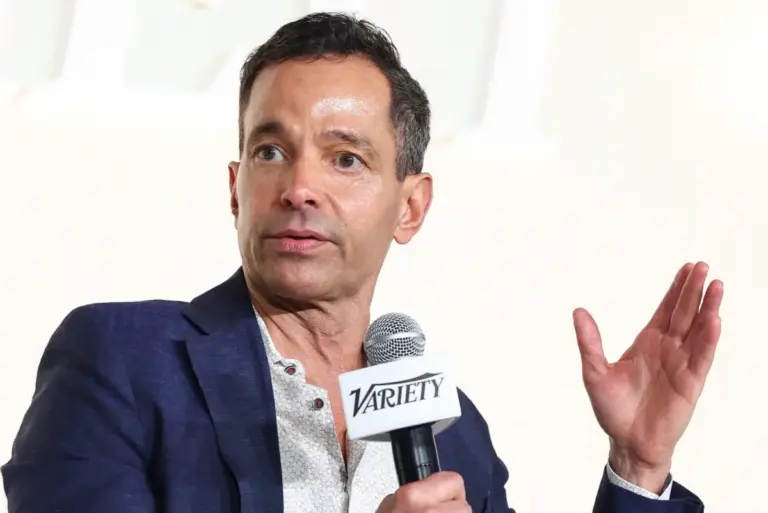
Noah Samton, Senior Vice President of Current Production for Bravo and Peacock Unscripted, offered a rare, candid glimpse into the mechanics of breathing new life into a two-decade-old format during a recent retrospective interview. Reflecting on the monumental task of absorbing a giant of the unscripted genre, Samton noted:

"When we first acquired it, I was super excited—this is one of the great formats in unscripted history. To have an opportunity to try to improve on what has already been established as something really strong, an opportunity to try to upgrade that and make it even better, is the most exciting challenge for me."
Addressing the massive undertaking of auditing the franchise’s backlog, Samton revealed the pragmatic approach taken by the production team:
"Normally, if we acquired a show like this, I would try to watch every single episode. It just is impossible with this one. So I watched about 40 episodes, and it became very clear to me that there were some things that we could do to make it work better for a Peacock audience… and just kind of revitalize it without losing what made it special and magical in the first place."
A cornerstone of this revitalization was casting a fresh net—traveling to Seattle to vet hundreds of candidates and introducing the franchise’s first-ever crossover reality star, Nick Uhlenhuth. While Uhlenhuth ultimately failed to find a lasting match, Samton emphasized that cross-pollinating reality ecosystems was done with strict criteria:
"The No. 1 qualifier for the whole thing was it has to be somebody who genuinely wants to get married, somebody who really makes sense. We’re not going to do it just for the sake of doing it."
The overhaul also extended to the expert panel, pruning down to a leaner, younger duo of Paul C. Brunson and Dr. Lisa Paz to better match Peacock’s core demographic. When asked why three experts were no longer necessary, Samton remarked:

"We wanted to find experts who spoke more to a Peacock audience, which was a little younger than the show when it was on Lifetime previously… After meeting all these people, we realized the two of them stood out head and shoulders above every other expert we met with, and so we said, ‘Why do we need three? We have two great experts. Let’s just let them take the reins.’"
Future Outlook: The Next Era of Unscripted Romance
As the dust settles on Season 20, the definitive success of Peacock’s strategy signals a permanent paradigm shift for Married at First Sight. No longer tethered to the traditional constraints of cable television scheduling and pacing, the franchise has proven that it can successfully modernize its aesthetic, court a younger, digitally native audience, and generate massive multi-platform engagement.
Executive confidence is already riding high regarding the future of the brand. By proving that production value enhancements, aggressive casting strategies, and interactive live audience reunions can reverse franchise fatigue, Peacock has established a robust blueprint for future seasons.
While the casting department will continue to tread carefully when considering alumni from other reality franchises—joking aside about future seasons welcoming veterans like Lindsey Hubbard decades down the line—the overarching mandate is clear. The experiment is real, the stakes are higher than ever, and streaming platforms have officially claimed the throne of unscripted romance. As production gears up for future iterations, one reality remains undisputed: millions of viewers are more than willing to keep saying "I do" to the future of appointment streaming.