Executive Overview
As the global population ages, the conversation around physical fitness has shifted dramatically. No longer is the primary objective of exercise merely aesthetic; instead, the focus has pivoted decisively toward healthspan—the number of years a person lives free from chronic disease and debilitating physical decline. For adults over 60, building and maintaining skeletal muscle mass, bone density, and functional strength is paramount. Yet, the modern senior demographic is often busier than ever. Consider the typical high-achieving professional, such as a charity CEO in her sixties who balances grueling board meetings, strategic planning, and demanding stakeholder engagements. For individuals navigating such intense schedules, finding the time for a comprehensive fitness regimen can feel nearly impossible.
Working out just once a week—while beneficial for baseline maintenance—falls short of the physiological stimulus required to actively increase muscle strength and metabolic resilience. To bridge this gap, personal trainers and exercise physiologists must design protocols that are ruthlessly efficient.
This comprehensive report examines a specialized, highly optimized 21-minute, seven-move dumbbell workout specifically engineered for adults over 60. Rooted in compound movements that engage multiple joints and large muscle groups, this routine targets fundamental human movement patterns: the squat, lunge, hinge, push, pull, and core rotation. By integrating short rest periods within a high-density interval format, this workout not only builds functional resilience for the later decades of life but also delivers cardiovascular benefits, proving that time-strapped schedules are no barrier to profound physical transformation.
Detailed Chronology: Anatomy of the 21-Minute Protocol
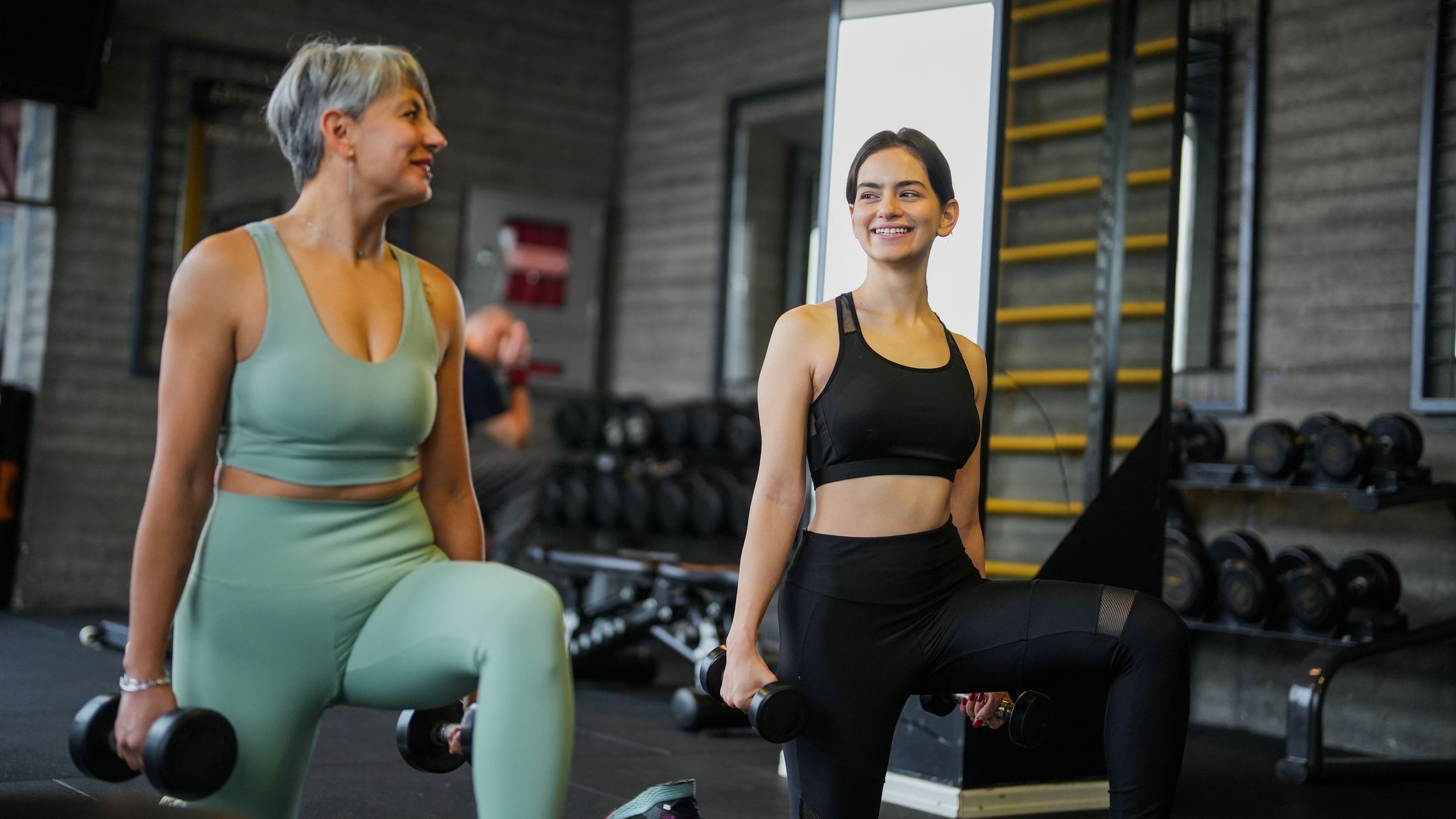
To understand how a mere 21 minutes can yield substantial strength gains, one must examine the precise mechanics and programming of the workout. Designed for maximum efficiency, the routine operates on an interval-based structure: practitioners begin each movement at the start of a minute, working continuously for 40 seconds, followed by 20 seconds of active or passive rest. This sequence is executed across three continuous circuits, creating a seamless 21-minute block with zero rest intervals between rounds.
Before diving into the weighted circuit, practitioners are advised to complete a thorough warm-up consisting of five to 10 repetitions of each movement using strictly body weight. This primes the nervous system, lubricates the joints, and ensures proper neuromuscular coordination. Below is the exact chronological breakdown of the seven targeted exercises that comprise the protocol.
1. The Dumbbell Front Squat
- Time: 40 seconds work | 20 seconds rest
- Primary Focus: Quadriceps, glutes, core stability, and upper back.
- Execution: Holding a pair of dumbbells at shoulder height (or a single dumbbell cupped vertically at the chest), keep the chest proud, core braced, and feet shoulder-width apart. Lower the hips back and down as if sitting in an imaginary chair, ensuring the knees track over the toes. Drive through the mid-foot to return to the starting position.
- Single Dumbbell Modification: Cup one heavy dumbbell horizontally or vertically against the sternum with both hands, maintaining an upright torso throughout the descent.
2. Forward Alternating Lunge
- Time: 40 seconds work | 20 seconds rest
- Primary Focus: Single-leg balance, hip stability, quadriceps, and hamstrings.
- Execution: Standing tall, take a controlled step forward with one leg, lowering your hips until both knees are bent at a 90-degree angle. Push off the front foot to return to the starting position, then alternate legs.
- Single Dumbbell Modification: Hold a single dumbbell securely at the chest to add a localized load that challenges core stability without compromising balance.
3. The Dumbbell Deadlift
- Time: 40 seconds work | 20 seconds rest
- Primary Focus: Posterior chain (hamstrings, glutes, erector spinae), grip strength.
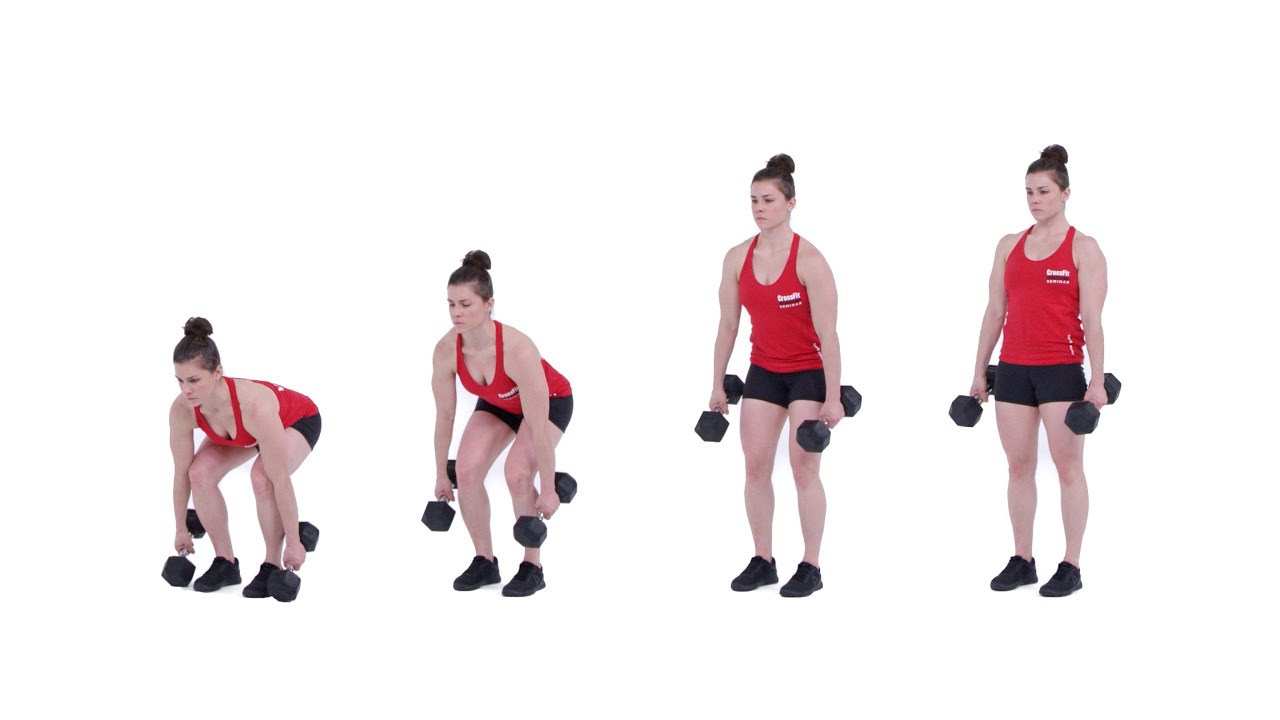
- Execution: With feet hip-width apart and dumbbells resting in front of the thighs, hinge at the hips with a soft bend in the knees, pushing the hips backward while keeping the spine neutral. Lower the weights along the shins until you feel a stretch in the hamstrings, then squeeze the glutes to drive the hips forward and return to standing.
- Single Dumbbell Modification: Hold the dumbbell vertically, cupping one end with both hands. Keep the weight pressed tightly against the body as you hinge to ensure optimal leverage and lower back safety.
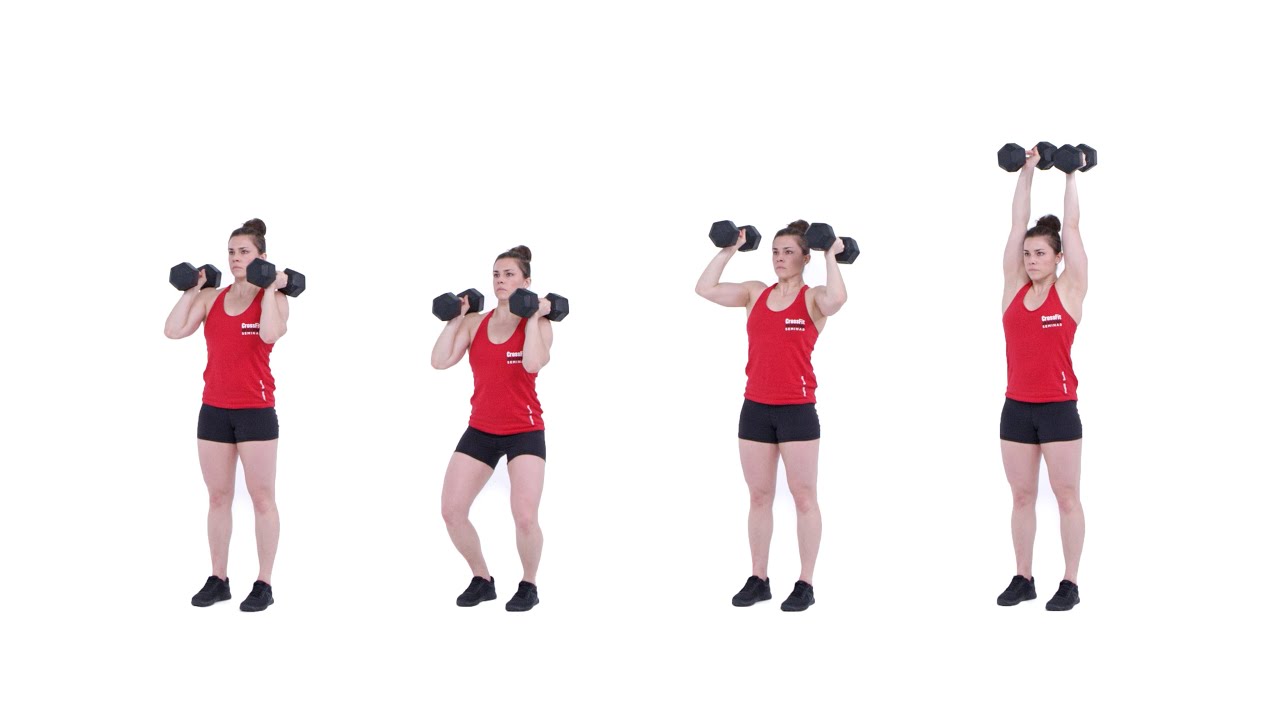
4. The Dumbbell Push Press
- Time: 40 seconds work | 20 seconds rest
- Primary Focus: Shoulders, triceps, core, and explosive lower-body power transfer.
- Execution: Start with dumbbells at shoulder height. Initiate a shallow dip in the knees (a quarter squat), then explosively drive upward through the legs, using that momentum to press the weights overhead until the arms are fully extended. Lower with control.
- Single Dumbbell Modification: Perform a single-arm push press, keeping the non-working arm extended to the side for equilibrium. Swap working arms halfway through the interval (at the 20-second mark).
5. The Bent-Over Row
- Time: 40 seconds work | 20 seconds rest
- Primary Focus: Upper back, latissimus dorsi, rhomboids, and biceps.
- Execution: Hinge forward at the hips at roughly a 45-degree angle, keeping the core braced and back flat. Pull the dumbbells toward your hip creases, driving the elbows backward and squeezing the shoulder blades together at the top of the movement.
- Single Dumbbell Modification: Execute a single-arm bent-over row by placing your non-working hand on a sturdy elevated surface (such as a bench or sturdy chair) for support. Swap sides at the 20-second mark.
6. The Modified Burpee
- Time: 40 seconds work | 20 seconds rest
- Primary Focus: Full-body conditioning, agility, cardiovascular endurance.
- Execution: From a standing position, drop your hands to the floor, step or jump your feet back into a high plank position, return your feet forward, and stand up with an optional small hop. For adults over 60, the movement is explicitly modified: omit lowering the chest entirely to the floor, protecting the shoulders and lower back while maintaining high energetic output.
7. The Dumbbell Russian Twist
- Time: 40 seconds work | 20 seconds rest
- Primary Focus: Obliques, deep transverse abdominis, and rotational core stability.
- Execution: Sit on the floor with knees bent and feet flat (or elevated slightly for an advanced challenge). Lean back slightly to engage the core, hold a dumbbell with both hands, and rotate the torso from side to side, tapping the weight lightly on the floor beside your hip.
- Single Dumbbell Modification: Beginners or those building foundational core strength can perform the movement using strictly body weight to master the rotational mechanics before introducing external load.
Supporting Context & Metrics: The Science of Muscle Preservation
As humans age, a natural physiological phenomenon known as sarcopenia—the gradual loss of skeletal muscle mass and function—begins to take hold. Statistics show that adults can lose up to 3% to 5% of their muscle mass per decade after the age of 30, a rate that often accelerates after age 60. This loss of muscle tissue is frequently accompanied by a decrease in bone mineral density, elevating the risk of osteopenia, osteoporosis, and catastrophic falls.

However, seminal exercise science research demonstrates that muscle tissue remains remarkably responsive to mechanical loading, regardless of age. Resistance training acts as a powerful anabolic stimulus, signaling muscle protein synthesis and preserving neuromuscular pathways.
The integration of compound movements in this 21-minute routine is deliberate and scientifically sound:
- Metabolic Efficiency: Compound exercises—such as squats, deadlifts, and presses—recruit multiple joints and vast muscle beds simultaneously. This maximizes caloric expenditure and triggers an acute hormonal response beneficial for metabolic health.
- Cardiovascular Overload via Density: By limiting rest intervals to a strict 20-second window between working sets and eliminating rest between the three continuous circuits, the workout keeps the heart rate elevated. This transforms a traditional resistance routine into a hybrid strength-and-conditioning session, improving both muscular endurance and cardiorespiratory fitness concurrently.
- Functional Autonomy: The movement patterns selected (squatting, lunging, hinging, lifting, pulling, and rotating) mirror the biomechanical demands of daily living. Strengthening these patterns ensures that busy professionals maintain the physical autonomy required to lift groceries, travel, play with grandchildren, and navigate everyday environments with confidence and safety.
Official Statements & Expert Insights
Fitness professionals and geriatric health specialists increasingly emphasize that exercise prescriptions for older adults must move away from the outdated paradigm of gentle stretching and light walking toward progressive, purposeful resistance training.
"Working out just once a week is a fantastic baseline for maintenance, but if your goal is tangible progress—building strength rather than simply slowing down decline—you must introduce a second or third stimulus into your weekly routine," explains the creator and lead personal trainer of this 21-minute protocol. "For busy executives, time is the ultimate luxury. We cannot ask a CEO to spend two hours in a gym every day. Instead, we must engineer protocols that maximize every single minute through compound loading and intelligent movement sequencing."
Geriatric exercise physiologists echo this sentiment, noting that the psychological barrier to entry is often the highest hurdle for older adults unaccustomed to weight training. By providing clear regressions—such as single-dumbbell modifications and bodyweight Russian twists—the workout demystifies resistance training, making it accessible to beginners while offering enough scalable intensity to challenge seasoned trainees.
Future Outlook: Redefining Fitness in Later Life
The cultural narrative surrounding aging is undergoing a profound transformation. The expectation of inevitable physical frailty in one’s sixties, seventies, and beyond is being aggressively dismantled by proactive individuals who view later life as a period of continued vitality, professional achievement, and personal adventure.
Protocols like the 21-minute dumbbell workout represent the future of accessible fitness: smart, scalable, and ruthlessly efficient. As wearable technology, remote coaching, and home fitness ecosystems continue to evolve, the emphasis will increasingly shift toward micro-workouts that deliver macro-results. For the over-60 demographic, embracing short, high-density resistance training sessions ensures that physical strength becomes an asset that appreciates over time, safeguarding independence, metabolic health, and quality of life for decades to come.