Executive Overview
The global fashion capital has once again transformed into a bustling epicenter of haute couture, celebrity sightings, and high-stakes industry speculation as Paris Fashion Week officially commenced its sprawling nine-day run. Marking the grand finale of the global Spring/Summer 2027 fashion month circuit—which has already traversed New York, London, and Milan—Paris brings its signature blend of historic heritage and avant-garde theatricality. Caviar Kaspia reservations are fully booked, luggage limits on international flights have been maxed out, and the city’s most coveted skirts have made their way out of storage.
Beyond the sartorial splendor displayed on the runways, this season’s iteration of Paris Fashion Week arrives against a backdrop of sweeping structural changes within the luxury sector. The rumor mill has been running at a fever pitch, fueled by an ongoing game of creative-director musical chairs that has seen major legacy houses reassessing their design leadership. Yet, amidst the backstage whispers of imminent executive shuffling, the official calendar holds firm with a potent mix of highly anticipated mainline collections and critical brand debuts.
Foremost among the schedule highlights are two major creative leadership debuts: Henry Drew taking the helm at Courrèges, and Kai Nesselrath stepping out for his inaugural collection at Carven. Meanwhile, industry mainstays and heavyweights—including Saint Laurent, Miu Miu, Schiaparelli, Valentino, Chanel, and Christian Dior—are rolling out their Spring/Summer 2027 visions to packed venues filled with global ambassadors, actors, and style icons. This report explores the comprehensive landscape of Paris Fashion Week SS27, detailing the front-row sightings, the cultural implications of the season’s design debuts, and the overarching economic currents shaping the luxury market.
Detailed Chronology: A Day-by-Day Examination of the SS27 Schedule
Spanning more than a standard business week, the nine-day marathon of Paris Fashion Week is carefully choreographed to maximize press coverage, buyer engagement, and cultural resonance. While the complete roster features dozens of houses ranging from storied Parisian institutions to daring independent labels, the momentum of the week is punctuated by specific, high-impact calendar anchors.
The Opening Days: Setting the Tone
The initial days of Paris Fashion Week traditionally serve as a runway for emerging talent and contemporary sportswear innovators, gradually building up to the legendary heritage houses. This season, however, the early schedule was immediately dominated by the heavy anticipation surrounding key creative transitions.
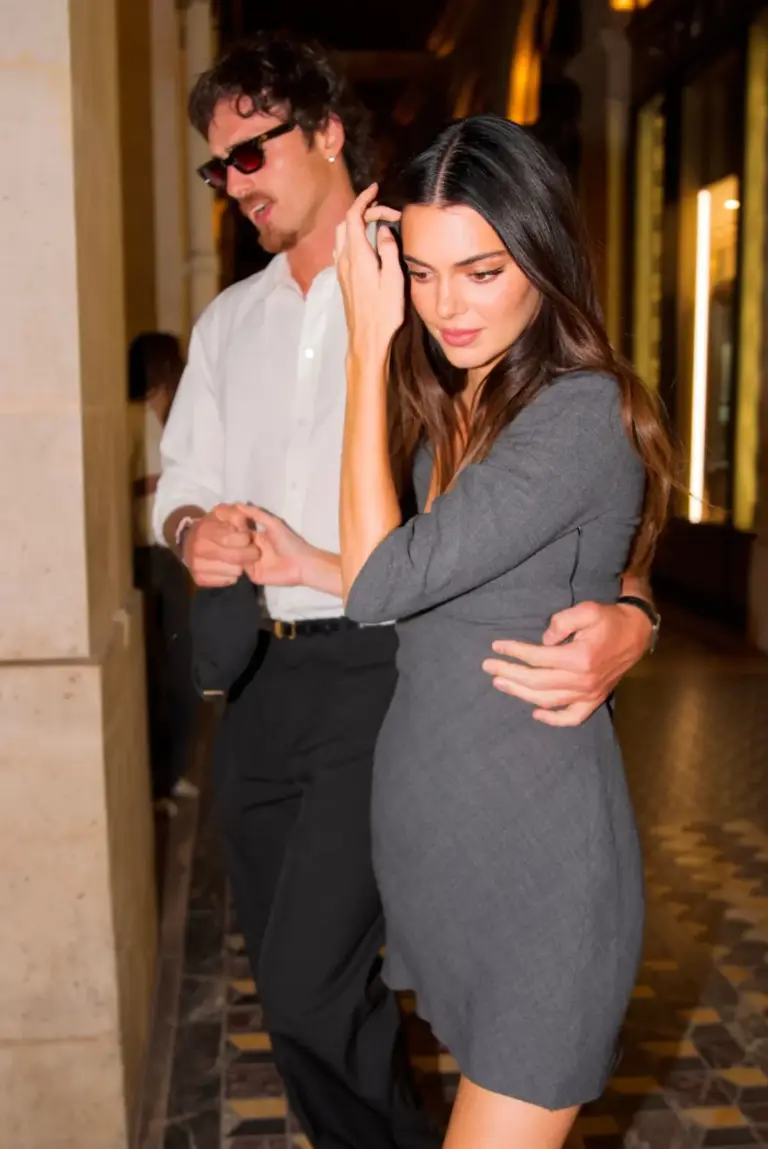
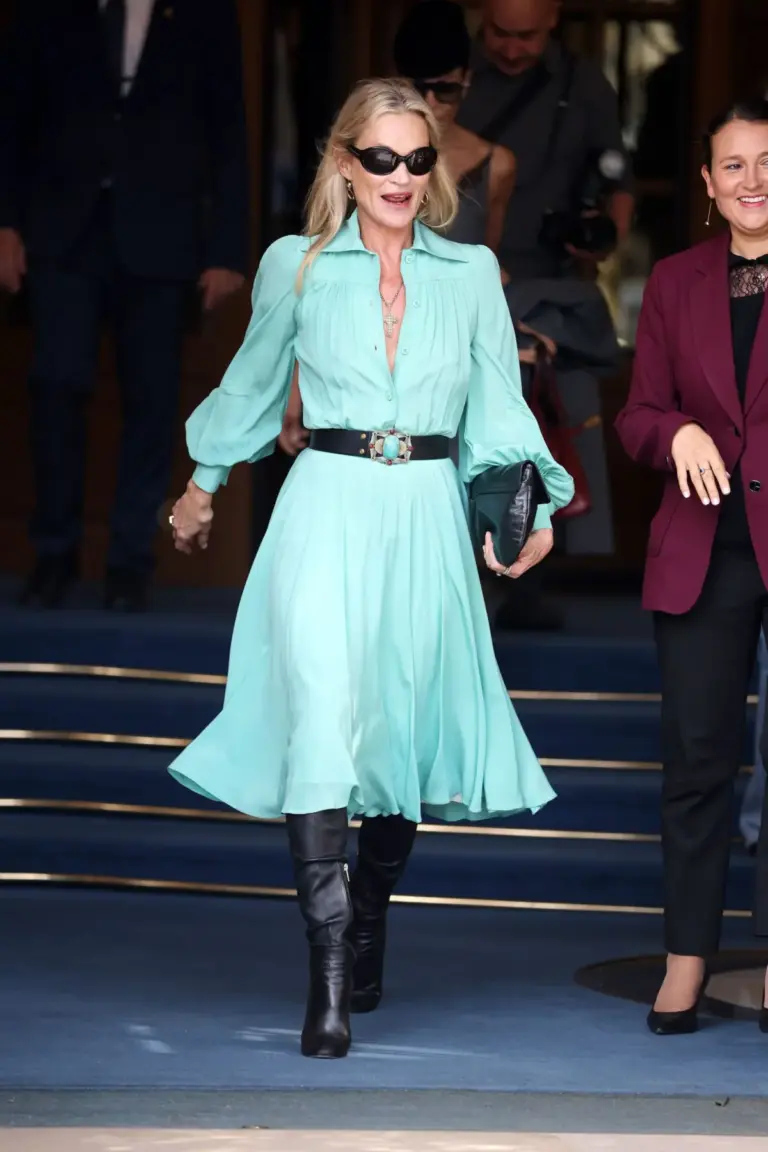
As international editors, buyers, and content creators descended upon the city, discussions quickly pivoted to the logistical feats required to navigate Paris’s notoriously congested traffic during fashion month. The opening weekend set a brisk pace, establishing early trends centered around tactile minimalism, lightweight utility wear, and deconstructed evening gowns. Street style outside the early venues offered a masterclass in transitional layering, featuring oversized leather outerwear, structured trench coats, and sculptural accessories that signaled a collective shift toward grounded, wearable luxury.
The Mid-Week Crown Jewels: Dior and the Star-Studded Front Rows
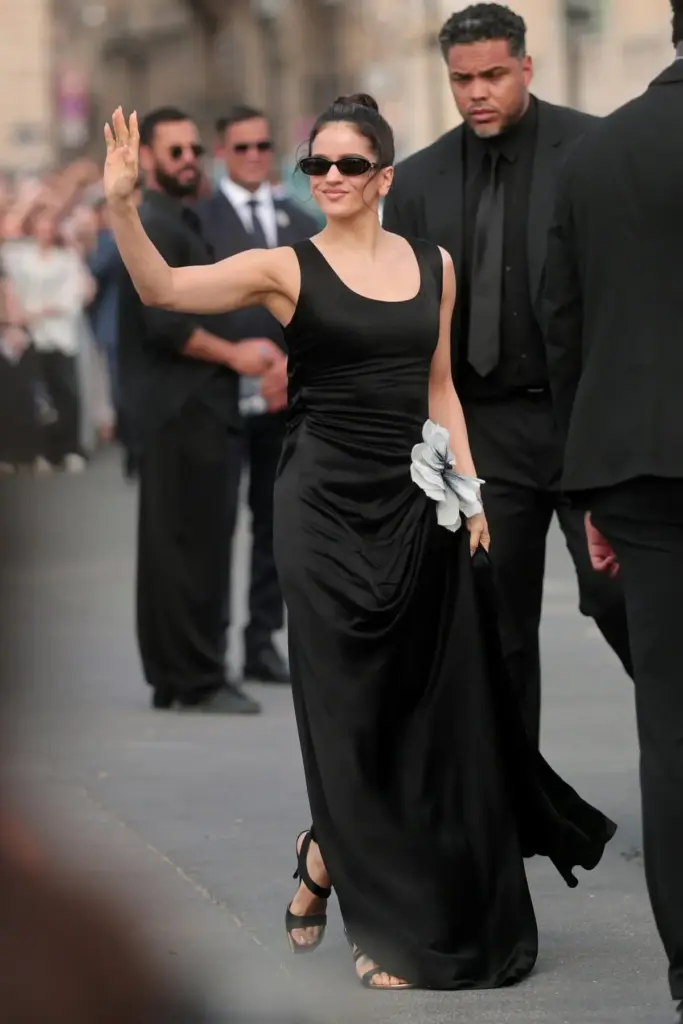
The heart of Paris Fashion Week consistently delivers its most widely anticipated spectacles, and the Christian Dior Womenswear Spring/Summer 2027 show on September 29 stood out as an undisputed high-water mark of the week. Held against a meticulously crafted architectural backdrop, the presentation drew an international constellation of brand ambassadors, global superstars, and cinematic royalty.
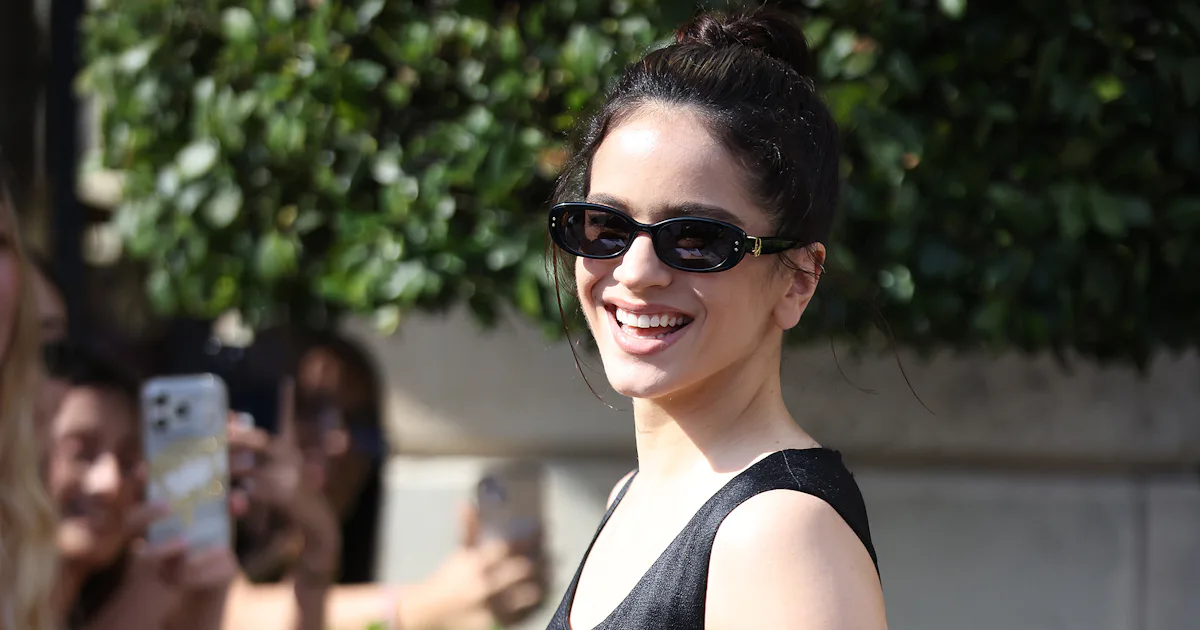
- Rosalía: The boundary-pushing global music icon commanded immediate attention upon arrival, sporting an avant-garde ensemble that fused structured tailoring with the edgy, romantic motifs synonymous with her public persona. Her presence underscored the vital intersection between high fashion and the global music industry.
- Jennifer Lawrence: A longtime fixture of the Dior family, Lawrence brought effortless Hollywood elegance to the front row, opting for a masterclass in understated chic that highlighted the house’s timeless codes.
- Jang Won-Young: Representing the explosive global influence of K-pop in luxury fashion, Jang captivated both photographers and fans alike, embodying the youthful, energetic demographic that modern heritage brands are aggressively courting.
- Delaney Rowe & Louis Garrel: Rounding out the eclectic front row, internet satirist and creator Delaney Rowe brought a modern, digital-native perspective to the proceedings, while French cinematic icon Louis Garrel epitomized classic, effortless Parisian cool.
Following the Dior spectacle, the momentum rippled across the French capital. The schedule advanced toward pivotal moments for houses undergoing radical structural evolutions. Henry Drew’s debut at Courrèges was dissected line-by-line by critics eager to see how the British designer would interpret the futuristic heritage of André Courrèges for a modern, hyper-connected consumer base. Similarly, Kai Nesselrath’s collection for Carven was met with critical acclaim for its sophisticated balance of archival reverence and contemporary ease, proving that the house’s revitalization strategy is gaining solid traction.
Supporting Context & Metrics: The Economic and Cultural Ecosystem of PFW
To fully understand the weight of Paris Fashion Week, one must examine the staggering economic engine and cultural apparatus that supports it. Fashion month is no longer merely a trade event for wholesale buyers; it is a multi-billion-dollar marketing vehicle designed to drive global brand equity, direct-to-consumer digital engagement, and seasonal sales conversions.
The Financial Footprint and Tourism Surge
During the nine days of Paris Fashion Week, the city experiences a massive surge in economic activity. According to preliminary data from hospitality and tourism boards, hotel occupancy rates in the French capital’s golden triangle—encompassing the 8th arrondissement, Avenue Montaigne, and the Rue du Faubourg Saint-Honoré—reach near-100% capacity. Average daily room rates spike significantly, driven by an influx of high-net-worth individuals, corporate executives, international press corps, and celebrity entourages.
Furthermore, the hospitality sector enjoys a windfall. High-end dining establishments and iconic social hubs, such as the aforementioned Caviar Kaspia and Hôtel Costes, report fully booked reservation books months in advance. These venues function as decentralized extensions of the showrooms, serving as the primary backdrops for deal-making, editorial networking, and high-society socializing.
Earned Media Value (EMV) and the Ambassador Economy
In the digital age, the success of a Paris Fashion Week presentation is largely quantified by Earned Media Value (EMV) generated across platforms like Instagram, TikTok, and X (formerly Twitter). The strategic placement of global icons—such as Rosalía and Jang Won-Young at the Dior presentation—is calculated down to the millimeter.
Data analytics firms specializing in the luxury sector indicate that a single front-row appearance by a Tier-1 global ambassador can generate millions of dollars in digital impact within hours of the show’s conclusion. This dynamic has fundamentally altered guest list curation. Brands no longer rely solely on traditional magazine editors and retail buyers; they construct front rows designed to maximize algorithmic reach, target Gen Z and Millennial demographics, and resonate across localized international markets, particularly East Asia and Latin America.
Official Statements and Industry Insights
As the collections unfolded on the runways, industry leaders, designers, and corporate executives offered rare glimpses into the strategic priorities guiding the luxury sector through the mid-2020s.
Addressing the press backstage following the Christian Dior SS27 presentation, members of the design team emphasized a collective return to craftsmanship and emotional resonance in ready-to-wear. "Luxury in this era cannot merely be about conspicuous consumption or fleeting internet moments," noted one senior brand executive speaking on condition of anonymity. "The consumer is smarter, more discerning, and deeply invested in the narrative and pedigree of what they wear. Our collections must reflect a synthesis of heritage mastery and contemporary relevance."
The murmurs surrounding creative director movements also prompted official commentary from industry analysts. With multiple houses experiencing leadership transitions—exemplified this week by the high-profile debuts at Courrèges and Carven—executive search firms note a distinct shift in what luxury conglomerates are demanding from incoming talent.
"The days of the singular, celebrity-designer who relies solely on shock value are being reevaluated," explains fashion business strategist Elena Vance. "Parent companies like LVMH, Kering, and independent luxury groups are looking for rigorous tailors, master builders of silhouettes who understand brand archives deeply and can translate that DNA into commercial success across leather goods, accessories, and ready-to-wear. The pressure on new creative directors to perform commercially from day one has never been higher."
Future Outlook: What the Spring/Summer 2027 Season Signals for Global Fashion
As Paris Fashion Week draws to its inevitable close, the implications of the Spring/Summer 2027 collections will reverberate across the global fashion landscape for months to come. The trends codified on the Parisian runways—ranging from fluid, architectural tailoring to an intensified focus on tactile sustainability—will dictate retail assortments arriving in high-end department stores and flagship boutiques by early next year.
Key Takeaways for the Retail Market
- The Pivot to Precision: Over-the-top ornamentation is increasingly giving way to hyper-precise pattern-making, exceptional drapery, and elevated wardrobe staples. Consumers are investing in pieces that offer longevity, versatility, and uncompromising quality.
- The Power of the New Guard: The successful debuts of Henry Drew at Courrèges and Kai Nesselrath at Carven signal a generational handoff. As veteran designers step down or transition to new pastures, the next wave of creative leadership is actively redefining the aesthetic parameters of legacy houses.
- Experiential Runway Productions: Brands continue to invest heavily in immersive presentation formats. The physical runway show remains irreplaceable, serving as a vital cultural touchstone that transcends digital viewing through scale, sound design, and environmental storytelling.
Ultimately, Paris Fashion Week SS27 has reaffirmed the city’s unrivaled status as the undisputed capital of high fashion. Even amidst macroeconomic headwinds and shifting consumer behaviors, the magic of the Parisian runway—bridging the gap between timeless artistry and modern cultural phenomena—remains entirely undiminished. As the last trunks are packed at Charles de Gaulle and the private jets taxi toward their home runways, the global fashion industry already looks ahead to the upcoming autumn cycles, knowing full well that the bar has been raised yet again.