Executive Overview
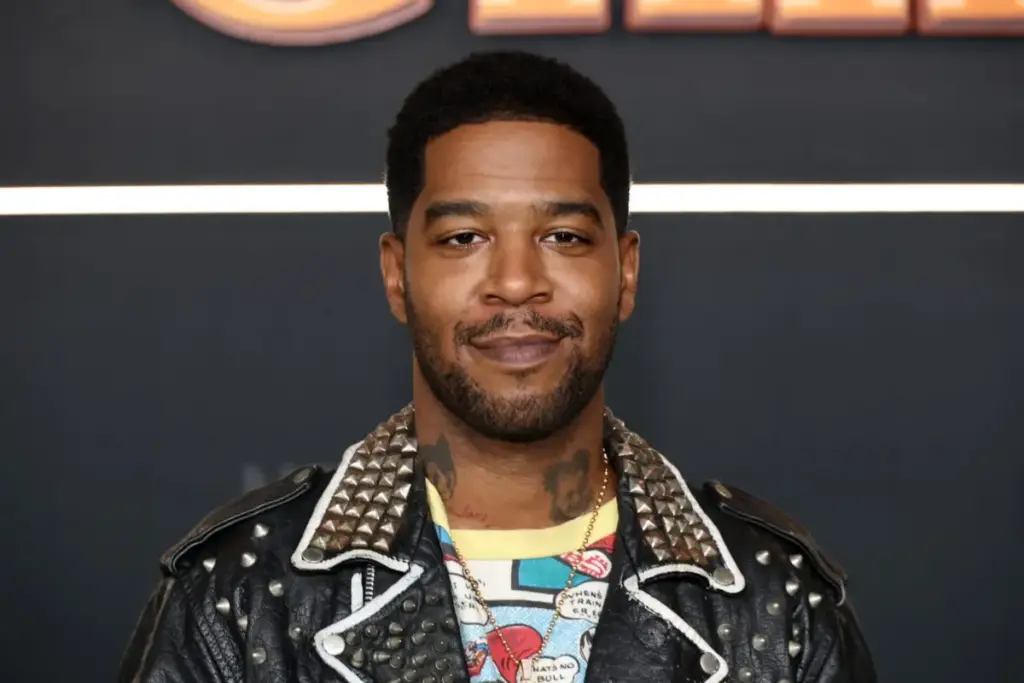
The intersection of artistic expression, free speech, and contractual obligation has once again collided in the federal court system, setting the stage for a high-stakes legal battle between two prominent musical artists. Rapper Scott "Kid Cudi" Mescudi has fired a robust legal salvo in response to a civil lawsuit filed against him by Mathangi "M.I.A." Arulpragasam. At the center of the dispute is Cudi’s decision to remove M.I.A. from his co-headlined Rebel Rangers Tour following a series of politically charged on-stage rants.
In a comprehensive legal motion filed on Tuesday (Sept. 8), Cudi’s high-powered attorney, Mathew Rosengart, moved to dismiss the lawsuit entirely. The defense argues that the case "fails on its face" and represents an impermissible attempt to penalize a musical artist for exercising fundamental First Amendment rights. Specifically, Cudi’s legal team asserts that the selection of tour personnel, the curation of a live concert’s atmosphere, and the preservation of an artist’s brand are protected expressions of free speech under both the United States Constitution and California’s robust anti-SLAPP (Strategic Lawsuit Against Public Participation) statute.
M.I.A., who initiated legal action in late May, contends that her termination was a bad-faith breach of contract executed primarily to manufacture publicity for a flagging tour. Her attorneys argue that her on-stage commentary was fully protected under the explicit terms of her Live Nation-administered agreement. However, Cudi’s motion leans heavily on established legal precedent—most notably citing a 2019 ruling involving rocker Eddie Money—to argue that the curation of a live touring lineup is intrinsically tied to artistic freedom and cannot form the basis of a civil liability claim. As the legal teams prepare for what could become a landmark precedent on the limits of concert-stage curation, the case raises critical questions about the rights of tour headliners versus the contractual protections of supporting acts in an increasingly polarized sociopolitical climate.
Detailed Chronology: From the Stage to the Courtroom
To fully understand the gravity of the ongoing litigation, one must trace the rapid escalation of events that transformed a routine tour lineup adjustment into a federal free-speech showdown.
The Spark: The Dallas Concert and On-Stage Remarks
The friction began during a stop on the Rebel Rangers Tour in Dallas, Texas. M.I.A., known historically for her provocative socio-political messaging and genre-bending artistry, took to the stage to deliver a set that quickly veered away from strictly musical entertainment. Addressing the live audience, the "Paper Planes" rapper made several polarizing remarks. Among the most widely circulated comments was her declaration that she had been "canceled for being a brown Republican voter"—an apparent nod to the fierce backlash she faced following her public endorsement of Donald Trump during the 2024 presidential cycle.
Furthermore, M.I.A.’s monologue touched on multiple hot-button geopolitical and domestic issues. She vocally advocated for a "free Palestine," leveled heavy criticisms against U.S. Immigration and Customs Enforcement (ICE), and referenced her track "Illegal," darkly warning the crowd that "some of you could be in the audience." While some fans engaged with the commentary, a significant portion of the audience responded with audible boos, signaling immediate friction between the performer’s platform and Cudi’s overarching fan base.
The Swift Exit and Public Fallout
Kid Cudi acted swiftly in the wake of the Dallas incident. Recognizing that the rhetoric was alienating sections of his audience and threatening the cohesion of the tour, Cudi announced in early May that M.I.A. was officially dismissed from the Rebel Rangers lineup.
In public statements addressing the termination, Cudi maintained that his camp had communicated clear boundaries to M.I.A.’s representatives prior to the tour’s launch. "M.I.A. is no longer on this tour," Cudi stated unequivocally at the time, noting that he had explicitly specified that he "didn’t want anything offensive" during the run. "I won’t have someone on my tour making offensive remarks that upsets my fanbase."

The May 29 Lawsuit: Breach of Contract and Bad Faith
Refusing to accept her removal quietly, M.I.A. fired back legally on May 29. Filed through her attorney, Howard King, the lawsuit accused Kid Cudi of orchestrating an illegal, wrongful termination.
The plaintiff’s legal strategy rested on two primary pillars:
- Contractual Immunity: M.I.A.’s legal team argued that her performance contract, facilitated through Live Nation, explicitly granted her the latitude to speak her mind and express her political and personal viewpoints while on stage.
- Pretextual Motives: The lawsuit alleged that Cudi’s stated concerns regarding fan alienation were merely a smoke screen. King asserted that M.I.A. was actually booted to manufacture synthetic publicity for a tour that was allegedly struggling with ticket sales.
"She was contractually allowed to say whatever she wanted on stage," King wrote in the initial filing. "M.I.A. now holds Kid Cudi accountable for his bad faith destruction of her contractual rights, business opportunities, and reputation."
The September 8 Anti-SLAPP Motion to Dismiss
The legal battlefield shifted dramatically on September 8 when Mathew Rosengart filed a comprehensive anti-SLAPP motion on behalf of Cudi. Seeking an immediate dismissal, the defense asserted that M.I.A.’s lawsuit is fundamentally flawed and poses a direct threat to constitutional free-speech protections. By leveraging California’s anti-SLAPP framework—a statute specifically crafted to swiftly dispose of meritless lawsuits designed to chill the exercise of free speech on matters of public interest—Cudi’s team aims to shut down the litigation before it reaches the costly discovery phase.
Legal Arguments and Strategic Frameworks
The core of the current legal battle rests on competing interpretations of constitutional law, statutory protections, and contractual interpretation. Both sides have marshaled seasoned legal counsel to defend their respective positions.
Kid Cudi’s Defense: The First Amendment and Anti-SLAPP Application
Mathew Rosengart’s motion to dismiss relies on a robust defense of artistic autonomy. Cudi’s legal team argues that a musical tour is not merely a commercial enterprise, but a living, breathing work of collaborative artistic expression. Consequently, the headliner—as the primary creative force and brand owner of the tour—must retain absolute discretion over who shares the stage with them.
- The Scope of Anti-SLAPP: Under California law, defendants can file an anti-SLAPP motion if the lawsuit arises from an act in furtherance of their right of free speech in connection with a public issue. Rosengart argues that making casting decisions regarding who performs on a major concert tour directly concerns matters of public interest and artistic expression.
- The Precedent of Eddie Money: To cement this argument, Cudi’s legal filing leans heavily on a pivotal 2019 California appellate court ruling involving the late rocker Eddie Money. In that case, Money fired his longtime drummer, Glenn Symmonds, and subsequently faced a wrongful termination and discrimination lawsuit. The court ultimately ruled in Money’s favor, determining that the decision to remove a band member from a touring line-up was an act of artistic expression protected by the First Amendment and shielded by the anti-SLAPP statute. Cudi’s team argues that the same legal logic applies directly to the removal of a co-billed or supporting act like M.I.A.
- The "Content of the Tour" Argument: Rosengart emphasizes that holding a musical artist legally or financially liable for curating the ideological and artistic tone of their own concert tour creates a dangerous chilling effect on creative freedom. "Plaintiffs impermissibly seek to hold a musical artist liable for exercising his First Amendment free-speech rights concerning artistic expression," Rosengart wrote.
M.I.A.’s Counter-Strategy: Contractual Rights and Economic Harm
Conversely, M.I.A.’s legal team, led by Howard King, operates from a framework centered on commercial law and the sanctity of signed agreements.
- The Letter of the Contract: M.I.A.’s position is that employment and performance agreements supersede a headliner’s spontaneous discomfort with political discourse. If the Live Nation-administered contract contained clauses permitting unscripted commentary or failed to explicitly prohibit political statements, Cudi’s unilateral ejection of the artist constitutes a clear breach of contract.
- Economic and Reputational Damages: King’s initial filings underscored the tangible harm inflicted upon M.I.A.’s professional standing. Beyond the immediate loss of touring revenue, the sudden dismissal carried a reputational stigma—implying that her conduct was so egregious or toxic that it justified contract termination.
- Challenging the Pretext: M.I.A.’s legal strategy attempts to strip away the constitutional shield by proving an ulterior commercial motive. If the defense can be shown to have acted in "bad faith" primarily to generate sensationalized headlines for ticket sales rather than out of genuine artistic or ideological incompatibility, the anti-SLAPP motion could theoretically face an uphill battle in proving that the termination was a pure exercise of free speech.
Supporting Context & Industry Metrics
To fully appreciate the ramifications of the Cudi-M.I.A. lawsuit, one must examine the broader cultural and economic realities of modern touring, as well as the legal mechanisms driving the defense.

The Financial Realities of Modern Touring
The post-pandemic concert industry has experienced unprecedented economic pressures. While top-tier stadium acts continue to break gross-revenue records, mid-tier and arena-level tours—such as the Rebel Rangers Tour—face intense scrutiny regarding ticket sales, overhead costs, and brand protection.
- Tour Insurance and Liability: Major tours operate under complex webs of corporate sponsorships, promoter guarantees (such as those provided by Live Nation), and comprehensive event insurance policies. Controversy that threatens public safety, provokes organized boycotts, or alienates core demographic segments can trigger financial penalties or force promoters to intervene.
- Fan Base Polarization: In an era where consumer loyalty is deeply intertwined with socio-political alignment, headliners are increasingly protective of their brand equity. Cudi’s assertion that he refused to let someone on his tour "upset my fanbase" reflects a growing industry sensitivity to audience churn. When ticket sales dictate profitability margins, headliners often view unvetted political diatribes as commercial liabilities.
California’s Anti-SLAPP Statute: A Powerful Shield
California’s anti-SLAPP law (Code of Civil Procedure Section 425.16) is frequently deployed in the entertainment industry to protect creative professionals, production companies, and artists from retaliatory or meritless litigation.
+-----------------------------------------------------------------------+
|                    CALIFORNIA ANTI-SLAPP PROCESS                      |
+-----------------------------------------------------------------------+
| Step 1: Defendant files motion asserting the lawsuit arises from      |
|         protected speech/conduct regarding a matter of public interest.|
+-----------------------------------------------------------------------+
| Step 2: Burden shifts to Plaintiff to establish a "probability        |
|         of prevailing" on the merits of the claim.                    |
+-----------------------------------------------------------------------+
| Step 3: If Plaintiff fails, the case is dismissed, and the defendant  |
|         is typically awarded mandatory attorney's fees.               |
+-----------------------------------------------------------------------+
By invoking this statute, Cudi’s legal team is forcing M.I.A. to clear an exceptionally high legal hurdle early in the proceedings. To survive the motion, M.I.A.’s attorneys must demonstrate not only that a breach of contract occurred, but that they have a high probability of legally defeating Cudi’s First Amendment defense—a formidable challenge given the legal precedent established in cases like Eddie Money.
Official Statements and Industry Reactions
The legal maneuvering has generated significant commentary across legal, music, and media circles, underscoring the deep ideological divides highlighted by the case.
- Mathew Rosengart (Counsel for Kid Cudi): Emphasizing the constitutional dimensions of the motion, Rosengart stated in the court filings: "The challenged conduct of supposedly having M.I.A. removed from performing on the tour also directly concerns the casting, content, and character of a live musical performance which, by law, makes it protected free-speech conduct under an anti-SLAPP motion."
- Howard King (Counsel for M.I.A.): Highlighting the alleged commercial exploitation during the initial phase of the dispute, King noted: "M.I.A. was terminated to generate publicity for the tour, which has struggled with ticket sales. She was contractually allowed to say whatever she wanted on stage. M.I.A. now holds Kid Cudi accountable for his bad faith destruction of her contractual rights, business opportunities, and reputation."
- Music Industry Analysts: Legal and entertainment observers have noted that the case serves as a vital stress-test for collaborative touring agreements. As artists increasingly use their platforms to express polarizing political views—ranging from partisan electoral endorsements to complex international geopolitical stances—promoters and headliners are re-evaluating how tour contracts define acceptable on-stage conduct versus unalienable artistic freedom.
Future Outlook and Legal Implications
As the litigation proceeds toward its upcoming judicial hearings, the outcome of Kid Cudi’s anti-SLAPP motion will likely send shockwaves through the entertainment industry.
Potential Judicial Scenarios
- Granting of the Anti-SLAPP Motion: If the presiding judge agrees with Rosengart and cites the Eddie Money precedent, the lawsuit will be dismissed. Furthermore, California law mandates that successful anti-SLAPP defendants are awarded attorney’s fees, leaving M.I.A. financially responsible for Cudi’s legal expenditures. Such a ruling would heavily empower tour headliners to curate, discipline, and dismiss supporting acts based on ideological or artistic incompatibility without fear of civil reprisal.
- Denial and Progression to Discovery: Should the judge find that M.I.A.’s contractual claims establish a viable triable issue—specifically regarding whether the contract explicitly permitted her speech or if Cudi acted in bad faith—the motion will be denied. This would force the case into the discovery phase, compelling both artists to turn over internal communications, financial ledgers, ticket sales data, and contract drafts. Such an outcome would likely trigger intense media scrutiny and increase pressure on both camps to pursue an out-of-court settlement.
Broader Industry Impact
Regardless of the immediate verdict, the Cudi v. M.I.A. dispute has irrevocably altered how booking agents, managers, and entertainment attorneys draft tour riders. Future performance contracts are virtually guaranteed to feature tighter, more explicit clauses regarding on-stage political discourse, ideological alignment, and unilateral termination rights.
As artists continue to navigate the volatile intersection of art, politics, and commerce, the final resolution of this case will establish a critical benchmark for where creative autonomy ends and legal accountability begins.