In the rapidly evolving landscape of contemporary fashion, the boundaries separating high-concept avant-garde design from accessible, mall-brand ready-to-wear have grown increasingly porous. For years, the sartorial identity of industry insiders was defined by strict demarcations: one either belonged to the conceptual realm of experimental Tokyo and European design houses—such as Comme des Garçons, Junya Watanabe, and Vaquera—or settled comfortably into the predictable, conservative aesthetics of mainstream American heritage brands.
However, a notable shift is underway within the upper echelons of professional styling and editorial curation. A new paradigm of high-low dressing has dismantled these rigid categorizations, proving that foundational basics can serve as the ultimate canvas for eccentric, sculptural, and unconventional personal expression.
At the center of this movement is a surprising renaissance for J.Crew. Long dismissed by subcultural fashion purists as a relic of suburban mall culture, the classic American preppy stalwart has successfully re-engineered its appeal, capturing the attention of stylists who typically build their wardrobes around architectural silhouettes and experimental luxury. This article explores how a self-professed "Vaquera Queen" rediscovered the enduring utility of J.Crew, examining the broader implications of high-low styling for the future of consumer consumption, wardrobe longevity, and modern luxury dressing.
Detailed Chronology: From Mall Rat Roots to High-Fashion Evolution
The Nostalgic Foundation of American Mall Culture
The relationship between avant-garde stylists and mass-market retail is rarely born overnight; rather, it often traces back to formative adolescent experiences. For many millennials who came of age during the peak of suburban mall culture, J.Crew was an early gateway to personal style. Long before they understood the nuances of runway collections or conceptual draping, consumers were drawn to the distinct version of accessible Americana that J.Crew championed.
In its earlier iterations, the brand built its reputation on reliable tailoring, structured blazers, loose cotton tees, statement costume jewelry, and dependable ballet flats. For young creatives with experimental leanings, these items were not worn as a complete, preppy look. Instead, they functioned as blank slates. An oversized men’s basic tee could be effortlessly juxtaposed against a faux-fur cheetah-print jacket, while a sleek black turtleneck could anchor an unconventional tartan dress from a boundary-pushing designer collaboration. J.Crew provided the practical, utilitarian building blocks that grounded more chaotic, imaginative outfits.
The Wilderness Years and the Industry Disconnect
As trends shifted toward minimalist streetwear, hyper-futurism, and underground aesthetics through the late 2010s, J.Crew experienced a well-documented identity crisis. Plagued by shifting management, over-expansion, and a temporary loss of cultural relevance, the brand drifted away from the radar of high-fashion stylists. For professionals devoted to the sculptural mastery of Junya Watanabe or the dark romance of emerging independent labels, the brand’s offerings felt safe, uninspired, and creatively stagnant.
During this period, the brand was largely sidelined by the editorial community, viewed as a commercial enterprise disconnected from the pulse of contemporary design innovation.
The Turning Point: Rediscovering the Brand at Press Previews
The turning point in this dynamic occurred roughly two years ago, catalyzed by strategic shifts in design leadership and a renewed focus on elevated heritage dressing. When industry stylists and press members were invited to preview J.Crew’s revamped holiday and seasonal collections, many anticipated a repeat of past offerings. Instead, they encountered a revitalized design language that successfully bridged the gap between timeless preppy heritage and modern, trend-conscious luxury.
This rediscovery revealed a brand that had refined its core competencies: impeccable tailoring, tactile fabrications (such as rich cashmeres, heavy linens, and tactile faux-furs), and sharply executed accessories that could easily hold their own alongside high-end designer pieces. By embracing subtle nods to European runway trends while maintaining its accessible price point, J.Crew positioned itself as an essential tool for high-low styling.
Supporting Context & Metrics: Deconstructing the Looks
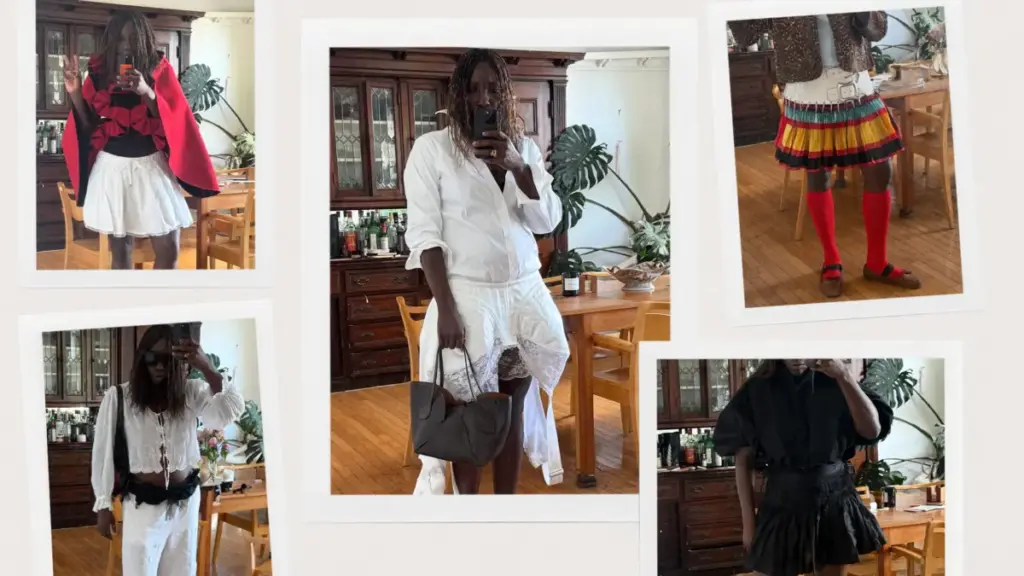
To understand how J.Crew fits into an avant-garde wardrobe, one must analyze the mechanics of high-low styling. The practice requires a delicate balance of proportions, textures, and brand prestige. Here is a breakdown of how foundational J.Crew pieces are successfully integrated with luxury heavyweights:
Look 1: The Modern Chloé Aesthetic via Linen and Mesh
The Foundation: A relaxed, neutral J.Crew linen set featuring an oversized cut that nods to classic resort wear without feeling costumery.
The High-End Counterparts: Styled with a mixed-media Renaissance Renaissance ruffle-trimmed leather belt, Simone Rocha x Crocs hybrid clogs, an Alaïa mesh tote bag, and architectural Phoebe Philo sunglasses.
The Stylist’s Rationale: By utilizing J.Crew’s relaxed tailoring as a neutral base, the outfit achieves an effortless, high-fashion resonance reminiscent of contemporary Parisian runways. The oversized silhouette of the trousers prevents the linen set from reading as casual beachwear, elevating it to an urban street-style statement.
Look 2: Sculptural Proportions and the Hourglass Silhouette
The Foundation: A black, high-waisted J.Crew skirt designed with precise tailoring and a clean waistline.
The High-End Counterparts: Paired with a cropped, voluminous Renaissance Renaissance Jane Bolero jacket, Phoebe Philo sunglasses, and Anonymous Copenhagen stiletto heels.
The Stylist’s Rationale: For individuals with shorter torsos, styling cropped jackets can present a structural challenge. However, the high-waisted J.Crew skirt anchors the look, perfectly balancing upper-body volume with a cinched, flattering hourglass silhouette.
Look 3: Textural Clashes and Lee Radziwill Elegance
The Foundation: J.Crew’s premium leopard-print calf-hair jacket—a luxury-tier offering from the brand that channels classic, timeless elegance reminiscent of style icon Lee Radziwill.
The High-End Counterparts: Deliberately clashed with an eclectic Chopova Lowena carabiner skirt, traditional Gammarelli knee-high socks, and playful Marni Mary Jane ballet flats.
The Stylist’s Rationale: High-low fashion thrives on intentional dissonance. Pairing an expensive, tactile animal-print statement coat from a mass-heritage brand with the anarchic, folk-art-inspired hardware of a Chopova Lowena skirt creates a visually arresting tension that feels both sophisticated and rebellious.
Look 4: Deconstructing Conceptual Outerwear
The Foundation: A delicate, lace-trimmed J.Crew skirt that acts as a grounding element for heavy conceptual design.
The High-End Counterparts: Layered beneath an intricate, avant-garde Junya Watanabe honeycomb wool poncho and finished with split-toe Nike Air Rift sneakers.
The Stylist’s Rationale: Highly conceptual pieces—such as sculptural Japanese ponchos—can often feel intimidating or overly theatrical for everyday wear. Pairing them with a simple, feminine J.Crew slip skirt dilutes the severity of the conceptual design, making it approachable while maintaining its artistic integrity.
Official Statements and Industry Perspective
The rehabilitation of legacy mall brands through the lens of high-fashion styling reflects a broader democratization of taste within the fashion industry. Industry experts note that modern consumers—particularly younger, style-literate demographics—are increasingly fatigued by the relentless pursuit of all-designer wardrobes.
"When we look at the current fashion ecosystem, the most compelling style statements are rarely born from head-to-toe runway looks," notes a prominent fashion editor. "True personal style is articulated through the friction between the accessible and the exceptional. Brands like J.Crew have realized that their greatest asset isn’t just selling a preppy lifestyle, but providing impeccably made foundational pieces that allow creative dressers to experiment without financial inhibition."
Furthermore, stylists emphasize that the longevity of a modern wardrobe depends on versatility. By investing in high-end statement items—such as archival runway pieces, bespoke leather goods, and avant-garde footwear—while relying on accessible retailers for daily tailoring and layering essentials, consumers can build dynamic, sustainable wardrobes that evolve across seasons.
Future Outlook: The Evolution of High-Low Dressing
As the fashion industry looks toward upcoming seasons, the appetite for high-low integration shows no signs of slowing down. Economic pressures, coupled with a growing cultural appreciation for vintage mixing and sustainable consumer habits, ensure that the hybridization of luxury and mass-market retail will remain a dominant trend.
Key Takeaways for the Modern Wardrobe:
Prioritize Silhouette Over Brand Status: The success of an outfit relies on proportion, tailoring, and how garments interact on the body, regardless of whether a piece costs $40 or $4,000.
Invest in Foundations: Use affordable, well-cut basics (such as tailored trousers, crisp shirts, and slip skirts) to anchor complex, avant-garde statement pieces.
Embrace Tactile Contrast: Mix heavy textures—like calf hair, wool, and heavy cottons—with delicate elements like lace and mesh to create visual depth.
Ultimately, the transformation of stylists from skeptics to advocates proves that great design transcends labels. Whether curating a look centered around Tokyo conceptualism or American prep school heritage, the modern dresser’s primary objective remains the same: using clothing as an authentic, playful medium for self-expression.