
Executive Overview
Emmy and Grammy Award-winning comedian and actress Tiffany Haddish has publicly detailed a pivotal turning point in her personal life, revealing complete lifestyle changes and total alcohol abstinence following a series of high-profile legal encounters. In a comprehensive statement published via social media, Haddish reflected on how her mandatory interactions with the judicial system served as an unexpected catalyst for self-examination, ultimately prompting her to sever ties with alcohol entirely.
Haddish’s disclosure follows the resolution of two separate Driving Under the Influence (DUI) arrests—one in Georgia in early 2022 and another in Beverly Hills, California, in late 2023. Beyond resolving her standing legal obligations through probationary agreements and plea negotiations, the performer detailed how observing routine court dockets provided an unvarnished look at the systemic role of alcohol in criminal offenses. This institutional exposure transformed her perspective from simple compliance with court mandates to a broader reassessment of substance use, personal clarity, and physical health.
This report examines the timeline of Haddish’s legal proceedings, the socio-legal factors surrounding alcohol-related offenses, her official public statements, and the broader implications of her public recovery narrative for her career trajectory and wellness advocacy.
Detailed Chronology
[January 2022] ── Peachtree City, GA DUI Arrest
       │
       ▼
[November 2023] ── Beverly Hills, CA DUI Arrest (Found asleep at the wheel)
       │
       ▼
[Early 2024–2026] ── Legal Resolutions (Plea deals, probation terms, license suspension)
       │
       ▼
[August 2026] ── Public Sobriety Declaration & Judicial Reflections
The Initial Georgia Incident (January 2022)
In January 2022, Haddish was taken into custody by law enforcement officers in Peachtree City, Georgia. Authorities responded to reports of a driver asleep at the wheel on a roadway. Officers conducted a traffic stop and subsequently arrested Haddish on suspicion of driving under the influence and improperly stopping a vehicle. The incident marked her first major criminal legal encounter regarding substance use, launching a prolonged period of legal oversight.
The case progressed through the Georgia judicial system over subsequent years. It ultimately resulted in a plea agreement in which Haddish received a suspended driver’s license and a 12-month period of court-supervised probation, alongside mandatory requirements designed to prevent repeat infractions.
The Beverly Hills Arrest (November 2023)
While the Georgia proceedings were still being addressed, Haddish experienced a second legal setback in Southern California. On November 24, 2023, Beverly Hills police officers responded to calls regarding a vehicle stopped in the middle of Beverly Boulevard. Officers located Haddish slumped over the steering wheel while the engine was still running.
She was arrested on suspicion of DUI. Because this constituted her second alcohol-related arrest within two years, the incident generated widespread media scrutiny and heightened legal jeopardy. In early 2024, the Beverly Hills case was resolved when prosecutors agreed to drop the primary DUI charges in exchange for a no-contest plea to a reduced charge of reckless driving. Haddish was sentenced to an additional period of probation, ordered to complete community service, and required to attend court-mandated alcohol education programs.
Judicial Exposure and Life Transition (2024–2026)
During the administrative and legal proceedings across both jurisdictions, Haddish was required to attend numerous court hearings. Sitting in public courtrooms while awaiting her own cases to be called, she observed routine misdemeanor and felony calendars. This period of enforced judicial observation became the turning point for her decision to pursue complete, long-term alcohol abstinence, culminating in her public reflection in August 2026.
Supporting Context & Metrics
Socio-Legal Impact of Substance Abuse in Court Systems
Haddish’s observations regarding the frequency of alcohol involvement in criminal court dockets align with established criminology and public health research. Judicial datasets consistently demonstrate that alcohol plays a major role in a wide spectrum of criminal offenses beyond traffic infractions.
| Offense Category | Estimated Alcohol Involvement | Judicial Correlation |
|---|---|---|
| Domestic Violence / Battery | 40% – 55% | Frequently cited as a primary disinhibiting factor in interpersonal disputes. |
| Property Crimes & Theft | 15% – 25% | Often linked to impaired judgment or efforts to fund substance use. |
| Physical Assaults / Disorderly Conduct | 45% – 60% | Strongly correlated with binge drinking in nightlife environments. |
| Traffic Offenses (DUI / Reckless Driving) | 100% (By Definition) | Represents a leading cause of preventable vehicular fatalities nationwide. |
According to data from the National Institute on Alcohol Abuse and Alcoholism (NIAAA) and the U.S. Department of Justice, alcohol is a contributing factor in roughly one-third of all violent crime arrests. By directly witnessing this reality while waiting for her own cases, Haddish gained an objective, systemic perspective on the broader social consequences of alcohol consumption.
Celebrity Sobriety Trends and Public Accountability
Historically, high-profile arrests involving public figures were managed through private rehabilitation stays and public relations containment strategies. However, contemporary entertainment industry figures increasingly lean toward direct, unscripted transparency on digital platforms.
Haddish’s decision to candidly discuss her history and court experiences reflects a growing trend among public figures who leverage personal legal missteps as platforms for health education and personal reform. Rather than framing her trial as an isolated, bad-luck incident, Haddish framed her recovery around structural self-awareness and lifestyle changes.
Official Statements
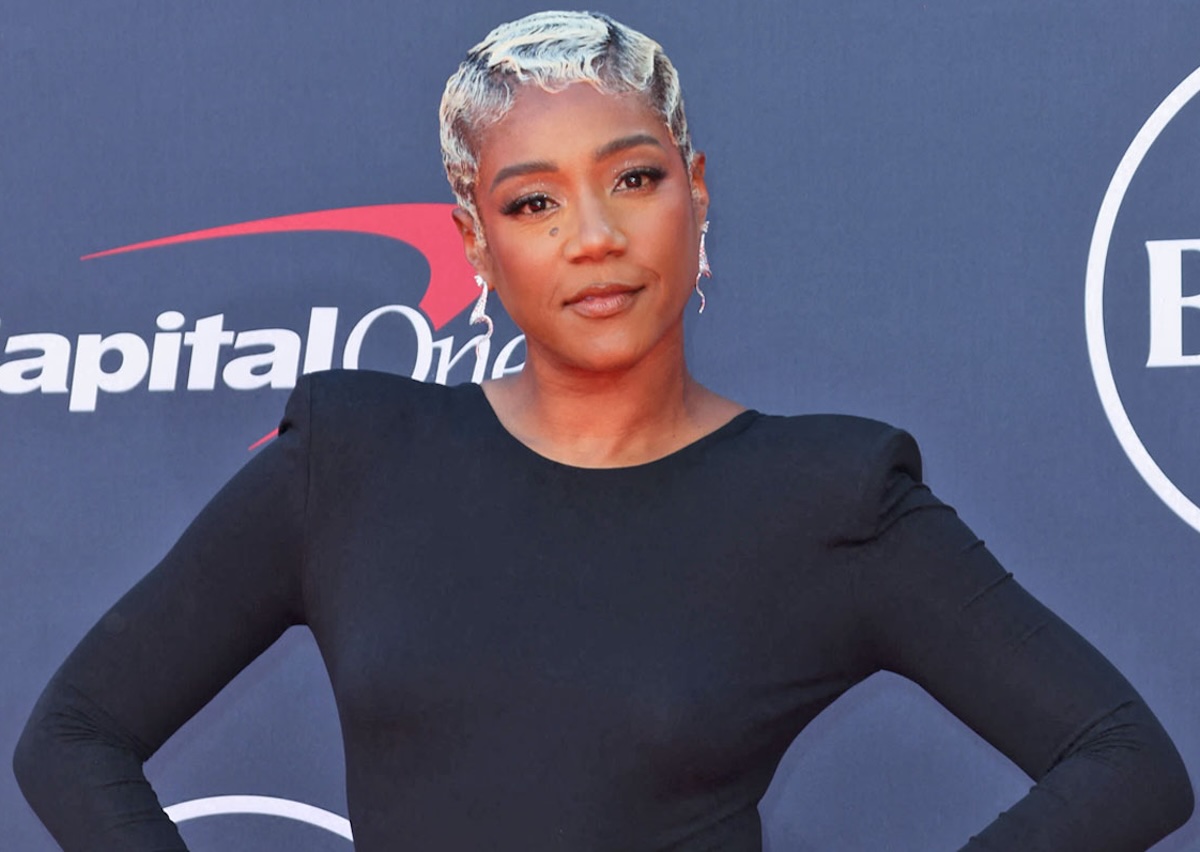
In August 2026, Haddish released a series of public statements detailing her decision to quit drinking and offering an assessment of her post-alcohol life.
On the Realization in the Courtroom
Reflecting on the specific catalyst that led to her decision, Haddish emphasized the eye-opening nature of her required court attendance:
"Hey, I stopped drinking altogether when I realized how much bad stuff I was seeing connected to alcohol. Sitting in court really opened my eyes. Case after case — domestic violence, child abuse, theft, fighting, [sexual assault] — alcohol kept showing up somewhere in the story. And I thought, damn… what would happen if I just never drank again? So I stopped."
On the Personal and Social Benefits of Sobriety
Addressing the long-term impact of her decision, Haddish highlighted significant improvements in her physical health, mental clarity, and social boundaries:
"Over three years later, LIFE IS AWESOME. No more waking up in pain. No more waking up next to ugly people. No more toxic relationships. And narcissists REALLY don’t like sober Tiffany because I don’t feed into the mess anymore. It’s actually funny how fast a sober mind will run a toxic soul right up out of your life."
On a Six-Week Challenge and Long-Term Clarity
In her closing remarks, Haddish challenged her audience to evaluate their own relationship with alcohol, linking her personal sobriety directly to the achievement of her professional ambitions:
"I really wonder what would happen if everybody stopped drinking for just six weeks. How many arguments wouldn’t happen? How many bad decisions wouldn’t get made? How many people wouldn’t end up in court? I can only speak for me, but giving up alcohol gave me clarity. Over three years with no alcohol, and I can see my dreams clearer than ever. And now I actually believe I’m going to make every damn one of them come true. Any Questions?!?"
Analysis of Personal and Professional Impact
                  ┌────────────────────────────────────────┐
                  │      Mandatory Judicial Exposure       │
                  └───────────────────┬────────────────────┘
                                      │
                                      ▼
                  ┌────────────────────────────────────────┐
                  │     Cognitive & Behavioral Shift       │
                  └───────────────────┬────────────────────┘
                                      │
        ┌─────────────────────────────┴─────────────────────────────┐
        ▼                                                           ▼
┌───────────────────────────────┐           ┌───────────────────────────────┐
│  Interpersonal Realignment    │           │ Career & Creative Longevity   │
│  - Removal of toxic dynamics  │           │ - Heightened cognitive focus  │
│  - Boundary enforcement       │           │ - Rebuilt industry trust      │
└───────────────────────────────┘           └───────────────────────────────┘
Interpersonal Realignment and Boundary Setting
A central theme in Haddish’s public statement is the emotional and psychological boundary-setting that accompanied her sobriety. In recovery literature, substance cessation often requires an individual to dismantle social networks built around communal consumption. Haddish explicitly linked her alcohol abstinence to an increased immunity against interpersonal manipulation, noting that a "sober mind will run a toxic soul right up out of your life."
This boundary-setting is especially relevant within the entertainment industry, where social gatherings and professional networking frequently revolve around alcohol availability. By publicly removing herself from these dynamics, Haddish repositioned her personal brand around discipline and intentionality.
Rehabilitation over Recidivism
From a legal and administrative perspective, Haddish’s narrative illustrates the primary goal of criminal justice interventions in DUI cases: deterrence through self-awareness. While legal penalties such as probation and license suspensions serve a punitive function, their ultimate goal is long-term behavioral change. Haddish’s trajectory suggests that forced exposure to the legal consequences of substance use successfully triggered internal motivation for change, moving her beyond minimum legal compliance toward full recovery.
Future Outlook
As Tiffany Haddish navigates the post-probationary phase of her career, her public commitment to long-term sobriety is poised to influence both her artistic output and her personal brand.
Career Trajectory and Artistic Focus
With enhanced cognitive clarity and the resolution of her legal matters, Haddish is uniquely positioned to redefine her comedic narrative. Historically, stand-up comedians have relied heavily on personal misadventures for material; Haddish now possesses a unique narrative arc that balances her signature raw humor with mature insights on recovery, legal accountability, and self-actualization. This shift opens up new creative avenues, including:
- Expanded Production Opportunities: Industry partners routinely view sustained sobriety as a key indicator of reliability for top-tier film and television projects, minimizing risk for major studios.
- Keynote and Advocacy Engagements: Haddish’s journey from foster care to Hollywood success—now bolstered by her recovery narrative—positions her as a compelling voice for wellness, legal reform, and addiction awareness platforms.
- Evolved Stand-Up Material: Incorporating topics like court observations, sobriety challenges, and boundary-setting offers fresh, resonant material for global audiences.
Summary Conclusion
Tiffany Haddish’s trajectory from dual DUI arrests to sustained sobriety demonstrates how public legal challenges can lead to meaningful personal transformation. By stepping back to observe the broader systemic harms associated with substance abuse, Haddish transformed a personal legal failure into a public commitment to health and clarity. As she resumes full-scale creative and professional pursuits, her narrative stands as a clear example of how accountability, judicial intervention, and personal resolve can foster long-term stability and artistic renewal.