Executive Overview
For decades, Jennifer Aniston has remained an immutable fixture of American pop culture—admired not only for her iconic television and film career, but also for her enviable, enduring vitality. As one of Hollywood’s most recognizable and enduring stars, Aniston has long been a vocal advocate for physical wellness. However, her relationship with fitness has undergone a profound psychological and physiological transformation. Gone are the days of punishing, high-impact routines driven by the archaic "no pain, no gain" dogma of the 1990s and 2000s. In their place is a modern, sustainable approach centered on functional fitness, longevity, and self-compassion.
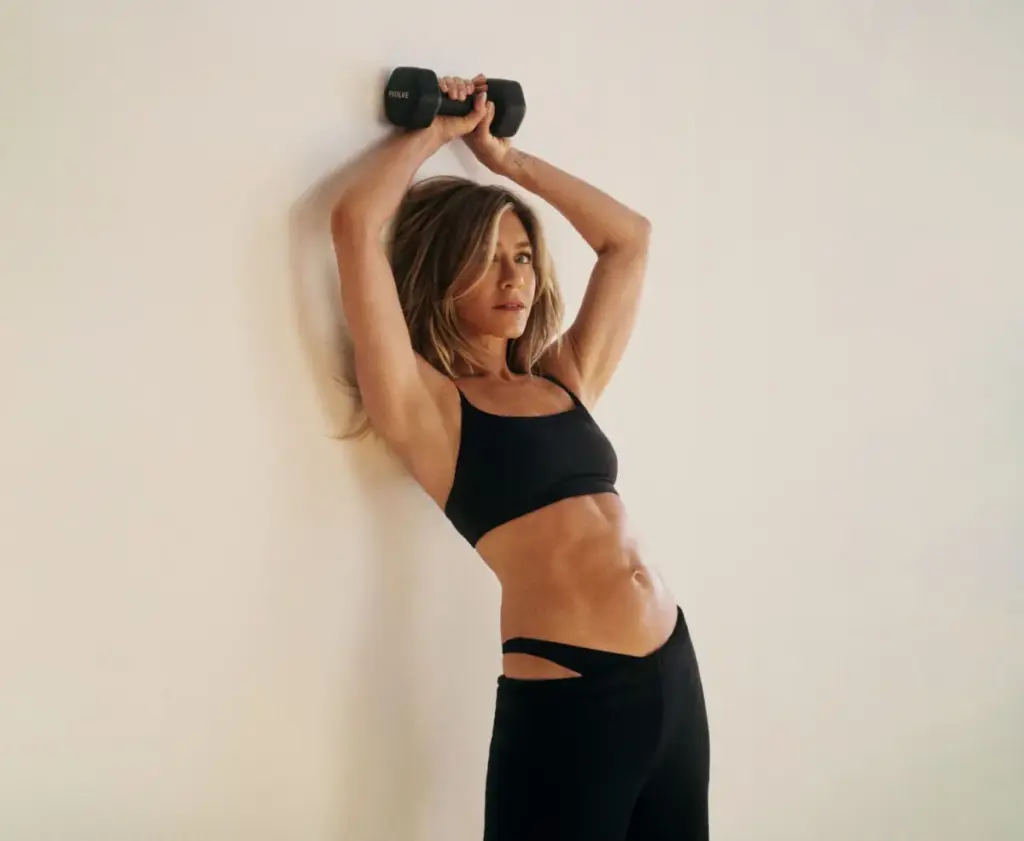
In recent years, Aniston has found her fitness stride through Pvolve, a scientifically backed functional fitness method that emphasizes controlled resistance, intentional movement, and multi-planar biomechanics. Partnering with her longtime trainer and Pvolve’s Vice President of Training, Dani Coleman, Aniston has championed a fitness philosophy rooted in consistency rather than exhaustion.
This comprehensive report examines Aniston’s fitness evolution, breaking down the core principles of functional training, the physiological shifts required to sustain long-term health, and the specific arm and core exercises that form the cornerstone of her routine. Furthermore, we explore the broader cultural shift away from punishing workout regimes toward sustainable, longevity-focused movement strategies that prioritize mental well-being alongside physical strength.
Detailed Chronology: The Evolution of Aniston’s Fitness Philosophy
To understand Jennifer Aniston’s current approach to physical wellness, one must trace the trajectory of Hollywood fitness culture over the past thirty years. When Aniston first captured global attention in the mid-1990s as Rachel Green on Friends, the prevailing fitness paradigm was heavily skewed toward high-intensity cardiovascular endurance, repetitive weightlifting, and grueling gym sessions designed strictly for aesthetic outcomes.
Phase 1: The High-Impact Paradigm (1990s–2010s)
Like many women of her generation navigating the relentless scrutiny of the entertainment industry, Aniston initially viewed exercise through a lens of strict obligation and physical penance. Workouts were often categorized by high stress, heavy impact, and maximal exertion.
- The Mindset: "No pain, no gain." If a workout did not leave the body completely depleted, sore, or exhausted, it was deemed ineffective.
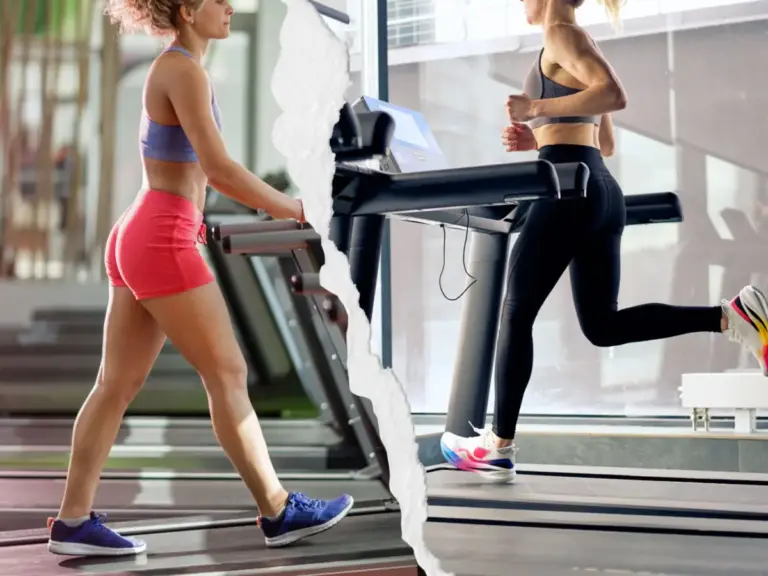
- The Routine: Heavy reliance on traditional treadmill running, high-intensity interval training (HIIT), and repetitive isolated strength movements that occasionally placed undue wear and tear on joints and connective tissue.
- The Turning Point: Over time, cumulative joint fatigue, mental burnout, and a changing understanding of how the female body responds to chronic stress forced a re-evaluation. Aniston realized that punishing the body was fundamentally counterproductive to the ultimate goal of feeling strong and energized.
Phase 2: The Mental Shift Toward Sustainability (Late 2010s)
Realizing that her old routine was no longer serving her physical or mental well-being, Aniston began stripping away the excess intensity in favor of longevity. She experimented with various low-impact disciplines, seeking a regimen that protected her joints while still delivering visible, functional results. This period marked a transition from exercising solely for how the body looked to prioritizing how the body felt.
Phase 3: Embracing Functional Fitness and Pvolve (Present Day)
Aniston’s partnership with Pvolve represents the maturation of her fitness philosophy. By focusing on functional movement patterns—exercises that prepare the body for daily activities rather than just isolated gym performance—she discovered a sustainable routine that she could maintain indefinitely.
"I used to look at workouts where it had to be this intense, ‘no pain, no gain’ situation," Aniston reflects. "But the main takeaway over all the years of everything I’ve tried is just consistency. Don’t push it and listen to your body."
Supporting Context & Metrics: The Science of Functional Fitness
To appreciate why Aniston’s current regimen yields such impressive results without the burnout of traditional workouts, we must examine the science underpinning functional fitness and the methodology of Pvolve.
What is Functional Fitness?
Unlike traditional bodybuilding, which isolates individual muscles (such as bicep curls or seated leg extensions) while sitting or lying on fixed machines, functional fitness trains muscles to work together. It emphasizes multi-planar movements—moving forward and backward, side-to-side, and rotating—which mirror the complex movement patterns required in everyday life.
According to Dani Coleman, personal trainer to Aniston and VP of Training at Pvolve, the methodology centers on precise biomechanical execution:
"We build upper body and core strength through progressive overload, resistance, and dynamic movement in all three planes of motion."
Rather than relying on momentum or rushing through repetitions to achieve fatigue, functional fitness demands absolute neurological engagement. By focusing intently on the specific muscle groups performing the work, practitioners develop what experts call intentional strength.
The Biomechanical Advantages
- Joint Preservation: By utilizing resistance bands, stability balls, and body weight rather than excessively heavy axial loads, functional training minimizes shear stress on the spine, knees, and shoulders.
- Neuromuscular Coordination: Multi-planar movements force the nervous system to recruit stabilizing muscles that are often neglected in linear, machine-based exercises.
- Metabolic Efficiency: Controlled resistance combined with continuous tension elevates heart rate and builds lean muscle mass without triggering the excessive cortisol spikes associated with chronic high-intensity interval training.
The Psychology of Micro-Habits and Consistency
Aniston’s current routine is built on the psychological principle of reducing friction to build lasting habits. On days when motivation is low or schedules are exceptionally packed, she employs a straightforward rule: simplify.
"Wake up 15 minutes earlier and get it in. When you simplify it for yourself, it makes it more digestible."
This micro-habit approach aligns perfectly with modern behavioral science. By lowering the barrier to entry (a 15-minute routine rather than a prohibitive 90-minute commitment), the brain perceives the task as manageable, thereby eliminating procrastination and ensuring long-term behavioral compliance.
Official Statements & Expert Breakdown: Aniston’s Core and Arm Routine
Jennifer Aniston has frequently noted that a strong core is the foundation of her entire physical framework. "This routine specifically targets arms and abs because that’s sort of our center of gravity—and our arms are what we see a lot," she explains. "And I love a strong core. For me, core is everything."
Here is a detailed breakdown of the specific movements featured in Aniston’s routine, complete with expert commentary from Dani Coleman regarding their physiological benefits.
1. Curl Over Ball
- The Setup: Performed using an exercise stability ball to support the lower back during a standard abdominal curl.
- Trainer Insight: "This move strengthens the abs through a fuller range of motion while the ball supports the lower back," Coleman explains.
- Why It Works: Traditional crunches performed flat on the floor can sometimes compress the lumbar spine or limit the range of motion. The curvature of the stability ball allows the abdominal wall (specifically the rectus abdominis) to lengthen fully at the bottom of the movement before contracting powerfully upward, enhancing both flexibility and core strength.
2. Elevated Deadbug
- The Setup: A variation of the classic Pilates/physical therapy deadbug exercise, often performed with elevated limbs or specialized resistance apparatus.
- Trainer Insight: "This is a powerful core stability move that improves coordination and teaches the body to stay steady while the arms and legs move in tandem," says Coleman.
- Why It Works: The deadbug is the gold standard for anti-extension core training. It forces the deep stabilizers (such as the transversus abdominis) to brace the spine, preventing the lower back from arching as the limbs move away from the body’s center of gravity. This translates directly to better posture and reduced risk of lower back pain.
3. Golf Swing
- The Setup: A rotational core exercise that mimics the athletic mechanics of a golf swing, utilizing resistance bands to create rotational tension.
- Trainer Insight: "This is a dynamic core exercise that strengthens the obliques while activating the outer hips for improved balance and stability," Coleman notes.
- Why It Works: Most daily movements and traditional gym exercises occur in the sagittal plane (forward and backward). The Golf Swing introduces rotational force, training the obliques and transverse abdominis to safely rotate and decelerate the torso—a crucial capability for functional longevity and injury prevention.
4. Stability Ball Plank
- The Setup: A standard forearm plank executed with the forearms or feet resting on an unstable stability ball.
- Trainer Insight: "This exercise takes the classic plank up a notch by adding instability, forcing the core to work harder to stay controlled," Coleman states.
- Why It Works: Introducing an unstable surface neutralizes brute-force muscle engagement, requiring the deep core stabilizers, shoulders, and scapular stabilizers to constantly micro-adjust in real-time. This dramatically increases muscular recruitment without adding external weight.
5. Prone Back Extension With Lat Pull
- The Setup: Lying face down (prone) on a mat or ball, lifting the chest while simultaneously pulling resistance toward the body (lat pull mechanism).
- Trainer Insight: "This targets the muscles along the spine to build back strength, support better posture, and counteract the effects of long hours of sitting," Coleman explains.
- Why It Works: Modern sedentary lifestyles characterized by desk work and smartphone usage lead to chronic weakness in the posterior chain (the muscles of the back, glutes, and hamstrings). This movement actively combats "desk posture" by strengthening the erector spinae and latissimus dorsi, promoting an upright, pain-free posture.
Future Outlook: The Paradigm Shift in Celebrity Wellness
Jennifer Aniston’s transition from high-impact depletion to sustainable functional fitness reflects a much larger cultural awakening within the global wellness industry. As consumers become more sophisticated, the cultural appetite for extreme, punishing fitness trends is steadily declining.
1. The Death of "No Pain, No Gain"
Medical professionals, physical therapists, and elite trainers are increasingly aligned: chronic overtraining leads to elevated systemic inflammation, joint degeneration, and mental burnout. The future of fitness belongs to methodologies that prioritize physiological sustainability—workouts that heal and strengthen the body rather than breaking it down.
2. The Integration of Mental Health and Physical Movement
Aniston is remarkably candid about how exercise directly dictates her psychological state. For her, working out is no longer about burning a specific number of calories to achieve an aesthetic standard; it is an act of emotional self-care.
"When I don’t work out, I feel such a difference," Aniston admits. "My mood dips, I don’t have as much endurance during the day, my clothes fit differently. You just don’t feel good because you’re not being good to yourself."
This holistic viewpoint frames movement as a vital neurotransmitter regulator—boosting endorphins, reducing anxiety, and enhancing cognitive clarity.
3. Longevity as the Ultimate Fitness Metric
In an era increasingly focused on healthspan (the number of years a person lives free from chronic disease and disability) rather than just lifespan, functional fitness is taking center stage. By focusing on core stability, multi-planar mobility, and balanced upper-body strength, routines like the one practiced by Aniston and designed by Dani Coleman provide a blueprint for aging with grace, agility, and absolute autonomy.
Conclusion
Jennifer Aniston’s enduring relevance as a cultural icon is matched only by her ability to evolve with the times. By discarding the toxic fitness myths of her earlier years and embracing a mindful, controlled, and sustainable approach to movement, she has redefined what it means to stay strong at any age. Her journey serves as an authoritative reminder that true wellness is not achieved through punishment, but through unwavering consistency, anatomical intelligence, and deep respect for the human body.