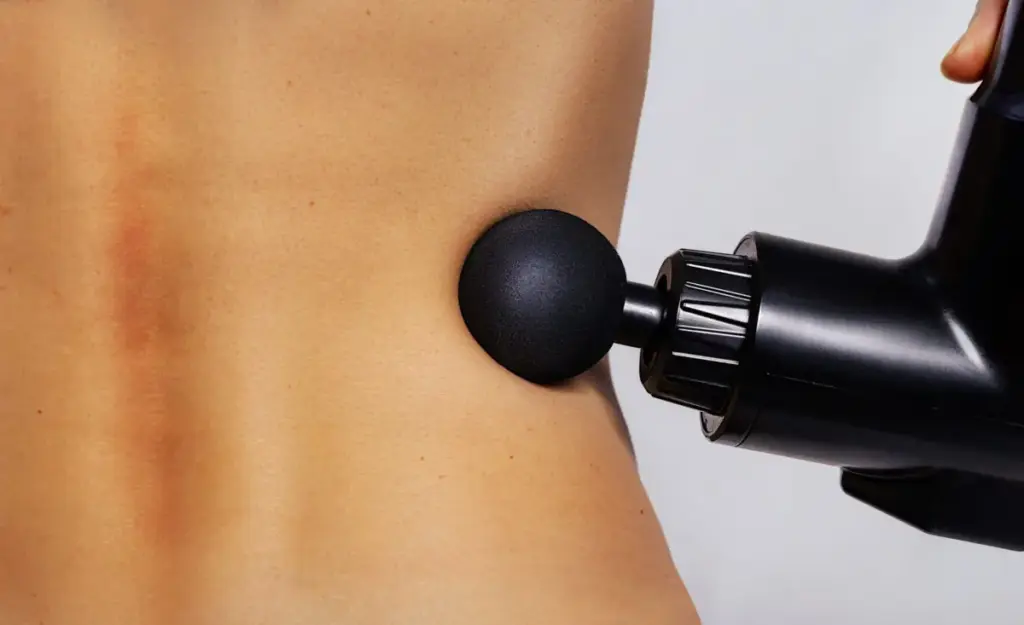
In the world of athletic recovery, innovation is constant. Athletes continually test the boundaries of physiological science, cycling through modalities that range from compression boots and ice baths to targeted percussion guns. Yet, in suburban living rooms and training camps across the country, an unconventional recovery tool is quietly staging a comeback.
For 63-year-old competitive runner Laurie from Allentown, Pennsylvania, relief from the chronic, stabbing pain of plantar fasciitis didn’t come from a specialized podiatric clinic or an expensive physical therapy machine. Instead, it arrived in the form of a household item she and her husband of 41 years, Frank, have relied on for over half a decade: the iconic Magic Wand.
Originally introduced to the market in the 1970s as the Hitachi Magic Wand, the device was manufactured and marketed strictly as a heavy-duty muscle massager. Over the decades, however, consumer behavior transformed the white-and-blue wand into one of the most famous and recognizable wand-style vibrators in the world, shifting its cultural footprint firmly into the realm of sexual wellness.
Now, a growing cohort of athletes and wellness enthusiasts are bringing the device full circle. By repurposing the high-amplitude, low-frequency vibrations of wand-style massagers to treat muscle tension, foot soreness, and post-workout fatigue, users are bridging the gap between physical recovery and sexual health.
While physical therapists emphasize that a vibrator cannot replace foundational recovery protocols or treat underlying orthopedic conditions, medical professionals agree that targeted vibration offers profound neurological and circulatory benefits. Moreover, experts note that integrating pleasure devices into physical recovery routines fosters a unique intersection of wellness—one where body-trust, stress reduction, and physical pleasure reinforce one another.
Detailed Chronology: An Accidental Discovery at Sunrise
To understand how a bedroom accessory became a premier tool for managing runner’s foot pain, one must trace the timeline of Laurie and Frank’s daily routine.
For decades, Laurie logged thousands of miles pounding the pavement. Like many endurance runners navigating their sixth decade, her athletic mileage came with an inevitable physical tax. Chief among her ailments was chronic plantar fasciitis—an inflammation of the thick band of tissue (the plantar fascia) that runs across the bottom of each foot, connecting the heel bone to the toes. For Laurie, the condition was predictably at its worst first thing in the morning, transforming the initial steps out of bed into a painful trial.
The turning point happened quite by accident during a family visit. While at home, the couple watched their adult son unpack a modern percussion massage gun, using its rapid, mechanical motion to work out knots in his tired muscles.
"Watching that rapid ‘wham-wham-wham’ motion, Frank and I immediately looked at each other," Laurie recalls.
In that synchronized glance, both thought of the Magic Wand resting in their bedroom cabinet. Owning the device for over five years, they had utilized its dual capabilities as both a body massager and a bedroom accessory. However, seeing the percussion gun sparked a hypothesis: could the powerful motor of their favorite vibrator yield similar therapeutic results on sore soft tissue?
Putting Theory to the Test
Determined to find relief from her morning foot pain, the couple decided to test their theory at sunrise the very next day. Establishing a structured protocol, Frank initiated the treatment before Laurie took her first steps of the day:
Preparation: Frank applied a soothing massage oil to Laurie’s calves and feet to reduce friction and prepare the superficial layers of tissue.
Initial Activation: Turning the Magic Wand to its lowest intensity setting, he began at the calves, addressing the muscular tension higher up the kinetic chain that often contributes to plantar strain.
Targeted Relief: Slowly working his way down to the heels and arches, he lingered along the lateral edges of Laurie’s feet, which were typically the tightest and most tender.
The results were instantaneous. "It felt amazing, immediately relieving some of the tension in the areas of my body that are most sensitive and sore," Laurie shared. "I could really feel it getting into the tissues in my feet that the plantar fasciitis impacts."
Buoyed by the immediate success of this morning ritual, the practice became institutionalized. Today, the device makes regular appearances in their weekly household routine. While Laurie utilizes it multiple times a week for her foot care, the exchange has become reciprocal; Laurie frequently uses the wand to alleviate shoulder and neck stiffness in Frank when muscular soreness arises from daily activities.
Supporting Context & Metrics: The Evolution of the Magic Wand
To appreciate the resurgence of the Magic Wand as a therapeutic tool, it is helpful to examine its unique design and cultural history. The device features a long, ergonomic handle paired with a heavy, rounded head reminiscent of a lacrosse ball. This construction allows it to deliver deep, rumbling, high-amplitude vibrations that differ markedly from the sharp, percussive pounding of modern massage guns.
From Medical Device to Cultural Icon
Era
Primary Market Positioning
Consumer Application
Cultural Footprint
1970s – 1980s
Heavy-duty electric muscle massager
Intended for back, neck, and shoulder soreness
Marketed through mainstream medical and wellness channels
1990s – 2010s
Transitioning identity (rebranded as "Magic Wand")
Widely adopted as a high-power personal pleasure product
Cemented as the gold standard of wand-style vibrators globally
Present Day
Dual-purpose wellness tool
Reclaimed by athletes for soft tissue recovery alongside sexual wellness
Bridging the gap between athletic recovery and intimate health
The physics behind the Magic Wand make it uniquely suited for soft tissue management. Unlike smaller, targeted bullet vibrators designed for localized stimulation, the broad surface area and heavy motor of a wand disperse vibrational energy across a wider plane. This mechanical property aligns closely with principles used in clinical vibration therapy, where continuous mechanical oscillations are applied to the skin and underlying musculature to elicit specific neurophysiological responses.
Official Statements & Expert Perspectives
While everyday consumers like Laurie and Frank are discovering these benefits organically, medical and fitness professionals are examining the physiological mechanics behind why vibrating pleasure devices can double effectively as recovery tools.
The Physical Therapy Perspective
Nadia Ruffing, PT, DPT, a doctor of physical therapy widely known as "Pelvic Doc Nads" on TikTok, expresses little surprise at the success of this cross-functional use.
"Vibration has been shown to support recovery by increasing blood flow and creating a calming effect on the nervous system," Dr. Ruffing explains.
When asked about patients repurposing intimate devices for somatic healing and pain management, her stance is pragmatic and encouraging: "If someone is repurposing their vibrating pleasure devices for healing and pain relief, I say why not! It’s a great use of products you already have."
However, physical therapists urge caution regarding what vibration can and cannot achieve. San Diego-based doctor of physical therapy Bree Nishibun, PT, DPT, outlines the distinction between symptom management and structural tissue remodeling:
"Vibration can change your perception of pain, stiffness, or tension and therefore offer meaningful temporary relief," Dr. Nishibun notes.
She stresses that while the sensory feedback loop of vibration temporarily gates pain signals and relaxes local musculature, it does not mechanically alter the underlying structural architecture of chronically damaged tissue. For long-term rehabilitation—particularly for complex conditions like plantar fasciitis—patients still require progressive strength training, targeted mobility work, and individualized structural interventions. Furthermore, experts remind athletes that mechanical aids should never supersede foundational recovery pillars, such as adequate sleep, proper hydration, balanced nutrition, and consistent strength conditioning.
The Intersection of Sexual Wellness and Somatic Mindfulness
Beyond physical pain management, professionals in the sexual wellness and education space highlight an equally compelling benefit: the psychological and physiological integration of pleasure and recovery.
For Laurie, physical pain created an immediate behavioral barrier to intimacy. "It’s hard for me to want sexual activity if I’m hurting," she explains candidly. By utilizing the device first as a pain-relieving therapeutic tool, she dismantles that barrier: "Using the tool in this way helps get me in the mood for sex, too."
Certified sex educator Sarah Tomchesson, CSE, explains that this phenomenon runs deeper than simple mood-setting. According to Tomchesson, utilizing a vibrator for post-exercise relief can actively train the nervous system to recognize and process safe, pleasurable sensations in non-sexual contexts.
"By helping your body learn to receive pleasurable sensations in non-sexual contexts, you’re practicing a kind of physical mindfulness that lowers stress and rebuilds trust with your own body," Tomchesson notes. "This can ultimately make it easier to enjoy yourself during sexual contexts, too."
This dual-benefit framework reframes the conversation around wellness devices. Rather than segregating pleasure products into strictly private spaces and recovery tools into gym bags, users are discovering that somatic care is holistic. Relieving foot pain reduces systemic stress; reducing stress lowers cortisol; and lowering cortisol fosters an environment conducive to both physical healing and intimate connection.
Future Outlook: Breaking Down Silos in Modern Wellness
The journey of the Magic Wand—from 1970s therapeutic massager to underground sex symbol, and finally to modern runner’s recovery aid—serves as a case study in the fluidity of consumer wellness products.
As the wellness industry continues to evolve, the rigid boundaries separating athletic recovery, physical therapy, and sexual health are increasingly porous. Consumers are no longer waiting for corporate manufacturers to market products for multi-functional use. Instead, individuals like Laurie and Frank are exercising autonomy over their own bodies, finding innovative ways to solve everyday aches while nurturing their relationships along the way.
Ultimately, whether the device is humming against a runner’s plantar fascia at sunrise or being utilized in the bedroom at night, its enduring utility points to a singular, unifying truth: the human body responds well to care, attention, and good vibrations—regardless of where they originate.