Executive Overview
While blush and mascara often claim the primary spotlight in everyday cosmetic routines, eyeshadow remains the undisputed masterstroke of professional makeup artistry. When meticulously selected and artfully blended, a well-placed wash of shadow brings an entire makeup look into harmonious alignment, transforming subtle daytime elegance into high-impact evening glamor. Furthermore, a gentle dusting across the lid serves as the essential foundational anchor for liquid liner and voluminous mascara. Yet, despite its transformative potential, selecting the correct eyeshadow shade continues to intimidate consumers navigating crowded retail shelves and endless digital palettes.
To demystify this process, industry insiders rely not on guesswork, but on a rigorous foundation of color theory, structural undertone analysis, and a sophisticated understanding of pigment chemistry. By consulting elite industry authorities—such as Harold James, top celebrity makeup artist and L’Oréal Paris Global Makeup Artist, and Rasa Gardiner, Senior Director of Global Education at Makeup By Mario—we examine the professional blueprint for choosing the ideal eyeshadow. This comprehensive guide moves beyond basic cosmetic tips to explore the physics of pigment, the mechanics of skin undertones, and a curated curation of the market’s most exceptional eyeshadow palettes designed for every aesthetic ambition.
Detailed Chronology: The Evolution of Eyeshadow and Color Theory in Modern Cosmetics
To truly understand how to select an eyeshadow today, it is vital to examine how color theory transitioned from fine art studios into the modern cosmetic laboratory.
The Fine Art Roots of Cosmetic Color Theory
Long before commercial eyeshadow palettes dominated vanity tables, classical portrait painters utilized the color wheel to create depth, dimension, and emotional resonance. The core principle of color theory dictates that complementary colors—hues situated directly opposite one another on the color wheel—create maximum contrast when placed side by side.
In the late 20th century, professional makeup artists recognized that human irises and skin tones operate under these exact optical laws. What began as trade secrets backstage at high-fashion runway shows gradually filtered into consumer consciousness during the cosmetic boom of the 1990s and early 2000s. Brands began formulating palettes not merely as random arrays of pretty colors, but as carefully engineered systems designed to exploit the color wheel, ensuring that specific shades would optically ignite contrasting eye colors.
The Shift Toward Personalization and Undertone Analysis
As the beauty industry matured through the 2010s, a generalized "one-size-fits-all" approach to makeup gave way to hyper-personalized beauty regimens. Influenced by advancements in foundation shade-matching technology, makeup educators began applying strict undertone analysis to eye makeup. Consumers learned that skin undertones—categorized primarily as warm, cool, or neutral—dictated whether a metallic copper or a dusty mauve would look harmonious or muddy on the eyelid.
Today, modern cosmetics combine this historical understanding of color theory with advanced pigment technologies. Contemporary eyeshadow formulations feature finely milled mineral powders, emollients, and hybrid cream-to-powder sticks that offer seamless blendability, ensuring that professional-level execution is accessible to both the seasoned artist and the everyday consumer.
Supporting Context & Metrics: Decoding the Science of Eyeshadow Selection
Navigating the vast ecosystem of modern eyeshadow requires an understanding of several foundational pillars, ranging from structural color mechanics to surface finishes. Industry experts have codified these variables into actionable guidelines.
1. The Undeniable Importance of Skin Undertones
According to Harold James, the most reliable shortcut to selecting a flattering eyeshadow is evaluating your skin’s underlying tones rather than its surface color.
- Warm Undertones: Skin with yellow, golden, or peach undertones is naturally complemented by earth-driven metallics and rich warmth. Bronze, copper, caramel, and rich olive shades harmonize with the skin’s natural melanin, creating a seamless, sun-kissed finish.
- Cool Undertones: Skin featuring pink, red, or blue undertones finds its ideal match in muted, frostier, or ash-based spectrums. Taupe, soft plum, charcoal, and cool-toned browns prevent cool complexions from looking sallow or washed out.
- Neutral Undertones: Blessed with a balanced mix of warm and cool elements, neutral skin types possess the ultimate versatility, capable of wearing almost any shade on the color spectrum with effortless success.
2. Navigating the Pitfalls of Natural Discoloration
A common misstep in amateur makeup application is selecting shades that inadvertently mimic or amplify natural skin imperfections. Harold James cautions against choosing eyeshadows that closely match areas of natural discoloration around the periorbital region.
If an individual naturally struggles with dark circles or purple-grey vascular tones beneath the eyes, applying certain greys, bruised mauves, or raw reds to the lid can cast shadows that make the wearer look perpetually exhausted rather than polished. Awareness of these undertones ensures the makeup revitalizes the eye rather than weighs it down.
3. The Myth of the Monochromatic Eye Match
A frequent temptation for beauty enthusiasts is selecting an eyeshadow that matches their iris color identically—for instance, sweeping an intense cobalt blue across ice-blue eyes. However, Rasa Gardiner warns against this monochromatic trap.
When an eyeshadow is too close in shade and intensity to the iris, it visually competes with the eye rather than accentuating it. This direct color match often flattens the dimension of the iris, causing the eye to lose its natural brilliance. While intentional tonal styling can occasionally yield stunning editorial results, contrast remains the safest route to making eyes pop.
4. The Physics of Texture and Finish
Color is only half the equation; texture plays an equally critical role in how light interacts with the eye contour. Rasa Gardiner emphasizes that formula selection dictates the overall structural outcome of a look:
- Mattes: Completely non-reflective, matte shadows absorb light. They are the ultimate tools for contouring, carving out the crease, and adding structural depth. Furthermore, their oil-absorbing properties make them exceptionally durable for oily eyelids when worn as an all-over wash.
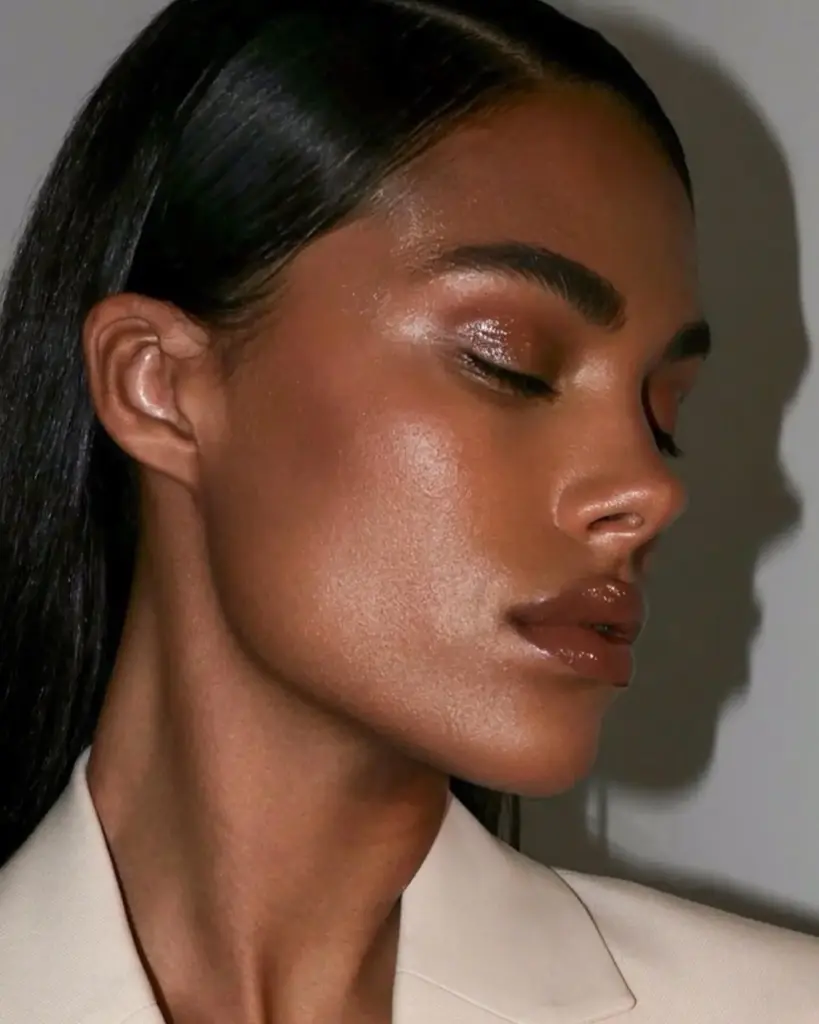
- Shimmers: Containing micro-reflectors, shimmers bounce ambient light across the lid. They excel when tapped into the inner corners of the eye to open up the gaze, applied as a center-lid pop for dimension, or swept delicately across the lid for a luminous, dew-kissed finish.
- Metallics: Offering high-impact, molten reflectivity, metallic formulas deliver maximum drama and are engineered for high-glam evening wear.
5. Mood, Expression, and the Classic "Taupe" Fallback
While technical guidelines provide a sturdy framework, both James and Gardiner agree that makeup ultimately serves as an instrument of personal expression. Rules should be treated as flexible starting points rather than rigid laws.
For those paralyzed by choice or seeking a foolproof everyday signature, Gardiner champions the classic taupe or mauve shade. Striking a delicate balance between a stark neutral and an expressive color, taupe adds sophisticated richness and subtle dimension without appearing intimidating. Mauve variants, in particular, universally flatter almost every eye color, instantly bestowing a modern, high-fashion polish.
Official Statements & Professional Insights
To contextualize the art of eyeshadow selection, we look directly to the methodologies espoused by our leading industry authorities:
"The easiest way to choose an eyeshadow is to consider your skin’s undertone. Warm undertones are beautifully enhanced by bronze, copper, caramel and rich olive shades, while cooler undertones tend to suit taupe, soft plum, charcoal and cool browns. Neutral undertones can wear almost everything… Ultimately, the most flattering eyeshadow is the one that complements the mood you want to create and makes you feel confident."
— Harold James, Celebrity Makeup Artist & L’Oréal Paris Global Makeup Artist"Choosing the right formula prevents your eyes from looking heavy. For example, using a very intense blue on blue eyes can make the iris look flatter instead of enhancing it… If you’re really unsure, a soft taupe is very easy to wear; it adds richness and subtle dimension without looking too colourful or intimidating, while mauve shades flatter almost all eye colours and instantly make the eyes look sophisticated and modern."
— Rasa Gardiner, Senior Director of Global Education at Makeup By Mario
Curated Product Showcase: The Best Eyeshadow Palettes and Formulas
Beyond understanding theory and finish, the quality of your tools dictates the final result. High-performing shadows must offer rich pigmentation, seamless blendability, and long-wearing durability. Below is an expert-curated selection of the market’s premier eyeshadow products to elevate your vanity.
1. L’Oréal Paris Paradise Le Shadow Stick Eyeshadow
- Price: £11.99
- Retailer: Boots
- Overview: A masterclass in convenience and high-performance color. The Le Shadow Stick format is designed for effortless application, gliding smoothly across the lid without requiring intricate brush work. Its creamy, crease-resistant formula offers rich pigment payoff that can be worn softly diffused or built up for intensity, making it an indispensable tool for effortless everyday glamor.
2. Burberry Beauty Eye Quad in Blush Beige No. 03
- Price: £50.00
- Retailer: Burberry
- Overview: The epitome of luxury cosmetics, this curated quad offers an exquisite harmonization of soft, wearable neutral tones. Infused with feather-light textures that blend seamlessly into the skin, the Blush Beige palette caters exceptionally well to neutral and warm undertones, delivering a sophisticated, understated wash of dimension that epitomizes British elegance.
3. Makeup By Mario Ethereal Eyes Eyeshadow Palette
- Price: £69.00
- Retailer: Sephora
- Overview: Developed by master makeup artist Mario Dedivanovic, this cult-favorite palette is engineered to lift, illuminate, and structure the eyes. Featuring a stunning array of matte, metallic, and gloss-finish formulas, it allows users to transition effortlessly from ethereal daytime washes to dramatic evening definition, adhering strictly to the philosophy of high-end texture variation.
4. Patrick Ta Major Dimension Eyeshadow Palette
- Price: £62.00
- Retailer: Cult Beauty
- Overview: Renowned for creating red-carpet perfection, Patrick Ta’s palette bridges the gap between creamy emollients and velvety powders. Designed to give eyes ultimate structural depth, it pairs rich, ultra-blendable matte base shades with wet-look metallic toppers, empowering users to customize their finish and control the level of drama.
5. Natasha Denona I Need A Nude Palette
- Price: £64.00
- Retailer: Sephora / LookFantastic
- Overview: Natasha Denona is internationally celebrated for her peerless pigment chemistry. The I Need A Nude palette is a masterclass in neutral luxury, offering a meticulously calibrated selection of undertone-flattering pink-nudes, taupes, and champagne shimmers that practically blend themselves, ensuring a professional-grade finish for novices and experts alike.
6. VIEVE The Ninetease Palette
- Price: £49.00 (Currently available at select retailers down to £39.20)
- Retailer: Sephora / SpaceNK
- Overview: Channeling the grunge-chic sophistication of the 1990s, founder Jamie Genevieve created the ultimate capsule palette for cool-toned dimension. Packed with rich taupes, moody browns, and effortless mauves, this palette leans heavily into the universal flattering power of sophisticated neutrals, making it an essential addition for modern, sultry eye looks.
Future Outlook: The Next Generation of Eye Makeup Innovation
As the beauty industry continues to evolve at a rapid pace, the future of eyeshadow formulation and selection points toward hyper-personalization and technological integration.
1. Smart Cosmetics and AI Shade Matching
Looking ahead, artificial intelligence and augmented reality (AR) are poised to revolutionize how consumers select eyeshadow palettes. Advanced digital skin-scanning applications will soon evaluate periorbital undertones, iris pigmentation, and facial geometry in real time, instantly generating customized palette recommendations that eliminate retail guesswork.
2. Clean Chemistry and Skincare-Infused Pigments
The boundary between skincare and color cosmetics is dissolving. Future eyeshadow formulations will increasingly incorporate active ingredients such as hyaluronic acid, peptides, and botanical antioxidants directly into the powder and cream matrices. These skincare-infused shadows will actively hydrate the delicate eyelid skin, prevent moisture loss, and smooth fine lines while delivering high-impact chromatic performance.
3. Sustainable and Refillable Luxury
As environmental consciousness drives consumer behavior, the standard for luxury packaging is shifting permanently toward sustainable, modular, and refillable systems. High-end brands are rapidly moving away from single-use plastic palettes, offering magnetic, customizable compacts where users can swap out individual pans of taupe, mauve, or metallic shimmer as they deplete, reducing environmental waste without compromising on professional quality.
In conclusion, mastering eyeshadow is an empowering journey that blends scientific color theory with intuitive self-expression. By understanding your unique undertones, respecting the laws of textural contrast, and investing in high-caliber formulations, you can transform your makeup routine from a daily chore into an effortless art form.