The year 2026 will be remembered as the definitive tipping point when podcasting unapologetically pivoted to video. What began nearly two decades ago as a modest, bootstrap experiment—exemplified by Joe Rogan broadcasting from his makeshift studio—has matured into a high-stakes, multi-billion-dollar audiovisual industry. Today, the traditional boundary between radio-style audio and television broadcasting has all but dissolved, fundamentally altering how creators produce content, how streaming giants compete for consumer attention, and how audiences consume spoken-word media.
This transformation is no longer a fringe marketing strategy; it is the dominant paradigm of modern media consumption. Major digital platforms, streaming titans, and independent creators alike have rushed to adapt, resulting in a landscape where video is not merely an optional companion piece to an audio file, but frequently the primary driver of engagement. Yet, this seismic shift has not occurred without friction. As studios fill with uncomfortable, minimalist furniture and cameras lock onto the faces of hosts and guests, a profound cultural debate has emerged. At its core, the industry is grappling with a central tension: Can the intimate, portable magic of the traditional podcast survive the relentless, screen-obsessed demands of the modern attention economy?
Detailed Chronology: From Rogan’s Webcam to the 2026 Streaming Landgrab
To understand how podcasting arrived at its current audiovisual crossroads, one must trace a trajectory that spans nearly two decades of technological and cultural evolution.
- 2009: The Genesis of Video Podcasting. The foundation of the visual podcast was quietly laid when pioneers like Joe Rogan began pointing consumer webcams at their recording setups. At the time, these video feeds were low-resolution, secondary additions meant primarily for YouTube snippets or dedicated hardcore fans who wanted a behind-the-scenes look at the recording process. The medium remained staunchly rooted in audio.
- The Mid-2010s to 2020: The Rise of the Studio Aesthetic. As advertising dollars poured into the medium, independent shows evolved into professional operations. Production companies began renting dedicated spaces, outfitting them with professional multi-camera setups, dynamic lighting, and carefully curated interior designs. Brands recognized that visual clips traveled infinitely further on social media than raw audio waveforms.
- 2024: YouTube’s US Hegemony. A critical milestone occurred when YouTube officially surpassed traditional dedicated podcast apps to become the preferred podcast platform for consumers in the United States. The platform’s robust recommendation algorithm, combined with a user base already accustomed to long-form video viewing, proved irresistible to creators and audiences alike.
- January 2025: Netflix Enters the Fray. Recognizing that YouTube was successfully capturing traditional television and entertainment turf, Netflix initiated aggressive moves to broadcast video versions of top-tier podcasts. Securing content partnerships with major networks like The Ringer, iHeartMedia, and Barstool Sports, Netflix signaled that video podcasts were direct competitors to conventional television programming.
- 2026: The UK Flips and the Transformation Completes. The structural shift achieved global completion in 2026, when Edison Research data confirmed that YouTube had officially overtaken Spotify as the UK’s preferred podcast platform. In a defensive yet proactive maneuver, Spotify accelerated its own video-hosting capabilities to prevent users from migrating entirely to visual competitors. By mid-2026, the pivot was no longer a trend; it was the baseline operating standard for the industry.
Supporting Context & Metrics: The Platform Wars and Production Realities
The numbers underpinning the 2026 landscape tell a compelling story of platform dominance and shifting consumer habits. For years, Spotify held a commanding grip on audio-first consumption through massive exclusive licensing deals and dedicated platform architecture. However, the sheer gravitational pull of video forced a strategic retreat and subsequent re-tooling.
Platform Market Share Shifts (2024–2026)
- YouTube: Cemented its status as the undisputed heavyweight champion of podcast discovery and consumption, capturing the number one spot in both the US (2024) and the UK (2026).
- Spotify: Transitioned from an audio purist ecosystem into a hybrid platform, heavily investing in video-buffering infrastructure, dynamic visual interfaces, and creator tools to stem user churn.
- Netflix & Traditional Streamers: Leveraged high-production budgets to license or produce studio-grade video podcasts, blurring the lines between talk shows and serialized audio programming.
The Economics of the "Clip"
Beyond platform preference, the economic rationale for video lies almost entirely in discoverability. In an oversaturated market boasting millions of active shows, organic discovery via traditional RSS audio feeds has become notoriously difficult.
Video production unlocks the power of micro-content. Creators can instantly slice a 90-minute conversation into punchy, highly shareable 60-second vertical video clips optimized for TikTok, Instagram Reels, and YouTube Shorts. For independent creators operating on lean budgets, these algorithmic snippets serve as the primary top-of-funnel marketing engine. Without a camera pointed at the studio, acquiring new listeners has become an uphill battle against heavily funded institutional networks.
The Studio Aesthetic and Ergonomic Realities
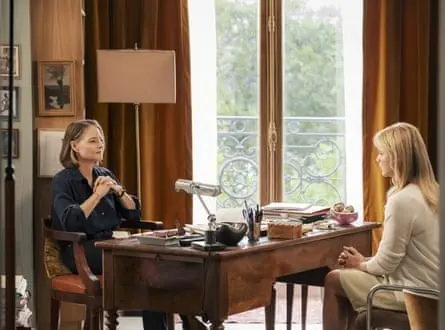
The physical manifestation of this transition has transformed urban creative spaces. Modern podcast studios frequently resemble minimalist architectural showrooms from the late 2000s—featuring plush felt throw cushions, exposed brick, and mid-century modern armchairs.
However, these spaces are frequently optimized for the lens rather than human anatomy. Observers have noted the awkward ergonomics forced upon hosts, who must constantly swivel their bodies between their conversational partners and fixed studio cameras. This physical strain is emblematic of a broader existential split: creators are increasingly performing for two distinct audiences simultaneously—the person sitting across the desk and the disembodied camera lens staring down from the tripod.
Official Statements & Industry Perspectives
Industry leaders, network executives, and veteran creators hold deeply divergent views on the long-term implications of the audiovisual shift.
The Pro-Video Argument: Engagement and Reach
Proponents of the video pivot argue that refusing to embrace visual media is commercial suicide in a hyper-visual digital ecosystem. Speaking on the strategic integration of video assets, senior network strategists emphasize transparency and human connection.

"Audio gives you intimacy, but video gives you presence. When audiences can see the micro-expressions, the shared glances, and the authentic physical reactions of a host, the bond of trust deepens exponentially. We aren’t abandoning audio; we are expanding the emotional bandwidth of the story."
— Anonymous Media Network Executive
Advocates point to specific genres—most notably comedy and cultural commentary—where visual cues are inseparable from the humor. When comedy duos like Elis James and John Robins engage in fiery debates, witnessing the visceral, tomato-red physical manifestation of frustration or outrage elevates the comedic experience far beyond what an audio feed alone can achieve. Similarly, cultural and historical podcasts (such as The Rest is History) have begun weaving archival stills, moving footage, and primary source documents directly into the visual stream, transforming casual listening sessions into dynamic multimedia documentaries.
The Purist Critique: The Dilution of Intimacy
Conversely, traditionalists and purists mourn the gradual erosion of audio-first purity. Critics argue that forcing every conversational format into a video frame fundamentally misunderstands why audiences fell in love with podcasting in the first place.
"Podcasts have always occupied a sacred, screen-free sanctuary in our daily lives. They live in our ears while our hands are busy—at the gym, on the morning commute, or washing the dishes. The moment a creator starts relying on physical gesticulation, visual gags, or unspoken studio inside-jokes that leave the audio listener in the dark, the medium breaks faith with its core audience."
— Media Critic and Cultural Commentator
Furthermore, critics highlight a persistent production flaw: many audio-native creators lack formal television training. When forced to think about lighting, framing, and lens-contact, their natural conversational cadence can stutter. The resulting product often resembles a bargain-basement, daytime television talk show rather than the effortless, organic conversations that initially defined the medium.
Future Outlook: Navigating the Audiovisual Horizon
As the industry looks past the turbulence of 2026, the trajectory of podcasting is clear: there is no turning back the clock. The hybrid audio-visual model is the permanent new baseline. However, the coming years will likely force a maturation in how creators balance these dual mediums.
1. Specialization Over Universal Adoption
Not every podcast needs a multi-camera studio setup. Narrative investigative journalism, deeply atmospheric true crime, and meditative soundscapes will likely double down on pure audio, marketing their screen-free nature as a luxury feature in a hyper-stimulated world. Conversely, chat-based, interview, and comedy formats will continue to refine their television-grade production pipelines.
2. The Algorithmic and AI Pressure Cooker
As traditional video formats settle into maturity, creators face an even more disruptive frontier: the rise of generative AI-driven audio and video content. While human-hosted video podcasts require immense physical coordination and capital investment, the looming specter of synthetic, AI-generated programming means that authentic human presence—visible through facial expressions, spontaneous laughter, and real-time physical interaction—will become a premium differentiator.
3. Redefining Accessibility for the Hybrid Audience
A critical challenge for 2027 and beyond will be bridging the gap between visual and non-visual consumers. Production teams will need to master the art of "audio description" within natural dialogue, ensuring that physical occurrences in the studio are verbally acknowledged for the listener walking down the street, while simultaneously satisfying the high-definition visual demands of the YouTube and Netflix viewer.
Ultimately, while purists may occasionally sigh at the omnipresence of studio cameras and ring lights, the medium’s underlying vitality remains intact. Podcasting has always been defined by its adaptability and its fierce intimacy. Whether experienced through an earbud on a crowded subway or watched in 4K resolution on a living room television, the core human desire for compelling, long-form conversation remains the unstoppable engine driving the revolution forward.