
By Carleigh Ferrante
Senior Commerce Editor
April 25, 2026
Executive Overview
For decades, the cultural narrative surrounding sexual lubricants has been plagued by unnecessary stigma. Far too often, society has framed the use of lube as an admission of physical failure, an indicator of declining sexual health, or a sign that a partner is simply "not turned on enough."
However, a cultural and scientific shift is currently underway. Modern sexologists, dermatologists, and intimate wellness experts are working tirelessly to dismantle these outdated myths, championing personal lubricants not as medical fixes for dysfunction, but as essential tools for optimizing pleasure, eliminating friction, and enhancing overall sexual well-being.
Amid this changing landscape, botanical and oil-based formulations—exemplified by products like Woo More Play’s Coconut Love Oil—have emerged as consumer favorites. Moving away from synthetic, paraben-heavy drugstore formulas of the past, today’s intimacy market prioritizes clean, skin-nourishing ingredients.

This comprehensive report explores the physiological realities of vaginal dryness, examines the clinical data backing the benefits of regular lubricant use, evaluates the shift toward clean beauty in the bedroom, and provides an insider’s review of a standout product currently capturing market attention.
Detailed Chronology: The Evolution of Intimate Lubrication
To understand how the market arrived at advanced, organic intimate oils, it is helpful to trace the evolution of how society—and the wellness industry—has approached sexual comfort over the years:
- The Era of Synthetic Preservatives (Late 20th Century): For decades, commercial lubricants were dominated by petroleum jelly, silicones, and water-based gels laden with parabens, glycerin, and artificial fragrances. While effective for basic slippage, these formulations frequently disrupted vaginal pH, caused irritation for sensitive users, and left behind an unpleasant, sticky residue.
- The Rise of Sexual Literacy (Early 2010s): As sex-positive education gained mainstream momentum via digital platforms, consumers began questioning the ingredients they applied to their most sensitive areas. The conversation shifted from mere functionality to holistic body safety, sparking the demand for hypoallergenic and paraben-free alternatives.
- The Clean-Beauty Convergence (2020–2024): The broader clean-beauty movement inevitably crossed over into sexual wellness. Brands began formulating intimate care items with the same rigorous ingredient standards applied to facial serums and body lotions. Organic coconut oil, jojoba oil, and natural beeswax transitioned from kitchen DIY remedies into professionally formulated, shelf-stable luxury products.
- The Destigmatization Movement (2025–Present): Today, lubricants are increasingly recognized as standard wellness accessories rather than clinical necessities. Editorial coverage, expert advocacy, and targeted sales events—such as current brand promotions offering up to 30% off natural formulations—have driven widespread consumer adoption, normalizing lube as a staple on nightstands everywhere.
Supporting Context & Metrics: The Science of Arousal and Discomfort
Discomfort, pain, and dryness during sexual activity are remarkably common, yet they remain under-discussed due to lingering cultural shame. Clinical data underscores just how widespread these experiences are:
The Prevalence of Pain and Dryness
According to clinical research published in the Journal of Sexual Medicine, approximately 30% of women report experiencing pain or discomfort during sexual intercourse. This physical friction can stem from a variety of everyday factors, including:

- Hormonal Fluctuations: Shifts associated with the menstrual cycle, postpartum recovery, contraception use, and perimenopause/menopause.
- Dehydration and Lifestyle Stress: High cortisol levels, systemic dehydration, and fatigue significantly impact natural lubrication production.
- Arousal Non-Concordance: A crucial physiological concept highlighted by sexologists, arousal non-concordance refers to the mismatch between psychological desire and physical response.
Arousal Non-Concordance Explained
"How wet you are is not a measure of your arousal, contrary to popular belief," notes Natassia Miller, sexologist and founder of Wonderlust. "When this happens, it’s called arousal non-concordance—and it’s very common."
In short, a person can be entirely mentally engaged, aroused, and eager for intimacy while their body’s natural physiological response lags behind. Relying on an outside lubricant bridges this gap instantly, preventing micro-tears, eliminating discomfort, and keeping the mind anchored in the pleasure of the moment rather than distracted by friction.
The Orgasm Connection
Clinical studies focusing on sexual well-being indicate that the regular integration of lubricants does more than simply reduce pain—it actively enhances climax potential. Research demonstrates that individuals who incorporate high-quality lubricants into their sexual routines report significantly higher rates of orgasmic satisfaction and overall sexual fulfillment.
Official Statements and Expert Perspectives
The shifting consensus among certified sex educators points toward a universal embrace of intimate oils. Leading voices in the field emphasize that lube should be viewed as an upgrade to the sexual experience, not a last resort.

"Lube not only reduces friction and pain, it increases pleasure. When women use lube in any sexual activity, they are significantly more likely to orgasm! It’s a great way to heighten sensation and spice things up."
— Natassia Miller, Sexologist & Founder of Wonderlust
Furthermore, medical professionals note that switching to clean-ingredient oils can drastically reduce instances of bacterial vaginosis (BV) and yeast infections that are frequently triggered by glycerin-heavy, sugar-containing synthetic gels.
By utilizing lipid-rich oils that mimic the skin’s natural moisture barrier, users protect delicate tissue while amplifying tactile sensitivity.
Product Spotlight: An Insider’s Review of Woo More Play’s Coconut Love Oil
Against this backdrop of heightened consumer awareness, finding a reliable, skin-friendly oil can transform an intimate routine. Among the frontrunners in the natural lubricant market is Woo More Play’s Coconut Love Oil, a formulation that has gained traction for its clean ingredient deck and sensory performance.
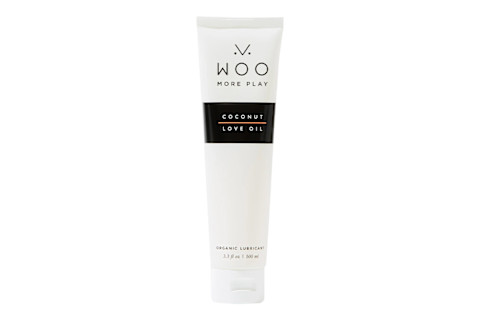
1. Ingredient Integrity
A quick scan of the label reveals a stark contrast to traditional drugstore alternatives. The formula centers on:
- Organic Coconut Oil: Deeply moisturizing and rich in fatty acids.
- Organic Beeswax: Provides structural stability and helps the product stay in place without excessive runniness.
- Jojoba Oil: Closely mimics the skin’s natural sebum, ensuring high compatibility and rapid absorption.
- Water & Vanilla Essence: Imparts a subtle, pleasant aroma without harsh artificial perfumes.
2. Texture and Performance
The physical experience of using the product defies the stereotypes of sticky, tacky lubricants. The consistency is silky smooth and lightweight. Because it is nutrient-dense, a little goes a long way; a nickel-sized amount is typically sufficient to initiate intimacy without requiring constant reapplication.
Furthermore, the delicate, dessert-like vanilla aroma adds a layer of sensory delight without being cloying or overpowering.
3. Multipurpose Versatility
Beyond partnered intercourse, the oil shines in solo play scenarios—pairing exceptionally well with personal massagers and vibrators (such as devices from brands like Maude). Additionally, its skin-softening properties allow it to double seamlessly as a sensual massage oil. Because the skin readily absorbs the natural coconut and jojoba oils, the post-intimacy cleanup requires no frantic scrubbing or washing; the residual oils simply act as a nourishing body moisturizer.
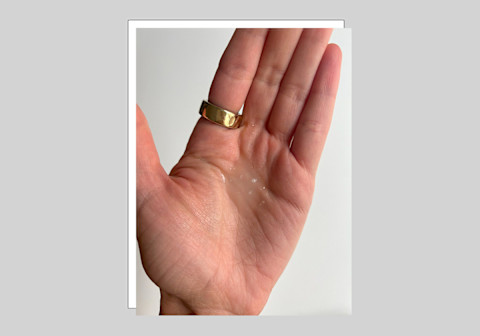
Important Safety Note: Because oil-based lubricants can degrade latex, Coconut Love Oil should not be used in conjunction with latex condoms. Users relying on barrier methods for STI prevention should opt for water- or silicone-based alternatives.
Future Outlook: Where Intimate Wellness Is Headed
As the cultural stigma surrounding sexual health continues to dissolve, the future of the intimate care market looks increasingly transparent, inclusive, and science-backed. Consumers are no longer willing to settle for generic, chemical-laden products hidden on the bottom shelves of pharmacies.
Instead, brands are expected to continue leaning into transparent sourcing, sustainable packaging, and skin-first formulations that treat intimate skin with the same respect as facial skincare.
For those who have hesitated to incorporate lubricants into their intimate lives, current market accessibility—highlighted by seasonal promotions and educational content from certified experts—offers an ideal entry point. Whether utilized to combat occasional dryness, enhance solo pleasure, or simply elevate the sensations of partnered intimacy, high-quality botanical oils prove that investing in sexual comfort is an essential pillar of overall wellness.