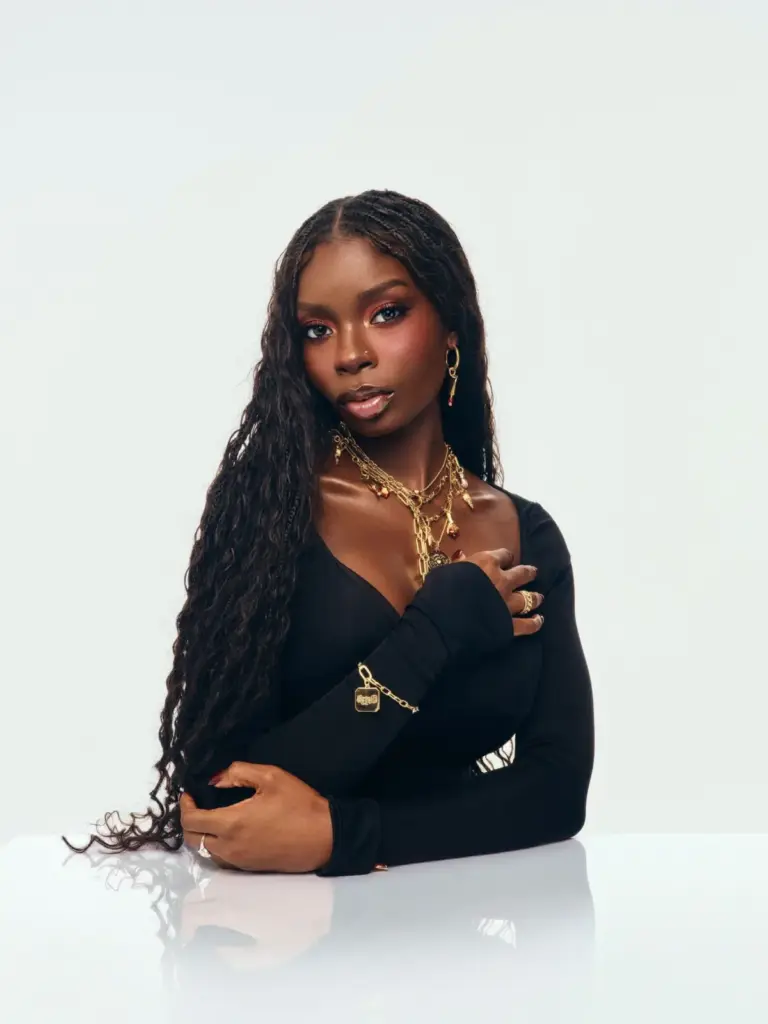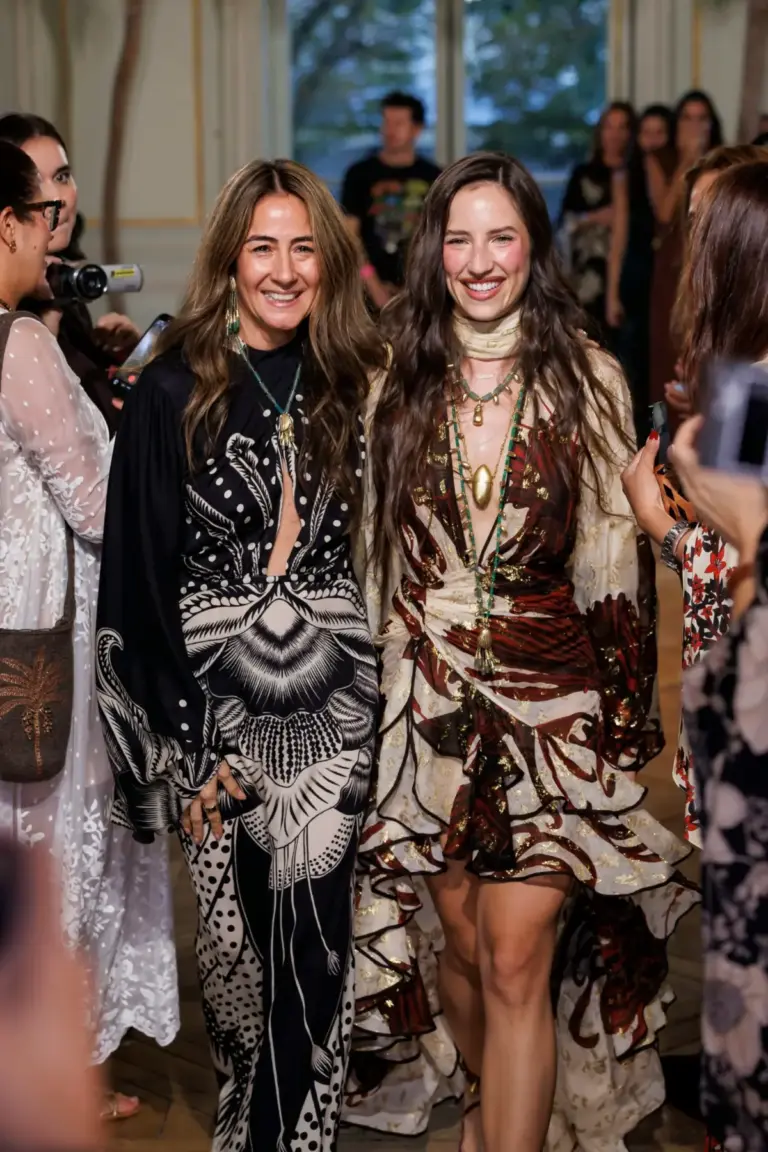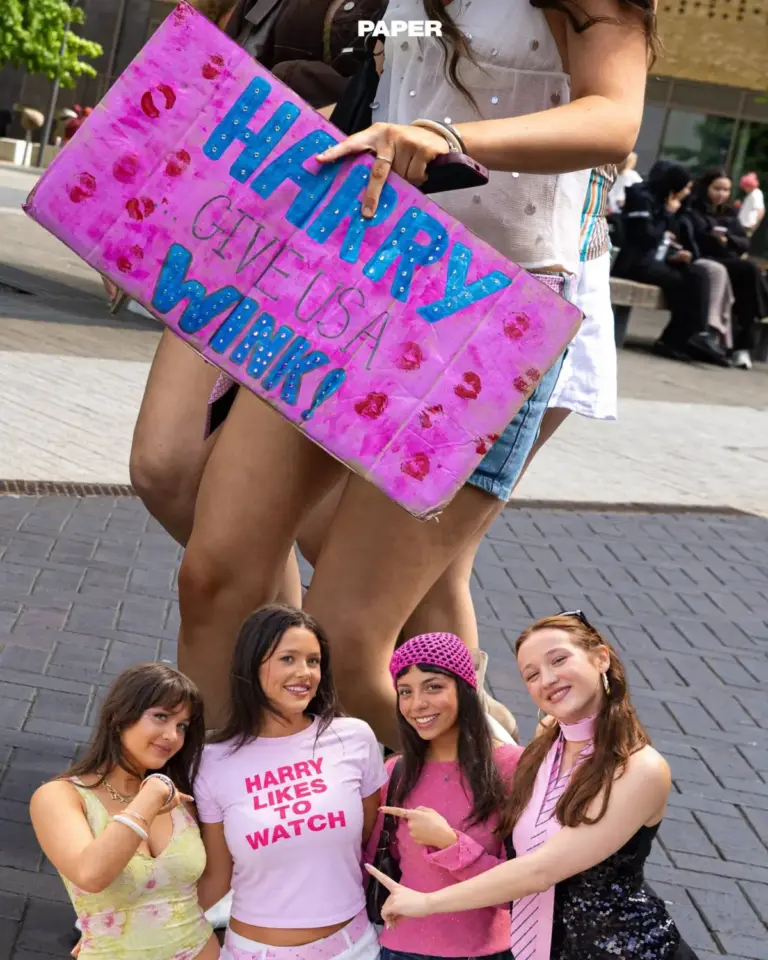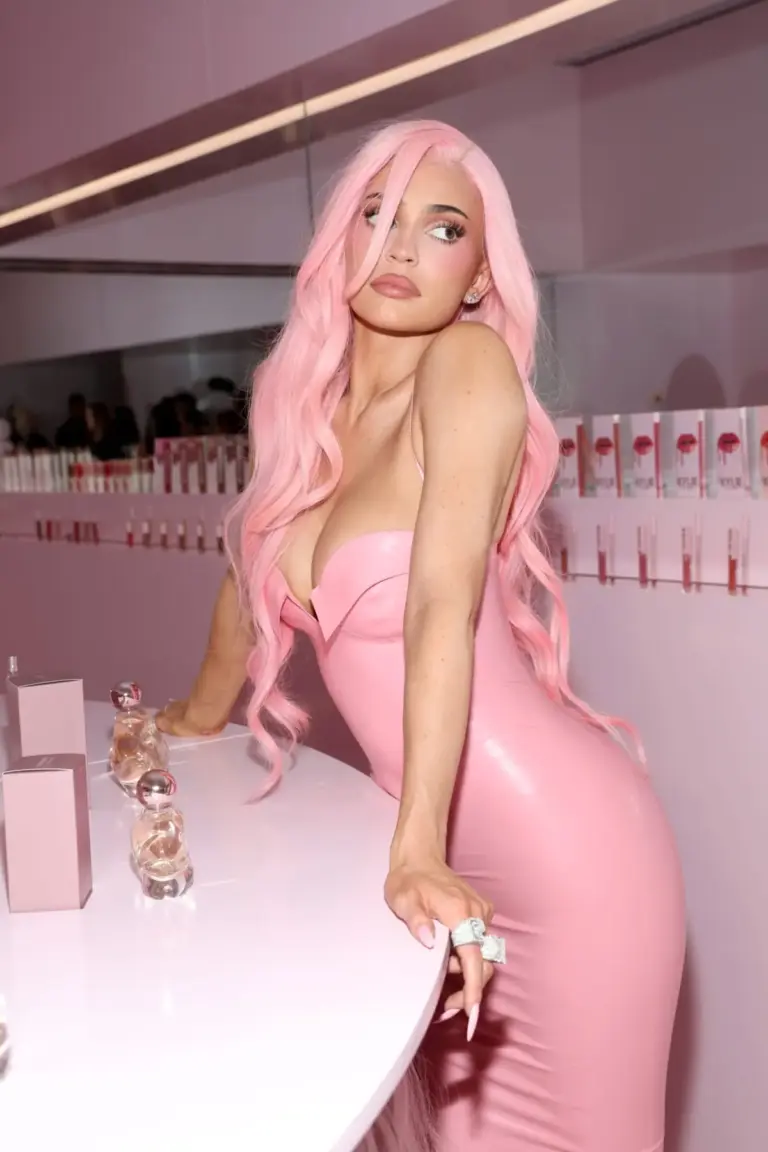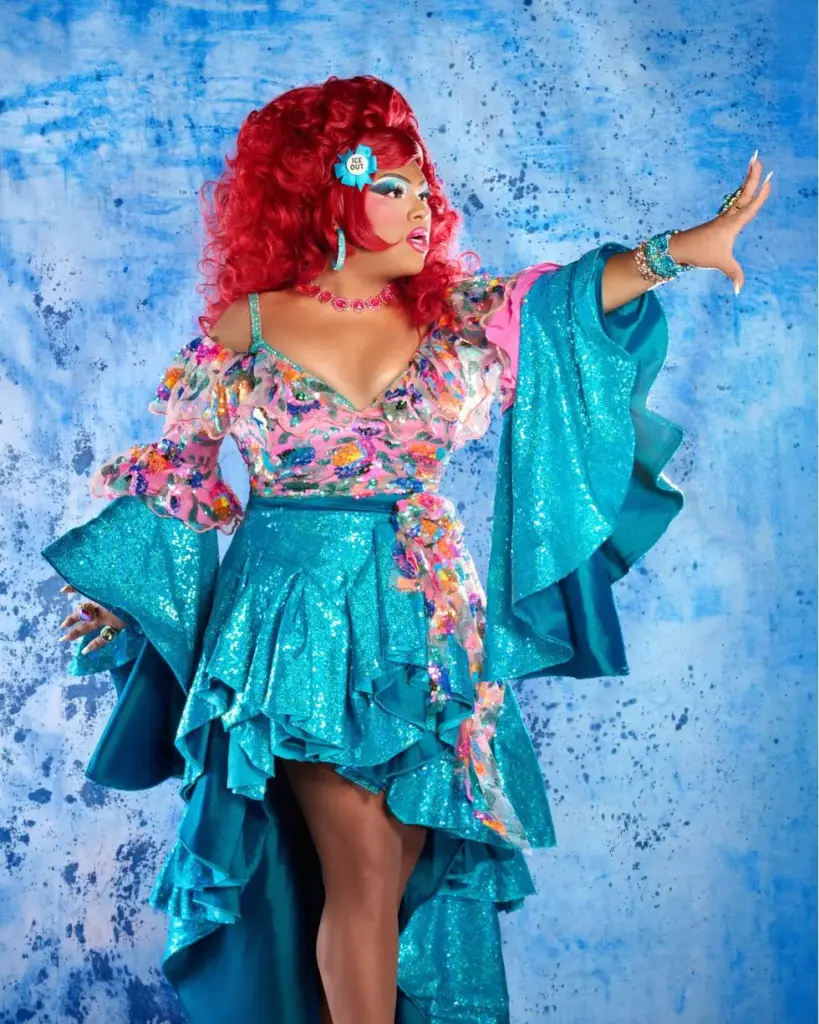
For its monumental Pride 2026 issue, PAPER magazine has orchestrated a cultural summit that bridges generations, genres, and the very concept of identity itself. Centered around legendary filmmaker, provocateur, and self-proclaimed "Pope of Trash" John Waters, the publication brought together a sprawling roundtable of modern creative royalty. From comedy icon Margaret Cho and reality television pioneer Chrishell Stause to drag superstars Symone and Lushious Massacr, alongside a rising vanguard of pop artists including Grant Knoche, Madison Bailey, Mad Tsai, Alicia Creti, and Eli, this year’s cover story is nothing short of a family dinner at the table of contemporary culture.
The underlying thesis of this year’s gathering is a direct challenge to homogenized assimilation. Rather than celebrating a sanitized, corporate-friendly version of Pride, PAPER’s 2026 feature looks backward to the grit of the 1960s liberation movements and forward into a polarizing, hyper-online digital landscape. Waters, whose career spans six decades of defining artistic sensibilities for straight and gay audiences alike, anchors the issue with his trademark irreverence. Throughout the feature, the iconic director dismisses the reductive labeling of "gay cinema" in favor of radical artistic singularity, setting a tone for a constellation of artists who refuse to flatten their humanity for public consumption.
Detailed Chronology: From the Fringes to the Cultural Forefront
To understand the weight of PAPER’s 2026 Pride gathering, one must trace the winding historical lineage of queer counterculture that brought these figures into the same room.
The Antecedents of Insurgency
In the early days of the gay liberation movement, figures like John Waters were not marching in corporate-sponsored parades; they were navigating the volatile underground of Washington drag balls, dodging police repression, and finding community among outcasts, criminals, and bohemians. Recalling his early days at protests, Waters remarks on the raw, unpredictable nature of 1960s uprisings—environments defined as much by danger and "girls with knives" as they were by nascent political organizing.
For veterans of the counterculture like Margaret Cho, who grew up working in her parents’ gay bookstore in San Francisco, the normalization of queer life was a foundational reality that contrasted sharply with a hostile mainstream society. Yet, as the decades progressed, the movement fractured, commercialized, and expanded. What was once a localized riot for survival evolved into a month-long global phenomenon, a structural shift that veterans like Waters view with a mixture of amusement and detachment ("It’s a month? Just because it’s gay doesn’t mean I like it").
The Evolution of Digital and Generational Queerness
The chronological arc of this feature bridges the gap between pre-Stonewall radicals and Gen-Z digital natives. Artists like Grant Knoche, who transitioned from the hyper-structured child pop-stardom of KIDZ BOP to independent bisexuality, and Mad Tsai, whose online observations frame a deeply intimate relationship with AAPI and queer identity, represent a digital-age renaissance.
Similarly, breakout star Alicia Creti navigated the complexities of neurodivergence, protective caregiving for her autistic brother Luca, and coming out in her twenties. These trajectories outline a modern chronology where coming out is no longer a singular, linear milestone, but a continuous, often digital-first unmasking of self.
Supporting Context & Metrics: The State of Modern Pride
The PAPER 2026 Pride feature arrives at a precarious sociopolitical crossroads. Statistics and cultural indicators reveal a community caught between unprecedented mainstream visibility and severe institutional backlash.
- Legislative and Judicial Backlash: As noted by roundtable participants like Margaret Cho and Chrishell Stause, the contemporary legal landscape—marked by Supreme Court compromises and aggressive legislative attacks on transgender rights—poses an existential threat to marginalized communities.
- The Trans-Led Revolution: Waters and multiple cover stars point to the modern trans rights movement as the true contemporary "sexual revolution." Unlike the decades-long institutional crawl of early gay rights, the trans movement’s rapid visibility among younger demographics has sparked intense cultural shifts, making even veterans of counterculture nervously excited.
- The Danger of Assimilation: A recurring metric of discontent within the roundtable is internal community stratification. Artists across the board expressed deep frustration with respectability politics—the desire of "normal" or mainstream factions within the LGBTQ+ community to distance themselves from trans individuals and non-conformists in pursuit of conservative approval.
Official Statements & Roundtable Insights
The heart of PAPER’s 2026 cover story lies in the unvarnished, often contradictory dialogues shared among its cover stars.
John Waters on Singularity and the "Radical Middle"
True to form, John Waters rejected easy categorizations, positioning himself outside the conventional partisan binaries of modern politics:
"That’s why I’m not left or right. They both are dreary now. They’re both woke. I’m a radical middle."
On his legendary career and the reception of his transgressive cinema, Waters noted that he never felt genuinely misunderstood by the audiences that mattered:
"From the very first time I ever showed a movie, people came… I was never misunderstood. People understood. The right people understood exactly what I was doing."
Lushious Massacr and Margaret Cho on Systemic Power
Drag icon Lushious Massacr brought a sharp, systemic critique to the table when asked about who needs "dragvestigating" in contemporary society:
"I’m tired of people in positions of power. They’re so uninteresting and unintelligent. We need to give power to those who have never had it. In the name of fairness and balance, I think it’s time to switch it up and give it to someone who’s actually kind and cares for others."
Margaret Cho echoed these sentiments regarding community unity, issuing a sharp rebuke to infighting and the exclusion of transgender individuals:
"The way some parts of our community want to separate from other parts… really bother me. We are nothing without the trans community. We need to stick together."
Chrishell Stause and Symone on Boundaries and Resilience
Reality television trailblazer Chrishell Stause reflected on the hard-won confidence that comes from public scrutiny and personal loss:
"If you are surrounded by people intent on misunderstanding you, you need to stop trying to explain yourself and leave… I had a year where I lost everything that I cared about to death and divorce. Ever since that year, nothing seems insurmountable."
Symone, celebrated as a vanguard of modern drag excellence following her star turn in Stop! That! Train!, emphasized the necessity of self-preservation and vulnerability:
"It’s okay to ask for help… I still have a very hard time feeling totally myself. Drag has definitely helped me tremendously in this regard, but it’s still hard for me to move through this world being 100% me."
Future Outlook: The Next Era of Queer Artistry
As PAPER’s 2026 Pride feature demonstrates, the future of queer culture does not lie in sanitized conformity or corporate-mandated checklists. It resides in the hands of the "recruits" John Waters speaks of—the young artists, creators, and provocateurs who are redefining what it means to take up space.
The intersection of neurodivergence, racial identity, digital expression, and trans-led liberation points toward a future that is simultaneously more inclusive and fiercely protective of its eccentricities. Artists like Eli, Madison Bailey, and Alicia Creti prove that the modern creative mandate is to strip away the cages of societal expectation, decenter oppressive norms, and embrace the raw, unfiltered truth of individual singularity.
Ultimately, PAPER’s Pride 2026 cover story serves as both an archive of a changing world and a battle cry for the future. Whether through the lens of John Waters’ 60-year cinematic insurrection or Lushious Massacr’s declaration that "we are all QUEER," the message is clear: survival requires community, art requires risk, and Pride will always belong to the outsiders.