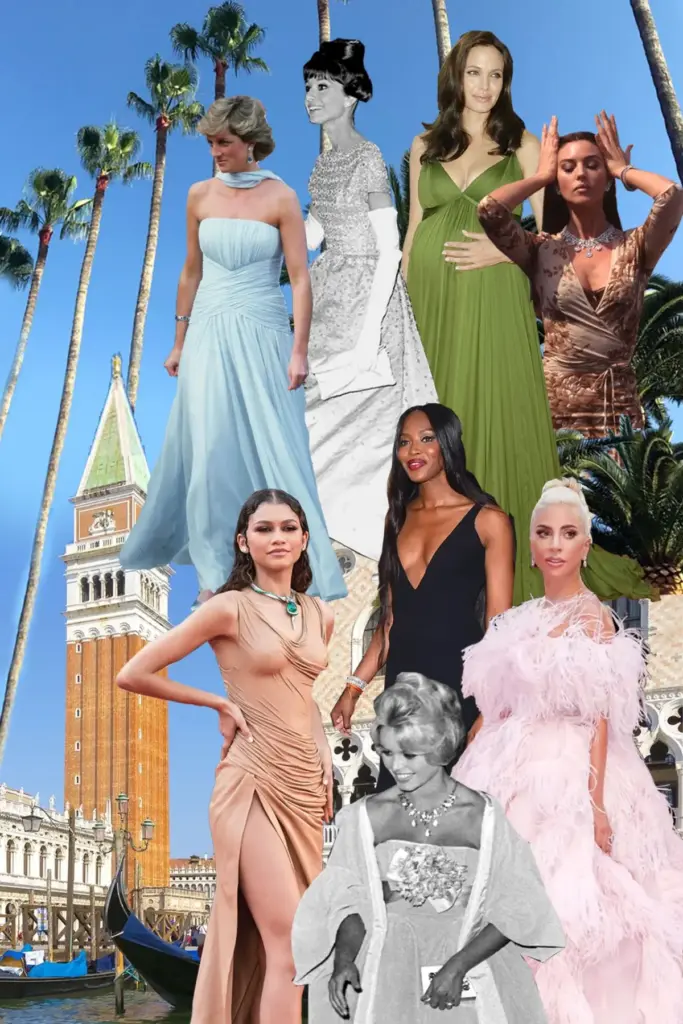
For nearly a century, the cinematic universe has turned its eyes toward two titans of the European film festival circuit: the Cannes Film Festival and the Venice Film Festival. Though Venice holds the distinction of being the senior institution—having first opened its doors on the terrace of the Hotel Excelsior on the Lido in 1932—it has historically played a more understated, dignified counterpart to its flashier, more rebellious younger sibling on the French Riviera.
While Cannes burst into the post-World War II landscape in 1946 with a cacophony of celebratory fireworks, torchlit parades, fashion shows, and the crowning of its first Miss Festival, Venice cultivated a quieter, more introspective environment. Over the decades, this dichotomy has evolved into two distinct cultural philosophies. Cannes operates as a high-octane marketing machine, a high-stakes arena for jewelry sponsorships, brand partnerships, and sensationalized red-carpet shock value. Venice, by contrast, relies on the effortless allure of la dolce vita, favoring relaxed sophistication, water-taxi arrivals in micro-shorts, and an atmosphere where cinematic prestige takes precedence over corporate pageantry.
As the industry looks ahead to the 2026 festival season, the contrast between these two cinematic capitals offers a fascinating study in how global film culture, high fashion, and celebrity image-making intersect. From historical origins and legendary fashion moments to the modern-day role of the Lido as a critical runway preview circuit, this report explores how Venice has successfully carved out its own unique, enduring identity in the shadow of the Riviera.
Detailed Chronology: The Evolution of Two Cinematic Giants
1932–1946: The Birth of the Lido and Post-War Rebirth
The Venice Film Festival was inaugurated on August 6, 1932, conceived by Count Giuseppe Volpi di Misurata as the Esposizione Internazionale d’Arte Cinematografica. Stated on the breezy terrace of the Hotel Excelsior, the event was pioneering, yet its momentum was violently interrupted by the onset of the Second World War. First mooted on an international scale in 1939, the festival suffered repeated cancellations as geopolitical tensions boiled over into global conflict.
When peace finally returned to Europe, the cultural landscape demanded an outlet for all-out motion-picture magic. Cannes stepped into this void in 1946, launching its inaugural festival with an explosive display of pageantry. Doves were released dramatically into the azure skies above the Croisette, accompanied by fireworks, maritime parades, flower competitions, and the election of the very first Miss Festival. Cannes aggressively staked its claim on the post-war entertainment landscape, establishing a blueprint for celebrity-driven glamour that would soon draw silver screen doyennes such as Sophia Loren, Grace Kelly, and Brigitte Bardot. While Cannes transformed into a bustling, sun-drenched carnival of cinema, Venice quietly watched from the sidelines, nursing its historical roots and refining its more contemplative curation.
The 1950s–1990s: The Era of the Bombshell and Red-Carpet Spectacle
As the decades progressed, both festivals cultivated distinct approaches to star power. Cannes became the undisputed epicenter for jaw-dropping, headline-generating fashion milestones. No cinematic historian can look back without noting Madonna’s paradigm-shifting appearance in Jean Paul Gaultier’s iconic cone bra in 1991, or Milla Jovovich’s frantic red-carpet moments for The Fifth Element in 1997.
Similarly, the festival’s strict historical dress codes—harking back to the high-rolling resort casinos of the French coast—frequently clashed with modern rebellions. Every instance of an A-list actress (such as Julia Roberts, Kristen Stewart, or Jennifer Lawrence) shedding her heels to walk barefoot or sporting casual footwear triggered paroxysms in the international press.
Venice, however, remained immune to such theatrical friction. The Lido never experienced controversies over heel heights or minimalist footwear. Instead, actors arrived via sleek water taxis, embodying an effortless Italian elegance. Amal Clooney stepping off a boat in sharp micro-shorts, or Timothée Chalamet transitioning seamlessly from afternoon leisure wear in leather pants to a striking red halter-neck Haider Ackermann creation on the red carpet, highlighted a festival culture centered on personal style rather than corporate provocation.
2018–Present: The Modern Era of Fashion Previews and Blockbuster Debuts
In recent years, Venice has successfully reasserted its dominance as an essential autumn calendar fixture, acting as both an awards-season bellwether and an influential runway preview. The 2018 festival exemplified this shift when Lady Gaga arrived for the premiere of A Star Is Born. Eclipsing traditional avant-garde theatrics, she emerged in a feathered fashion chrysalis of baby pink Valentino plumes. When a sudden downpour threatened to ruin the moment—followed shortly by a literal bolt of lightning that caused a brief theater blackout—Gaga leaned into the drama, cementing her transition into a bona fide movie star amid an eight-minute standing ovation.
The Lido has also become a platform for navigating modern celebrity drama with sartorial poise. At the 2022 festival, Florence Pugh masterfully handled off-screen tensions surrounding Don’t Worry Darling by spending her afternoon sipping Aperol spritz in custom Valentino couture, turning a potential PR disaster into an iconic fashion masterclass.
Supporting Context & Metrics: The Business of Festival Fashion
While the cultural narratives of Cannes and Venice are shaped by red-carpet moments, the underlying mechanics of both festivals reveal a sophisticated financial and industrial ecosystem.
Sponsorship and Brand Integration: Cannes operates as a primary nexus for high-end jewelry and luxury conglomerates. Partnerships with houses like Chopard—which notoriously presented Elizabeth Hurley’s eponymous swimwear line at Nikki Beach in 2006—illustrate the festival’s deep integration with commercial brand marketing. Venice, conversely, leans heavily into its artistic heritage, allowing the natural splendor of la dolce vita to market itself without overt commercial shouting.
The "Super September" Runway Circuit: Venice occupies a crucial calendar slot just weeks before the global fashion weeks commence. It has effectively transformed into an exclusive preview arena for the world’s leading creative directors. Recent editions have seen major design debuts road-tested by Hollywood royalty:
Jacob Elordi debuting Louise Trotter’s early visions for Bottega Veneta.
Julia Roberts showcasing Dario Vitale’s fresh direction for Versace.
Ayo Edebiri premiering Matthieu Blazy’s evolving codes for Chanel.
Greta Lee highlighting Jonathan Anderson’s work for Dior.
Global Media Impact: Statistical analyses of earned media value (EMV) consistently show that while Cannes generates higher volume through sheer mass attendance—encompassing supermodels, reality television stars, pop artists, and influencers—Venice commands a higher conversion rate of prestige-driven digital engagement. The average dwell time for editorial coverage surrounding Venice red-carpet looks tends to skew older, wealthier, and more deeply aligned with luxury fashion acquisition.
Official Statements and Industry Perspectives
The enduring rivalry and symbiotic relationship between the two festivals frequently prompt commentary from industry insiders, festival directors, and cultural critics.
Alberto Barbera, the long-standing artistic director of the Venice Film Festival, has frequently emphasized the distinct mission of the Lido event compared to its French counterpart:
"Venice is not about competing with the scale or the commercial machinery of Cannes. Our goal has always been to provide a rigorous, highly curated platform where cinema is treated as high art, framed by an atmosphere of timeless Italian elegance. We do not chase spectacle; we invite the world to share in the rhythm of our culture."
Fashion historians and celebrity stylists frequently note the psychological shift actors experience when transitioning from the spring chaos of Cannes to the late-summer exhale of Venice. As one prominent Hollywood stylist remarked on condition of anonymity:
"By the time Venice rolls around at the end of August, everyone in the industry is exhausted from the summer circuit. There is an audible sigh of relief. Actors arrive with deep tans, relaxed shoulders, and a genuine desire to enjoy Italian hospitality. The fashion reflects that—it’s more personal, less guarded, and infinitely more sophisticated."
Future Outlook: Looking Ahead to the 2026 Festival Circuit
As the festival landscape prepares for its upcoming iterations, the 2026 Venice Film Festival promises to bridge the gap between classic Hollywood myth-making and contemporary cultural phenomena.
Despite initial industry chatter regarding the scheduling of major awards contenders, the 2026 lineup boasts a formidable roster of talent. Highlights include Dakota Johnson stepping into the cinematic ether to portray Marilyn Monroe in Maggie Gyllenhaal’s highly anticipated Flesh Impact; Penélope Cruz reuniting with husband Javier Bardem for Florian Zeller’s psychological drama Bunker; and the much-discussed arrival of the Gallagher brothers to premiere their latest family-anchored Oasis documentary.
Furthermore, with recent seismic shifts in the luxury fashion houses—such as Nicole Kidman’s recent announcement regarding Pieter Mulier’s transformative vision for Versace—all eyes are firmly fixed on the Venice red carpet to catch the second wave of these vital design previews before they officially hit the spring/summer runways.
Whether Venice will completely eclipse the raw commercial spectacle of Cannes remains unlikely; however, that is precisely the point. By maintaining its commitment to understated luxury, artistic integrity, and effortless Italian romance, the Venice Film Festival has secured its position not merely as Cannes’ older sibling, but as the undisputed sanctuary of modern cinematic sophistication.