The global fashion landscape is rarely defined by quiet transitions; instead, it thrives on dramatic narrative arcs, unexpected pairings, and high-stakes reinventions. In a move that has sent shockwaves through the contemporary and heritage retail sectors, rising design star Aaron Esh has officially stepped into the role of Chief Creative Officer at AllSaints. Known for helming one of London’s most talked-about, celebrity-adored independent labels—with a clientele boasting Gen Z and millennial icons like Zendaya and Lila Moss—Esh now faces the ultimate test of commercial and creative scalability: resurrecting a global high-street titan.
AllSaints, a brand synonymous with the gritty, rock-and-roll cadence of early-2000s indie sleaze, dark color palettes, and ubiquitous leather biker jackets, has spent the last decade searching for a cohesive forward-facing identity. Enter Esh, whose debut Fall/Winter 2026 collection for the brand has just dropped, setting a new benchmark for the label. Encompassing men’s and women’s ready-to-wear as well as a meticulously curated range of accessories, this inaugural line does not discard the brand’s storied past; rather, it supercharges it. By weaving his signature Savile Row-inspired tailoring and sharp, youthful London attitude into the very fabric of AllSaints’ DNA, Esh is attempting something extraordinarily difficult: honoring a 30-plus-year archival history while rendering it fiercely relevant for a modern, discerning consumer base.

This comprehensive overview explores the structural, cultural, and aesthetic mechanics of Aaron Esh’s takeover. Through a detailed analysis of the FW26 collection—featuring standout items like the Effie Wool-Blend Cocoon Coat, the Roiya Leather Huntington Jacket, and the Lutece Fold Leather Shoulder Bag—we examine how a cult-favorite independent designer is pivoting to mass-market luxury without losing his underground edge. Backed by strategic marketing initiatives, including a collaborative zine titled The Ram and a visual campaign lensed by Alasdair McLellan, this is the definitive anatomy of a brand turnaround.
Detailed Chronology: From East London Independence to High-Street Stewardship
To understand the magnitude of Aaron Esh’s appointment at AllSaints, one must trace the trajectory of his meteoric rise within the British fashion ecosystem. Esh did not take the traditional, well-trodden corporate design route. Instead, he carved out his namesake label in the crucible of London’s underground creative scene, quickly earning critical acclaim for his ability to merge the rigid structures of traditional British tailoring with the relaxed, utilitarian uniform of the modern youth.

The Rise of Aaron Esh
Operating out of the capital, Esh’s eponymous label became synonymous with subverted masculinity and eveningwear codes adapted for the everyday. His garments—characterized by bias cuts, structured shoulders, and an effortless, lived-in sensibility—caught the attention of the industry’s elite tastemakers. When high-profile talents like Zendaya and Lila Moss began stepping out in his designs, Esh transitioned from a darling of the fashion underground to a globally recognized name to watch.
However, running an independent label in a post-pandemic economic climate comes with acute structural limitations. The leap from operating a boutique, high-concept indie brand to stepping into the C-suite of a global retail chain like AllSaints represents a fundamental shift in scale, supply chain logistics, and brand vision.

The AllSaints Legacy and the Need for Renewal
Founded in 1994, AllSaints quickly established itself as a revolutionary force on the British retail landscape. Named after All Saints Road in Notting Hill, the brand was initially celebrated for its vintage-inspired menswear before expanding into womenswear and footwear. Throughout the late 2000s and 2010s, the brand’s flagship stores—instantly recognizable by their facades draped in rows of vintage sewing machine singers—became temples of grunge-luxe style.
Yet, as fashion cycles accelerated and consumer preferences shifted away from overt branding toward quiet luxury, normcore, and sustainable minimalism, AllSaints struggled to maintain its cultural capital. While the brand remained commercially viable and a go-to destination for reliable leather goods and dependable staples, it had largely drifted out of the conversation among avant-garde fashion circles and trend-setting youth.

The appointment of Aaron Esh as Chief Creative Officer is a deliberate, calculated pivot. By entrusting the creative keys to a designer whose ethos is deeply rooted in contemporary London street culture, AllSaints’ leadership signaled a clear intent: reclaim the brand’s edgy heritage and translate it for a new generation of shoppers who value authenticity, narrative depth, and uncompromising design.
Supporting Context & Metrics: Deconstructing the FW26 Collection
The debut Fall/Winter 2026 collection serves as the physical manifestation of Esh’s vision for AllSaints. Drawing heavily upon the brand’s three-decade archive—rooted firmly in East London’s industrial and artistic hubs like Spitalfields—Esh set out to redefine what a "lived-in wardrobe" means today.

Rather than starting from a blank slate, the designer combed through the vaults, isolating hero items that defined the brand’s historical success: the quintessential leather biker jacket, rugged boots, dark-wash denim, and distressed layering pieces. These foundational garments were then subjected to Esh’s rigorous tailoring lens, resulting in altered proportions, unexpected fabric pairings, and refined silhouettes.
Standout Apparel and Outerwear
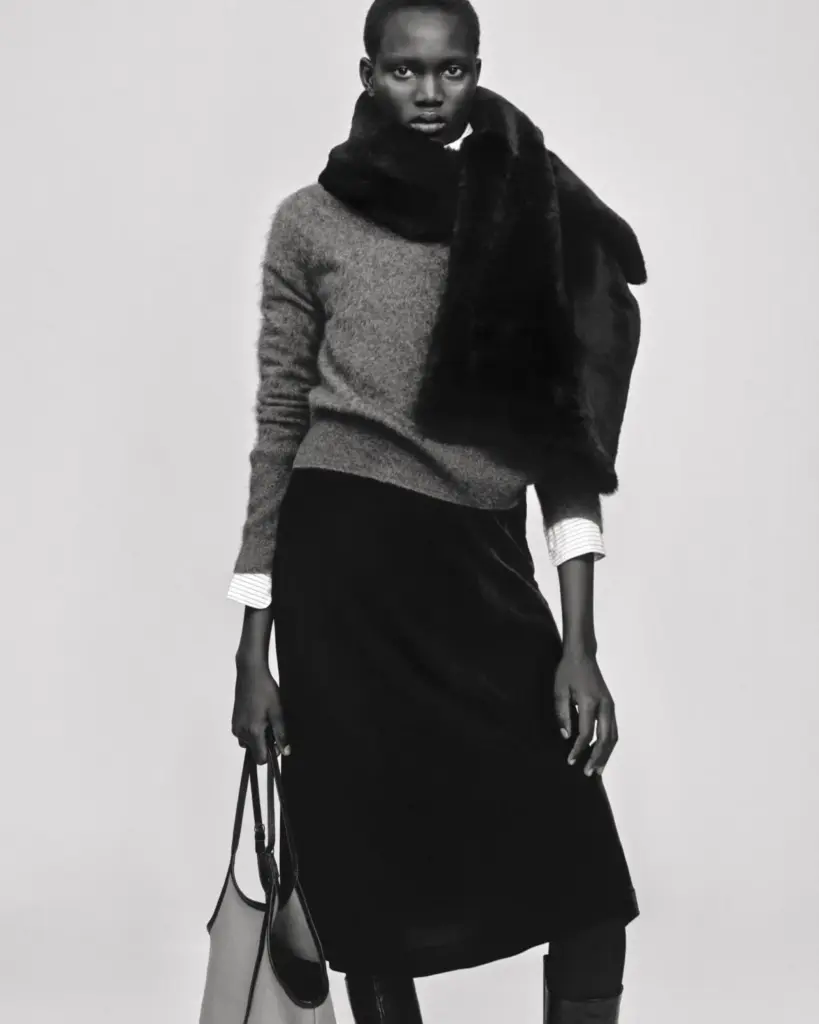
The FW26 ready-to-wear lineup balances rugged utilitarianism with architectural sophistication. Key pieces dominating retail discussions include:

- The Effie Wool-Blend Cocoon Coat ($499): A masterclass in outerwear engineering, this piece offers a voluminous, enveloping silhouette while maintaining a razor-sharp structural integrity. It bridges the gap between classic British tailoring and contemporary streetwear comfort.
- The Roiya Leather Huntington Jacket ($829) & Errie Leather Biker Jacket ($569 & $829 variants): Leather remains the lifeblood of AllSaints, and Esh has revitalized the category. By experimenting with heavier, vintage-treated hides and adjusting hardware placements, these jackets feel both nostalgic and jarringly modern.
- The Lycia Crepe Wide-Leg Pants ($219) & Irma Silk-Viscose Skirt ($249): Demonstrating Esh’s mastery of separates, these pieces introduce fluid, gravity-defying movement to the collection. The wide-leg pants offer a relaxed, draped elegance, while the silk-viscose skirt plays on the tension between delicate femininity and gritty styling.
- Knitwear and Basics: The Mabel Alpaca Blend V-Neck Sweater ($249) and Kaia Oversized Cotton Poplin Shirt ($159) provide foundational layering options, utilizing tactile, high-end fibers that elevate everyday staples into luxury territory.
Footwear and Accessories Architecture
Accessories have long been a core revenue driver for AllSaints, and the FW26 collection introduces elevated craftsmanship across leather goods and footwear:
- Footwear: The Anna Hand-Stitched Leather Court Shoes ($299) and Jules Hand-Stitched Leather Loafers ($385) introduce a refined, artisanal touch to the brand’s shoe lineup, signaling a move toward sophisticated day-to-night dressing.
- Bags and Pouches: The Siloh Pink-Edged Large Leather Pouch ($199), Lutece Fold Leather Shoulder Bag ($349), and the standout Siloh Oversized Suede Tote Bag ($399) cater to the modern consumer’s demand for functional, tactile, and oversized carryalls. The use of raw-edged leather and subtle distressing ensures these accessories complement the apparel’s lived-in aesthetic.
Official Statements & Creative Philosophy
To fully grasp the direction of the brand under Aaron Esh, one must examine the designer’s own words regarding his philosophy on fashion, demographics, and British identity. In promotional materials accompanying the FW26 launch, Esh was keen to emphasize that his approach eschews traditional marketing silos in favor of organic, character-driven storytelling.

"I’m less interested in defining an AllSaints customer by age or demographic," Esh stated. "I’m interested in character. Ultimately, I want people to see someone walking down the street and say ‘they’re very AllSaints’. That’s what real fashion is—creating an identity. No branding on them, but very AllSaints."
This philosophy represents a direct counter-strategy to the hyper-logoed streetwear boom of the past decade. Instead of plastering monograms across garments, Esh relies on silhouette, fabric weight, and styling to communicate luxury.

This ethos is vividly captured in the accompanying advertising campaign. Lensed by renowned fashion photographer Alasdair McLellan—whose lens has historically defined the look of modern British youth culture—the campaign casts longtime Esh muses Kiki Willems and Lux Gillespie alongside street-cast Londoners. The result is an unpretentious, hyper-authentic visual documentation of urban life.
- The Ram Zine: Extending the brand narrative beyond traditional advertising, Esh is spearheading the launch of The Ram, a limited-edition print publication set to debut at London Fashion Week alongside his namesake label’s presentation. Modeled after the DIY aesthetics of 1990s music fanzines, The Ram features editorials, essays, and profiles that explore the cultural heritage of AllSaints and its spiritual home in Spitalfields.
- Redefining British Uniformity: "London is about attitude; how people wear clothes in unpretentious ways," Esh elaborated. "Reworking the branding was never about making it new. It was about taking the best parts of what it was and packaging that up in a new way."
Future Outlook: Can Esh Secure AllSaints’ Long-Term Relevancy?
As the fashion industry watches closely to see how consumers respond to this high-profile reset, the broader question remains: Can Aaron Esh successfully bridge the gap between niche independent cool and global retail profitability?

The early indicators suggest a high probability of success. By leaning into the current market appetite for authentic heritage brands undergoing thoughtful creative revivals, AllSaints is positioning itself as a compelling alternative to both over-inflated luxury houses and fast-fashion copycats. The strategic pricing of the collection—ranging from $159 for cotton poplin shirts to $829 for premium leather outerwear—strikes a vital sweet spot for millennial and Gen Z consumers willing to invest in hero pieces that boast longevity and distinct character.
Furthermore, Esh’s dual role—maintaining his own independent label while steering a major commercial brand—echoes the career trajectories of legendary designers who have successfully revitalized sleeping giants in the past. If he can maintain the artistic integrity of his debut FW26 collection while scaling production and distribution across AllSaints’ global footprint, this partnership could well be remembered as one of the most astute creative directorship appointments of the decade.

Ultimately, Aaron Esh has reminded the fashion world that AllSaints is more than just a purveyor of leather jackets; it is a cultural touchstone rooted in the unyielding, rebellious spirit of London. With a sharp eye for proportion, a deep respect for archival history, and an uncompromising commitment to character over demographics, Esh has successfully brought AllSaints back into fashion’s good graces—and this is only the beginning.