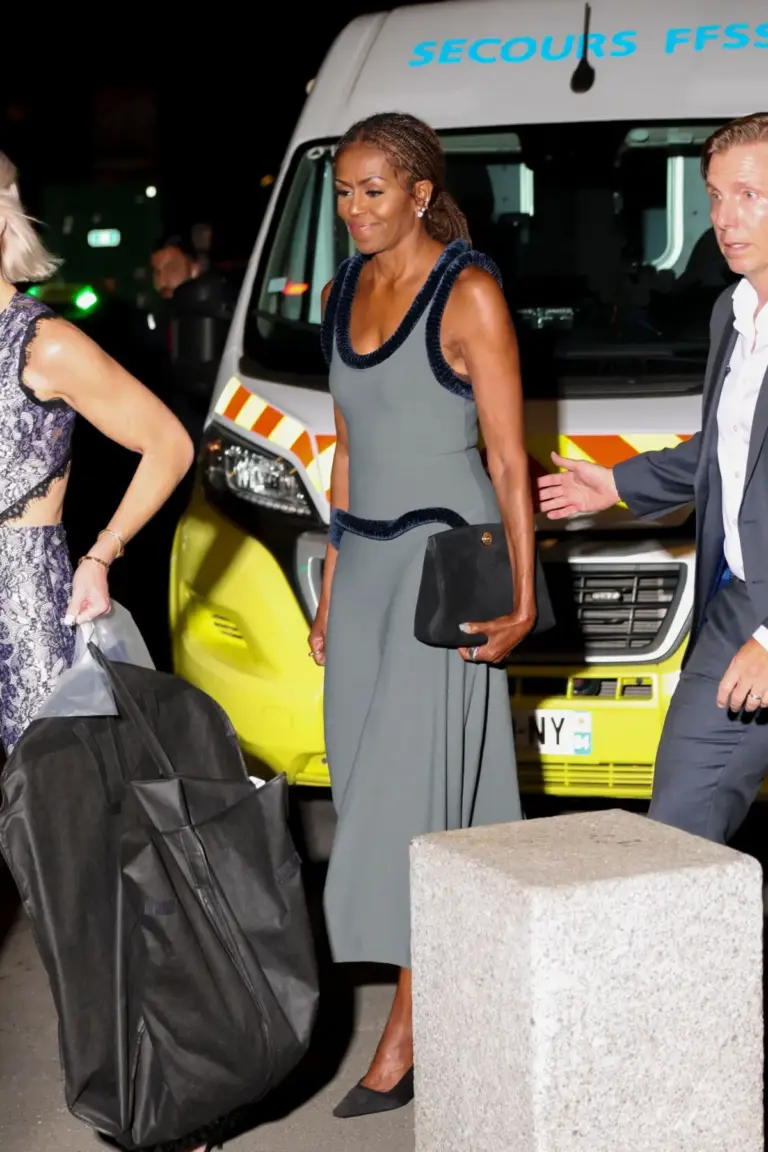
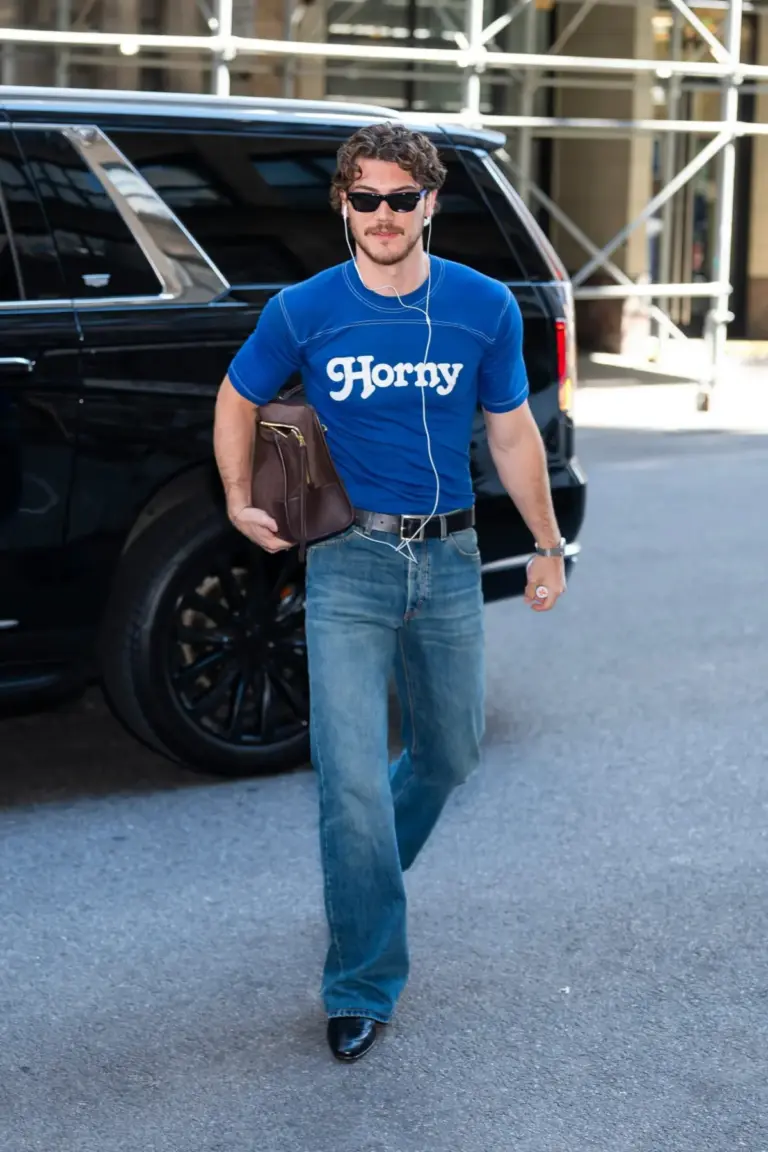
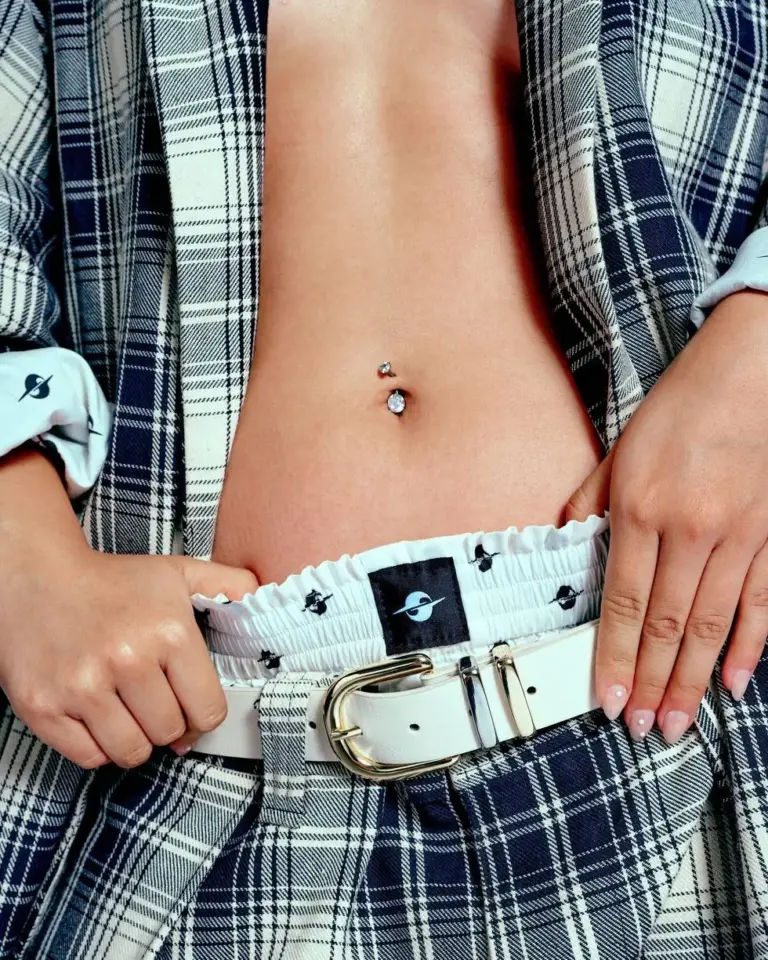
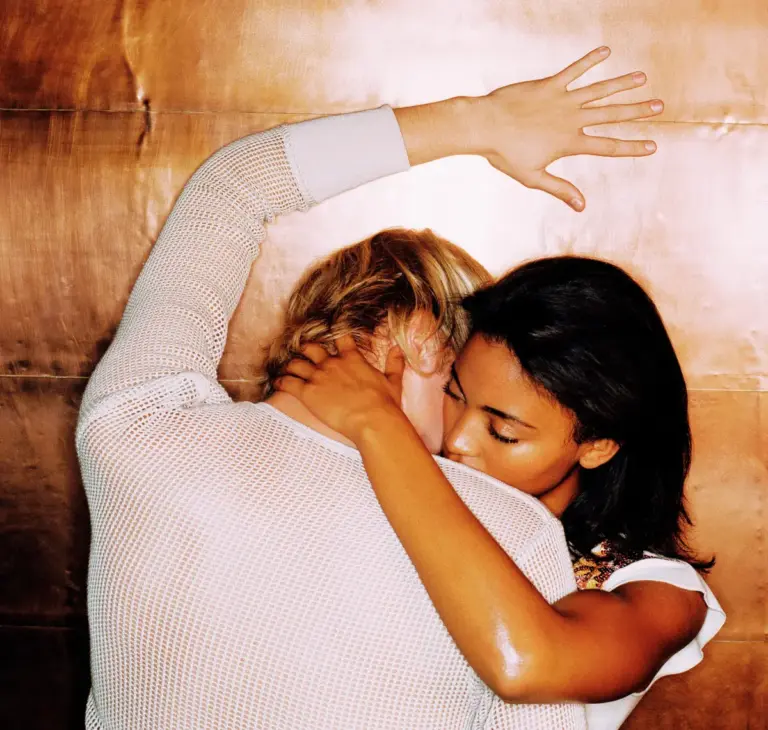
As the crisp air of autumn begins to sweep across urban landscapes, the annual ritual of wardrobe recalibration takes center stage. For fashion enthusiasts, this transitional period presents a delightful paradox: while a profound nostalgia lingers for the effortless, sun-drenched silhouettes of summer, the allure of a fresh canvas for autumnal styling is undeniably intoxicating. However, contemporary economic realities rarely align with the insatiable appetite of the modern style devotee. Rebuilding a comprehensive, high-end capsule wardrobe from scratch each season is a luxury reserved for the upper echelons of wealth, leaving the vast majority of consumers searching for smarter, more sustainable avenues to achieve sartorial excellence.
Enter the high-street retail titan H&M, which has consistently proven that trend-forward design and financial accessibility are not mutually exclusive. In its most recent autumn arrivals, the brand has executed a masterclass in affordable luxury, curating a selection of pieces that punch significantly above their weight class. By focusing on elevated textures, architectural silhouettes, and subtle modernist details, H&M’s latest drop effectively bridges the gap between fleeting micro-trends and enduring capsule wardrobe staples.
This analytical report explores the strategic shift in H&M’s recent collection, dissecting the macro-fashion trends influencing the market, evaluating the psychological appeal of "quiet luxury" at accessible price points, and examining ten standout pieces from the new collection that promise to deliver high-end aesthetic value without the designer price tag.
Detailed Chronology: The Evolution of H&M’s High-Street Strategy
The democratization of high fashion is not a novel concept, but the methodology behind it has undergone a radical transformation over the past decade. To understand the significance of H&M’s current autumn collection, one must trace the trajectory of how mass-market retailers respond to an increasingly discerning, digitally native consumer base.
Phase One: The Era of Fast-Fashion Imitation (Early 2010s)
Historically, high-street brands operated on a philosophy of rapid replication. Runway looks from Paris, Milan, and New York were deconstructed, mass-produced in synthetic fabrics, and rushed to store floors within weeks. While this model democratized access to current trends, it suffered from severe structural flaws: poor garment longevity, environmental degradation, and a distinct lack of stylistic nuance. Items frequently looked and felt inexpensive, cementing a clear dichotomy between designer goods and mass-market retail.
Phase Two: The Designer Collaboration Phenomenon (Mid-to-Late 2010s)
Recognizing the limitations of pure replication, H&M pioneered the high-low designer collaboration model, partnering with luxury powerhouses like Karl Lagerfeld, Stella McCartney, Balmain, and Maison Margiela. These limited-edition capsules generated unprecedented consumer frenzy, proving that the mass-market consumer yearned for high-end design credentials. However, these collections were inherently fleeting—collector’s items rather than foundational wardrobe blocks.
Phase Three: The Pivot Toward Timeless Modernism (Current Landscape)
Today, the paradigm has shifted once more. Driven by economic pressures, heightened environmental awareness, and a cultural fatigue surrounding overconsumption, consumers are moving away from disposable fashion. They are demanding durability, versatility, and, above all, the illusion of luxury.
H&M’s current strategy reflects this maturity. Rather than chasing every transient social media micro-trend, the brand’s design team has leaned heavily into understated elegance. The "New In" section for autumn 2026 represents a calculated synthesis of timeless tailoring and modern design twists—funnel necks, subtle asymmetrical draping, rich satin finishes, and refined hardware. This evolution marks a departure from low-quality trend-chasing toward a democratization of the "capsule wardrobe" concept.
Supporting Context & Metrics: Navigating the Autumn 2026 Trend Landscape
To fully appreciate the curation of H&M’s latest drop, one must examine the broader socio-cultural and stylistic currents dictating the fashion landscape. The autumn 2026 season is characterized by a fascinating push-and-pull between seemingly contradictory aesthetics.
The Great Aesthetic Dichotomy
Ladylike Elegance vs. Y2K Revival:
On one hand, society is experiencing a profound craving for refined, polished dressing. The return of the elegant, ladylike aesthetic—inspired by mid-century couture and modern minimalist tailoring—dominates professional and social spheres. Conversely, elements of the Y2K aesthetic stubbornly persist among younger demographics, characterized by nostalgic textures, low-rise variations, and playful styling.
Romantic Boho vs. Masculine Oversizing:
The revival of bohemian style brings forth romantic elements such as delicate lace, flowing ruffles, and intricate textures. Yet, this is balanced in equal measure by the ongoing dominance of oversized, masculine tailoring. Boxy blazers, structural outerwear, and utilitarian cuts offer a sharp, gender-fluid counterpoint to traditional femininity.
Maximalist Digital Culture vs. ’90s Minimalism:
On social media platforms, visual culture is currently saturated with a "bejeweled" maximalism—gemstones, heavy embellishments, and ultra-styled DIY aesthetics. Paradoxically, the physical garments consumers are actually purchasing lean heavily into the restraint of ’90s minimalism: clean lines, neutral color palettes, and quiet, unfussy silhouettes.
The Economics of "Looking Expensive"
Market research within the retail sector indicates a sharp rise in consumer demand for pieces that project affluence without requiring significant financial outlay—a phenomenon heavily amplified by economic uncertainty and the viral success of TikTok and Instagram styling videos.
According to retail analytics, searches for terms like "how to look expensive on a budget" and "capsule wardrobe essentials" have surged by over 45% year-over-year. Consumers are no longer interested in items that scream their brand origin; instead, they seek out tactile richness—weights, drapes, and finishes that mimic high-end natural fibers and expert craftsmanship. H&M’s latest collection is a direct response to this consumer psychology, utilizing poly-blends, structured twills, and fine-knits that deliver substantial visual and physical weight.
Official Statements & Industry Analysis
Industry insiders and retail analysts have taken note of H&M’s strategic repositioning. In recent corporate briefings, executives have emphasized a corporate pivot toward quality enhancement, sustainability metrics, and long-term wardrobe integration.
"The modern consumer is incredibly savvy. They possess an encyclopedic knowledge of fabrics, cuts, and styling techniques thanks to digital platforms," notes a prominent retail strategist specializing in fast-fashion evolution. "You can no longer fool the market with sub-standard synthetics. To capture the wallet share today, high-street brands must invest in structural integrity. When a $30 sweater has the weight, drape, and stitch density of a $200 designer piece, it ceases to be a seasonal purchase—it becomes an essential investment."
Furthermore, H&M’s design department has increasingly integrated customer feedback loops from digital style communities. By analyzing which items achieve viral status through creative styling—such as pairing affordable satin blouses with vintage leather or structuring basic knitwear with high-end accessories—the brand has optimized its inventory to offer maximum versatility.
The Curated Edit: 10 H&M Pieces That Defy Their Price Tag
Navigating a massive retailer’s inventory can often lead to decision fatigue or regrettable purchases. To streamline the autumnal transition, here is a detailed breakdown of ten standout pieces from H&M’s current collection that embody modern luxury, exceptional versatility, and timeless appeal.
1. H&M Satin Blouse ($25)
The Vibe: Liquid luxury.
Why It Works: A brilliant satin blouse is the cornerstone of any sophisticated wardrobe. This piece features a fluid drape that catches the light effortlessly, mimicking silk-charmeuse garments costing five times as much. Styled tucked into tailored trousers or layered beneath an oversized blazer, it instantly elevates casual denim or corporate separates.
2. H&M Fine-Knit Mock Turtleneck Sweater ($40)
The Vibe: ’90s minimalist chic.
Why It Works: The mock turtleneck is an autumn essential, offering a sleeker, more modern profile than a traditional chunky turtleneck. The fine-knit texture ensures it can be tucked seamlessly into skirts or trousers without adding unwanted bulk, making it an ideal layering tool for shifting temperatures.
3. H&M Tie-Detail Jumper ($299)
The Vibe: Architectural statement piece.
Why It Works: Infusing subtle runway details into accessible knitwear, the tie-detail jumper breaks the monotony of traditional pull-overs. The delicate knot or tie element adds a romantic, feminine flourish that speaks directly to the current return of refined, ladylike dressing.
4. H&M Dual-Fabric Strappy Dress ($90)
The Vibe: Contemporary eveningwear.
Why It Works: Combining contrasting textures is a hallmark of modern design. This dual-fabric slip dress plays with matte and sheen surfaces, creating visual depth that looks undeniably high-end. Layered over a fine-knit top or worn solo with minimalist mules, it transitions effortlessly from day to night.
5. H&M Straight-Leg Twill Pants ($50)
The Vibe: Utilitarian polish.
Why It Works: Moving away from restrictive fits, these straight-leg twill pants offer a relaxed yet impeccably tailored silhouette. The sturdy twill fabric provides structure, ensuring the trousers hold a crisp crease that flatters the leg while remaining supremely comfortable for all-day wear.
Why It Works: A heavier-gauge sibling to the fine-knit variant, this piece leans into the oversized, masculine comfort trend while maintaining a polished neckline. It serves as an anchor piece for building textural contrast against sleek satin or smooth leather bottoms.
7. H&M Short Rope-Detail Jacket ($75)
The Vibe: Nautical-meets-urban outerwear.
Why It Works: Outerwear is often where budget constraints become glaringly obvious, but this short jacket defies expectations. Featuring unique rope-detail closures and a cropped silhouette, it offers structural interest and high-fashion attitude that feels at home on the streets of fashion capitals.
8. H&M Peplum Blouse with Shawl Collar ($50)
The Vibe: New-wave corporate couture.
Why It Works: The peplum silhouette has returned with a sophisticated vengeance. Combined with a dramatic shawl collar, this blouse flatters the waist while projecting undeniable authority and elegance. It pairs brilliantly with slim-cut trousers or a pencil skirt.
Why It Works: An absolute steal for the quality of the cut. These trousers offer the clean lines and drape traditionally associated with bespoke menswear tailoring. They can be dressed down with crisp white sneakers and a t-shirt or elevated with heels and a satin blouse.
10. H&M Gray Melange Sweater ($30)
The Vibe: Ultimate understated comfort.
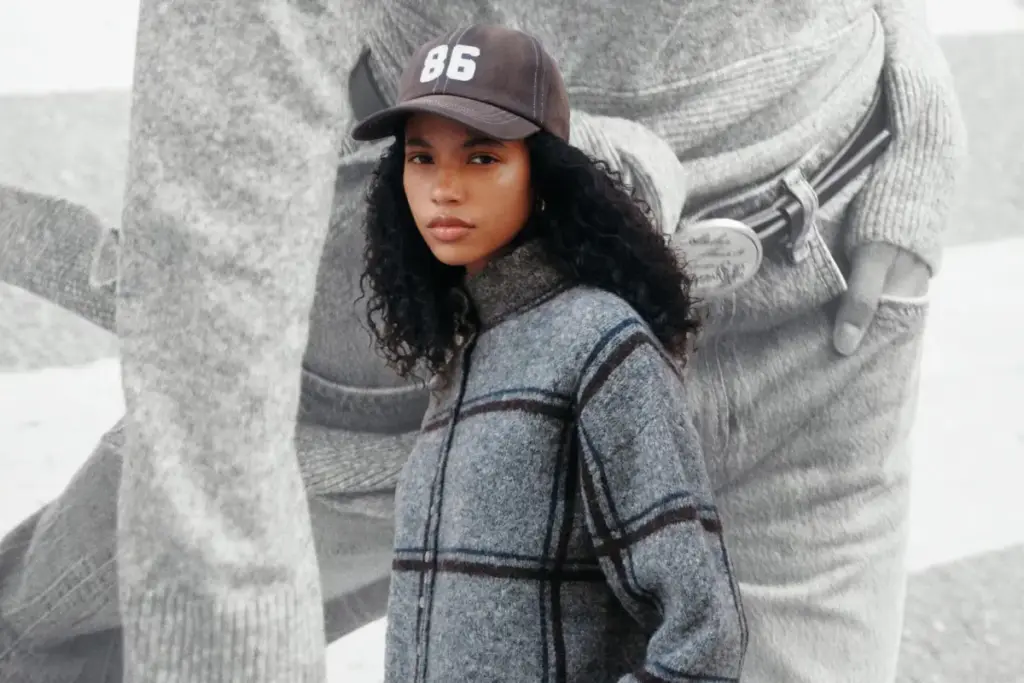
Why It Works: Gray melange is the unofficial uniform of quiet luxury. This sweater captures the essence of effortless off-duty style. The depth of the heathered yarn prevents the gray from looking flat, ensuring it looks expensive, intentional, and timeless.
Future Outlook: The Sustainable Future of Budget Fashion
As we look beyond the current autumn season, the intersection of affordability, style, and sustainability will continue to dictate consumer behavior. The success of H&M’s curated, upscale basic collections signals a broader industry trend: the slow death of disposable micro-trends in favor of "investment dressing" at every price tier.
Going forward, mass-market retailers will face mounting pressure to ensure that affordable garments not only look expensive but are manufactured with longevity and circularity in mind. Consumers are increasingly asking questions about fabric composition, ethical labor practices, and recyclability.
For the fashion-conscious consumer operating on a budget, the path forward is clear. By curating a capsule wardrobe centered around versatile, high-impact pieces—such as those found in H&M’s latest autumn drop—shoppers can navigate the shifting tides of seasonal trends without compromising their financial health or their personal aesthetic standards. The future of style is not about how much you spend, but how intelligently you curate.




.png)
.png)


.png)