Executive Overview
In the contemporary digital landscape, where hyper-realistic beauty tutorials, flawless close-ups, and meticulously curated aesthetics dominate social media feeds, a silent psychological phenomenon has taken root. Millions of beauty enthusiasts, creators, and everyday salon-goers are grappling with a surprisingly prevalent condition: "Nail Anxiety."
Characterized by a deep-seated apprehension before, during, and after a manicure, this modern neurosis sits at the intersection of aesthetic perfectionism, an intense need for bodily control, and the pervasive pressures of digital self-presentation.
What begins as an innocent trip to the local nail salon can quickly spiral into a stressful ordeal marked by difficulties in communication, dissatisfaction with salon results, and an exhausting quest for immaculate styling. For some, the solution has been taking matters into their own hands through DIY manicures, transforming nail art into an empowering act of mindfulness. For others, however, the pressure to maintain absolute flawlessness only intensifies in the private studio space.
This deep-dive investigation explores the underlying causes of nail anxiety, the psychological mechanics of control and perfectionism, the unique challenges faced by male beauty creators, and actionable strategies for reclaiming the manicure experience as a form of self-care rather than a source of stress.
Detailed Chronology: From Salon Visits to DIY Control
The modern nail industry has evolved from a simple luxury into a multi-billion-dollar juggernaut of high-art expression. Yet, alongside this growth, the friction between consumer expectations and salon realities has intensified.
The Traditional Salon Frustration
For prominent nail content creator Sarah Haider (@heluviee), who boasts over half a million followers on Instagram, the traditional salon journey was a double-edged sword. "I always loved getting my nails done and trying out beautiful new designs," Haider explains. However, the aftermath was rarely celebratory. "Every single time I came home from the salon, I immediately had to reach for the nail file."
Haider’s experience is emblematic of a broader trend. Salon manicures often look objectively pristine, yet fail to match the hyper-specific mental blueprint formed by the client beforehand. When the final result diverges even slightly from internal expectations, frustration sets in. For Haider, this recurring disappointment birthed an anticipatory anxiety—she would feel nervous and restless before the appointment even began. The logical conclusion was a migration to the DIY space. "I started doing my own nails because that’s the only way I can get them directly, perfectly right."
The Evolution of the Control Paradigm
This trajectory—from passive salon client to hyper-vigilant DIY artist—highlights a shift in consumer behavior. For creators like Jess Brush (known online as @nailbetch), managing her own nails provides an essential sense of autonomy. "The main reason I do my own nails is that I have such a strong need for control," Brush admits.
While this meticulousness might read as obsessive to outsiders, many avant-garde nail artists argue that such intense focus is a prerequisite for executing complex, detail-oriented art. Without a strict adherence to precision, intricate modern trends simply cannot be achieved. However, when nails transition from a casual hobby to a professional career or a core component of personal identity, the baseline stress levels skyrocket. Haider notes that even with total creative control, she now experiences acute panic when a manicure falls short of perfection—triggering physical symptoms like trembling hands and prolonged working hours.
Supporting Context & Metrics: The Anatomy of an Online Phenomenon
To understand the scale of nail anxiety, one must look to the digital ecosystems where these conversations unfold.
- Digital Visibility: On TikTok, the hashtag #nailanxiety has generated tens of thousands of views, serving as a digital support group where users openly dissect their discomfort in salon chairs.
- The Communication Barrier: A common thread across these viral discussions is the inability to voice dissatisfaction in real-time. Clients frequently report biting their tongues when a nail artist deviates from the requested color palette or nail art style, paralyzed by the fear of appearing overly critical or "difficult."
- Generational Shifts: Dermatologists and behavioral experts note that younger generations are uniquely susceptible to appearance-based pressures, heavily catalyzed by filtered imagery and digital perfectionism.
The Dermatological Perspective
Dr. Dana Stern, a board-certified dermatologist and globally recognized nail specialist, has observed a distinct psychological shift among her patients in recent years.
"I’m seeing that in younger generations, many people are totally obsessed with their appearance," notes Dr. Stern. "That seems to be heavily tied to the edited photos we see everywhere. The beauty industry has long sold us an unrealistic ideal of perfection, and the demand for ‘flawless’ nails is the ultimate textbook example."
Dr. Stern’s clinical practice frequently intersects with the psychological fallout of these unrealistic standards. She recounts treating young patients whose self-esteem is severely compromised by perceived imperfections in their nail beds, leading to social anxieties that impact dating, professional networking, and daily interactions.
Official Statements & Expert Insights
Navigating the Salon Experience: The Power of "No"
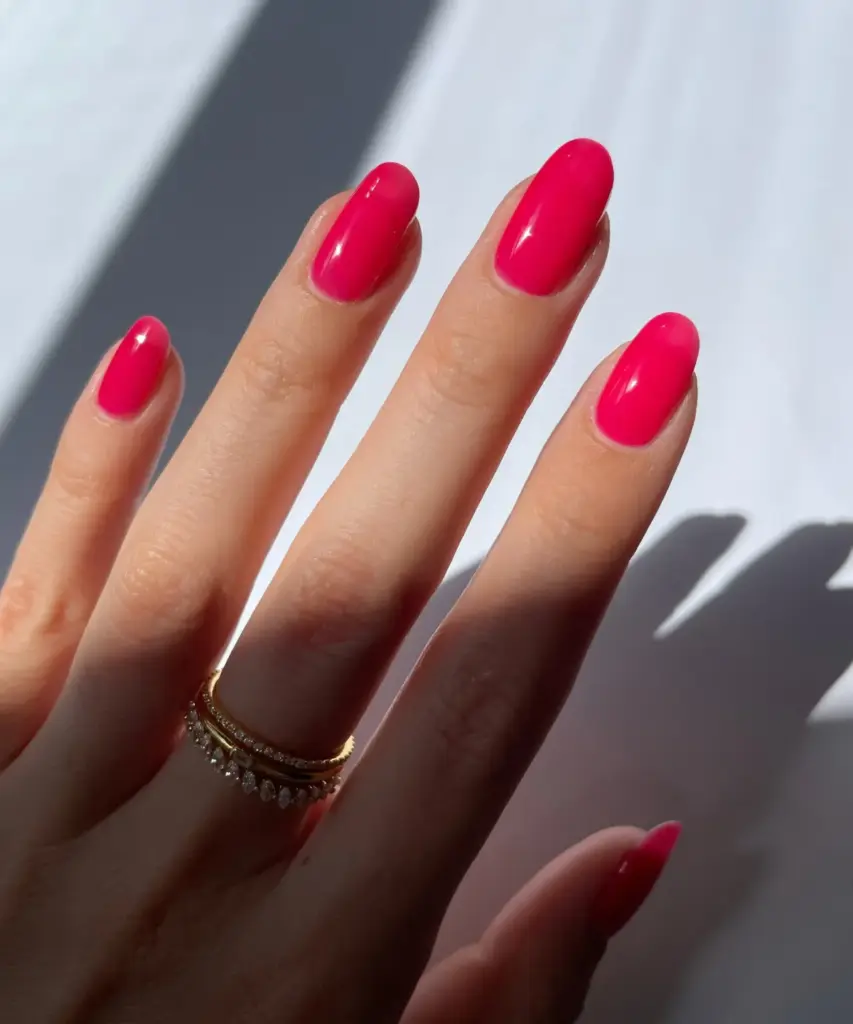
For many clients, the anxiety is not necessarily tied to the aesthetic outcome, but to the physical procedures performed within the salon environment. Invasive techniques, such as the aggressive removal of cuticles using electric files (E-files), can leave lasting physical impressions—and psychological hesitation.
Abe, a prominent male nail content creator (@abe.nailbabe), recalls his early experiences with professional nail tools. "I remember the nail artist at my first manicure appointment used an electric file to remove my cuticles," Abe shares. "When I removed the polish a few weeks later, you could clearly see where the file had etched a line into my natural nail. I had to wait for it to grow out."
Rather than condemning the salon industry, Abe adjusted his approach through clear communication—a tool many consumers forget they possess. Today, his salon instructions are unequivocal: "I make it clear: Please don’t touch my cuticles. Just polish, please. I think a lot of people don’t really realize that they are allowed to say no."
Breaking Gender Norms in Beauty Spaces
As a man wearing elaborately painted nails, Abe navigates a specialized tier of social anxiety. Entering a traditionally female-coded space like a nail salon can trigger acute self-consciousness.
"I feel anxious when I enter the nail salon—a typically female-read space," Abe explains. The surveillance does not stop at the salon door. Public scrutiny forces a constant hyper-awareness of hand placement. "I have to make a conscious effort not to constantly put my hands in my pants pockets. Unfortunately, that’s often my instinct because I’m afraid of what others might say."
Furthermore, Abe speaks candidly about the physical limitations imposed by long manicures. The psychological weight of maintaining pristine length meant constantly policing his physical movements. "When I started doing my own nails, I let my natural nails grow very long. I remember always being afraid of touching anything," he reflects. Recognizing that this lifestyle was unsustainable, Abe ultimately opted for shorter nails to alleviate the psychological burden.
Psychological Interventions: Picking, Biting, and Mindfulness
Nail care exists in a fascinating duality: it can serve as both a trigger for neurosis and a powerful therapeutic tool for managing destructive habits like nail-biting (onychophagia) or skin-picking (dermatillomania).
The Therapeutic Value of Manicures
During stressful life phases—such as academic examinations or high-pressure professional deadlines—individuals frequently resort to compulsive nail-picking. Here, regular manicures act as a behavioral deterrent.
"When I had freshly done nails, it was harder for me to pick at them," notes Haider, reflecting on her university years. "And if my cuticles had been cleaned up, I couldn’t pick at those either. That really helped me break the habit."
Dr. Stern validates this clinical observation, noting that the financial and temporal investment of a manicure often functions as a subconscious psychological anchor. "People who bite or pick at their nails can benefit from a regular manicure because you simply don’t want to ruin the investment. The money and time you’ve put into it can deter you from destroying it."
Conversely, picking is not always stress-induced; it can manifest during periods of inactivity or boredom. Dr. Stern recommends sensory substitution techniques, such as wearing gloves while watching television or covering vulnerable nails with bandages during downtime to interrupt the unconscious habit loop.
Nail Care as a Mindfulness Practice
For creators like Jess Brush and Abe, the mechanical rhythm of nail maintenance has been successfully reframed as an exercise in mindfulness.
"Well-groomed nails calm my anxiety immensely," says Brush. "Taking the time to shape them properly and starting a nail over if it doesn’t look right—all of that is deeply calming." Abe echoes this sentiment, finding peace in the repetitive motions of polish application. "I can completely switch off because the movements are so repetitive. It really does me and my mental health a lot of good."
Future Outlook: Practical Strategies for Overcoming Nail Anxiety
As the beauty industry continues to evolve, destigmatizing the emotional friction surrounding personal grooming is essential. Whether you are a dedicated DIYer or a loyal salon patron, managing nail anxiety requires a blend of assertive communication, realistic expectations, and self-compassion.
Expert-Backed Tips for a Stress-Free Manicure:
- Speak Up Early and Politely: Nail artists want satisfied clients. Voicing your preferences or requesting adjustments at the beginning of the appointment ensures a smoother process without uncomfortable tension.
- Inspect Before Curing: If you are receiving a gel manicure, take a deliberate pause to evaluate the shape, length, and color before placing your hand under the UV or LED lamp. Once cured, alterations require abrasive filing.
- Embrace "Nail Fails": Perfection is an illusion amplified by social media algorithms. Embracing minor imperfections—or even sharing "nail fails" online, as Abe does—humanizes the craft and dismantles unrealistic beauty standards.
- Shift the Narrative: View nail care not as a performance for external validation, but as a tactile ritual of self-care and mental decompression.
Ultimately, as Abe reminds us to put our perfectionism into perspective: "Let’s be honest: No one is ever going to look at your nails that closely." By shifting our focus from impossible standards of perfection to mindful self-expression, we can reclaim our manicures as a source of joy rather than anxiety.